Key Takeaways
- The H1B visa is vital for hiring skilled foreign professionals, with premium processing expediting decisions for an additional fee.
- Requests for Evidence (RFEs) require further information, potentially impacting timelines but offer applicants a chance to clarify petitions.
- Recent changes include fee increases and fraud prevention measures to improve processing integrity and efficiency within the H1B system.
The H1B visa represents a pivotal channel for U.S.?? employers seeking to hire highly skilled foreign professionals. Although pivotal, the journey to securing an H1B visa can be fraught with intricacies, particularly when Requests for Evidence (RFEs) come into play. Grasping the nuances of RFEs within the realm of H1B premium processing becomes indispensable for applicants and employers alike.
Premium Processing Overview
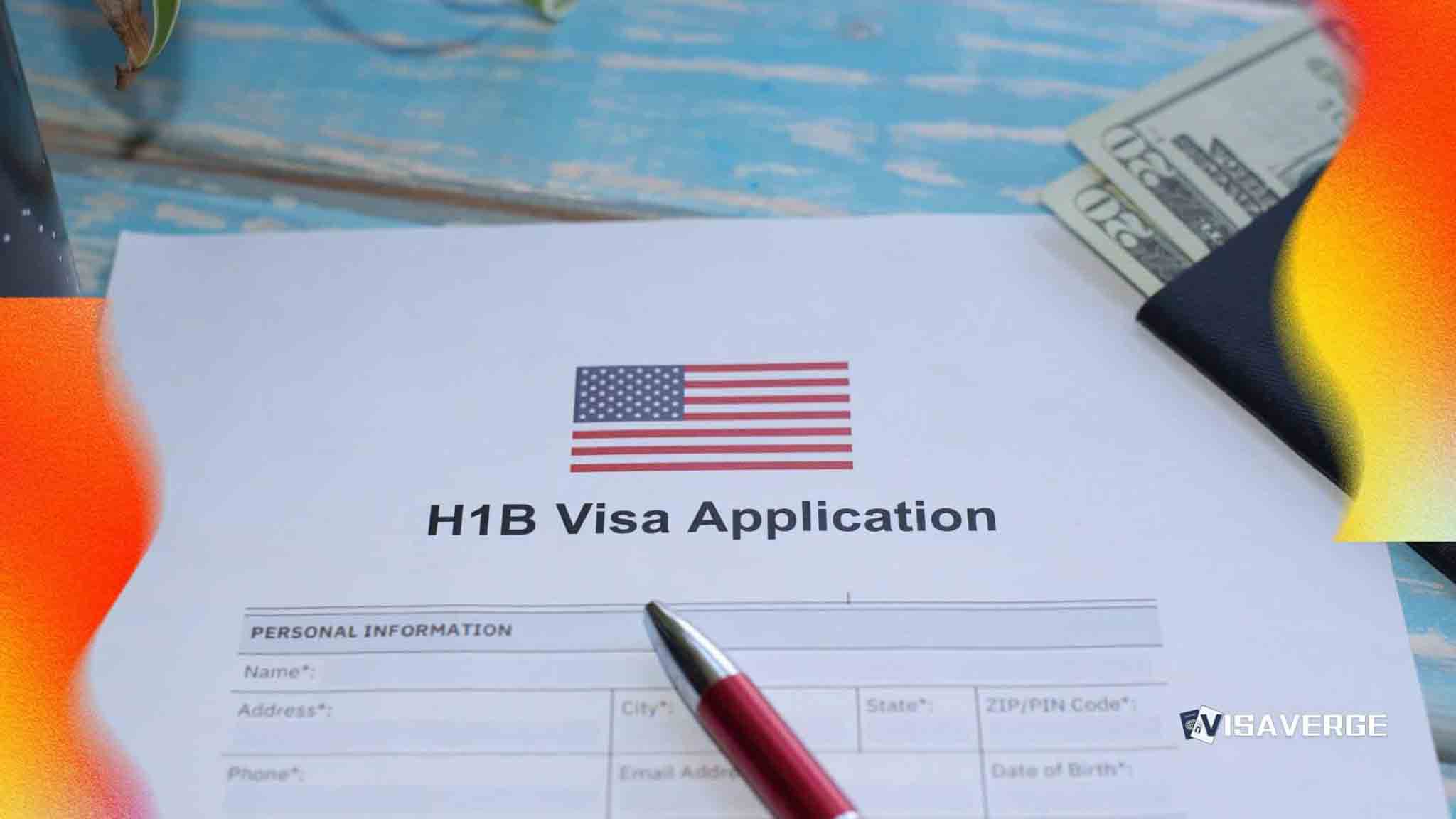
U.S. Citizenship and Immigration Services (USCIS) provides an expedited option known as premium processing for certain employment-based visa petitions, including the H1B visa. This service, available for an additional fee, assures that employers receive a response within 15 calendar days. Responses from USCIS can range from an approval, denial, RFE, or a notice of intent to deny (NOID).
H1B RFE: Reasons and Implications
An RFE is issued when USCIS needs further information to make a conclusive decision on a visa petition. Some common triggers for H1B RFEs are:
Free toolH-1B Cost Calculator Online- Determination of a Specialty Occupation: There must be clear evidence demonstrating the job’s complexity aligns with the criteria of a specialty occupation.
- Degree in a Non-Related Field: The visa applicant’s educational background must align with the position offered.
- Employer-Employee Relationship Issues: USCIS scrutinizes to confirm the employer will retain control over the employee.
- Labor Condition Application (LCA) Discrepancies: Consistencies in job title, duties, and salary as listed in the LCA are critical.
- Job Itinerary Concerns: Clearly defined work periods and locations are essential, especially for positions involving multiple work sites.
Receiving an RFE extends the usual processing timeline, posing a challenge. However, obtaining an RFE does not equate to a denial. Typically, petitioners are granted a 60-day window to respond to an RFE.
Impact of Premium Processing on RFE Timelines
When an RFE is issued during the premium processing period, the 15-day service guarantee is temporarily halted. Once USCIS receives the additional information requested in an RFE, the clock resumes. Here, USCIS is obligated to provide a decision within the remaining days of the 15-day timeframe initially promised.
Recent Developments and Trends
Fee Increases: As of February 26, 2024, USCIS raised the premium processing fee to $2,805. This adjustment accounts for inflation, reflecting increased costs associated with fast-tracked processing. The adjustment aims to enhance service efficiency and coverage.
Fraud Prevention Measures: To heighten the integrity of the H1B registration process, USCIS has shifted to a beneficiary-centric selection method. This aims to reduce fraudulent registrations and ensure a fair allocation of visas.
Processing Times: Traditional H1B processing times have experienced variability, ranging between 2 to 5 months, dictated by the service center handling the application. While premium processing doesn’t alter this timeline’s unpredictability, it remains an appealing option for employers seeking prompt resolutions.
Implications for Applicants and Employers
For Applicants: Receiving an RFE can be daunting, albeit a valuable opportunity to fortify and clarify one’s petition. Engaging immigration attorneys at this stage can prove beneficial, ensuring a comprehensive RFE response.
For Employers: Opting for premium processing and addressing potential RFEs can amplify the cost of hiring H1B workers. Nevertheless, expedited processing can be indispensable to align with business requirements and time-sensitive objectives.
Conclusion
The H1B-RFE premium processing timeline stands as a complex yet crucial element within the fabric of U.S. immigration policies. Amendments such as fee adjustments and the rollout of fraud prevention measures mirror ongoing commitments to refine and uphold the process’s integrity. As a result, understanding these substantial developments is mandatory for both applicants and employers venturing through the H1B visa terrain.
As reported by VisaVerge.com, the impacts of these adjustments are palpable, urging both applicants and employers to remain vigilant and informed. For official H1B premium processing guidelines, visit the USCIS premium processing page.
To sum up, navigating through the layered territory of H1B visa applications, particularly with RFEs in the premium processing context, demands diligent preparation and understanding. The onus is equally on applicants to substantiate their eligibility and on employers to align their submissions with USCIS directives. Remaining attuned to procedural updates and compliance requirements will serve as pivotal steps in optimizing the H1B application journey, ensuring smoother transitions and successful outcomes.
Learn Today
H1B Visa: A U.S. work visa allowing employers to hire highly skilled foreign professionals for specialized occupations.
Requests for Evidence (RFEs): USCIS requests for additional information necessary to make a decision on a visa application.
Premium Processing: An expedited service by USCIS for employment-based visa petitions, ensuring responses within 15 calendar days for an additional fee.
Specialty Occupation: A job that requires specific qualifications and skills, typically necessitating a bachelor’s degree or higher.
Labor Condition Application (LCA): A document employers file with the Department of Labor detailing job conditions such as title, duties, and salary.
This Article in a Nutshell
Navigating the H1B visa, particularly with an RFE, can be complex. Premium processing offers expedited decision-making, but RFEs pause the timeline. Understanding reasons like specialty occupation criteria or LCA discrepancies is crucial. With recent fee hikes and fraud prevention measures, staying informed is vital for smoother application outcomes.
— By VisaVerge.com
Read more:
• RFE vs. RFI: Key Differences and How to Respond
• Difference Between RFE and 221g Explained
• Top 10 RFE Reasons and Solutions
• Top 10 Second RFE Reasons and Solutions
• Top 50 RFE Reasons Explained