Quick Glance:
- H-1B visa holders benefit from dual intent, allowing them to work in the US and pursue permanent residency.
- Dual intent streamlines the green card application process and allows for easier travel for H-1B visa holders.
- Challenges include visa caps, changing immigration laws, and the lengthy and complex green card process. Seek professional advice for guidance. Navigating the waters of U.S. immigration policy can be daunting, and one aspect that often causes confusion is the concept of ‘dual intent’, especially when it comes to H-1B visa applicants. Dual intent refers to a visa applicant’s ability to come to the United States temporarily while also having the intention to apply for lawful permanent residency (a green card) in the future.
Let’s break this down in simpler terms. Typically, nonimmigrant visa categories require applicants to demonstrate that they intend to return to their home country after their visa expires — this is called ‘nonimmigrant intent.’ However, the United States recognizes that some nonimmigrant visa categories are compatible with the idea of eventually seeking to become a permanent resident. This is where ‘dual intent’ comes in, and the H-1B visa, which is designed for specialized workers, is one of the visas that allows for this.
Understanding Dual Intent for H-1B Applicants
So, what does dual intent mean for those seeking an H-1B visa? It provides flexibility. As an H-1B visa holder, you can enter the U.S. to work in a specialized field while also pursuing permanent residency. Here’s why this matters:
Free toolH-1B Cost Calculator Online- It streamlines the process for employers and employees who anticipate a long-term relationship beyond the temporary work period.
- It reduces the pressure on H-1B visa holders because they don’t have to conceal a desire to remain in the U.S. permanently.
- It allows H-1B visa holders to start their green card application process without waiting for their H-1B status to end.
But this doesn’t mean that obtaining an H-1B visa or a green card is a done deal. There are important requirements and procedures to follow, and it’s critical to be aware of the implications of dual intent when you’re navigating this path.
Key Implications of Dual Intent for H-1B Visa Holders
- Applying for a Green Card: As an H-1B visa holder, you are permitted to apply for a green card without jeopardizing your H-1B status. This is a privilege not afforded to many other nonimmigrant visa categories.
- Travel Considerations: With dual intent, H-1B visa holders can travel in and out of the U.S. more freely without their intent to immigrate being questioned at ports of entry.
- Transition to Permanent Residency: H-1B status can be a stepping stone toward becoming a lawful permanent resident, often seen as a favorable position when applying for a green card.
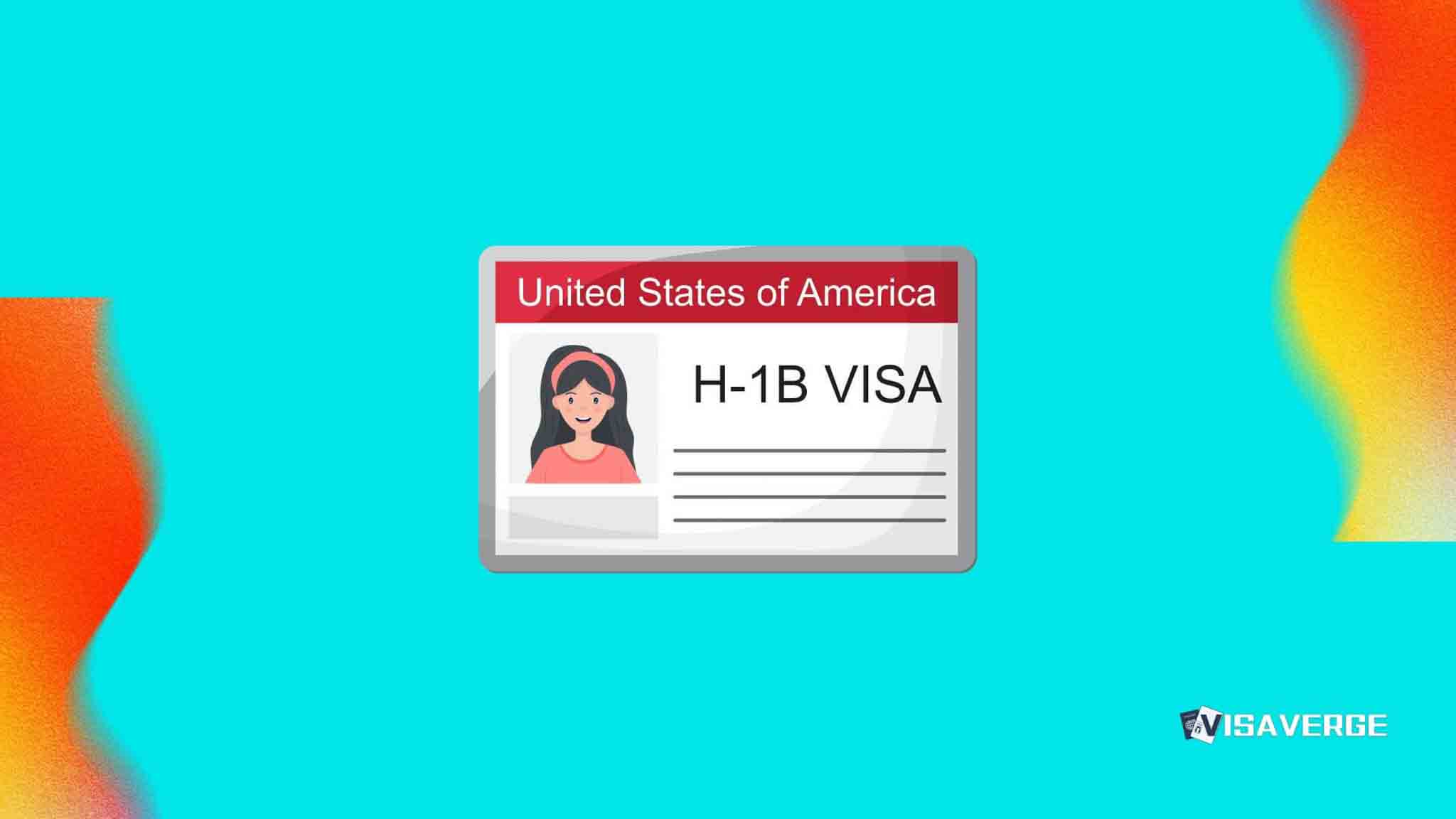
For employers and potential H-1B applicants, understanding the dual intent policy can significantly impact long-term planning and strategy. Employers looking to retain talented foreign workers can initiate the green card process without worrying that their employees will run into status issues.
Potential Challenges with Dual Intent
It’s important to note that even with the dual intent provision, there are no guarantees. There are several challenges that applicants might face:
- Visa Caps: H-1B visas are subject to an annual cap, with exceptions for certain types of employers. Due to this cap, there is often more demand than there are visas available, which can make it difficult to obtain an H-1B visa.
- Changing Immigration Laws: U.S. immigration laws can change, sometimes unexpectedly, affecting H-1B visa policies and procedures.
- Lengthy Green Card Process: The process for obtaining a green card can be lengthy and complex, with significant backlogs for applicants from some countries.
For up-to-date information on the H-1B visa program and green card processing times, always refer to the official U.S. Citizenship and Immigration Services (USCIS) website or consult an immigration attorney. These resources can help navigate the complexities of dual intent and ensure applicants stay informed about changes in immigration policy.
In summary, for those considering or currently holding an H-1B visa, it’s important to recognize the implications of dual intent. It opens up possibilities not only to work in the United States but to seek permanent residence down the line. Despite this flexibility, remain vigilant about policy changes and proactive in understanding the legal requirements that affect your immigration journey.
Remember, each individual situation might be different, so it’s crucial to seek advice tailored to your particular circumstances. Considering the significance of getting the process right, many find that consulting with an experienced immigration attorney or advisor can be a wise investment in their future in the U.S.
Embarking on the path of an H-1B visa holder is the beginning of an exciting journey with many opportunities. And while the way may sometimes seem complex, knowing about dual intent can help clear the path towards your American dream.
And there you have it, my friend! Dual intent is like having your H-1B visa cake and eating it too. It gives you the flexibility to work in the U.S. while keeping your green card dreams alive. Just remember, the path may have a few twists and turns, so stay informed and consult the experts at visaverge.com for all the juicy details. Happy navigating!
FAQ’s to know:
FAQ 1: What is the significance of dual intent for H-1B visa holders? Answer: Dual intent allows H-1B visa holders to enter the U.S. to work in specialized fields while also pursuing permanent residency. It streamlines the process for employers and employees, reduces pressure on visa holders, and enables them to start their green card application process without waiting for their H-1B status to end.
FAQ 2: Can H-1B visa holders apply for a green card and travel freely with dual intent? Answer: Yes, H-1B visa holders can apply for a green card without jeopardizing their H-1B status. They can also travel in and out of the U.S. more freely without their intention to immigrate being questioned at ports of entry.
FAQ 3: What are the potential challenges associated with dual intent for H-1B visa holders? Answer: H-1B visa holders may face challenges such as visa caps, which limit the availability of H-1B visas, changing immigration laws that impact H-1B visa policies and procedures, and a lengthy and complex green card process with significant backlogs for applicants from certain countries. Staying updated with official USCIS resources and consulting an immigration attorney can help navigate these challenges.
What did you learn? Answer below to know:
- True or False: Does dual intent allow H-1B visa holders to apply for a green card without jeopardizing their H-1B status?
- What are the potential challenges H-1B visa applicants might face in relation to dual intent? (Short Answer)
- What is the primary advantage of dual intent for H-1B visa holders in terms of traveling in and out of the United States? (Multiple Choice) a) Increased travel restrictions b) Ability to change immigration status at the port of entry c) Freedom to travel without their intent to immigrate being questioned d) Improved chances of obtaining a green card
Did you Know?
Did You Know?
- The H-1B visa category is not the only visa that allows for dual intent. Other nonimmigrant visa categories, such as the L-1 visa, also permit individuals to simultaneously pursue temporary work in the U.S. and a future path to permanent residency.
-
The H-1B visa program is highly competitive. The annual cap for H-1B visas is set at 85,000, with 65,000 allocated for individuals with a bachelor’s degree or equivalent, and an additional 20,000 for those with a master’s degree or higher from a U.S. institution. The demand for H-1B visas typically far exceeds the available slots, resulting in a lottery system to select recipients.
-
The United States has a long history of attracting immigrants. In fact, between 1820 and 2019, over 80 million immigrants arrived in the U.S. This tremendous influx of individuals from various nations and cultures has greatly contributed to the diversity and richness of American society.
-
Immigration can have significant economic benefits for both immigrants and the receiving country. Studies have shown that immigrants often fill labor gaps, contribute to innovation and entrepreneurship, and have a positive impact on economic growth. In fact, immigrants founded or co-founded 55% of U.S. billion-dollar startups.
-
Immigration patterns have shifted over time. While European immigrants dominated the early waves of immigration to the U.S., more recent trends have seen a shift towards immigration from Asia, particularly from countries such as China, India, and the Philippines. This reflects both global economic changes and changes in U.S. immigration policies.
-
The U.S. naturalization process requires applicants to pass an English language proficiency test and a civics test. The civics test assesses knowledge of U.S. history, government, and the rights and responsibilities of citizens. However, certain exemptions and accommodations are available for individuals who have difficulty meeting these requirements.
-
U.S. immigration policy has been shaped by various laws throughout history. The Immigration and Nationality Act of 1965, also known as the Hart-Celler Act, abolished the racially discriminatory quota system and established a new immigration policy based on family reunification and employment-based preferences. This shift resulted in a more diverse immigrant population, with an emphasis on family unification.
-
Immigrants have made significant contributions to various sectors in the U.S. For example, more than 28% of physicians and surgeons in the U.S. are immigrants. Many immigrants also excel in scientific research, technology, and the arts, enriching American society with their talents and expertise.
-
The immigration journey involves a complex legal framework. Immigration laws are constantly evolving, and it is essential to stay informed about changes and updates. Consulting an immigration attorney or qualified professional can provide valuable guidance and support throughout the process.
-
Immigrants have a higher entrepreneurial spirit compared to native-born Americans. According to a study by the National Foundation for American Policy, immigrants are more than twice as likely to start a business as native-born citizens. These immigrant-founded businesses play a significant role in job creation and economic growth.
Test your knowledge:
- True or False: The H-1B visa program is not subject to an annual cap.
- What was the impact of the Immigration and Nationality Act of 1965 on U.S. immigration policy? (Short Answer)
- What percentage of physicians and surgeons in the U.S. are immigrants? (Multiple Choice) a) 10% b) 20% c) 28% d) 35%
Remember, continuing to learn about immigration not only enriches one’s understanding of different cultures but also helps promote empathy and inclusivity in our communities.
Learn Today: Key Terms Explained
Glossary
-
H-1B visa: A nonimmigrant visa category that allows specialized workers to work in the United States for a specific period. H-1B visa holders have the dual intent, meaning they can work in the US and pursue permanent residency.
-
Dual intent: The concept that a visa applicant can enter the United States temporarily while also intending to apply for lawful permanent residency (green card) in the future. H-1B visa holders benefit from dual intent, allowing them to work in the US and pursue permanent residency.
-
Nonimmigrant intent: Typically required for nonimmigrant visa categories, this refers to the intention of the visa holder to return to their home country after their visa expires. Most nonimmigrant visa holders are expected to demonstrate nonimmigrant intent, but some categories, like the H-1B visa, allow for dual intent.
-
Permanent residency: Also known as a green card, permanent residency refers to the status of being a lawful permanent resident of the United States. It allows individuals to live and work permanently in the US.
-
Green card application: The process of applying for lawful permanent residency (green card) in the United States. H-1B visa holders can start their green card application process without waiting for their H-1B status to end.
-
Visa cap: H-1B visas are subject to an annual cap, meaning there is a limit on the number of visas available each year. The high demand for H-1B visas often exceeds the available visas, making it challenging to obtain an H-1B visa.
-
Changing immigration laws: US immigration laws can change, sometimes unexpectedly, which can affect H-1B visa policies and procedures. It is important to stay updated with any changes in immigration laws.
-
USCIS: United States Citizenship and Immigration Services is the government agency responsible for administering immigration and naturalization processes, including applications for visas, green cards, and citizenship.
-
Nonimmigrant visa: A visa category that allows individuals to enter the United States for a specific purpose and period, with the intention of returning to their home country after the visa expires. H-1B visa is an example of a nonimmigrant visa category.
-
Port of entry: Designated locations where individuals must present themselves to immigration authorities upon entering the United States. H-1B visa holders with dual intent can travel in and out of the US more freely without their intent to immigrate being questioned at ports of entry.