Many Indian nationals feel calm going to an interview because they have lived in the United States 🇺🇸 for years, paid taxes, and have a pending case. Still, the first safety step is simple: know your exact immigration status on the day you walk in. If your I-94 has expired, or you stopped studying or working under the rules, an interview or biometrics visit can bring unwanted attention. The source material warns that visa overstays, even with no criminal history, can trigger detention during a USCIS appointment, because USCIS may share information with ICE.
If you filed an extension or change of status, file before your current stay ends, and carry proof of filing. For F-1 students, that means keeping full-time enrollment and only doing OPT or CPT your school authorized. For H-1B workers, that means working only for the petitioning employer unless an amended filing was made.
Also be clear about “unlawful presence” — the time after a person’s authorized stay ends. It can later block a Green Card and can create 3- or 10-year re-entry bars if you leave and try consular processing. If any dates or gaps worry you, talk to a lawyer before you appear.
Keep copies of every approval notice and receipt, and check that your address on file is correct. A missed letter can lead to a denial for “failure to appear.” According to analysis by VisaVerge.com, small paperwork slips often snowball once enforcement starts fast.
Getting ready for USCIS interviews
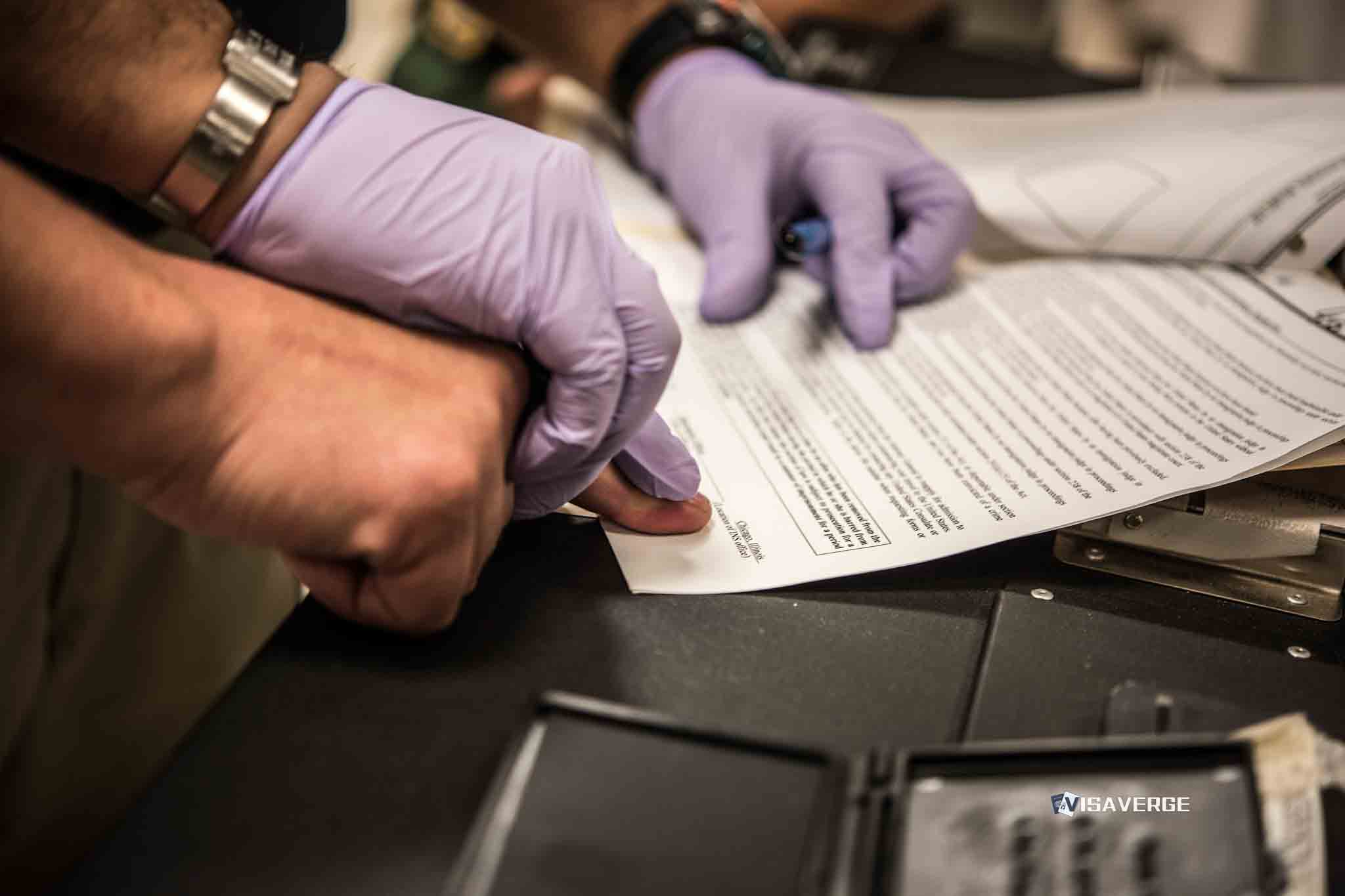
USCIS interviews usually come after you file an adjustment of status package for a Green Card using Form I-485. You may also be scheduled for biometrics, where officials take fingerprints and a photo. The source material stresses that these routine steps can become stressful if you have an overstay or an unresolved status issue, because USCIS may share information with ICE.
| India | China | ROW | |
|---|---|---|---|
| EB-1 | Apr 01, 2023 ▲31d | Apr 01, 2023 ▲31d | Current |
| EB-2 | Jul 15, 2014 ▲303d | Sep 01, 2021 | Current |
| EB-3 | Nov 15, 2013 | Jun 15, 2021 ▲45d | Jun 01, 2024 ▲244d |
| F-1 | May 01, 2017 ▲174d | May 01, 2017 ▲174d | May 01, 2017 ▲174d |
| F-2A | Feb 01, 2024 | Feb 01, 2024 | Feb 01, 2024 |
In April 2025, an IRS–ICE data-sharing memorandum of understanding raised fresh fear among people who filed taxes while out of status or while doing unauthorized work. Immigration lawyer Jath Shao has pointed to cases where side income shown on tax filings became part of enforcement questions, including for H-1B workers.
Note the court action mentioned in the source: a federal court blocked that sharing on November 21, 2025, in Center for Taxpayer Rights et al. v. Internal Revenue Service et al., after finding the program likely unlawful. That ruling may change again, so treat it as a snapshot, not a promise.
Practical pre-appointment checklist
- Ask your lawyer to run through your timeline: entries, exits, visa stamps, and I-94 dates.
- Discuss whether your counsel should attend and how to answer yes/no questions without guessing.
- For official guidance on getting a Green Card, see USCIS’s Green Card page.
- Plan travel to the field office — arrive early for security checks and keep your phone off unless told otherwise.
- If you bring an interpreter, confirm USCIS rules in advance.
Green Card petitions and Form I-130
Many family cases start with Form I-130, the Petition for Alien Relative. An approved I-130 can feel like the hard part is over, but the source material is blunt: I-130 approval does not automatically protect an applicant from enforcement action. If you have an overstay or other status problem, you still need a safe plan for the next step: either adjustment of status with USCIS or consular processing from India.
If you qualify as an “immediate relative” of a U.S. citizen (spouse, unmarried child under 21, or parent of an adult citizen), the law may forgive some unlawful presence in certain situations. Confirm whether you qualify for this forgiveness before you show up for a Green Card interview.
A common tool for those who must leave the U.S. is the provisional unlawful presence waiver, Form I-601A: https://www.uscis.gov/i-601a. It can reduce family separation time, but it is not for everyone.
Document and testimony preparation
- Treat your file like a timeline project: list every entry and exit, every address, every job, and every prior visa.
- Fix missing items before you testify under oath.
- Bring your U.S. citizen petitioner and proof of a real relationship: shared bills, photos, chats, and tax records.
- If you used a marriage name or had a divorce, carry certified papers so the officer can match records.
Consular visa interviews after 2025
If you will interview at a U.S. consulate in India for an F-1, H-1B, or other visa, plan for more in-person appointments. The source material says broad interview waivers end September 2, 2025, with further limits starting October 1, 2025.
Key changes after September 2, 2025:
– Renewals for H-1B, H-4, L-1, L-2, F-1, F-2, M-1, and J-1 generally must be in person.
– The under-14 and over-79 age exemptions end.
– Expect longer wait times and more travel planning.
B-1/B-2 visitor visa renewals have a narrower waiver path. You may still qualify for a waiver only if all these apply:
– Prior full-validity visa expired within 12 months;
– You were at least 18 when it was issued;
– You apply in your country of nationality or residence;
– You apply in the same visa class; and
– You have no prior refusal.
For many Indian families, the major decision is adjust in the United States versus process at the consulate.
– Consular processing avoids the risk of ICE detention at a USCIS office.
– Leaving the U.S. with >180 days unlawful presence can trigger a 3-year bar.
– Leaving with >365 days unlawful presence can trigger a 10-year bar.
Talk through these thresholds with counsel before booking flights. Bring your passport history and prior U.S. visas, and expect detailed questions about your job, school, and ties to India. Answer clearly and stick to facts. If an officer refuses the visa, ask for the written reason and keep it.
Your rights during government encounters
Even when an interview feels polite, it is still a government setting, and your words can be used later. The source material lists basic rights that matter if USCIS or ICE starts asking tough questions:
- You can remain silent until you speak with a lawyer.
- You can ask, “Am I being detained, or am I free to leave?”
- You can request legal representation.
- You should not sign papers you do not understand.
These rights are most tested when someone has an overstay, a prior removal order, or work that did not match their visa. The material also flags reports of ICE interest in Indian nationals in places like San Francisco, so don’t assume you are “too ordinary” to be questioned.
If an officer asks you to sign a form, take a breath and ask:
– What is it?
– Why am I signing?
– Can I review it with counsel?
A rushed signature can lead to voluntary departure, a waiver you did not mean to give, or statements you cannot retract.
Practical habits:
– Carry your lawyer’s phone number on paper as well as on your phone.
– If you have a pending case, carry your receipt notices and ID.
– If you do not have a lawyer yet, write down one nonprofit option and one private firm you can call from the lobby.
– If taken to another room, stay calm, repeat that you want a lawyer, and stop talking.
Key takeaway: Protect your words and documents. Ask for counsel and do not sign or make admissions without understanding consequences.
Documents, lawyers, and next steps
Go into any interview with a single folder you can hand to a spouse or friend if you are separated. The source material’s document list is a good baseline:
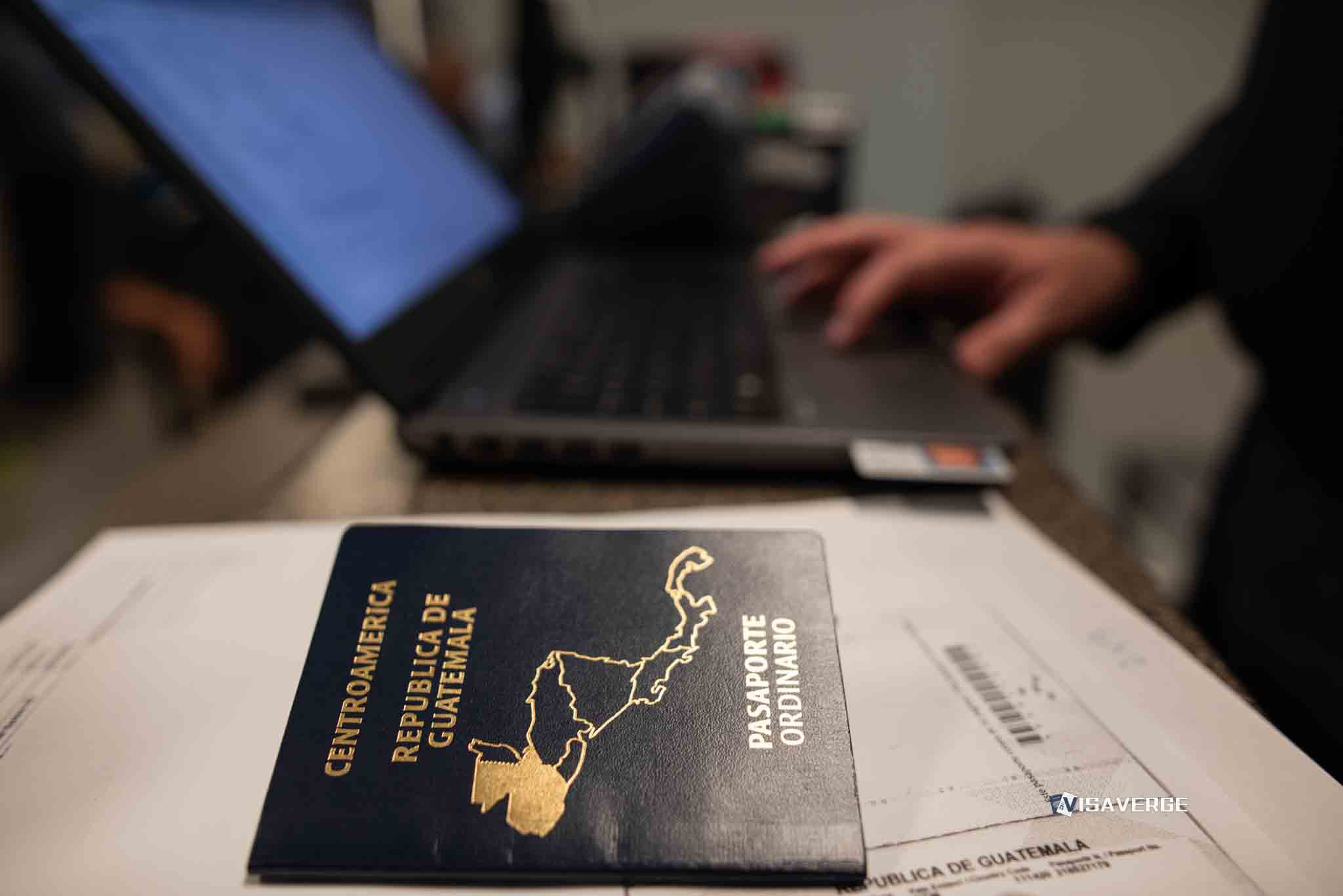
- Passport (current and expired)
- I-94 record (print it from CBP’s I-94 site)
- Approval notices such as I-130, I-140, or I-797
- Recent tax returns and job letters
- Proof of lawful entry
- Your attorney’s contact details
Timeframes are hard to predict. In practice:
– You may wait weeks or months for an interview notice.
– You might get a decision the same day or later by mail.
What you can control is readiness:
1. Keep copies of everything.
2. Answer only what is asked.
3. Correct errors in writing if you spot them.
If you need help, the source material names several U.S.-based firms often used by Indian nationals:
– Murthy Law Firm
– Fragomen
– Kuck Baxter Immigration
– Chugh LLP
It also points to low-cost support through Catholic Charities Immigration Services, Asian Americans Advancing Justice, and South Asian Bar Association referrals. This list is not an endorsement — confirm services and fees before engaging.
Finally, if you are unsure whether to attend an interview because of an overstay, don’t guess. Book a legal consult first, then go in with a plan that matches your facts.
When USCIS officers review your case, they may ask for more evidence after the interview. Respond by the deadline on the request letter, and keep delivery proof for your records.
Applicants should confirm their exact immigration status before USCIS or consular interviews. Overstays, expired I-94s, or unauthorized work can prompt enforcement if information is shared with ICE. File extensions timely and carry proof, maintain full documentation, and consult an immigration attorney for gaps or potential unlawful presence. Consular processing may reduce detention risk but can trigger re-entry bars if unlawful presence exceeds thresholds. Prepare timelines, approval notices, and lawyer contact information before appointments.