(UNITED STATES) The federal agency that handles immigration benefits ended broad temporary work permit protections and will not issue automatic extensions for Employment Authorization Documents delayed during the recent shutdown. Effective October 30, 2025, USCIS confirmed that its COVID-era measure allowing up to 540 days of automatic extensions for timely EAD renewal filings has ended.
From that date forward, workers who file an EAD renewal on or after October 30, 2025 receive no automatic extension, and work authorization stops the day the current card expires unless the new application is approved. That shift, tied to the agency’s updated EAD policy, affects thousands of employees and their employers across sectors that rely on steady work authorization to keep teams in place.
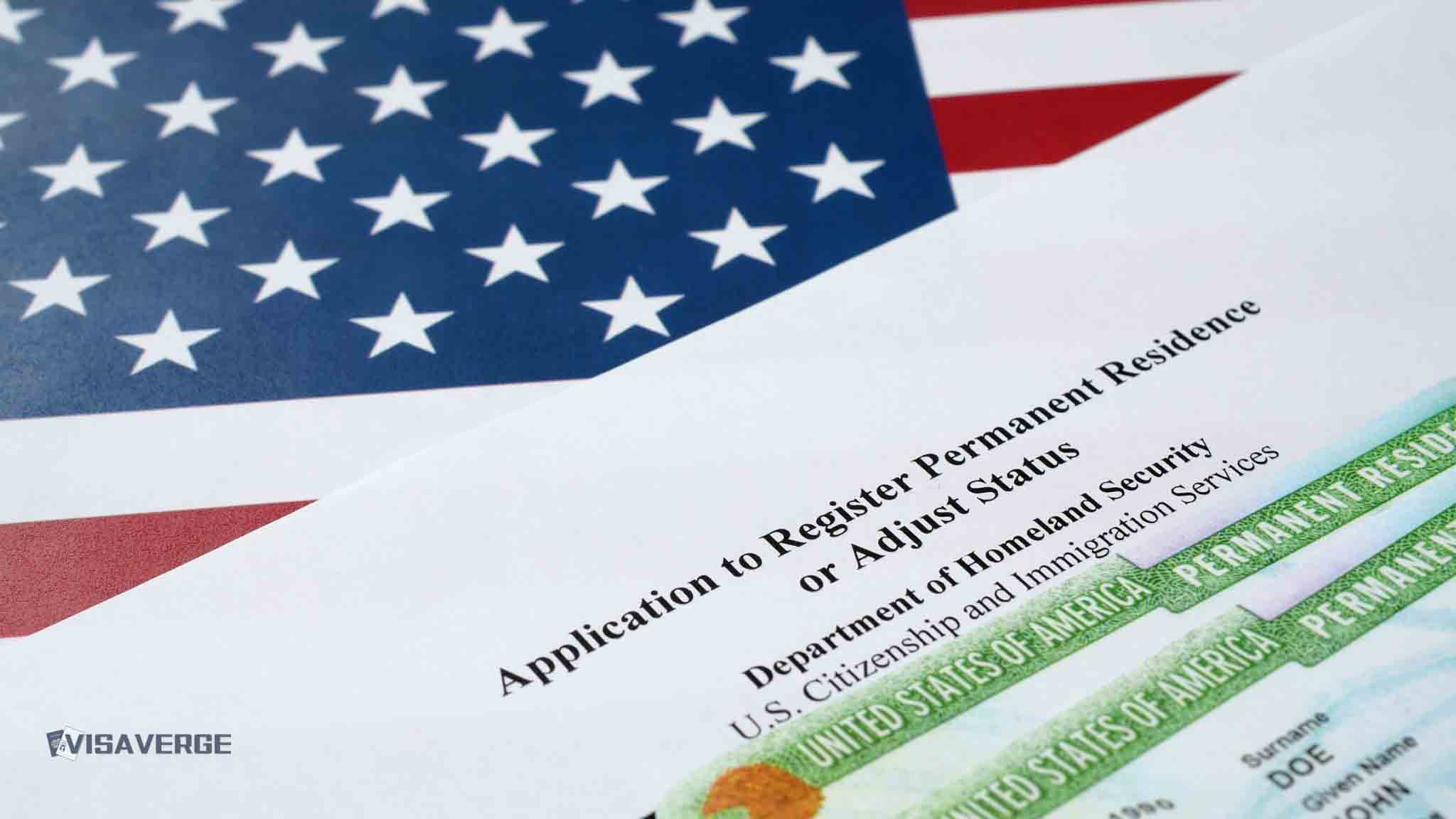
Why USCIS changed the rule
USCIS says the change is meant to:
- Close a “security gap” and reduce overall filings.
- Encourage earlier filings to help the agency meet a long-standing goal of processing EADs within 90 days.
- Discourage interim filings that may slow processing.
However, processing times remain lengthy in many categories, leaving workers worried about gaps and employers bracing for staffing disruptions.
Important: For EAD renewals filed before October 30, 2025, the old automatic extensions still apply; those workers retain the extra time previously granted. Filings on or after that date do not get an automatic extension.
Shutdown-related delays and USCIS stance
Questions about shutdown-related relief surged as federal services slowed and applicants struggled to assemble paperwork.
- USCIS has acknowledged that shutdown delays can affect filing or documentation.
- In some visa petitions, it may treat shutdown issues as “extraordinary circumstances” for late filing decisions.
- The agency has not announced any special EAD relief tied to shutdown delays.
- Officials have stated there are no automatic extensions for EADs because of the shutdown under the current policy.
In short: even if a worker could not file or a case stalled during the shutdown, the EAD policy does not grant extra time to work unless the person falls under a separate rule that still allows extensions.
Narrow exceptions and who is affected
There are limited carve-outs where automatic extensions may continue:
- Categories that may still receive extensions:
- Temporary Protected Status (TPS) holders
- Asylees
- Refugees
- Categories generally not covered by the carve-outs:
- Many adjustment of status applicants
- Many spouses of nonimmigrant workers
- Certain students on training programs
This uneven map has caused confusion in HR departments and among workers who previously relied on the 540-day extension. USCIS urges applicants and employers to check category codes carefully to verify whether any special rules apply.
Employer responsibilities and compliance risks
The policy change shifts more responsibility onto employers:
- Employers must now monitor EAD expiration dates closely and stop work when authorization ends.
- Receipt notices for timely-filed renewals no longer serve as proof that a worker can keep working beyond the card’s expiration for filings on or after October 30, 2025.
- Companies face tighter reverification timelines and may need contingency plans to cover critical roles.
Practical employer actions include:
- Accelerating internal reminders well before the 180-day filing window opens.
- Adding alerts for upcoming expirations in onboarding/scheduling systems.
- Meeting with counsel to avoid I-9 compliance mistakes.
- Keeping detailed records of each EAD holder’s:
- Category code
- Renewal filing date
- Delivery confirmations and notices
Lawyers warn that allowing employees to keep working after expiration based on old assumptions could lead to penalties.
Risks and impacts for workers
For workers, ending broad automatic extensions increases the risk of employment interruptions—even when renewal paperwork was submitted early.
- USCIS permits filing for EAD renewal up to 180 days before current expiration; filing early is the best way to reduce gap risk.
- Under the new policy, approval is required before a person can keep working once the old card expires.
- Industries likely to be hit hardest include health care and food processing, where many employees hold EADs and shifts are hard to fill on short notice.
Advocates warn that inconsistent processing times combined with a hard stop at expiration will likely cause more short-term job losses. A two- or three-week delay under the new regime can translate directly into unpaid leave, lost health coverage, and halted paychecks.
Employer adjustments and real-world examples
Employers are recalibrating operations:
- Updating onboarding and scheduling systems with expiration alerts.
- Offering company-paid filing support.
- Planning temporary coverage for critical roles.
- Exploring alternative visa/status options (with caution — these can be complex).
A Midwest labor advocate recounted a plant that had to split shifts and bring in managers when a dozen employees reached expiration simultaneously and were awaiting approvals. “We used to rely on the automatic extension as a safety net,” the advocate said. “Now, there’s no cushion if a card times out.”
Resources, forms, and official guidance
To request or renew employment authorization, applicants use Form I-765, Application for Employment Authorization. Follow the official instructions posted by USCIS at:
Form I-765, Application for Employment Authorization
- Those instructions do not include a shutdown-based automatic extension.
- USCIS emphasizes timely, complete filings to help avoid avoidable delays.
What to do now — practical checklist
- Workers:
- File EAD renewals as early as 180 days before expiration.
- Keep copies of delivery confirmations and all USCIS notices.
- Verify whether your EAD category is among the narrow exceptions.
- Employers:
- Update I-9 and reverification procedures to reflect the new rule.
- Add automated alerts for EAD expirations well in advance.
- Document each employee’s EAD category and filing timeline.
- Consult immigration counsel before allowing continued employment past expiration.
Outlook and concluding points
USCIS maintains it will not revisit the change for now; public materials emphasize tightening controls and managing workloads. The COVID-era expansion to 540 days was intended as temporary, and a return to stricter rules was expected — but the October 30 effective date caught some applicants mid-cycle.
The policy’s success depends on whether USCIS can actually reduce processing times toward 90 days. If processing speeds improve, the immediate pain from lost extensions may ease. If not, more workers will face job interruptions, and employers will have to juggle staffing more frequently.
For now:
– The central rule is clear: no automatic extensions for EADs filed on or after October 30, 2025, for most categories.
– Shutdown delays do not change that rule.
– Workers and employers should act early, monitor case status tools, and prepare contingency plans in case approvals do not arrive before cards expire.
Frequently Asked Questions
This Article in a Nutshell
USCIS ended broad automatic EAD extensions on October 30, 2025, eliminating the COVID-era 540-day safety net. Renewals filed on or after that date will not extend work authorization beyond the card’s expiration except for narrow categories such as TPS, asylees, and refugees. Employers must enforce stricter monitoring of expiry dates, update I-9 and reverification practices, and prepare contingency staffing plans. Workers should file renewals up to 180 days early, retain delivery confirmations, and confirm whether their EAD category qualifies for any exception.