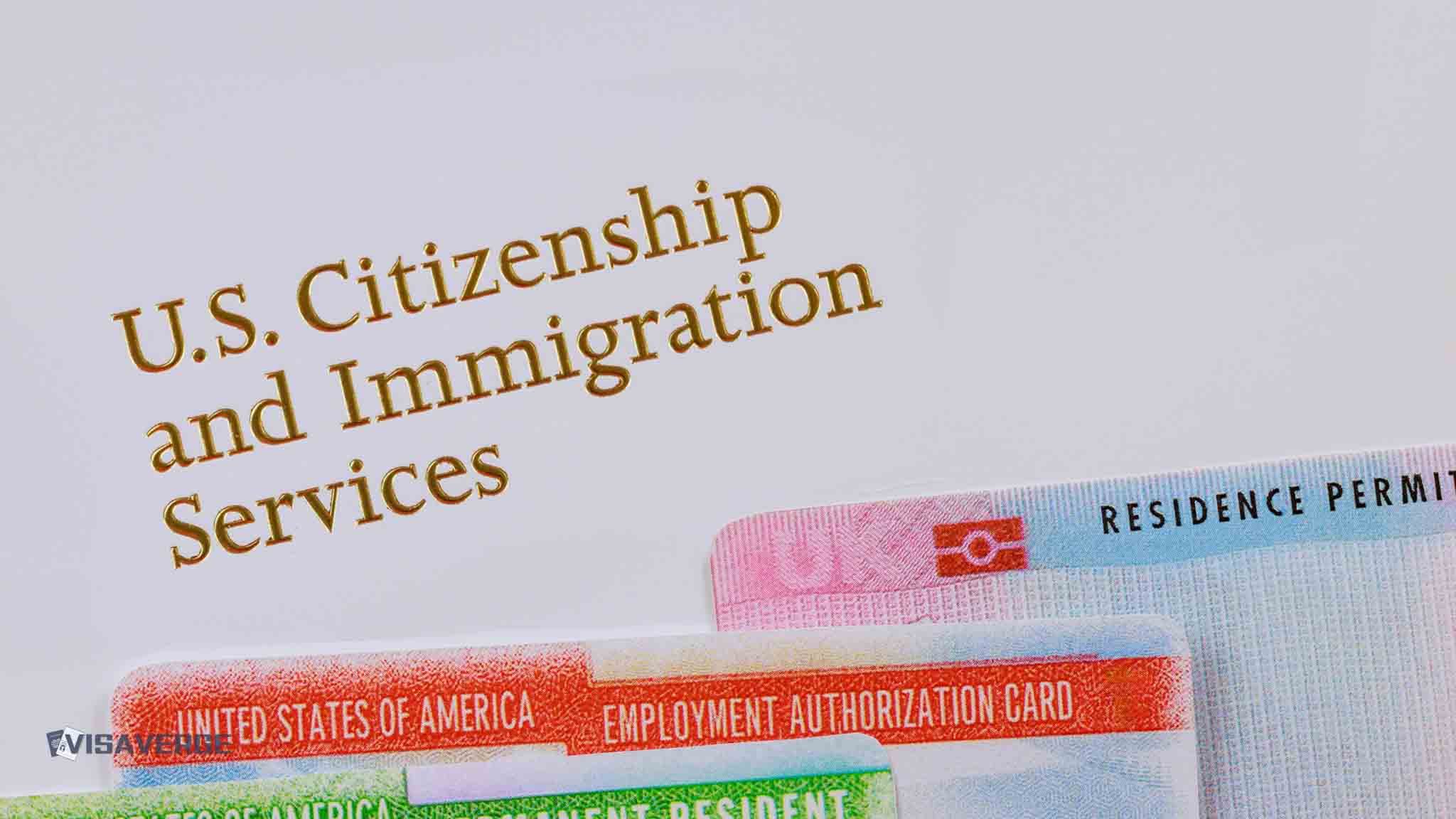
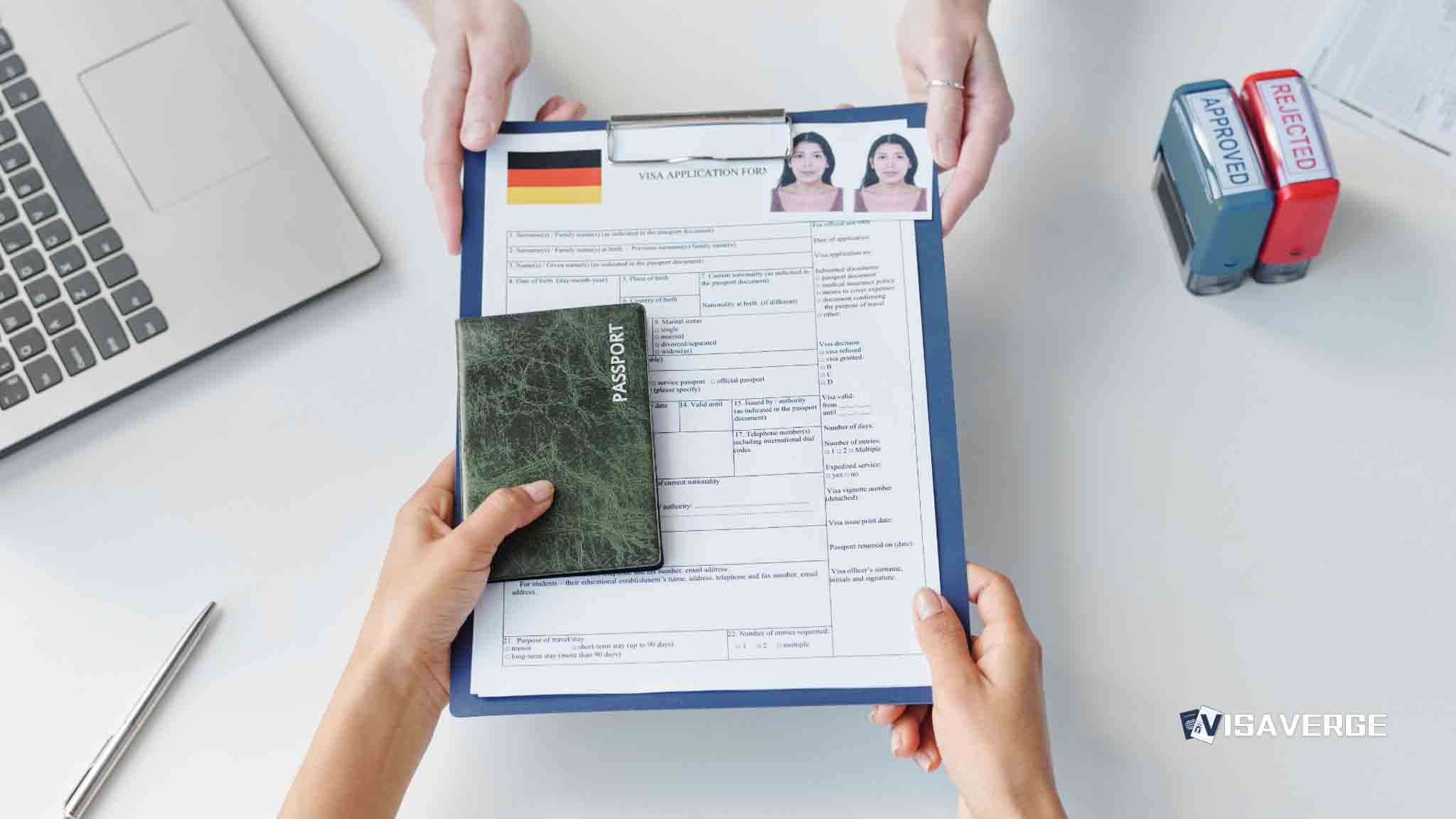
Keeping your documents organized is one of the most important steps you can take when dealing with multiple green card processes and job changes. A well-prepared file can help you avoid delays, missed deadlines, and even denials from USCIS. Below is a complete checklist of documents you should keep, where to get each one, how to format and store them, translation needs, and common issues to watch for. Following these steps will help you stay ready for any request from USCIS or your employer.
Core Documents and Information to Keep Organized
Free toolCSPA Age-Out Calculator Online
Permanent Resident Card (Green Card) and Related Documents
- Current and previous green cards: Keep all versions, including expired or soon-to-expire cards. You’ll need these for identification and when applying for renewal or replacement.
- Form I-90 receipt notices: If you’ve filed to renew or replace your green card, keep the receipt notice from USCIS. You can file Form I-90 online or by mail. The official Form I-90 and instructions are available on the USCIS website.
- USCIS approval notices and Requests for Evidence (RFEs): Save all notices related to your green card application, including any RFEs. These documents prove your status and show the progress of your case.
- Copies of Form I-90 filings: Keep both paper and electronic confirmation if you filed online.
- Evidence of lawful permanent resident status: This includes USCIS correspondence, travel documents, and any other proof of your status.
- Name change or correction documents: If you’ve changed your name, keep copies of court orders or marriage certificates, along with any forms or letters sent to USCIS.
Employment Authorization and Verification Documents
- Form I-9 (Employment Eligibility Verification): Keep copies of every Form I-9 you’ve completed for current and past employers. The latest version, dated 01/20/25, is valid through May 31, 2027. Employers must use the correct version, so check your records.
- List A, B, and C documents: These are the documents you presented for Form I-9, such as your green card, passport, or driver’s license. Keep copies of all versions.
- E-Verify confirmation records: If your employer uses E-Verify, keep any confirmation records or printouts.
Job and Employment Records
- Offer letters, contracts, and job descriptions: Keep these for every job you’ve held. They prove your employment history and job duties.
- Pay stubs, W-2 forms, and tax returns: These documents show your income and continuous employment, which may be needed for green card processes.
- Records of job changes: Document all job changes, including dates and employer information. This is especially important for employment-based green card applications.
- Layoff or job change documentation: If you’ve been laid off or changed job duties, keep any official letters or emails.
Travel and Residency Documentation
- Passports with entry and exit stamps: Keep copies of all your passports, especially pages with U.S. entry and exit stamps.
- Re-entry permits or travel permits: If you’ve received any travel documents from USCIS, keep copies.
- Proof of physical presence and residence: Save lease agreements, utility bills, school records, and other documents that show you’ve lived in the United States ??.
- Extended absence documentation: If you’ve been outside the United States ?? for long periods, keep records explaining the reason and duration.
Correspondence with USCIS and Other Agencies
- All USCIS notices and receipts: This includes biometrics appointment notices, RFEs, interview notices, and approval or denial letters.
- Appeals or motions: If you’ve filed any appeals or motions, keep copies of all documents.
- Address change records: If you’ve moved, keep proof that you updated your address with USCIS using the Enterprise Change of Address (E-COA) tool or your online account.
Legal and Immigration Counsel Communications
- Attorney communications: Save all emails, letters, and notes from your immigration attorney or accredited representative.
- Legal filings and briefs: Keep copies of any legal documents filed on your behalf.
- Consultation notes: Write down the date and summary of each meeting or call with your lawyer.
Where to Obtain Each Document
- Green card and Form I-90 receipts: USCIS will mail these to you after you file. You can also download copies from your USCIS online account.
- Form I-9 and supporting documents: Your employer will have copies, but you should keep your own as well. Ask your HR department if you need a copy.
- Job records: Request offer letters, contracts, and pay stubs from your employer’s HR department. W-2 forms and tax returns can be obtained from your employer or the IRS.
- Travel documents: Passports are issued by your home country’s government. Re-entry permits and travel permits come from USCIS.
- Proof of residence: Collect utility bills, lease agreements, or school records from your landlord, service providers, or school.
- USCIS correspondence: All official notices are sent by mail and may also be available in your USCIS online account.
- Legal documents: Your attorney should provide you with copies of all filings and communications.
Formatting Requirements
- Keep originals and copies: Store original documents in a safe place, such as a locked drawer or safe deposit box. Make clear, legible copies for your records and for sharing with employers or attorneys.
- Digital storage: Scan all documents and save them in a secure, password-protected folder. Use cloud storage with encrypted backups for extra safety.
- Chronological order: Arrange documents by date to make it easy to track your immigration history.
- Label folders clearly: Use separate folders for green card documents, employment records, USCIS correspondence, travel records, and legal communications.
Translation Needs
- Non-English documents: If any of your documents are not in English, you must provide a certified English translation. The translator should include a signed statement certifying that the translation is complete and accurate.
- Keep both original and translated copies: Store both versions together for easy access during USCIS requests.
Common Document Issues and How to Avoid Them
- Missing documents: If you lose a document, request a replacement as soon as possible. For green cards, file Form I-90 to replace your card.
- Outdated Form I-9: Always use the latest version of Form I-9. Employers and employees should check the USCIS I-9 Central for updates.
- Unreported address changes: Failing to update your address with USCIS can result in missed notices. Use the E-COA tool or your online account to report changes right away.
- Untranslated documents: Submitting documents in a language other than English without a certified translation can cause delays or denials.
- Unorganized files: Disorganized or incomplete records can slow down your application or make it hard to respond to RFEs. Keep your files neat and up to date.
Step-by-Step Recommendations for Staying Organized
- Set up a filing system: Use both physical and digital folders, labeled by category and date.
- Back up digital files: Use secure cloud storage and regularly update your backups.
- Track deadlines: Use a calendar or reminder app to note green card renewal dates, USCIS appointments, and employment verification updates.
- Document every job change: Collect all relevant paperwork for each new job or change in duties.
- Log all communications: Write down the date and summary of every call, email, or letter with USCIS or your attorney.
Practical Examples
- If you change jobs, immediately request a new offer letter and update your Form I-9 with your new employer. Keep copies of both.
- When renewing your green card, file Form I-90 online for faster processing and keep the receipt notice in your records.
- If you move, update your address with USCIS within 10 days to avoid missing important mail.
Expert Advice
According to analysis by VisaVerge.com, proactive document management is the best way to prevent delays and problems with green card renewals and job changes. Immigration attorneys stress that expired green cards do not take away your permanent resident status, but you must carry a valid card for work and travel. The recent extension of green card validity during renewal processing gives you more time, but you still need to track your application status closely.
Official Resources
For more information on green card processes, Form I-90, and other USCIS requirements, visit the USCIS official website. This site provides up-to-date forms, instructions, and contact information for further help.
By keeping your documents organized and following these steps, you can handle multiple green card processes and job changes with confidence. This careful approach helps you avoid delays, stay compliant with USCIS, and protect your status in the United States ??.
This Article in a Nutshell