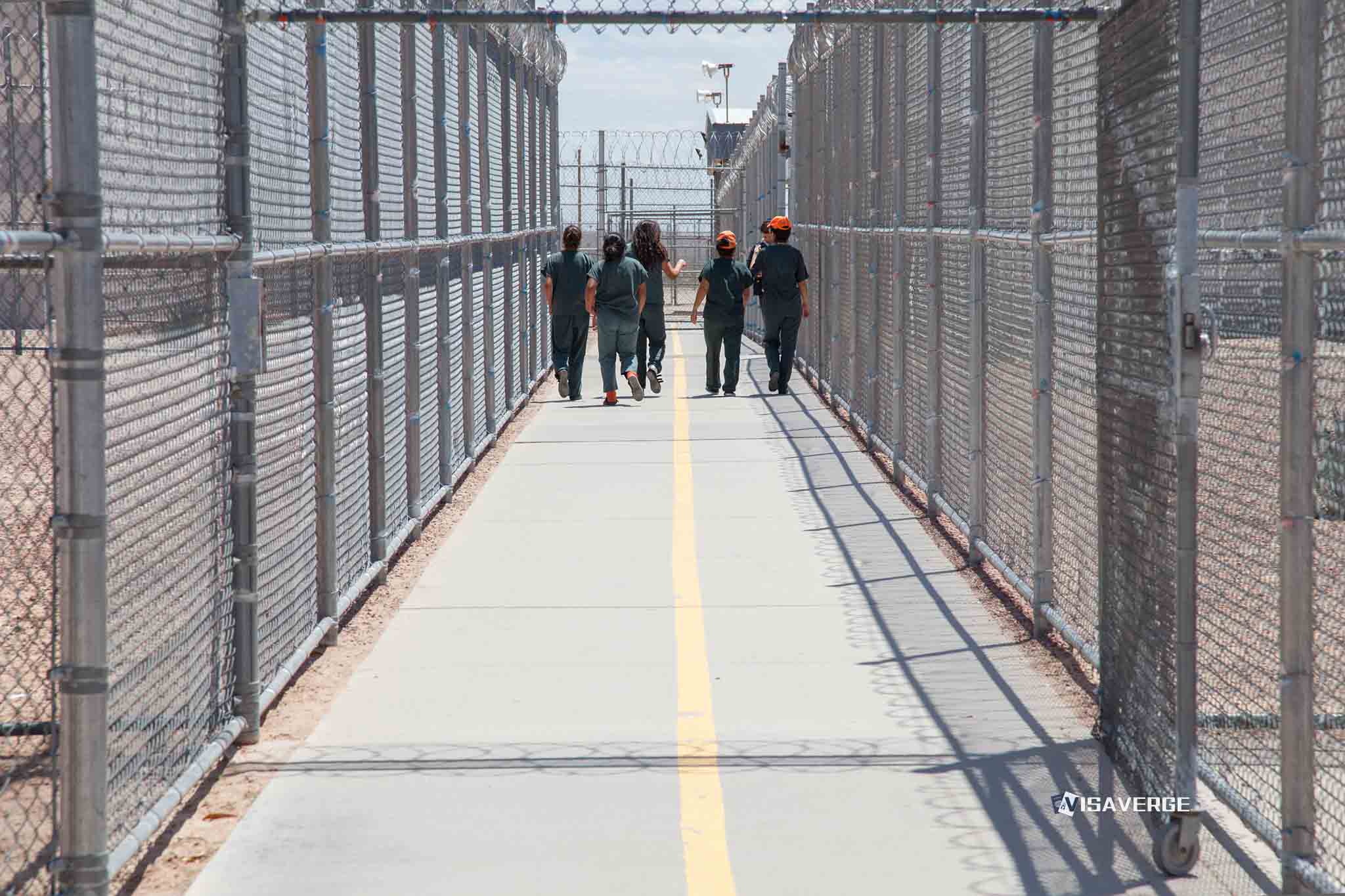
- Applicants must prevent material misrepresentation findings to avoid immediate enforcement consequences and potential removal proceedings.
- Operation PARRIS implements systematic re-review of records to verify integrity in refugee and asylee-related cases.
- A benefits denial can trigger a Notice to Appear, moving immigration cases directly into the court system.
For Green Card applicants and lawful permanent residents (LPRs), the most important defense strategy in today’s climate is twofold: (1) prevent or defeat a “material misrepresentation” finding under INA § 212(a)(6)(C)(i), and (2) when the facts support it, pursue a statutory waiver—most commonly INA § 212(i) (and, in narrower circumstances, INA § 237(a)(1)(H))—to preserve eligibility and reduce the risk of removal proceedings.
This matters because USCIS decisions increasingly carry enforcement consequences. A benefits denial can now more easily pair with a Notice to Appear (NTA), placing the person into immigration court.

The dynamic is showing up in integrity initiatives including Operation PARRIS and in cases where older filings are re-reviewed for material misrepresentation.
Warning: If USCIS alleges fraud or misrepresentation, do not “explain it away” in a rushed response. What you submit can later be used in immigration court.
1) Overview of the enforcement shift and why dates matter
USCIS has traditionally been viewed as a benefits adjudicator. Over 2025–2026, official updates signaled a more “enforcement-adjacent” posture.
In plain terms, “enforcement-adjacent” means USCIS benefit decisions may more frequently lead to integrity screening, post-approval review, and fraud referrals. These outcomes can affect whether an NTA is issued.
Timing matters because multiple policy moves occurred across 2025–2026. The effective dates and the referenced policy memorandum identifiers control which guidance applies.
Readers should track the specific memo identifier and dates shown in the Policy Update Alert tool. This shift also aligns with tightening seen in both employment and family cases.
2) What is Operation PARRIS and what it means in practice
Operation PARRIS stands for Post-Admission Refugee Reverification and Integrity Strengthening. DHS and USCIS have described it as an integrity initiative focused on reverification and systematic re-review of certain past refugee-related records and downstream benefits.
“Systematic re-review” is not just a buzzword. In practice, it may include file pulls for document comparison, interviews scheduled years after an approval, and RFEs or NOIDs.
- Files being pulled for document comparison against older submissions
- Interviews scheduled years after an approval
- Requests for Evidence (RFEs) and Notices of Intent to Deny (NOIDs)
- Database checks against travel, identity, criminal, and prior immigration records
- Referrals to FDNS or, in some cases, to ICE
Who may be impacted? The risk often concentrates in people with refugee or asylum histories, including refugees and asylees who later filed adjustment (I‑485) and applicants whose records include older refugee/asylum narratives.
Operation PARRIS has also been reported as expanding geographically and operationally. Official framing typically emphasizes integrity and fraud prevention, but applicants should prepare thoroughly.
Deadline risk: RFEs and NOIDs have strict response windows. Missing a deadline can convert a fixable record issue into a denial, and sometimes an NTA scenario.
3) How “material misrepresentation” findings arise—and how NTA issuance can follow
An NTA is the charging document that starts removal proceedings in immigration court. See INA § 239(a) and 8 C.F.R. § 239.1. When USCIS issues an NTA, the case shifts to EOIR and stakes change quickly.
Material misrepresentation vs. innocent mistake
“Material misrepresentation” is not every error. The government typically must show three elements: a misrepresentation, willfulness, and materiality.
- A misrepresentation (a false statement or concealment)
- Willfulness (not necessarily evil intent, but a knowing act)
- Materiality (the fact would have had a natural tendency to affect eligibility or prompt further inquiry)
Key authorities include Matter of S- and B-C-, 9 I&N Dec. 436 (BIA 1961; A.G. 1961) and the Supreme Court’s materiality analysis in Kungys v. United States, 485 U.S. 759 (1988).
In real files, USCIS may treat inconsistencies as indicators of willfulness, especially when repeated across forms. Common triggers include different spellings or dates of birth, address gaps, and unlisted prior marriages or children.
Under the NTA guidance highlighted in the Policy Update Alert tool, USCIS may issue NTAs in a wider set of denial outcomes. That can include cases where fraud is not the primary denial ground but removability is identified.
Travel and inspection risk can amplify this exposure.
4) Fraud statistics and metrics to watch—without overreacting
Publicly cited numbers can sound alarming, so readers should parse what is actually being counted. Integrity initiatives tend to review cases already flagged by data matches, creating selection bias.
Key terms to understand include FDNS referral, investigation, confirmed finding, administrative denial, and prosecution. These terms describe different levels of action and consequence.
Headline figures can be misleading because definitions vary by reporting period. Denaturalization reporting is also important for long-term LPRs considering citizenship; denaturalization is generally filed in federal court under INA § 340.
Readers should monitor USCIS press releases, DHS OIG reports, FDNS announcements, and court filings. Public attention to fraud themes can correlate with more requests for documentation and interviews.
The Source Attribution Box tool lists the exact statistics and quotas being cited. Treat those numbers as trend indicators, not as a prediction for any one case.
5) Practical implications for individuals: re-vetting triggers and the “naturalization trap”
New filings often trigger review of old records. This includes applications such as N‑400, I‑90, I‑131, I‑751, and I‑485, especially after any status complication.
The so-called “naturalization trap” is not a reason to avoid filing N‑400 for those who should naturalize. Rather, naturalization adjudication usually requires a full-record review that may surface inconsistencies never questioned at the Green Card stage.
Retroactive review can include requests for prior applications and supporting documents, interview questions about intent and residence, affidavits, and scrutiny of identity history, including name usage and translations.
Fact patterns that often become issues include prior removals, entries without inspection, old arrests, prior asylum narratives, and marital timelines.
6) Risk points and what a defense strategy looks like (before and after contact)
Travel and inspection risk
Green Card holders can be sent to secondary inspection. Officers may ask about old filings, travel, and prior names, and device searches can occur at the border under CBP authority.
If prior statements conflict with current admissions, the government may frame the issue as willful misrepresentation.
Discrepancies that are commonly reframed as misrepresentation
- “Single” on an older form despite a customary marriage
- “No arrests” despite a decades-old citation or sealed case
- Omitting a prior address used for only a few months
- Inconsistent dates tied to employment or school history
An innocent error is not automatically misrepresentation, but repeated inconsistencies can be used to argue knowledge and materiality.
What to do if contacted by USCIS or ICE
- Stop guessing. Do not improvise timelines.
- Get counsel quickly. Misrepresentation cases are technical and high-stakes.
- Collect the full record. FOIA requests may be vital.
- Answer precisely and on time. Late submissions can collapse defenses.
USCIS warnings highlighted in the USCIS Warning Box tool should be taken seriously. Treat every integrity inquiry as potentially case-dispositive.
Warning: If an NTA is issued, you may need an immigration court defense immediately. Deadlines for motions, pleadings, and relief applications can move fast once EOIR has jurisdiction.
7) Official sources and how to verify information
To validate policy claims, start with primary sources. Check official USCIS and EOIR pages and confirm memo titles, numbers, and issuance dates to see whether a memo was superseded.
- USCIS Newsroom: https://www.uscis.gov/newsroom
- USCIS Policy Manual: https://www.uscis.gov/policy-manual
- EOIR (immigration court): https://www.justice.gov/eoir
How to verify a memo: confirm the title/number, issuance date, and whether it was superseded. Also check whether it applies to your benefit type and case posture.
Avoid scams and be skeptical of “guaranteed fixes,” paid “expedite” promises tied to enforcement issues, and non-attorney services claiming they can “remove fraud flags.”
When to consult an attorney is not subtle: any fraud allegation, any NTA, complex entry history, or inconsistent prior filings warrants experienced immigration counsel.
Evidence checklist and eligibility basics for the main defenses
A) Defending against the misrepresentation charge
- Copies of every prior filing (I‑589, I‑485, I‑130, I‑751, DS‑260, etc.)
- Certified dispositions for arrests or citations
- Proof of translations and name variations
- Affidavits explaining inconsistencies with dates and supporting records
- Proof the fact was not material to eligibility, or would not have changed the outcome
B) If needed, seeking a waiver
INA § 212(i) may waive INA § 212(a)(6)(C)(i) for certain applicants who can show extreme hardship to a qualifying relative (typically a U.S. citizen or LPR spouse or parent). Eligibility depends on posture and facts.
INA § 237(a)(1)(H) is narrower and may forgive certain fraud at admission or adjustment for some LPRs with qualifying family ties. It does not cover every scenario.
Other relief can include cancellation of removal for LPRs under INA § 240A(a), or for non-LPRs under INA § 240A(b), depending on history and equities. Criminal issues can create bars.
Outcome expectations are case-specific. A well-documented explanation can sometimes resolve discrepancies at USCIS, while a misrepresentation finding can lead to denial and court proceedings. Representation strongly affects presentation, issue-spotting, and strategy.
This article provides general information about immigration law and is not legal advice. Immigration cases are highly fact-specific, and laws vary by jurisdiction. Consult a qualified immigration attorney for advice about your specific situation.
Resources: