Navigating I-140 Petition Delays due to Labor Union Disputes
Dealing with immigration processes can be daunting, especially when unexpected issues such as a labor union dispute at your workplace arise. This kind of dispute can cause delays in your I-140 petition, a crucial step for many employment-based green card applicants. If you find yourself in such a situation, there are practical steps you can take to mitigate the delays and keep your immigration journey on track.
Understanding the I-140 Petition Process
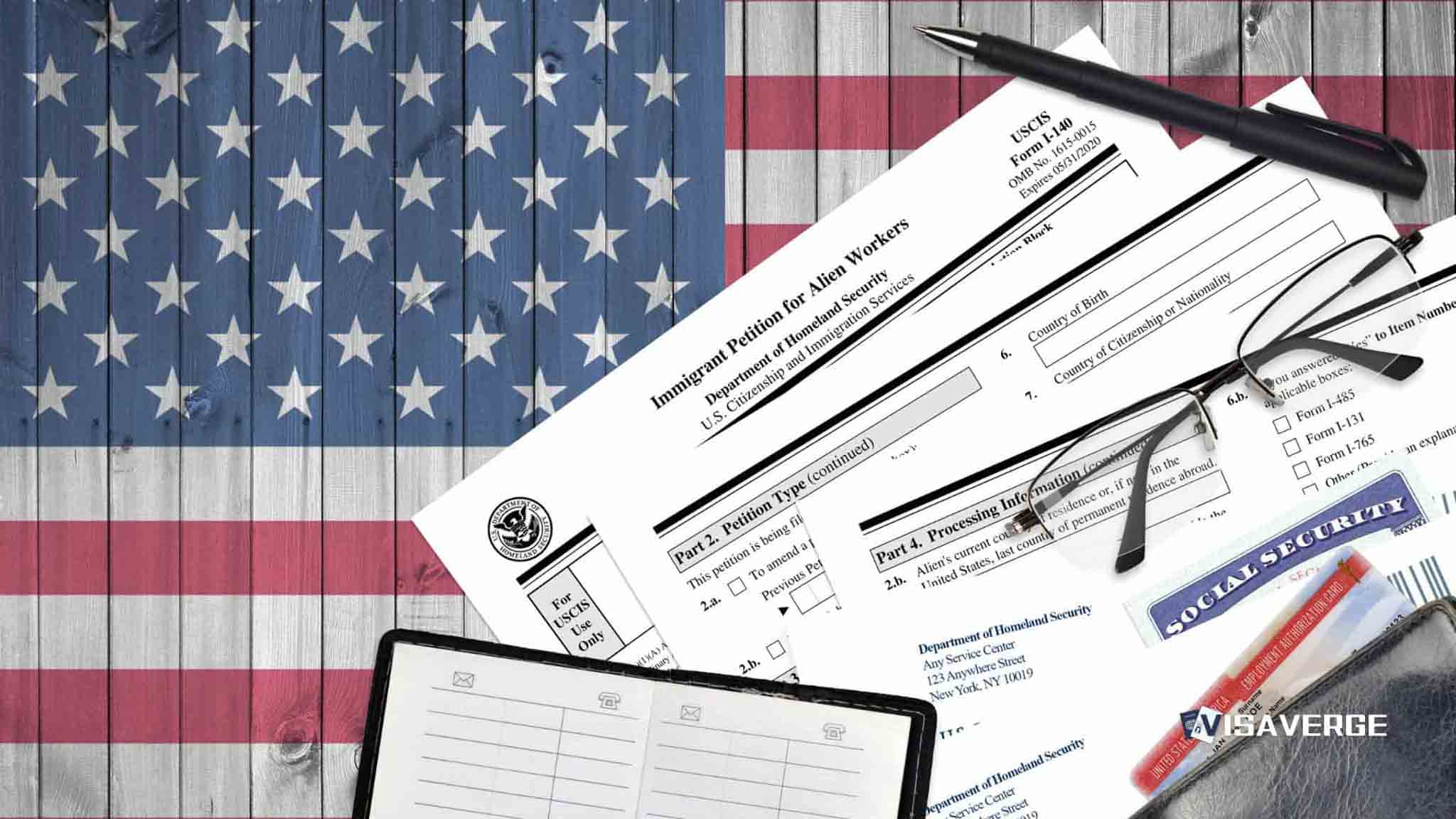
The I-140, Immigrant Petition for Alien Worker, is a document filed by U.S. employers who wish to sponsor a foreign national for a green card. Delays in this process can be frustrating, as they may set back the timeline for obtaining permanent residence in the United States.
Free toolCSPA Age-Out Calculator OnlineAddressing an I-140 Petition Delay
If you suspect that a labor union dispute at your workplace is causing a delay in your I-140 petition, consider the following actions:
- Communicate with Your Employer: Engage in open communication with your employer. They are ultimately responsible for filing the I-140, so it’s crucial to understand their perspective on the dispute and how they plan to address it.

| India | China | ROW | |
|---|---|---|---|
| EB-1 | Feb 01, 2023 ▲109d | Jul 01, 2023 | Current |
| EB-2 | Nov 01, 2013 | Oct 01, 2021 ▲30d | Jan 01, 2025 |
| EB-3 | Jan 01, 2014 | Jan 08, 2022 ▲7d | May 15, 2024 ▼109d |
| F-1 | Jan 22, 2020 | Jan 22, 2020 | Jan 22, 2020 |
| F-2A | Sep 22, 2026 ▲31d | Sep 22, 2026 ▲31d | Sep 22, 2026 ▲31d |
- Consult Your Lawyer: Reach out to your immigration lawyer for advice. They can provide legal insights into how the labor dispute might affect your petition and what legal actions can be taken.
- Gather Documentation: Document any communication or steps taken by your employer regarding the labor dispute. This information may be useful in proving that the delay is out of your control.
-
Explore USCIS Resources: The U.S. Citizenship and Immigration Services (USCIS) offers various resources for petitioners experiencing delays. You might be able to request expedited processing under certain circumstances.
-
Stay Informed about the Dispute: Keep yourself updated on the status of the labor union dispute. The resolution of the dispute could positively affect the progress of your petition.
When to Take Additional Action
In some instances, you might need to consider additional steps if the I-140 petition delay continues:
- Requesting USCIS Assistance: If your petition is beyond the normal processing times, you can contact USCIS to inquire about the delay. Be prepared to provide your receipt number and personal details.
- Consequences of Extended Delays: Understand the implications of a prolonged delay, such as affecting your current visa status, and discuss with your lawyer any preemptive measures you can take.
Dealing with Workplace Issues Impacting Immigration Petitions
Immigration petition workplace issues can extend beyond labor union disputes. It is essential to maintain a comprehensive record of all workplace-related incidents that might impact your immigration status. This record can show your proactive management of the situation should you need to explain the circumstances to immigration authorities.
Final Thoughts
I-140 petition delays, especially when caused by factors like a labor union dispute, require patience and strategic action. Keep close communication with your employer and legal counsel, and stay informed about the progress of your petition and any workplace disputes. Your proactiveness and diligence are key in navigating through these complex situations and maintaining your path toward U.S. residency.
For further information and assistance, the USCIS Contact Center is a valuable point of contact, which you can reach at USCIS Contact Center. Remember that while delays are frustrating, there are pathways and resources available to help you through the process.
So there you have it, my friend! Navigating the twists and turns of an I-140 petition delay due to a labor union dispute can be tricky, but with some clever strategies, you’ll be back on track to your green card dream. Remember to stay informed, communicate with your employer, and consult your lawyer for guidance along the way. If you want more juicy tidbits on immigration matters, head on over to visaverge.com, where you’ll find a treasure trove of information to help you conquer the immigration maze with a smile. Happy exploring!
FAQ’s to know:
FAQ 1: What is an I-140 petition, and why is it important for employment-based green card applicants?
The I-140 petition, or the Immigrant Petition for Alien Worker, is a document filed by U.S. employers who want to sponsor a foreign national for a green card. It is a crucial step for employment-based green card applicants as it demonstrates the employer’s intent to offer permanent employment to the foreign worker. The approval of an I-140 petition is necessary to begin the process of obtaining permanent residence (green card) in the United States.
FAQ 2: How can I address delays in my I-140 petition caused by a labor union dispute?
If you suspect that a labor union dispute at your workplace is causing a delay in your I-140 petition, you can take the following actions:
- Communicate with Your Employer: Engage in open communication with your employer to understand their perspective on the dispute and how they plan to address it.
- Consult Your Lawyer: Seek advice from your immigration lawyer to understand how the labor union dispute might affect your petition and what legal actions can be taken.
- Gather Documentation: Document any communication or steps taken by your employer regarding the labor dispute, as this information may help demonstrate that the delay is beyond your control.
- Explore USCIS Resources: Visit the U.S. Citizenship and Immigration Services (USCIS) website for resources that might allow you to request expedited processing under certain circumstances.
- Stay Informed about the Dispute: Stay updated on the status of the labor union dispute, as its resolution could positively impact the progress of your petition.
FAQ 3: What should I do if the delay in my I-140 petition persists?
If the delay in your I-140 petition caused by a labor union dispute continues, you may need to consider additional steps:
- Requesting USCIS Assistance: If your petition surpasses the normal processing times, you can contact USCIS to inquire about the delay, providing your receipt number and personal details.
- Consequences of Extended Delays: Understand the potential implications of a prolonged delay, such as the impact on your current visa status, and consult your lawyer for preemptive measures you can take.
By taking proactive measures and staying informed, you can navigate through the complexities of I-140 petition delays caused by labor union disputes and work towards achieving your U.S. residency goals.
What did you learn? Answer below to know:
-
What is the purpose of an I-140 petition in the immigration process for employment-based green cards?
a) To sponsor a foreign national for a green card
b) To address labor union disputes
c) To request expedited processing from USCIS
d) To communicate with the employer -
What should individuals do if they suspect a labor union dispute is causing a delay in their I-140 petition?
a) Consult their lawyer and gather documentation
b) Request assistance from USCIS
c) Communicate with their employer and stay informed about the dispute
d) Maintain a comprehensive record of workplace incidents -
When should individuals consider taking additional action if their I-140 petition delay continues?
a) When it affects their current visa status
b) When they want to preemptively explain the circumstances to immigration authorities
c) When the delay exceeds the normal processing times
d) When they need to contact the USCIS Contact Center for assistance