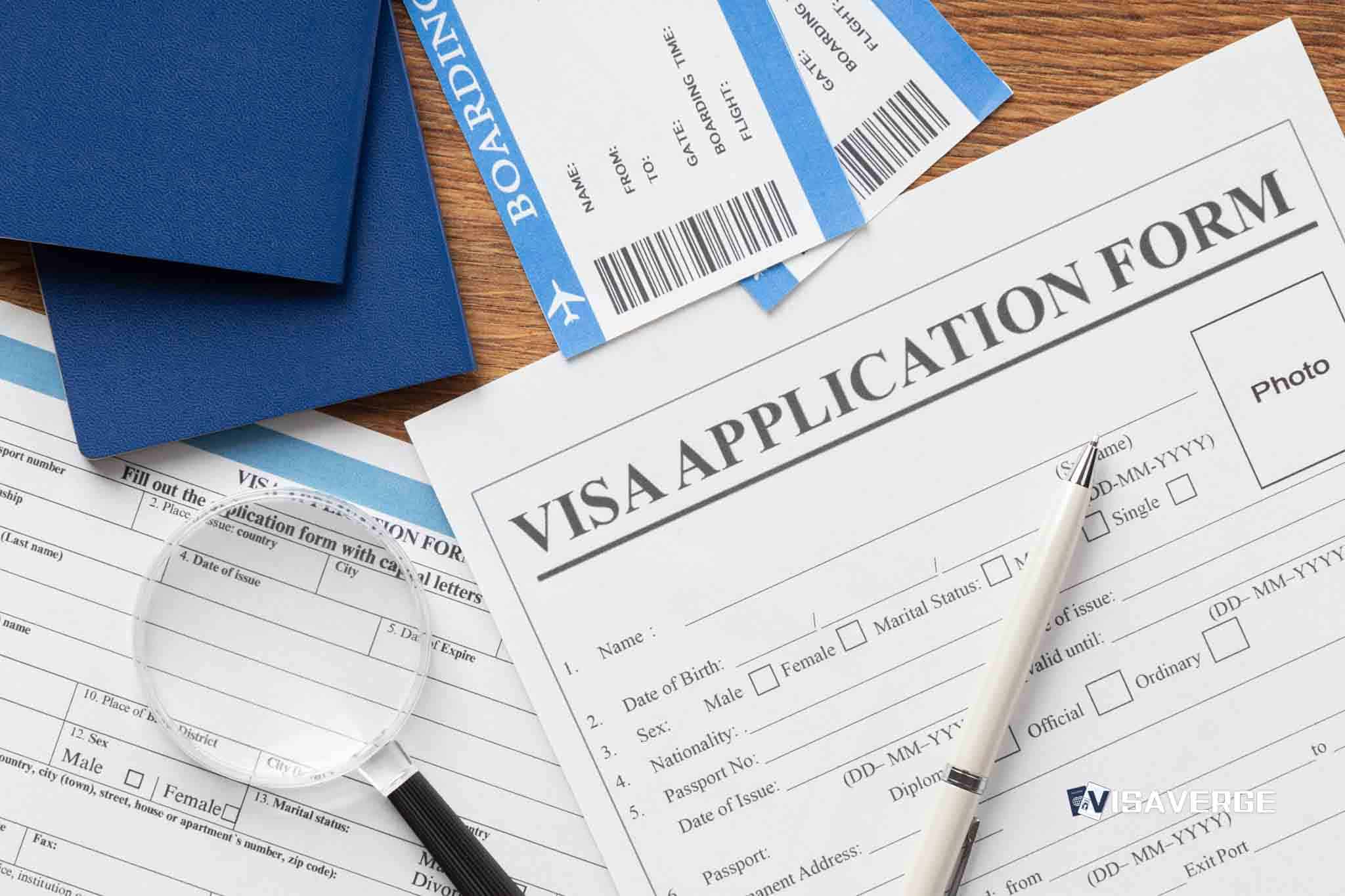
Understanding the PERM Process and Career Changes
The Program Electronic Review Management (PERM) process is a critical step for many individuals seeking permanent work authorization in the United States. Undergoing this process can be complex, and it necessitates a thoughtful approach by both the employee and employer, especially if there’s a significant career change involved.
How Career Changes Affect the PERM Process
When an employee decides to embark on a new career path or specialize in a different area, it’s not just a personal decision; it can have implications for their immigration status. The PERM process is tied specifically to the job description and requirements set forth by the employer at the beginning of the application. Therefore, any shift in the employee’s role or specialization requires careful handling.
Employer Adaptation Strategies
For employers navigating these waters, adaptation is key. Here’s what you need to know about adjusting to an employee’s career change during the PERM process:
Review the Job Description
Employers must ensure that the job description and duties align with the new role the employee intends to fill. Beyond the title, focus on the responsibilities and qualifications. These will be under scrutiny when assessing the PERM application.
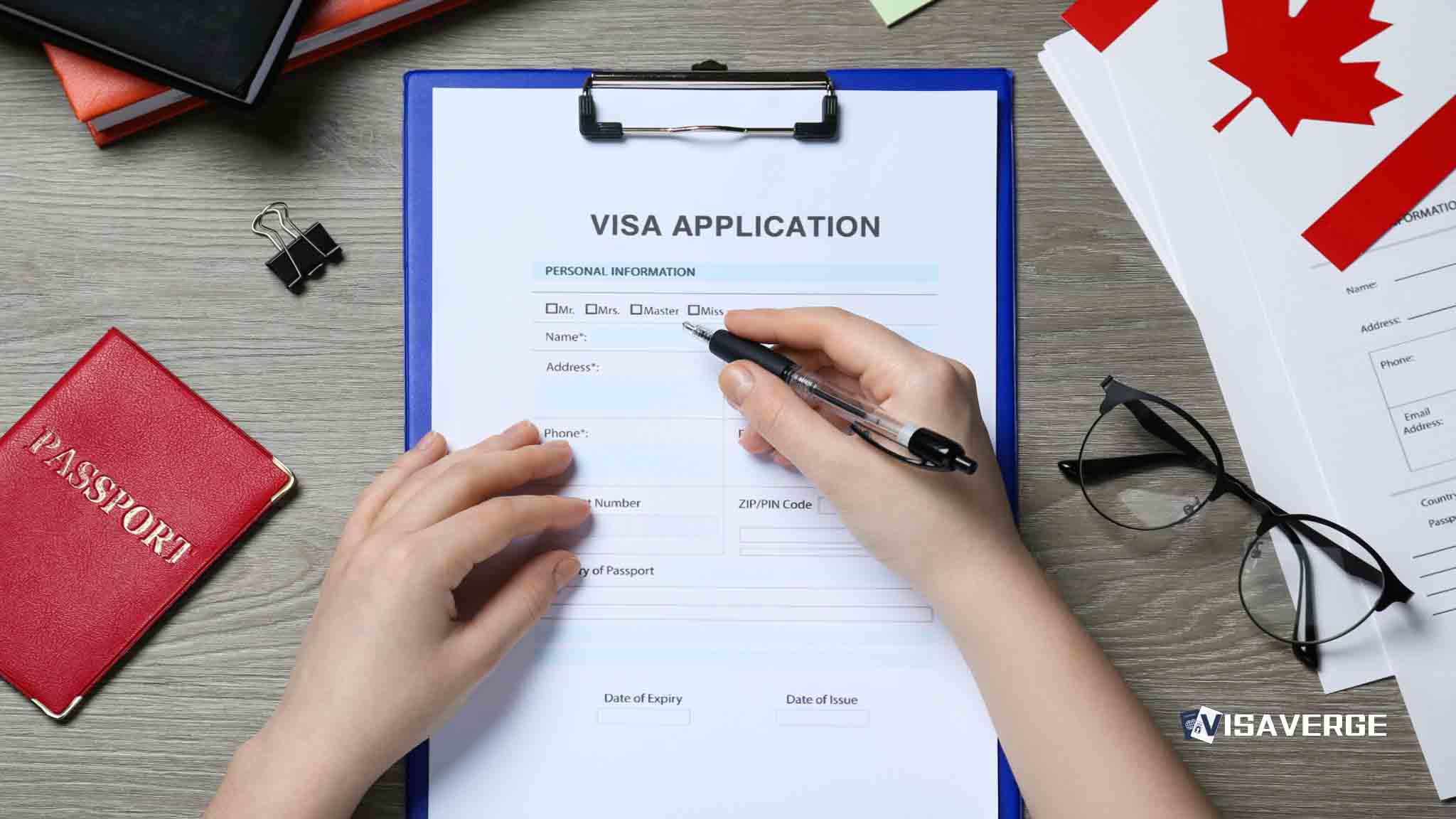
Reassess Labor Certification Necessities
If a career change involves moving to a significantly different position, it might be necessary to initiate a new PERM application. This is because the labor certification is role-specific. Employers should consult with an immigration attorney to evaluate the situation.
Update the Prevailing Wage Determination
One of the first steps in the PERM process involves obtaining a prevailing wage determination from the Department of Labor. If there’s a career change, it’s likely that the prevailing wage will differ. Employers need to account for this change and may need to reapply for a new wage determination.
Communicate with Key Stakeholders
Clear communication with the affected employees is crucial. They need to be aware of the potential impacts of their career change on their immigration status and the steps being taken to address it.
Maintain Compliance with PERM Advertising Requirements
If starting a new PERM process is necessary, the employer must go through the required recruitment and advertising steps again. This ensures no qualified U.S. worker is available for the new position.
External Resources for Assistance
For further guidance, employers and employees can refer to resources like the U.S. Department of Labor’s PERM webpage and the U.S. Citizenship and Immigration Services (USCIS) website. It’s always recommended to seek professional legal advice for personalized and up-to-date information.
Conclusion
A career change during the PERM process necessitates a thoughtful approach. Employers need to reconsider job descriptions, wage determinations, and potentially the entire PERM application to remain in compliance with U.S. immigration law and protect the status of their employees. Though this may sound daunting, with careful planning and employer adaptation, an employee’s career development and compliance with immigration requirements can successfully go hand in hand.
So there you have it, folks! Navigating a career change during the PERM process might seem like a wild ride, but fear not! By reviewing job descriptions, reassessing labor certifications, updating wage determinations, and communicating with key stakeholders, you can keep both the career and immigration status of your employees on track. And hey, if you’re hungry for more visa wisdom (and who isn’t?), head over to visaverge.com for your daily dose of immigration enlightenment! Happy exploring!
FAQ’s to know:
FAQ 1: How does a career change affect the PERM process?
Answer: A career change during the PERM process can have implications for an individual’s immigration status. The PERM process is specific to the job description and requirements set by the employer. Any shift in roles or specialization requires careful handling as it may necessitate adjustments to the job description, wage determination, and potentially even a new PERM application. It’s important to consult with an immigration attorney to evaluate the situation and ensure compliance with immigration requirements.
FAQ 2: What should employers do when an employee undergoes a career change during the PERM process?
Answer: Employers navigating a career change during the PERM process should take certain steps to adapt. First, they should review the job description and ensure it aligns with the new role the employee intends to fill. If the career change involves a significantly different position, it may be necessary to initiate a new PERM application and reassess labor certification necessities. Employers must also update the prevailing wage determination if there’s a change. Clear communication with the affected employees and maintaining compliance with PERM advertising requirements are essential. External resources such as the U.S. Department of Labor’s PERM webpage and the U.S. Citizenship and Immigration Services (USCIS) website can provide further guidance.
FAQ 3: What external resources can employers and employees refer to for assistance during the PERM process?
Answer: Employers and employees seeking assistance during the PERM process can refer to resources such as the U.S. Department of Labor’s PERM webpage and the USCIS website. These sources provide valuable information and updates on the PERM process. However, it is always recommended to seek professional legal advice from an immigration attorney for personalized and current information regarding the PERM process and career changes.
What did you learn? Answer below to know:
- What should employers consider when reviewing job descriptions during the PERM process after an employee’s career change?
a) Only focus on the job title
b) Reassess the responsibilities and qualifications
c) Keep the job description the same, regardless of the career change
d) Disregard the job description and qualifications - True or False: If an employee’s career change involves a significantly different position, a new PERM application may be necessary.
a) True
b) False -
What is one important step employers need to take when there’s a career change during the PERM process?
a) Obtain a prevailing wage determination
b) Maintain compliance with PERM advertising requirements
c) Consult with an immigration attorney
d) Update the USCIS website
Keywords: PERM process, career change, job description, labor certification, prevailing wage determination, compliance, employers, immigration status.