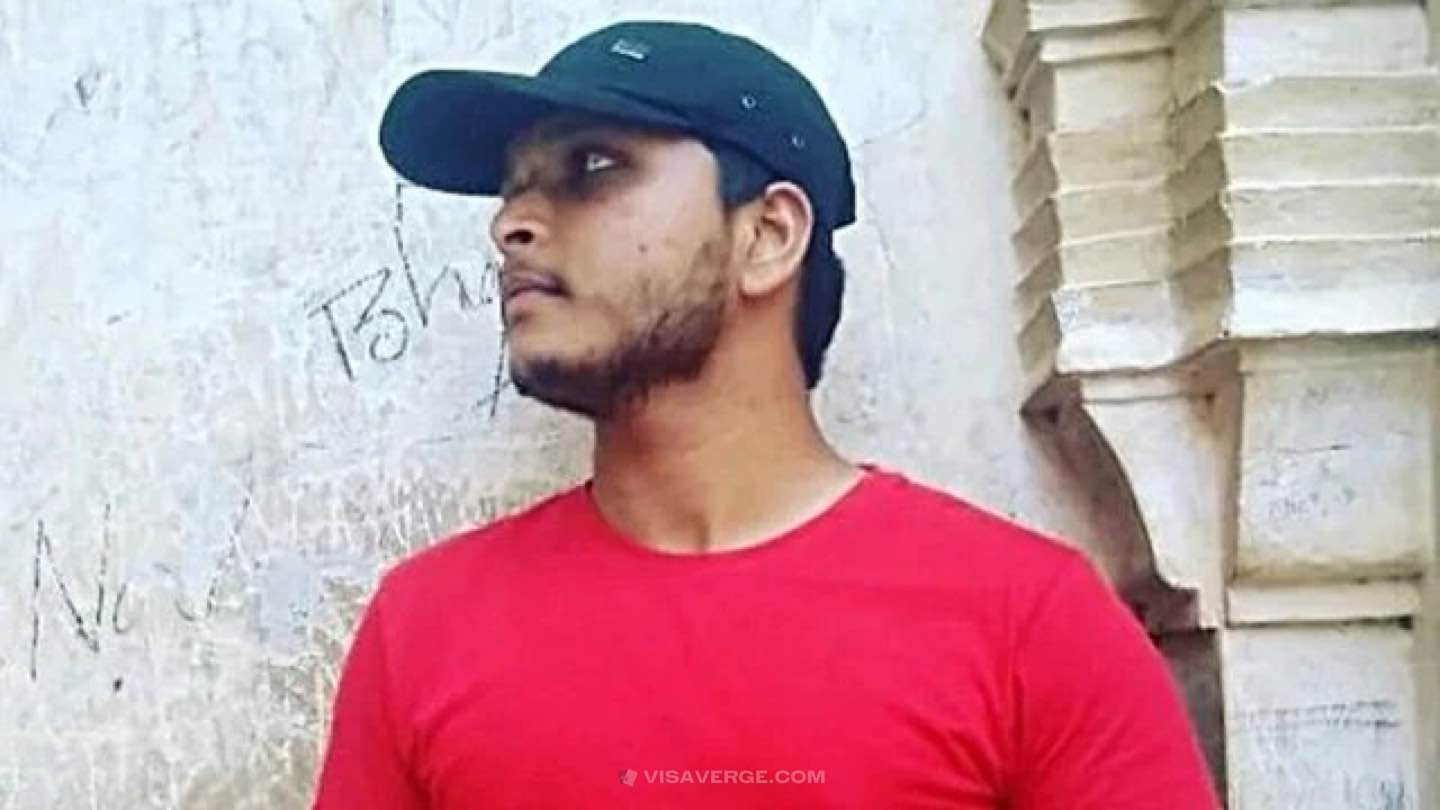
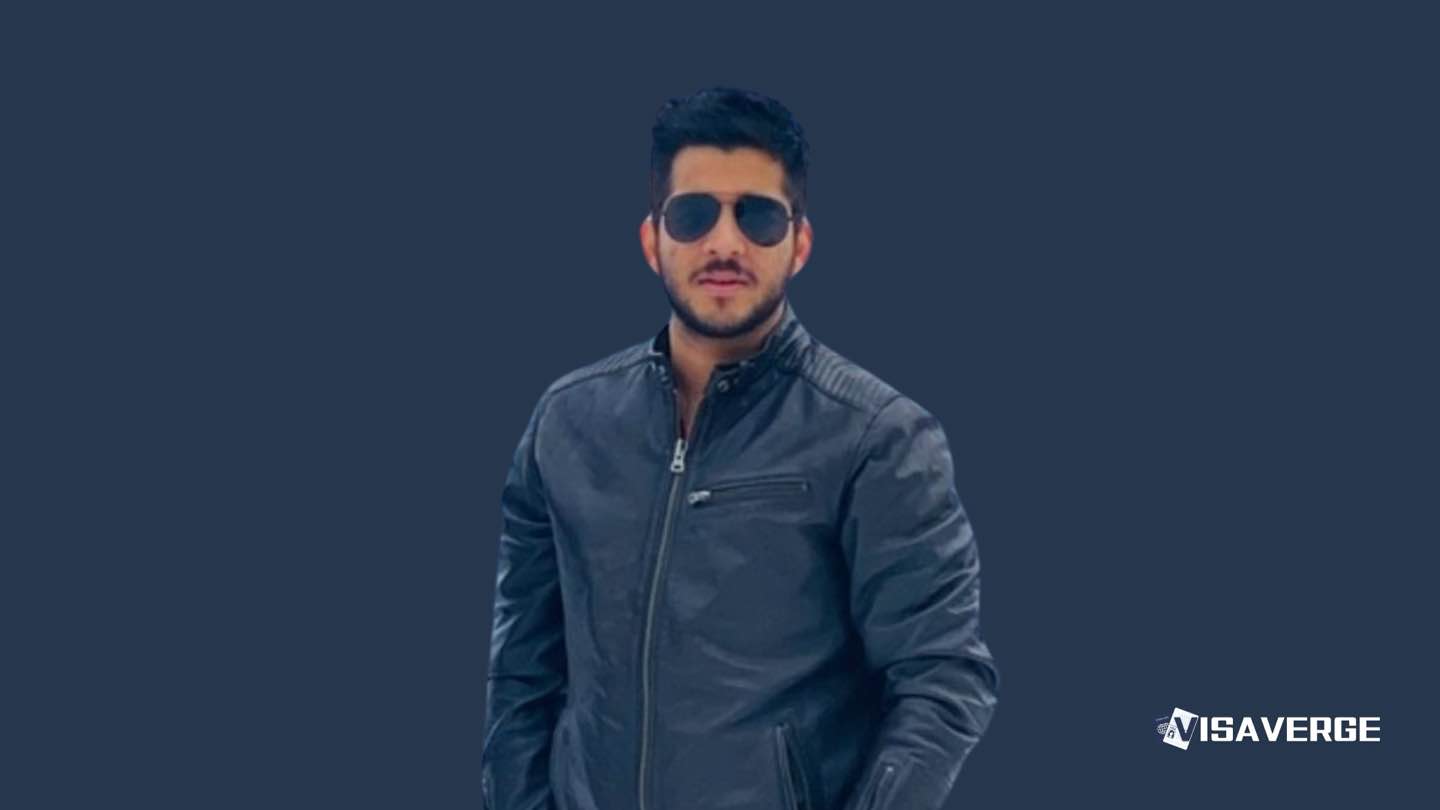
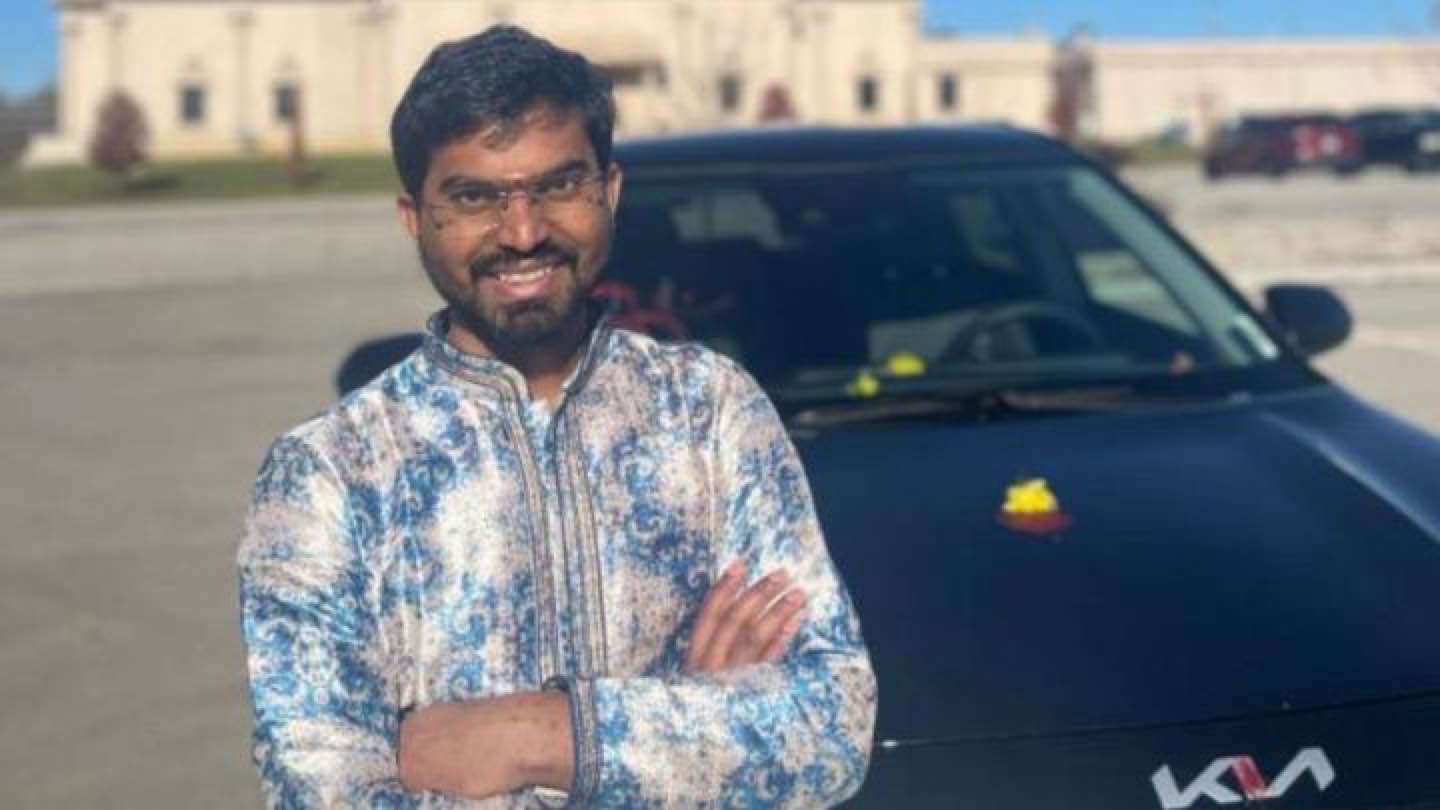
- Indian student Anshul Kuncha was fatally shot in a targeted trap while delivering pizza in North Philadelphia.
- Philadelphia police are offering a $20,000 reward for information leading to an arrest in the homicide.
- The victim’s family and Indian Consulate are seeking the urgent repatriation of his remains to Telangana.
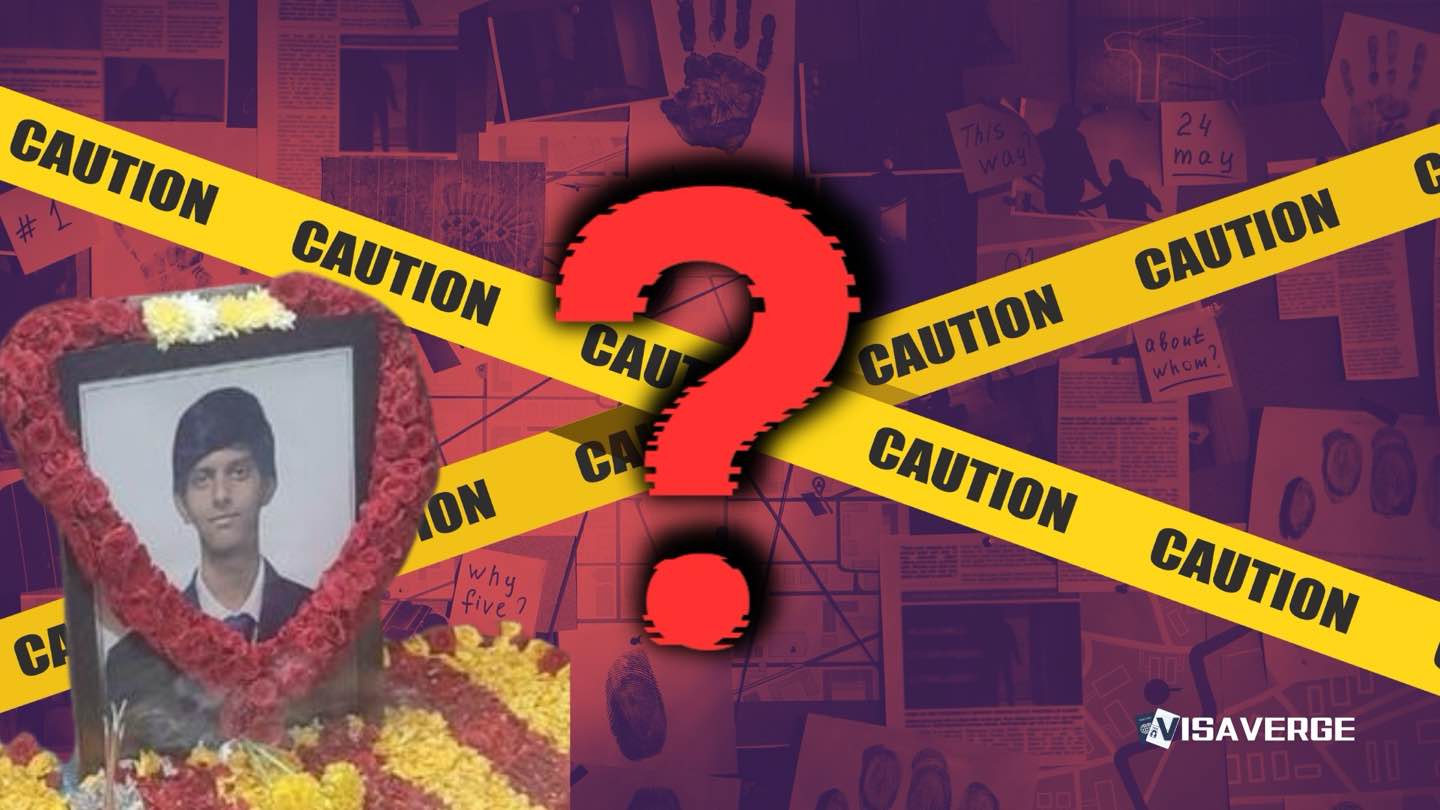
(NORTH PHILADELPHIA, PA) — Philadelphia police announced a $20,000 reward on June 7, 2026, a day after 28-year-old Indian student Anshul Kuncha was shot dead while delivering pizza in North Philadelphia.
Investigators said Kuncha, who was from Hyderabad and a native of Gundlapochampally, Telangana, arrived at Raymond Rosen Homes in the 2300 block of Edgley Street at about 12:30 AM on June 6, 2026. He was delivering a pizza when, police believe, he was lured to a vacant apartment.
Police said someone shot him in the back of the head at point-blank range. Nothing was stolen, including his cash, phone, or the pizzas, a detail that led investigators to suspect a targeted trap or decoy rather than a robbery.
Kuncha was an MBA student and worked part time making weekend deliveries. Accounts cited Temple or Drexel University as the school where he studied, and he was also described as someone who worked at a multinational company.
The killing drew a statement from the Consulate General of India in New York on June 6, 2026. “We are deeply saddened by the untimely demise of Mr. Anshul Kuncha, an Indian national in Philadelphia, PA. Our thoughts and heartfelt condolences to his family during this difficult time. The Consulate is in touch with Anshul’s family and is extending all possible assistance.”
His sister, Tanvi, described the shooting in stark terms. “It was a trap. They took my brother and killed him.”
U.S. authorities are expected to release Kuncha’s body by Monday, June 8, 2026, after initial forensic investigations. His family has urged the Indian government to expedite repatriation of his remains.
The case unfolded during a period of immigration policy changes that have weighed on international students across the United States. On May 22, 2026, U.S. Citizenship and Immigration Services issued a policy memorandum stating that people in the country temporarily who want a Green Card must return to their home country to apply, except in extraordinary circumstances.
USCIS spokesman Zach Kahler described the change in a statement issued that day. “We’re returning to the original intent of the law to ensure aliens navigate our nation’s immigration system properly. From now on, an alien who is in the U.S. temporarily and wants a Green Card must return to their home country to apply, except in extraordinary circumstances. This policy allows our immigration system to function as the law intended instead of incentivizing loopholes.”
That policy did not address Kuncha’s homicide, and USCIS does not typically issue press releases for local criminal killings. Still, the timing placed the death inside a broader period of anxiety among foreign students, particularly Indian nationals balancing study, work restrictions, and uncertainty over future immigration options.
A separate DHS and USCIS update on March 30, 2026 highlighted “Strengthened Screening and Vetting” measures and said public safety and national security were top administration priorities. Kuncha’s death was placed alongside those changes and a wider debate over immigration enforcement and student status.
The May 22, 2026 policy shift treated adjustment of status, applying for a Green Card from inside the United States, as an “extraordinary form of relief.” It also said that stance heightened concern among roughly 350,000 Indian students in the country.
Groups focused on the Indian diaspora had already raised concerns about student safety earlier in 2026. The Foundation for India and Indian Diaspora Studies, or FIIDS, called for closer coordination between universities and law enforcement as violence involving Indian students drew attention.
Kuncha’s death also sharpened concern around part-time gig work, especially delivery jobs that many students take to support tuition and living costs. Police said the circumstances in North Philadelphia pointed to a fake-order tactic, a setup that can leave drivers isolated late at night in unfamiliar neighborhoods.
Nothing in the known details suggested theft as a motive. Cash stayed with Kuncha. His phone stayed with him. The pizzas stayed too.
That detail has shaped the family’s account of what happened and the community response in Hyderabad and among Indian students in the United States. The killing of a student who had gone out to make a routine delivery, then never returned, touched a fear that many international students describe privately: that work taken to stay afloat can expose them to risks far beyond the classroom.
Kuncha’s background gave the case a wide reach in India. He came from Gundlapochampally in Telangana and was identified as a student from Hyderabad, a city that sends large numbers of students abroad each year for graduate study, including MBA programs in the United States.
In North Philadelphia, the location itself became part of the story. Raymond Rosen Homes, where police said Kuncha was sent with the order, sits in a section of the city where late-night deliveries can place drivers in dim corridors, stairwells, and doorways with little warning of who is waiting.
Philadelphia police had not announced arrests in the case as of June 7, 2026. The reward covers information leading to the arrest and conviction of the suspects involved in the shooting.
Official references cited included the [USCIS newsroom](https://www.uscis.gov/newsroom) for the May 22, 2026 memorandum, [DHS press releases](https://www.dhs.gov/news) for the March 30, 2026 screening and vetting update, the Consulate General of India in New York for the condolence statement, and the [Philadelphia District Attorney’s Office](https://www.phila.gov/districtattorney) among local government sources.
By the weekend, the case had become more than a homicide investigation for many Indian students. It was the death of Anshul Kuncha, 28, from Hyderabad, on a pizza run in North Philadelphia, with a vacant apartment, an untouched wallet, untouched food, and a family waiting for his body to come home.