The federal government has launched one of the widest security reviews of modern U.S. refugee and asylum policy after the November 2025 National Guard shooting, placing the FBI, the CIA and the Department of Homeland Security (DHS) at the center of an expanded vetting system that reaches back years into past admissions and freezes many refugees’ progress toward permanent residence. Refugees who thought they were moving steadily toward green cards now face new interviews, deeper background checks and fresh anxiety over whether past approvals will hold.
At the heart of this shift is the case of Rahmanullah Lakanwal, an Afghan national accused in the November 2025 shooting. His case has become the main example officials point to as they defend an aggressive reassessment of refugee and asylum cases approved under President Biden. The Trump administration has tied the review directly to that attack, saying it exposed security gaps in how thousands of people were screened before entering the United States 🇺🇸.
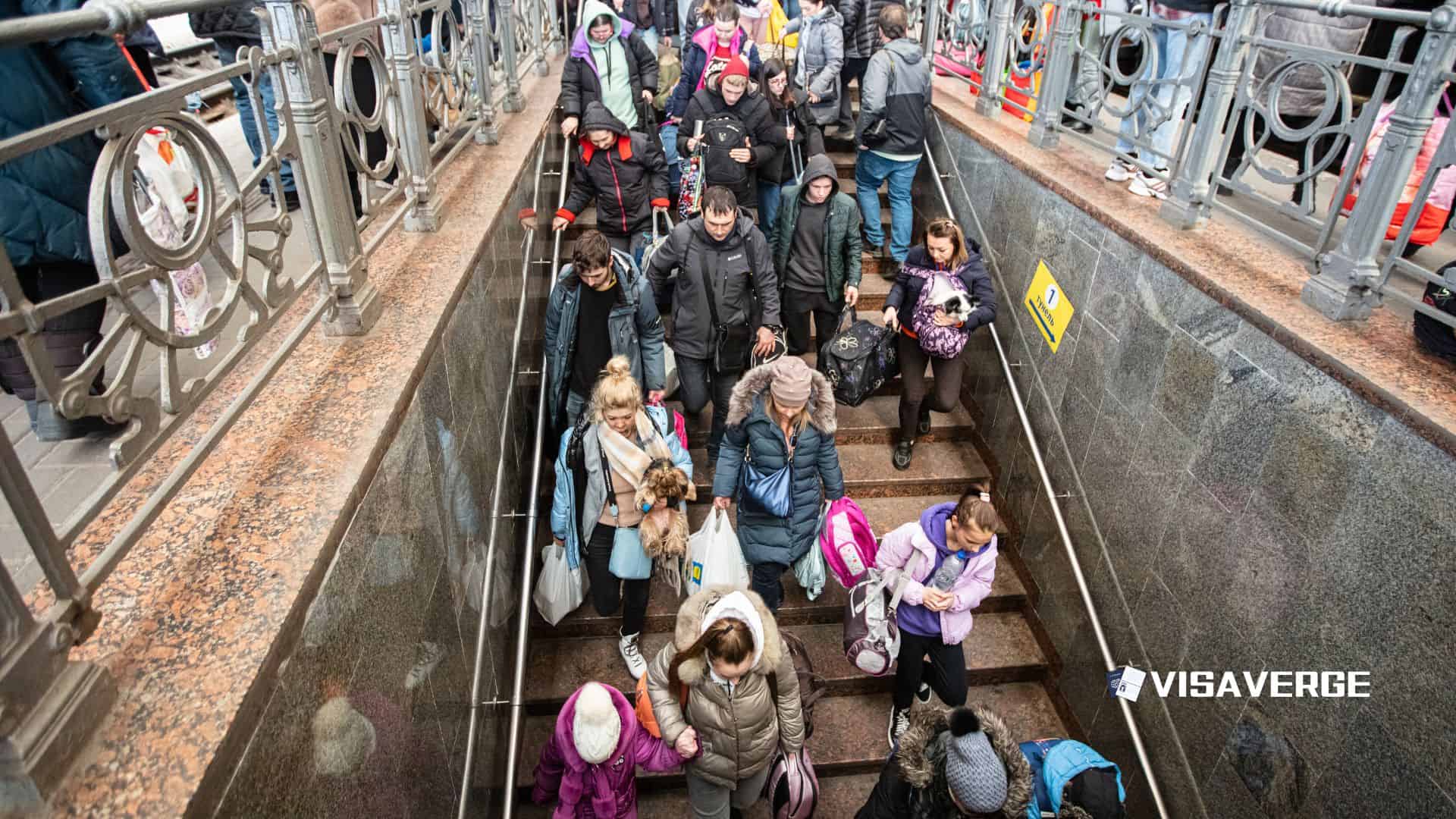
FBI: Nationwide re‑screening and deeper checks
The FBI is leading a nationwide terrorism investigation into Lakanwal’s background and, by extension, into broader Afghan and refugee admissions during the Biden years.
- According to internal directives described in government memos, agents are not only tracing Lakanwal’s movements and contacts but are also “expected to conduct broader probes into other Afghan and refugee cases admitted under the Biden administration.”
- That means many people who have lived in the country for years, working and raising families, may now find their files pulled for review.
FBI Director Kash Patel has said the bureau’s role will not be limited to simple name checks. He told Congress the bureau is “going through the databases to make sure that no known or suspected terrorists enter this country to harm our nation,” describing deeper background checks that include renewed cross‑referencing with federal terror watchlists and other classified systems.
- Advocates worry communities already screened multiple times will feel treated as permanent suspects.
- The FBI’s assignment under a USCIS-ordered review includes re‑screening tens of thousands of refugees and asylum seekers who entered the country between January 20, 2021, and February 20, 2025 — a window covering the first four years of the Biden administration and most emergency Afghan evacuations.
Focus areas for FBI reviews
- Cases admitted without in‑person interviews.
- Records with incomplete biographic data.
- Files from the chaotic 2021 evacuation from Afghanistan, which may contain missing information or rushed checks.
For affected Afghans, this can feel like a second, more suspicious chapter to what began as a promise of safety.
CIA: Historical intelligence and partner vetting
The CIA’s role has widened, particularly where refugees or parolees once worked with U.S. forces or intelligence units overseas.
- CIA Director John Ratcliffe confirmed Rahmanullah Lakanwal had worked with the agency during the war in Afghanistan, prompting questions about how he was screened and cleared.
- Ratcliffe has ordered a re‑examination of the vetting process for all individuals resettled in the U.S. after working alongside American operations.
Rather than interviewing refugees directly, CIA officers are supplying DHS and USCIS with intelligence assessments and historical data drawn from conflict‑zone operations.
- Analysts are reviewing whether admitted refugees or asylum seekers may have ties to terrorist organizations or may have misrepresented key parts of their backgrounds.
- Records for interpreters or local partners are often messy (militia, political or community ties), and those details are under renewed scrutiny.
The CIA is also identifying weak spots in the older vetting system: rushed document checks, gaps in access to foreign records, and cases where individuals were granted humanitarian parole or expedited entry during the U.S. withdrawal.
DHS and USCIS: Immediate halts and re‑interviews
Inside DHS, the changes are immediate for refugees trying to move from temporary status to permanent residence.
- The department has put an immediate halt on processing green card applications for refugees who arrived between January 20, 2021, and February 20, 2025.
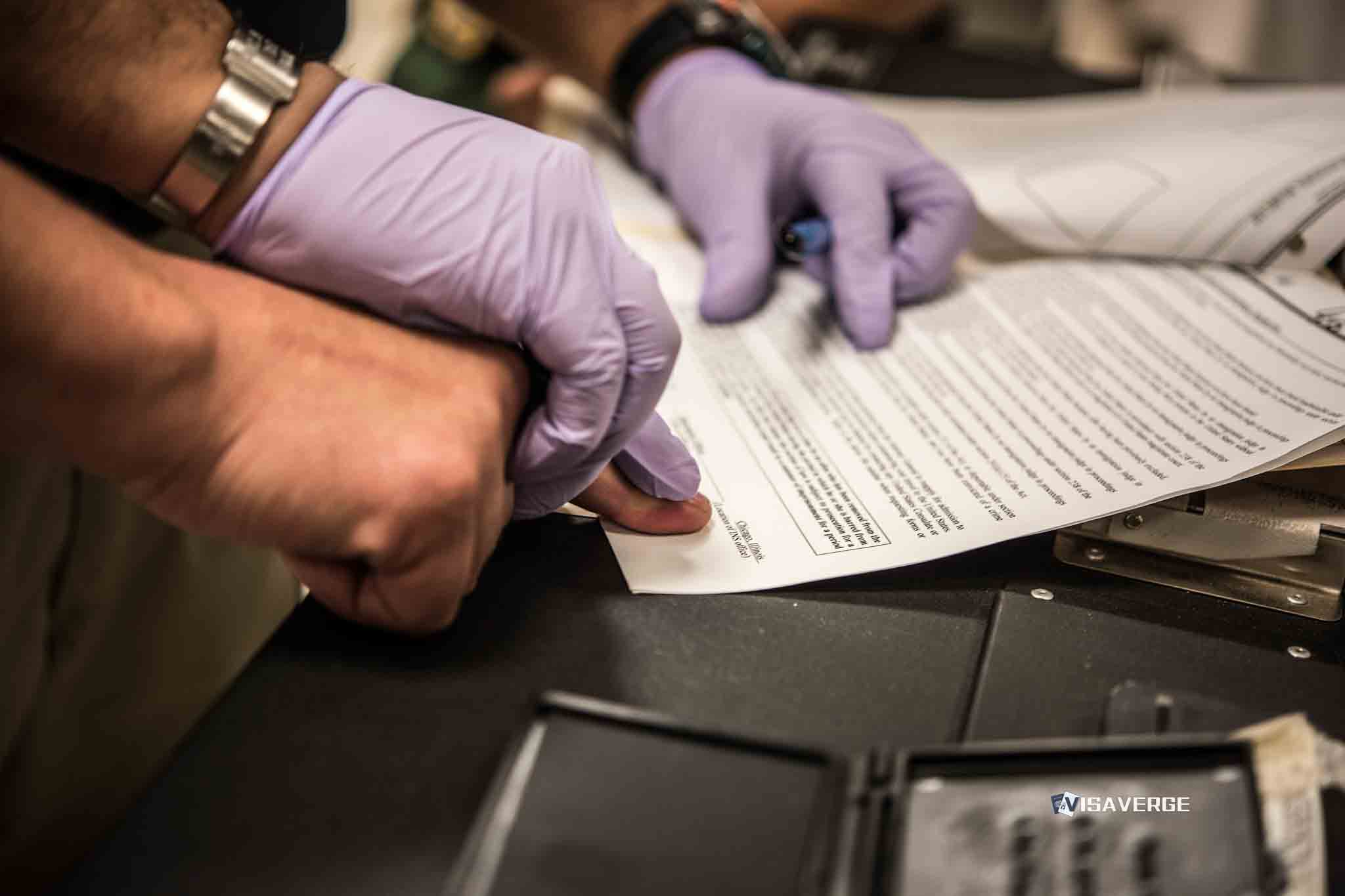
- Those who filed Form
I-485(Application to Register Permanent Residence or Adjust Status) now see their cases frozen while security agencies complete re‑reviews.
The official form remains available at the USCIS site: Form I‑485, Application to Register Permanent Residence or Adjust Status, but processing for this group is paused.
DHS Secretary Kristi Noem has defended the freeze, saying the department is “scrutinizing all cases” and working closely with the FBI and CIA “to ensure that no known or suspected terrorists are allowed to remain in the U.S.” Her comments echo the executive order “Realigning The United States Refugee Admissions Program,” which suspended the refugee program and demanded a full reassessment of all prior admissions.
What the DHS mandate requires
- A mandatory review and re‑interview of all principal refugees admitted during the four‑year window.
- Confirmation that each person still meets the legal definition of a refugee and does not trigger grounds of inadmissibility (including terrorism‑related concerns).
- Possible outcomes include:
- New interviews
- Additional document requests
- Longer processing waits
Reviewing the resettlement chain
DHS is not limiting its examination to individual files; it is reviewing the entire resettlement process:
- Initial screening by the UN refugee agency (UNHCR).
- State Department’s preliminary approval.
- Vetting by U.S. intelligence agencies prior to travel.
Government immigration resources such as DHS Immigration and Citizenship now exist in the background of a more security‑driven approach.
Community impact and practical consequences
According to analysis by VisaVerge.com, this retrospective security sweep is rare in scale and timing, coming after many refugees have already:
- Laid down roots
- Enrolled children in school
- Started the process of cultural adjustment
When the government revisits older events, small issues — a missed date, a confused memory, or a lost document — can generate significant doubts.
- The blend of law enforcement, intelligence and immigration work reshapes daily life in affected communities.
- FBI reviews may prompt contact with local police, former employers or community leaders even without specific allegations.
- CIA assessments feeding into DHS databases can influence who is flagged for extra checks or holds.
- People who once helped U.S. forces must again explain past roles to a new set of officials, often without familiar lawyers or interpreters.
For Afghans, mention of Rahmanullah Lakanwal in public hearings has had a chilling effect. Community leaders say one high‑profile case tied to the war is shaping public perception of thousands who fled Taliban threats after working for the same U.S. mission.
Many Afghans feel judged as a group for the actions of one man whose full story is still not known in court.
Longer‑term consequences for families and communities
Refugee support groups warn the pause on green card processing via Form I-485 will:
- Slow family reunification
- Leave many in long‑term uncertainty
- Make it harder to sponsor close relatives, secure loans, or plan careers
- Potentially affect workplace advancement as employers react to the political climate
Officials within DHS and USCIS say they are trying to balance:
- White House demands for tougher controls, and
- Legal duties under U.S. and international refugee law
They stress the review does not mean automatic denial — only that every case in the Biden‑era window must be checked again. Still, with multiple agencies involved, each step adds potential for delay and confusion.
Political responses and framing
In Congress, supporters of the new measures call them overdue after growing concerns about the integrity of the refugee and asylum system, pointing to the November 2025 shooting as justification.
Critics argue the government is effectively rewriting the rules after people already complied with prior processes, sending the message that refugee status may never be fully secure — even after years of life in the United States 🇺🇸.
What the future may hold
What is clear is that the combined weight of the FBI, CIA and DHS has turned the post‑November 2025 period into a testing ground for a far more security‑driven refugee policy.
Key open questions include:
- How long will the re‑vetting last?
- How many people will it ultimately affect?
- Will this be viewed as an exceptional response to a single case or a new normal for anyone seeking safety on American soil?
Those answers will determine whether the current measures are temporary, targeted fixes or the start of a lasting shift in U.S. refugee and asylum policy.
Following the November 2025 shooting, the FBI, CIA and DHS launched a sweeping re‑vetting of refugees admitted between Jan 20, 2021 and Feb 20, 2025. Agencies will re‑interview, request documents, and run deeper background checks, halting processing of Form I-485 for the cohort. The CIA contributes historical intelligence, while the FBI leads nationwide probes. The pause raises community anxiety, slows family reunification, and tests whether this is a temporary response or a longer policy shift.