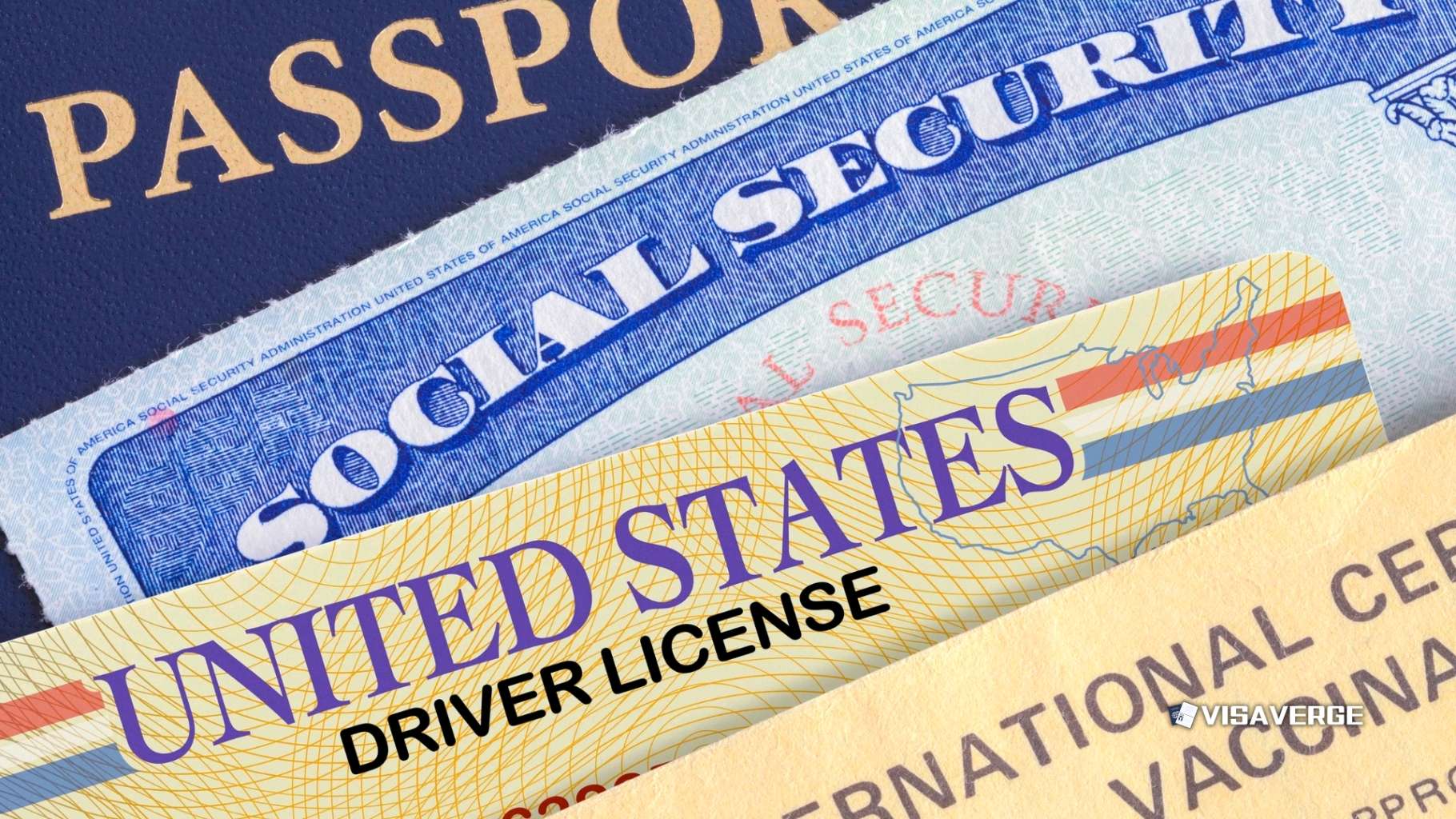
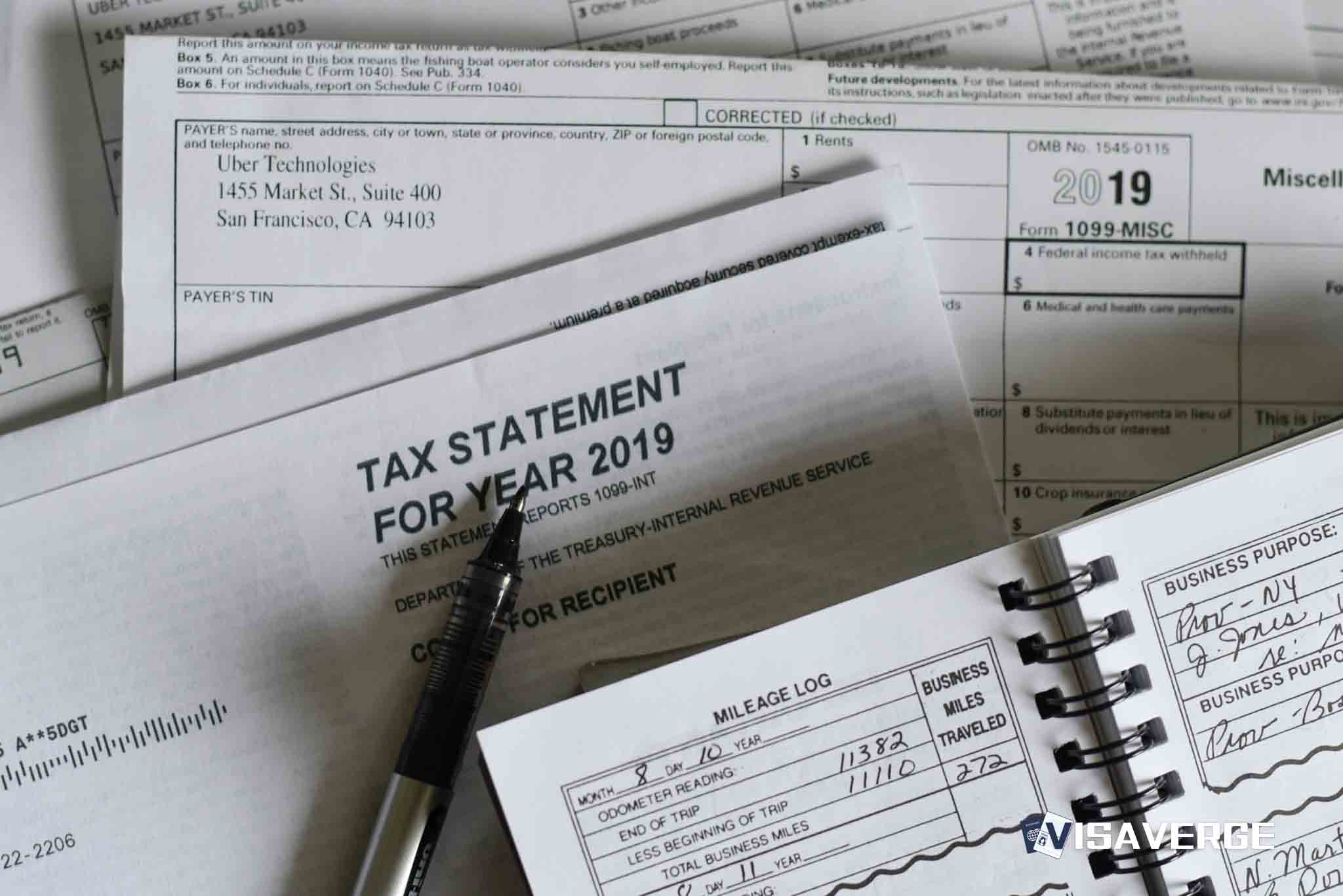
- USCIS now integrates tax compliance into the good moral character review for 2026 naturalization cases.
- Missing FBAR or FATCA reports may trigger immigration denials under the totality of circumstances policy.
- Applicants should correct filing errors using IRS streamlined procedures to demonstrate rehabilitation and good faith.
(UNITED STATES) — USCIS now treats tax compliance and financial responsibility as part of the good moral character review, and that shift may affect naturalization and green-card decisions in 2026.
For many immigrants, FBAR and FATCA used to feel like tax-only rules. Not anymore. Under current USCIS and DHS practice, foreign-account reporting may now matter in immigration interviews, file reviews, and final decisions.

FBAR and FATCA are separate reporting systems for foreign financial accounts and assets. They are not the same form. Still, both can affect how officers view whether an applicant has followed U.S. law.
Naturalization is the clearest example. A person filing Form N-400 must usually show good moral character during the required statutory period. In 2026, that review goes beyond arrests or criminal history. Tax reporting may now be part of the picture.
Green-card cases may also face added attention. Applicants treated as U.S. tax residents under the substantial presence test may be expected to meet these reporting duties. If records show missed filings, officers may ask harder questions.
USCIS made that shift official on August 15, 2025. On that date, the agency issued policy memorandum PM-602-0188, which directed officers to use a broader good moral character review based on the totality of circumstances.
That memo matters because it names tax obligations directly. It says good moral character is not a simple checklist. Instead, officers may weigh conduct, law compliance, and financial responsibility together.
The same memo also leaves room for rehabilitation. Full payment of overdue taxes may support a favorable finding under the totality of circumstances. That does not erase every problem. It may, however, help an applicant show correction and good faith.
So the rule is not “one mistake and you are done.” It is more demanding than that. Officers may look at whether a person ignored duties, fixed errors, or kept failing after notice.
FBAR is the first reporting rule many immigrants should know. It applies when the aggregate value of foreign financial accounts exceeds $10,000 at any time during the year. Aggregate means all qualifying foreign accounts added together, not each account viewed alone.
For 2026, the FBAR deadline is April 15, with an automatic extension to October 15. The form is filed electronically with FinCEN, not with a regular tax return. Missing it can bring steep civil penalties.
Non-willful FBAR violations may bring penalties of up to $16,536 per violation. Willful violations may bring the greater of $165,353 or 50% of the account balance per year. Those are inflation-adjusted figures for 2026.
January 2026 added another warning sign. In United States v. Reyes, recklessness was treated as enough to trigger the higher FBAR penalty tier. not knowing the rule may not protect someone who ignored obvious signs.
FATCA works differently. For U.S. residents, reporting generally starts at $50,000 at year-end or $75,000 at any time for single filers. For married filing jointly, the thresholds are $100,000 at year-end or $150,000 at any time.
FATCA reporting is tied to IRS Form 8938. If a required filing is missed, the penalty starts at $10,000. After IRS notification, added monthly penalties may raise the total up to $50,000.
Here is the side-by-side picture for 2026:
| Reporting Regime | Threshold | Penalty (inflation-adjusted) | Filing/Deadline |
|---|---|---|---|
| FBAR | Aggregate foreign accounts over $10,000 at any time during the year | Non-willful: up to $16,536 per violation; Willful: greater of $165,353 or 50% of the account balance per year | FinCEN Form 114; due April 15, 2026, automatic extension to October 15, 2026 |
| FATCA | U.S. residents: single filers $50,000 year-end or $75,000 at any time; married filing jointly $100,000 year-end or $150,000 at any time | Initial $10,000, plus monthly penalties after IRS notice up to $50,000 | IRS Form 8938; filed with the tax return |
⚠️ Important: 2026 cross-border data checks and AI matching heighten detection of non-compliance; ensure timely reporting to protect GMC in naturalization and residency processes.
Why does this matter so much now? Because USCIS officers may treat tax reporting as evidence of whether an applicant respects legal duties. In a naturalization case, that can shape the good moral character finding.
The 2026 enforcement climate raises the stakes. The IRS now uses AI matching to compare taxpayer filings with FATCA data from over 100 countries. If foreign bank records do not match a filer’s U.S. reporting, the mismatch may trigger compliance letters or further review.
That information may then affect immigration filings. A naturalization case may face delay or denial if officers conclude the applicant failed to comply with tax law. A green-card applicant may also face extra scrutiny if foreign-account reporting appears incomplete or misleading.
Not every missed filing means fraud. Intent still matters. A person who made an honest mistake and then corrected it may be viewed differently from someone who concealed accounts or ignored repeated warnings.
That is where remedy options become very relevant. The IRS Streamlined Filing Compliance Procedures remain available for certain non-willful failures. For immigrants, successful entry into that program may help show rehabilitation during a USCIS interview.
✅ If you have missed FBAR/FATCA filings, consider the Streamlined Filing Compliance Procedures for non-willful failures as possible rehabilitation evidence.
In practice, that means two tracks may matter at once. First, the tax issue must be corrected with the IRS or FinCEN as required. Second, the immigration record may need to show what happened, why it happened, and what was done to fix it.
Applicants should be careful here. USCIS may ask about unpaid taxes, missing reports, or foreign accounts during naturalization or permanent-residence review. Answers should match the tax record. Inconsistent statements can make a bad situation worse.
Official guidance is available from government sources. USCIS good moral character policy updates appear at uscis.gov/policy-manual. IRS FBAR guidance is at irs.gov/fbar. IRS FATCA guidance for Form 8938 is at irs.gov/fatca. FinCEN e-filing is available through bsaefiling.fincen.treas.gov.
April 15 is the date to circle for FBAR, with the automatic extension running to October 15. For immigrants pursuing citizenship or permanent residence, fixing foreign-account reporting problems before an interview may matter almost as much as fixing the tax bill itself.
Qualified language required: immigration advice should be tailored by licensed professionals; this article summarizes policy and does not constitute legal advice.
Tax matters are complex and depend on individual circumstances; readers should consult a qualified tax professional.