- Digital nomads typically spend THB 35,000 to THB 90,000 monthly depending on location and lifestyle choices.
- Foreigners must avoid prohibited occupations like Thai massage, tour guiding, or beauty services to prevent deportation.
- Bangkok remains the most expensive hub, while Chiang Mai offers more affordable housing and stable internet.
(THAILAND) — Thailand’s monthly living costs for digital nomads usually run from about THB 35,000 to THB 90,000, or roughly $960 to $2,470, depending on city, housing, and how often cafés and coworking spaces replace the home office.
Bangkok sits at the higher end, while Chiang Mai, Hua Hin, and parts of Isaan stay cheaper. Rent drives most of the gap. A furnished apartment near transit in Bangkok costs far more than a simple one-bedroom in Chiang Mai, and the difference shows up fast in monthly totals.

Thailand also draws remote workers because the basics usually hold up well. Internet speeds in major cities are often strong enough for video calls, and coworking spaces are common in Bangkok, Chiang Mai, Phuket, and Pattaya. The time difference matters more than the connection. Thailand runs on UTC+7, which puts it ahead of Europe and far ahead of the Americas.
Job seekers and freelancers also need to watch the legal side. Thailand has a list of occupations that foreigners cannot do, even with a work permit. That list includes Thai massage, beauty services, driving certain vehicles, tour guiding, legal services, peddling goods, and several craft and security jobs. A foreigner working in a banned occupation faces more than a simple warning.
The penalties described in current public reporting are heavy: a fine of THB 5,000 to THB 50,000, deportation, and a two-year ban on applying for a work permit. The terms matter for remote workers who mix online work with local side jobs, and for employers who assume a permit covers everything.
The old framework once counted 39 restricted occupations. Later summaries tied to a 2022 regulatory update describe a narrower set, with the 10 higher-risk jobs drawing the most enforcement attention. The exact legal boundary still deserves careful checking before anyone starts work, signs a contract, or opens a business in Thailand.
| Expense | Budget | Comfortable | Premium |
|---|---|---|---|
| Rent (1BR) | THB 10,000 / $275 | THB 20,000 / $550 | THB 45,000 / $1,235 |
| Coworking | THB 2,000 / $55 | THB 5,000 / $137 | THB 10,000 / $275 |
| Food | THB 8,000 / $220 | THB 15,000 / $412 | THB 30,000 / $825 |
| Transport | THB 2,000 / $55 | THB 4,000 / $110 | THB 8,000 / $220 |
| Health insurance | THB 1,500 / $41 | THB 3,500 / $96 | THB 7,000 / $192 |
| Entertainment | THB 3,500 / $96 | THB 7,500 / $206 | THB 20,000 / $550 |
| Total | THB 27,000 / $742 | THB 55,000 / $1,510 | THB 120,000 / $3,288 |
Those totals shift with season. Phuket, Koh Samui, and other beach markets spike during high season. Chiang Mai stays steadier, though short-term rentals still rise during the cool months from November through February. Bangkok rents tend to move less, but central districts remain expensive year-round.
Cash still matters in daily life, even in a card-friendly city. Many cafés, markets, and small restaurants prefer cash or local transfer apps. ATMs often charge foreign card fees, so repeated withdrawals add up. A multi-currency card and a low-fee bank account can cut those costs fast.
⚠️ Tax Disclaimer: Tax obligations for digital nomads are complex and depend on citizenship, tax residency, and the countries involved. This article provides general information only. Consult a qualified international tax professional before making decisions that affect tax status.
🌍 Visa Highlight: Thailand’s remote-work appeal is not just beaches and cafés. The country also has a large service economy, fast urban internet, and enough coworking options to support long stays.
| Factor | Thailand |
|---|---|
| Time zone | UTC+7 |
| Internet in major cities | Often 100+ Mbps in coworking spaces and many apartments |
| Common remote-work hubs | Bangkok, Chiang Mai, Phuket, Pattaya |
| Cost of living range | THB 35,000 to THB 90,000 monthly |
| Best fit | Freelancers, founders, and remote employees with flexible hours |
Saving money starts with housing. A long-stay condo outside the city core usually beats hotel-style rentals. Short leases cost more per month, especially in tourist districts. In Bangkok, access to the BTS or MRT often saves money on transport and time on the road.
Food is another lever. Local markets, noodle shops, and rice stalls keep daily spending low. A steady café habit pushes the total up quickly, especially in expat zones where Western menus cost far more than street food. Coworking memberships are also easy to overbuy. Many nomads need only a day pass a few times a week.
💰 Budget Tip: Start with a one-month rental in a quieter neighborhood, then extend only after checking noise, internet quality, and commute times to coworking spaces.
The occupation rules matter most when remote workers try to add local income. A foreign graphic designer working online sits in a different position from someone trying to give Thai massage services, guide tours, or sell goods from a cart. The same caution applies to employers who want to hire foreigners for roles that look ordinary but fall inside the restricted list.
Thailand’s reserved-job rules also reach traditional and hands-on work that often appears in tourist areas. That includes hand-woven cloth work, jewelry polishing, Thai doll-making, and security work. Foreigners entering those fields need to check the legal category first, then check whether an international agreement or narrow contract condition creates an exception.
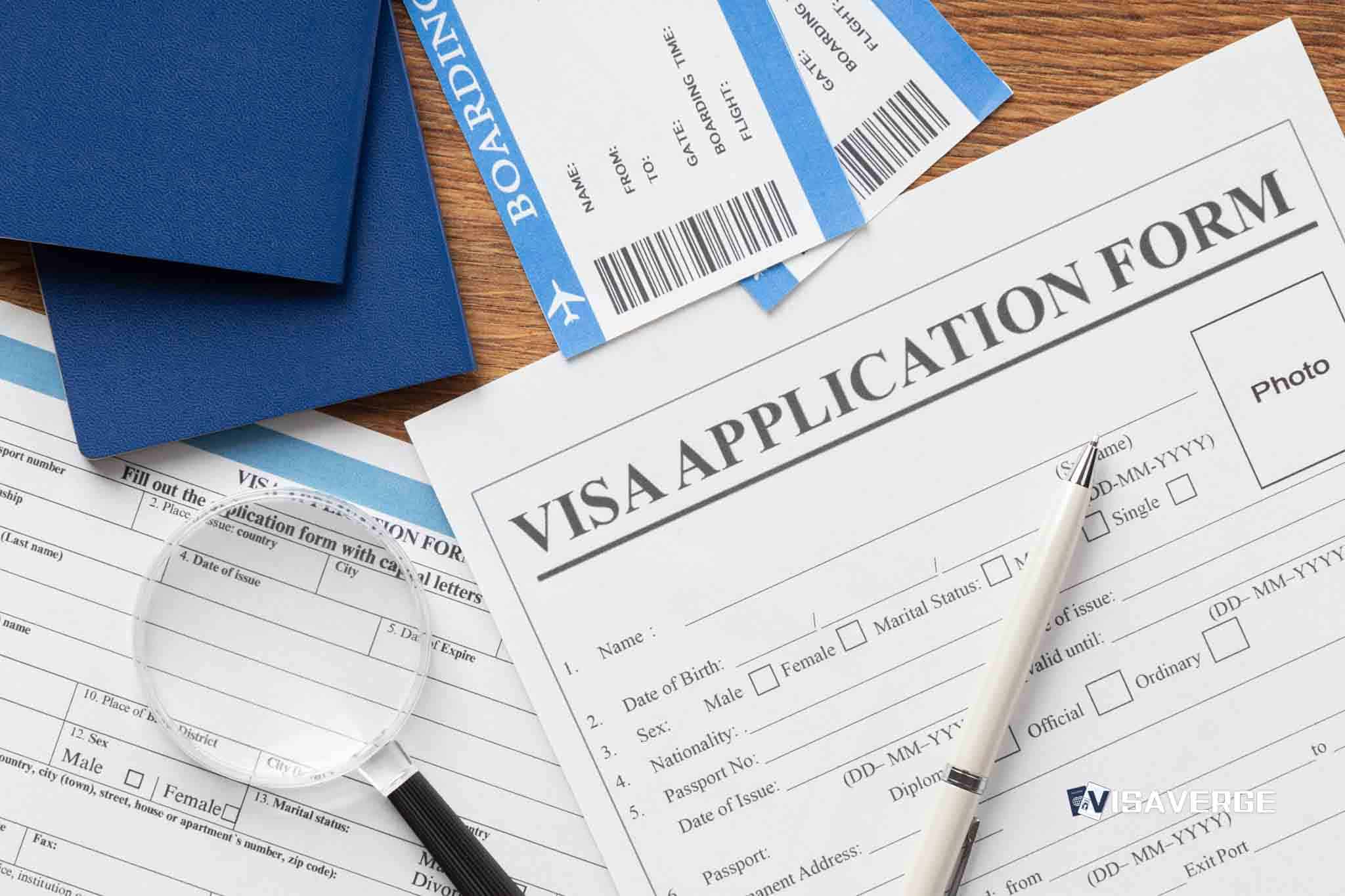
Remote workers arriving on a valid visa should still keep their job scope clean. A work permit does not override every occupational restriction. Before signing a freelance contract, opening a storefront, or accepting a local side gig, the safest route is to verify the role against the current Thai employment rules and the employer’s paperwork.
Start by comparing housing in Bangkok and Chiang Mai, then map out monthly costs in Thai baht and dollars. Gather proof of income, health insurance documents, and any work permit or visa records before arrival. Check the official Thai immigration and labor websites, and review Nomad List or a similar cost tracker before locking in a lease.