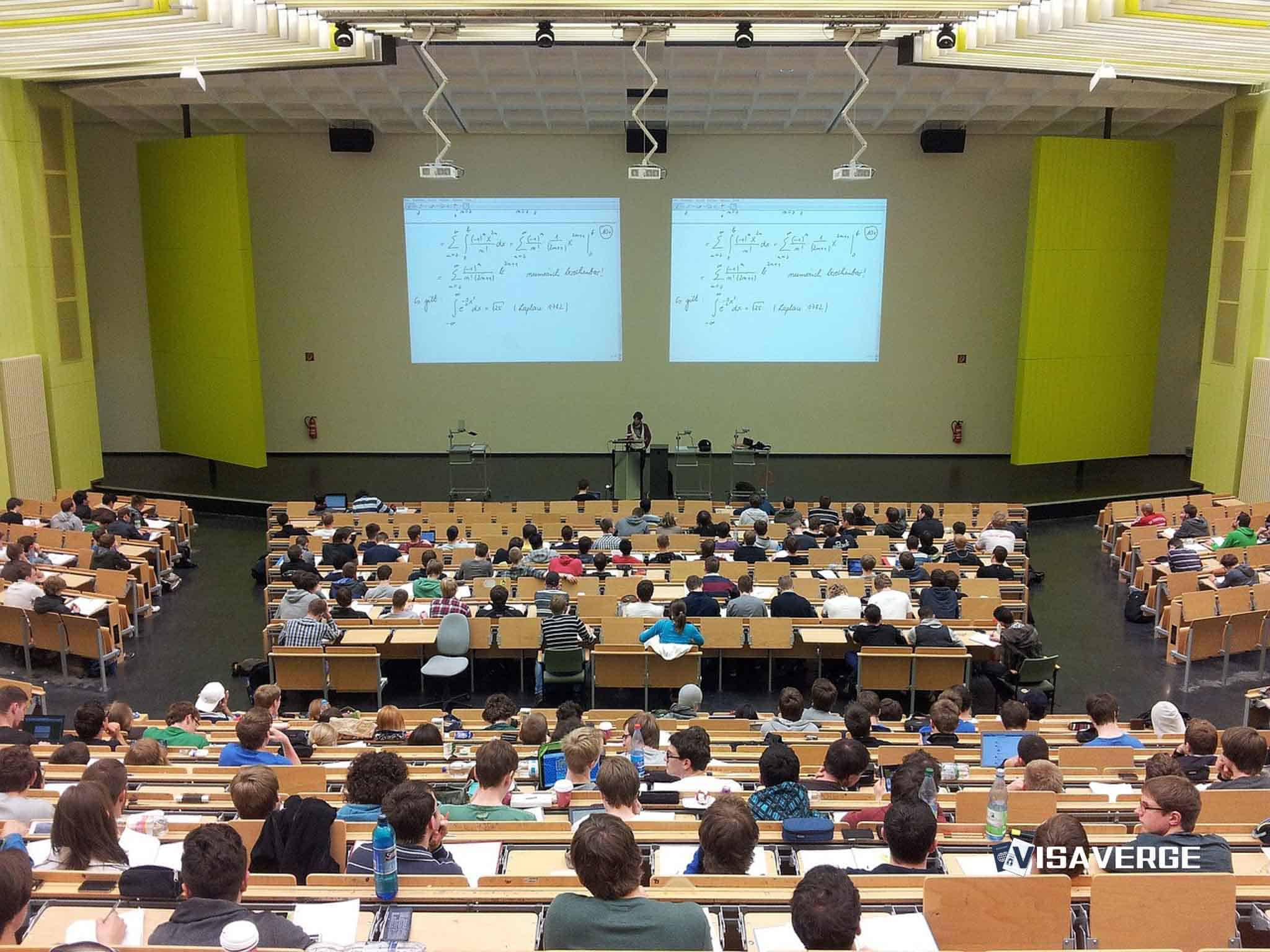
Education Department Restructuring: Agencies to Assume Core Tasks, 2025
Under agreements signed in late 2025, the Education Department will cede major programs to six agencies, notably Labor,…



Under agreements signed in late 2025, the Education Department will cede major programs to six agencies, notably Labor,…
A 17% drop in new international student admissions reflects tougher visa reviews, processing delays and uncertainty about post-study…
For Fall 2025, new international enrollments fell ~17%, costing over $1.1 billion and about 23,000 jobs. Visa delays…
Automated hiring filters flag candidates who need sponsorship, excluding many F-1, OPT, STEM OPT and H-1B applicants before…
To save on December U.S. travel, pick early‑to‑mid‑month dates, book India–US flights 6–10 weeks ahead, use price alerts…
Holiday travel to the U.S. requires early, organized document preparation. F‑1 students need timely I‑20 signatures; H‑1B professionals…
Peak December travel to the U.S. requires early booking (6–10 weeks), complete documents (I‑20, I‑797, EAD, sealed visa…
December winter storms heighten travel risk for international passengers. Avoid snow‑heavy hubs, schedule longer layovers (8–10 hours for…
The December travel rush brings heavy demand, winter weather, and stricter checks. Confirm eligibility under 2025 travel rules,…