- Spirit Airlines has halted ticket sales beyond April 2026 amid ongoing Chapter 11 bankruptcy proceedings.
- Travelers should prioritize legacy carriers for summer 2026 trips to avoid potential schedule liquidations.
- The airline reported daily operational losses of $3.1 million, increasing the risk of route pruning.
Spirit Airlines’ new booking cutoff is the loudest consumer signal yet that the airline’s future past April 2026 is uncertain. If you’re shopping for summer 2026 travel, my quick recommendation is simple: book a different airline unless Spirit is dramatically cheaper and you can afford a last-minute pivot.
This isn’t a “don’t fly Spirit” blanket warning. It’s a timing issue tied to Spirit Airlines’ Chapter 11 bankruptcy process and a planning horizon that now ends in April 2026. For trips before then, Spirit can still make sense—if you buy smart and protect yourself.
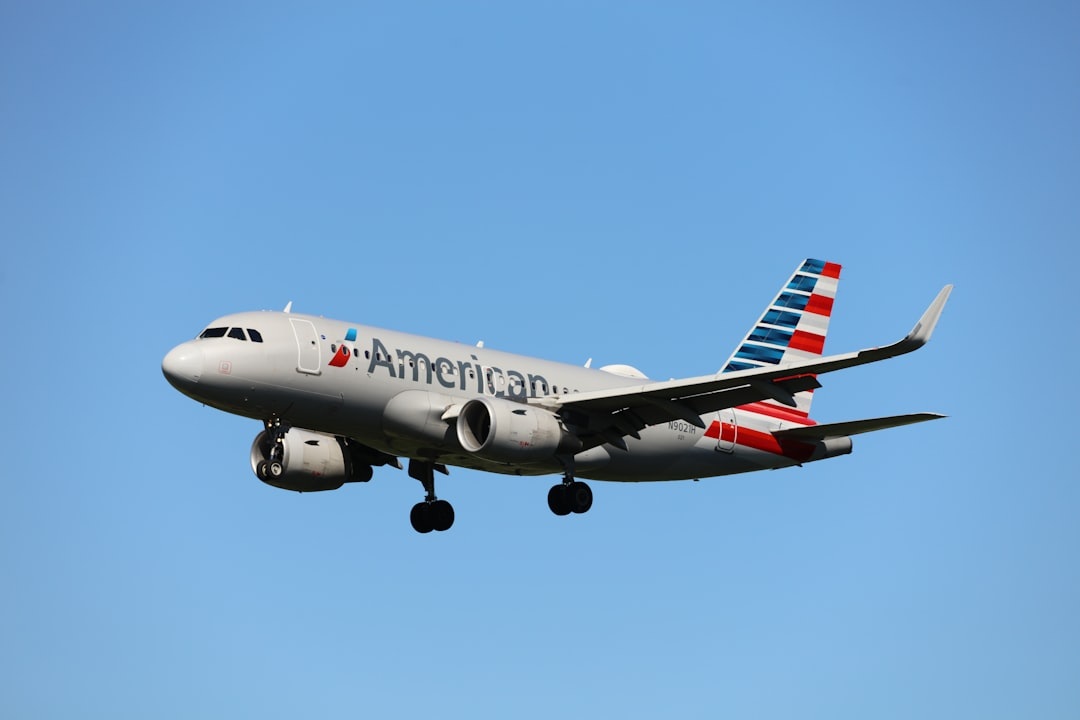
Spirit vs. alternatives for 2026 travel: at-a-glance comparison
| Category | Book Spirit (now through April 2026) | Book a legacy airline (American/Delta/United) | Book another ULCC (Frontier/Allegiant) |
|---|---|---|---|
| Best for | Cheap nonstop trips before April 2026 | Most dependable for summer 2026 and beyond | Lowest sticker price on select routes |
| Booking availability | Not sold beyond April 2026 | Full schedule typically loaded far out | Varies by carrier and route seasonality |
| Change/cancel flexibility | Usually limited on the cheapest fares | Often better rebooking options during disruptions | Usually limited, fee-heavy |
| Operational risk | Higher, given bankruptcy uncertainty | Lower, with deeper fleets and partner options | Medium, depends on route and scale |
| Seat comfort | Tight standard economy, paid upgrades | Wider variation, more premium options | Similar tight economy, paid extras |
| Bags and add-ons | Can erase savings fast | Fewer surprises on bundled fares | Same “unbundle everything” model |
| Miles and status | Limited value for most travelers | Best for earning toward status and upgrades | Limited value unless you fly them often |
| If your flight cancels | Fewer backup flights on the same day | More same-day alternatives | Often few alternatives, especially off-peak |
Competitive context matters here. The big three U.S. network airlines have more aircraft, more frequencies, and more interline options. That tends to equal better recovery when something breaks.
ULCCs can be fantastic when everything runs on time. When it doesn’t, you feel the thin schedule.
1) Booking restrictions and bankruptcy timeline: what the April 2026 cutoff really means
Spirit isn’t just “selling fewer seats.” The airline has effectively stopped letting you buy tickets beyond April 2026. When an airline cuts off sales past a date, it usually means it can’t confidently commit aircraft, crews, and routes beyond that planning window.
Here’s what that can signal for you as a buyer:
- Inventory control: Airlines load schedules in chunks. Pulling back the schedule can reduce refund exposure and rebooking obligations.
- Operational uncertainty: If the fleet plan or route map might change, selling seats too far out becomes risky.
- Cash-flow management: Selling future tickets can create headaches later if flights must be canceled or reshaped.
This matters even more because Spirit is operating under Chapter 11 bankruptcy, which is designed to let companies restructure while continuing to run day-to-day operations. In airline bankruptcies, flights often keep operating. Tickets are commonly honored while the court process runs.
Spirit’s timeline is also unusual. The airline filed for bankruptcy in November 2024, then filed again in August 2025, only nine months later. Multiple filings can happen when an earlier restructuring plan fails, or when losses and debt terms keep worsening. For travelers, it’s a sign that the first reset didn’t stick.
A booking limit doesn’t automatically mean an immediate shutdown. It does mean Spirit is not ready to promise service past that date. That’s why this cutoff is a practical dividing line for trip planning.
2) Current financial distress indicators: why daily losses can turn into travel headaches
Spirit reported average daily operational losses of $3.1 million as of October 2025. That number isn’t just a Wall Street talking point. Losses can show up in ways you’ll notice on a trip.
Here’s how financial stress often hits passengers first:
- Route pruning: Underperforming cities and thin routes get cut quickly.
- Reduced frequencies: Fewer daily flights means fewer same-day backup options.
- Tighter aircraft and crew buffers: One mechanical delay can cascade across the network.
- Customer service slowdowns: Call centers and airport staffing can feel stretched.
- Longer refund timelines: Even when you’re entitled to a refund, it may take persistence.
Losses alone don’t prove liquidation is coming. Airlines can and do restructure successfully in Chapter 11. But steady, large operating losses raise the odds of schedule changes, airport exits, and a smaller network.
For you, that changes how you should evaluate “cheap.” A $39 fare isn’t a deal if it strands you and forces a $400 walk-up ticket on another airline.
3) Likelihood of survival scenarios: what each outcome means for your booking
Aviation analysts are floating three broad paths for Spirit, each with different implications for passengers. None are certain, and all can be messy in the short term.
Scenario A: Acquisition (estimated 40%)
In an acquisition, another airline buys Spirit and integrates parts of the business. Frontier is viewed as the most likely buyer, with JetBlue described as a long shot.
- Flights may continue, but schedules can still change.
- Route overlap often triggers cuts. Frequencies can drop.
- Loyalty programs can be merged or devalued during integration.
Even “good news” mergers can still wreck a carefully planned itinerary. The airline may consolidate bases and exit airports that don’t fit the new plan.
Scenario B: Standalone restructuring (estimated 30%)
This is Spirit surviving on its own after renegotiating debt and leases. It usually means downsizing.
- A smaller route map and fewer departures.
- More seasonal flying and less daily coverage.
- Better odds that your existing ticket is honored, but with more schedule shifts.
If you live in a Spirit-heavy city, you could still see plenty of planes. You may just see fewer choices at convenient times.
Scenario C: Liquidation (estimated 30%)
Liquidation is a full shutdown, with operations ending. Some analysts warn liquidation could happen by Q3 2026.
- Flight cancellations with limited rebooking options on Spirit.
- Refund fights that can become paperwork-heavy.
- Sudden loss of nonstop options in certain markets.
What to watch for, regardless of scenario:
- Fast schedule cuts
- Aircraft returns to lessors
- Airport exits or base closures
- Sharp frequency reductions on routes you booked
4) Passenger implications and obligations: what happens to tickets during Chapter 11
The core concept to remember is this: under Chapter 11, airlines commonly keep operating and generally honor existing tickets while the case proceeds. That said, you should expect turbulence in the schedule, not just in the sky.
What you should mentally prepare for if you book Spirit through April 2026:
- Schedule changes: Departure times shift, sometimes by hours.
- Route suspensions: A nonstop can turn into “not operating,” especially on marginal routes.
- Fewer same-day alternatives: If your flight cancels, the next flight may be tomorrow.
- More self-advocacy: You may need to track changes and act quickly.
If Spirit cancels your flight or makes a major schedule change, your practical playbook looks like this:
- Check your itinerary directly with Spirit using the confirmation code. Don’t rely only on third-party emails.
- Document everything: screenshots of the schedule change, cancellation notice, and chat transcripts.
- Decide fast between rebooking or refund. If you must arrive that day, focus on rebooking first.
- Escalate calmly if you hit a wall. Ask for supervisors and keep records.
In the U.S., airline refund rules generally focus on cancellations and certain major changes. International routes can add extra layers, depending on where you’re flying. simple: keep receipts, keep screenshots, and don’t wait weeks to act.
⚠️ Heads Up: If you book Spirit, paying with a credit card can add another dispute path if refunds drag. Debit cards remove that buffer.
Miles, points, and elite status: where Spirit usually loses the comparison
If you’re chasing airline status in 2026, Spirit is rarely the best tool. The bigger play is opportunity cost.
Booking American, Delta, or United can help you:
- Earn redeemable miles that are easier to use globally.
- Build toward status that brings free bags, better seats, and upgrade priority.
- Get better protection during irregular operations, especially for elites.
Even if you don’t care about status, miles can offset future trips. A cheap ticket that earns you nothing meaningful can be a false economy.
One exception is if you fly Spirit constantly on a few routes and get real value from their program. Most occasional travelers don’t.
The real cost comparison: price vs. “all-in” cost
Spirit can still be the lowest price on the screen. But you should compare all-in totals, not just the base fare.
Spirit add-ons that can change the math include:
- Carry-on and checked bags
- Seat selection
- Priority boarding
- Same-day changes
- Snacks and drinks
Legacy airlines can also nickel-and-dime you, especially in Basic Economy. But they often provide more rebooking options and flight frequencies. That matters more when the airline is under strain.
A simple rule: if Spirit is only $30–$60 cheaper, I often pay more for the network airline. If Spirit is $150 cheaper for a short nonstop, it can be worth the gamble before April 2026.
Choose Spirit if… / Choose someone else if…
Choose Spirit Airlines if:
- You’re traveling before April 2026 and the flight is nonstop.
- The savings are big enough to justify backup risk.
- You can travel with a personal item only, or you priced bags in.
- You have flexibility to fly a day earlier if needed.
- You’re paying with a credit card and saving all documentation.
Choose American, Delta, or United if:
- Your trip is after April 2026, or you need to lock plans early.
- You’re flying for a wedding, cruise, or work event with no flexibility.
- You need multiple daily flight options for same-day recovery.
- You care about earning miles toward a meaningful award or status.
- You’re connecting, especially on a tight layover.
Choose Frontier or Allegiant if:
- They have the better nonstop from your airport on your exact dates.
- You understand ULCC rules and can pack light.
- You can tolerate limited frequencies and fewer recovery options.
Frontier is a particularly interesting comparator because it’s often mentioned as the most likely Spirit buyer. That doesn’t make Frontier “safe.” It does make Frontier a natural alternative on overlapping routes.
The nuanced verdict for 2026 planners
Spirit Airlines’ April 2026 booking cutoff is a bright line for travelers. Before that date, Spirit can still be a smart buy for short, nonstop trips where you can absorb disruption.
Past that date, Spirit isn’t even giving you the option to book, and that’s the point. Chapter 11 can keep planes flying, and tickets are commonly honored. But the combination of repeated filings, ongoing losses, and credible liquidation chatter raises your risk of schedule cuts.
That risk matters most when you need certainty. If you’re looking at spring break or early spring 2026, shop Spirit—but price it out with bags and a realistic backup plan. If you’re planning summer 2026 travel, start with a network airline and treat any too-good-to-be-true ULCC deal as a calculated gamble.
The calendar is doing you a favor here: book Spirit only for trips that land before April 2026, and don’t assume the route map looks the same by Q3 2026.