- Bradley International Airport anticipates major winter storm disruptions starting January 22, 2026.
- Airlines like American and Delta have activated travel waivers for rebooking flexibility.
- Travelers should monitor connecting hubs as ripple effects often cause more cancellations than local weather.
Bradley International Airport braced for winter storm impacts over the weekend, with officials warning travelers of potential cancellations and delays as a major Northeast storm system threatened operations.
If you’re flying through Bradley Airport in the next 48 hours, here’s what you need to know about checking your flight status and using airline waivers.

Storm Context and Bradley Airport Status
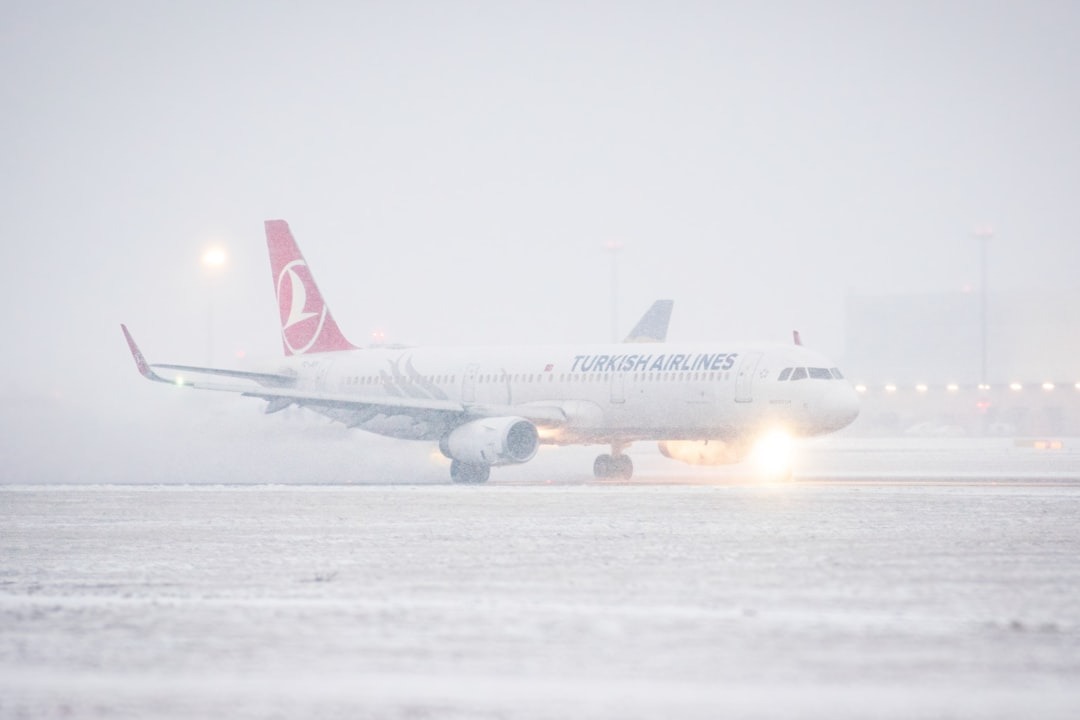
Winter storms create operational chaos at Northeast airports like Bradley International Airport (BDL) through a cascade of challenges.
De-icing requirements slow aircraft turnaround times by 15-30 minutes per plane. Runway operations shift to single-runway configurations when visibility drops below certain thresholds.
Crew duty limits mean pilots and flight attendants timing out in one city can’t operate their next scheduled flight, further complicating schedules.
As of Wednesday, January 22, 2026, Bradley Airport officials anticipated potential disruptions for weekend travel but hadn’t confirmed specific cancellations yet. This lag is normal.
Airlines make dispatch decisions closer to departure time based on updated weather models, FAA flow programs, and aircraft positioning. What looks manageable on Wednesday can deteriorate by Friday evening when the first inbound aircraft start missing their arrival windows.
Airport communication during weather events focuses on operational readiness rather than flight-by-flight status. Bradley’s public information officer Brian Spyros emphasized monitoring airline channels directly, not just airport announcements.
Your flight’s fate depends on decisions made at your carrier’s operations center, not Bradley’s terminals.
Hub Ripple Effects Reaching Bradley
The storm’s impact extends beyond Bradley’s runways. Spyros highlighted that disruptions at major hubs — Washington, Atlanta, Charlotte, and Dallas — would cascade to Northeast flights.
This ripple effect matters more than most travelers realize. Your Sunday evening flight from Bradley to Charlotte may operate using an aircraft that flew in from Atlanta that morning.
If Atlanta cancels that inbound flight due to weather, your Charlotte-bound departure disappears even if Bradley has clear skies. Crews face the same constraints; a flight attendant based in Dallas who can’t make it to Bradley due to weather grounds the flight they were scheduled to work.
Gate holds compound delays. Even minor weather disruptions at hubs create congestion that takes hours to clear: aircraft wait for gates, passengers miss connections, and airlines re-accommodate travelers onto already-full flights.
Monitor not just Bradley’s weather but conditions at your destination and major connecting hubs. A flight routed through Charlotte faces different risks than a nonstop to a less-impacted city.
Set up flight alerts through your airline’s app AND a third-party tracker like FlightAware. Airlines sometimes update their systems first, but trackers catch gate changes and delays faster.
Understanding Airline Storm Waivers
American Airlines and Delta activated travel waivers for eligible airports during the storm period. These waivers waive change fees but come with specific rules that trip up uninformed travelers.
Eligible airports typically include those in the storm’s direct path plus major hubs that feed them. Storm periods usually span 2-4 days around the weather event.
You can rebook once without a change fee, but you must keep the same origin and destination. Flying from Bradley to Miami instead of Charlotte requires paying any fare difference.
Same-cabin rules apply. If you booked economy, you stay in economy unless you pay to upgrade. Most waivers allow rebooking within 5-7 days of your original travel date.
Standby options become crucial during storms. If your Sunday evening flight cancels, ask to be placed on standby for every flight to your destination over the next 24 hours.
Elite status helps — you’ll clear standby lists ahead of non-elite travelers. Check your airline’s waiver bulletin directly; these bulletins contain exact eligible airport lists, specific date windows, and precise change-fee language.
Customer service agents reference these bulletins when processing changes.
Verifying Actual Cancellations vs. Forecasts
The January 22 advisories anticipated disruptions but didn’t confirm Sunday evening cancellations. This distinction matters: forecasts help you prepare; confirmed cancellations trigger specific rebooking and refund rights.
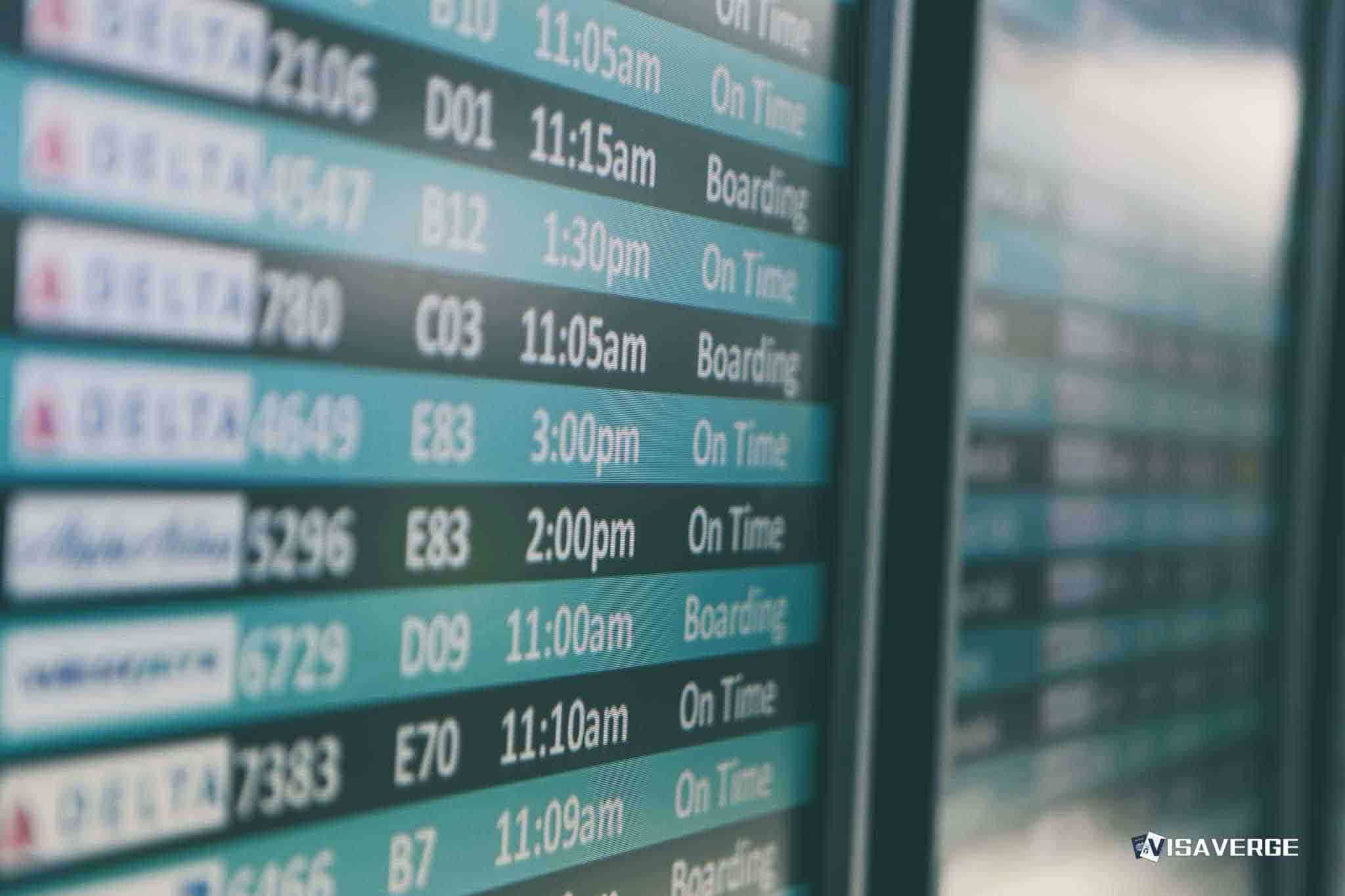
Verify through multiple channels. Your airline’s app shows the most current status and sends push notifications when your flight changes. Airport departure boards reflect real-time gate information and delays.
Third-party trackers like FlightAware aggregate data from multiple sources. Don’t rely on a single source — airlines sometimes update their apps before sending email notifications, and airport boards show gate assignments earlier than airline websites.
Customer service agents access systems that show inbound aircraft status and crew availability. Hold off traveling to the airport until check-in opens and your flight shows an on-time or delayed status — not canceled.
Arriving three hours early for a canceled flight wastes time better spent rebooking. Check status at the 24-hour, 12-hour, 6-hour, and 2-hour marks before departure.
If status shows uncertain or delayed, call the airline before leaving home. Gate agents can’t rebook you any faster than phone agents, but phone agents can help before you’ve invested time traveling to the airport.
Strategic Rebooking and Documentation
Storm waivers create strategic opportunities beyond just avoiding fees. You can move travel earlier if weather looks worse Sunday evening than Saturday afternoon.
You can route through less-impacted hubs or shift to morning departures that operate before afternoon storms intensify. Reconfirm status frequently as conditions change because airlines adjust schedules overnight.
Document everything for refund claims and reimbursement requests. Screenshot delay notifications showing your flight’s status progression and save cancellation emails and text messages.
Keep receipts for hotel rooms, meals, and ground transportation if you’re stranded. Credit card trip delay insurance typically requires 6-12 hour delays. DOT rules require refunds for canceled flights regardless of reason.
Know which coverage applies to your situation and what documentation each requires.
If your flight cancels, ask about routing through alternative hubs immediately. During major storms, seats on rerouted itineraries fill within hours as thousands of travelers scramble to rebook.
Official Sources and Passenger Rights
Check Bradley International Airport’s website and social media for operational updates about security lines, terminal advisories, and irregular operations messaging.
The airport posts information about parking lot closures, shuttle service disruptions, and access road conditions that affect your ability to reach your gate.
Contact your airline directly through their app, website, or customer service line. Don’t rely on third-party booking sites for rebooking during irregular operations; airlines prioritize their direct channels and may offer options not available through aggregators.
Passenger rights during weather cancellations differ from mechanical or crew-caused delays. Airlines must refund canceled flights but don’t owe compensation for weather disruptions beyond rebooking on their next available flight.
If you accept rebooking, you waive your refund rights for the original ticket. Some credit cards provide trip delay reimbursement after 6-12 hours.
Chase Sapphire Reserve covers up to $500 per ticket for reasonable expenses. Check your card’s specific terms and required documentation before making purchases you expect to claim.
If you’re flying Sunday evening through Tuesday morning from Bradley, verify your status every few hours. Weather models update constantly and airline operations adjust accordingly.
The difference between making your meeting and spending Monday night in an airport hotel often comes down to checking flight status one more time before leaving home.