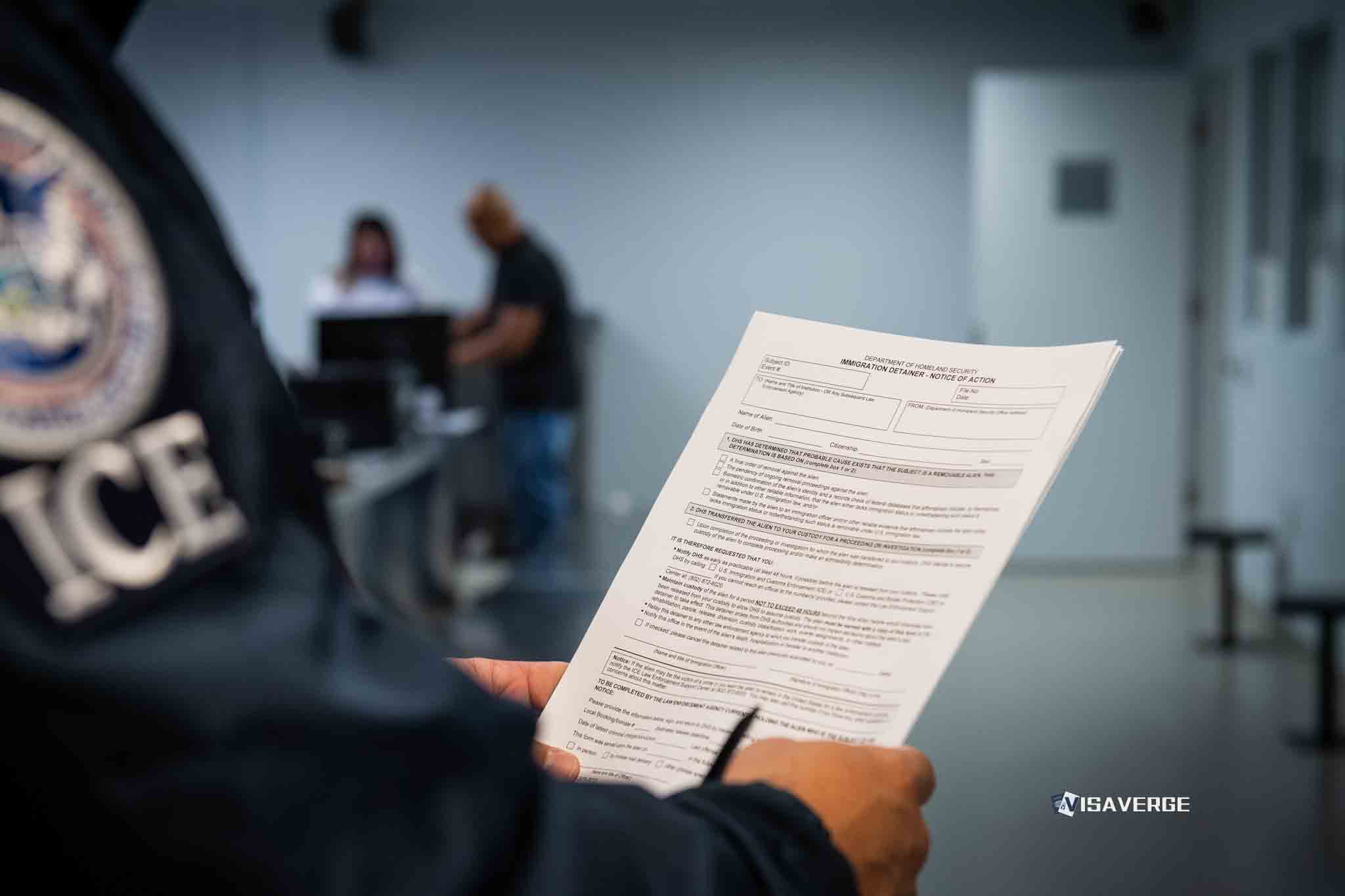
(UNITED STATES) The American Bar Association on August 12, 2025 issued a formal call urging the federal government to guarantee full due process protections for all immigrants in immigration proceedings, including people in detention and those placed in expedited removal. The statement lands during a fresh wave of policy shifts in President Trump’s second term that expand detention, narrow access to asylum, and limit legal protections that have long anchored the immigration court system.
The ABA said noncitizens must receive fair hearings and a real chance to defend themselves, regardless of status. The organization framed its demand as a response to federal actions that speed up deportations and widen detention—moves that, in practice, often leave people without lawyers and without a judge’s review before removal.

Those actions include the “One Big Beautiful Bill Act,” signed by President Trump on July 4, 2025, which allocates $45 billion for detention through 2029 and resumes family detention at scale. Executive orders issued in January rolled back Biden-era policies, prioritized aggressive enforcement, and largely shut the southern border to asylum seekers. Civil rights groups say the steps undermine basic court access and strain already crowded dockets.
Court oversight has emerged as a key counterweight. On April 29, 2025, a federal judge issued a preliminary injunction blocking the government’s attempt to cut legal services for unaccompanied immigrant children, noting that representation is vital to fair process. Multiple lawsuits also target restrictions on asylum, efforts to narrow birthright citizenship, and policies that shift long-standing humanitarian protections.
Policy Moves Driving the ABA Call
The ABA highlighted several recent policy changes as central to its demand for universal due process protections:
- Expansion of expedited removal nationwide.
- Immigration officers can now order deportations away from the border, often without a hearing, unless a person can show a “credible fear” or another form of relief.
- Access to counsel in these fast-track cases is not guaranteed.
- Increased detention and family custody.
- The OBBBA multiplies funding for ICE beds and permits what advocates call indefinite family detention, despite prior limits under the Flores Settlement Agreement.
- Rollback of relief programs.
- Efforts to end DACA and Temporary Protected Status (TPS), along with cuts to visas for crime victims, place hundreds of thousands at risk of losing protection.
- Tighter asylum rules.
- New barriers at the southern border and strict paperwork standards leave many unable to present claims at all.
- Pressure on local cooperation.
- States and cities face penalties if they limit assistance to federal immigration enforcement.
Constitutional and Practical Concerns
The Constitution’s Fifth Amendment extends due process protections to all “persons” in the United States, not only citizens. In practice, that means the right to a fair hearing and a chance to respond to the government’s case.
However, the growth of expedited removal and expanded detention has made those guarantees uneven:
- People stopped far from the border may be removed before they can contact a lawyer or compile evidence.
- Families and children can now be held longer, with few opportunities to see a judge.
- Fast-track procedures often leave no time to gather witnesses or documentation.
According to analysis by VisaVerge.com, the sharp increase in detention and the limits on legal help raise the risk of wrongful deportations—especially for people who cannot gather documents quickly or who fear speaking without counsel. The site notes that immigration lawyers, legal clinics, and national advocacy groups are scaling up emergency representation and filing impact cases to test the boundaries of new policies in federal court.
For official information about immigration courts and case procedures, the Department of Justice’s Executive Office for Immigration Review provides resources at https://www.justice.gov/eoir.
Human Impact and Legal Stakes
For people seeking safety, the changes are immediate and personal.
- Asylum seekers turned away at the border report being routed into fast-track processes that offer little chance to explain fear of return.
- Long-term residents with U.S. citizen children face arrest at home or work and then detention far from their families.
- Children who arrive alone—already among the most vulnerable—depend on pro bono representation to avoid mistakes that can define their lives.
- Families, DACA and TPS holders, and crime survivors report rising detention, fewer benefits, and reduced legal help.
Legal organizations argue these conditions conflict with constitutional guarantees and with international duties, including the ban on returning people to places where they face persecution. The ABA, in particular, urges:
- Universal access to legal representation in immigration courts and in any fast-track process that can lead to removal.
- Restoration of procedural safeguards that allow time to collect evidence, find witnesses, and prepare a defense.
“The country’s immigration system can enforce the law and still honor the Constitution’s promise of due process for everyone who appears before it.”
— Core message reflected in the ABA’s statement
Government Position and Outlook
The administration defends its strategy as necessary for national security and public safety. Supporters assert:
- Tough enforcement deters irregular migration.
- Stricter measures restore order to a broken system.
- Congressional action—rather than courts—should shape admission and removal rules.
At the same time, federal courts will likely decide many of the most contested issues in the months ahead. Pending litigation includes challenges to:
- The nationwide expansion of expedited removal.
- The legality of prolonged family detention.
- The rollback of long-standing relief programs such as DACA and TPS.
If judges find people are denied a meaningful chance to be heard, parts of the new framework could be paused or struck down. If not, the enforcement model will continue to shift power away from immigration judges and toward front-line officers.
Role of the ABA and Civil Society
The American Bar Association’s stance fits a long history of engagement on immigration law. Through pro bono projects and policy work, the ABA has:
- Supported legal access for detained adults and children.
- Pressed for clearer rules that match constitutional standards.
Civil rights groups are acting in parallel:
- Documenting conditions in detention.
- Gathering testimony from families.
- Organizing rapid-response legal teams during raids.
Congress may take up additional immigration bills, but the political outlook suggests limited room for broad compromise. As litigation proceeds and the OBBBA rolls out, states and cities will weigh how far to partner with federal enforcement. The outcome will shape daily life for millions—from asylum seekers at the border to long-settled families inside the country.
For now, the ABA’s message is simple and emphatic: the immigration system can enforce the law and still honor the Constitution’s promise of due process for everyone who appears before it.
This Article in a Nutshell
The ABA’s August 12, 2025 call demands universal due process as expedited removal, increased detention, and the OBBBA’s $45 billion funding threaten fair immigration hearings.