Key Takeaways
• The Trump administration may announce a new travel ban on March 13, 2025, adding Cuba 🇨🇺 and Haiti 🇭🇹.
• Affected nationals should enter the U.S. before implementation or avoid international travel if already residing there.
• A March 21, 2025, joint report will determine the final list of restricted countries based on vetting and security concerns.
The Trump administration is reportedly preparing to announce a new and expanded version of its travel ban policy, which could greatly affect nationals from several nations. Among the most notable inclusions in this prospective list are Cuba 🇨🇺 and Haiti 🇭🇹. This decision has sparked unease in these communities and heightened concern among immigration experts and policymakers. If implemented, this expanded ban could significantly alter U.S. relations with these countries, while creating challenges for many individuals with ties to the United States.
What’s Happening Now
As of March 12, 2025, it has been reported that the administration is finalizing a fifth iteration of the travel ban. This would add Cuba and Haiti to a list of countries already subjected to travel restrictions. President Trump’s Executive Order 14161, signed on his first day back in office, instructed key officials to identify nations with insufficient vetting and security measures. A joint report due on March 21, 2025, from these officials is expected to guide the final list of banned countries.
Reports suggest that the travel ban will again focus on countries whose nationals could face either partial or full bans on entering the United States. Haiti and Cuba’s inclusion signals a significant policy shift towards these Caribbean nations. The Trump administration is expected to announce the finalized policy as soon as March 13, 2025, underscoring the urgency with which these changes are being pursued.
A Broader List of Affected Nations
The upcoming travel ban is anticipated to not only retain its existing geographical scope but also extend to include new countries. While nationals from countries previously listed—such as Iran 🇮🇷, Syria 🇸🇾, and Libya 🇱🇾—will continue to face restrictions, the projected additions are Cuba 🇨🇺 and Haiti 🇭🇹, with other Caribbean countries potentially being considered.
The comprehensive list of countries being eyed for inclusion reportedly includes:
- Afghanistan 🇦🇫
- Cuba 🇨🇺
- Haiti 🇭🇹
- Iran 🇮🇷
- Iraq 🇮🇶
- Lebanon 🇱🇧
- Libya 🇱🇾
- North Korea 🇰🇵
- Palestine 🇵🇸
- Pakistan 🇵🇰
- Somalia 🇸🇴
- Sudan 🇸🇩
- Syria 🇸🇾
- Venezuela 🇻🇪
- Yemen 🇾🇪
If fully implemented, this coalition of affected nations will mark one of the largest and most encompassing versions of the travel ban since its inception.
Impacts on Cuba and Haiti
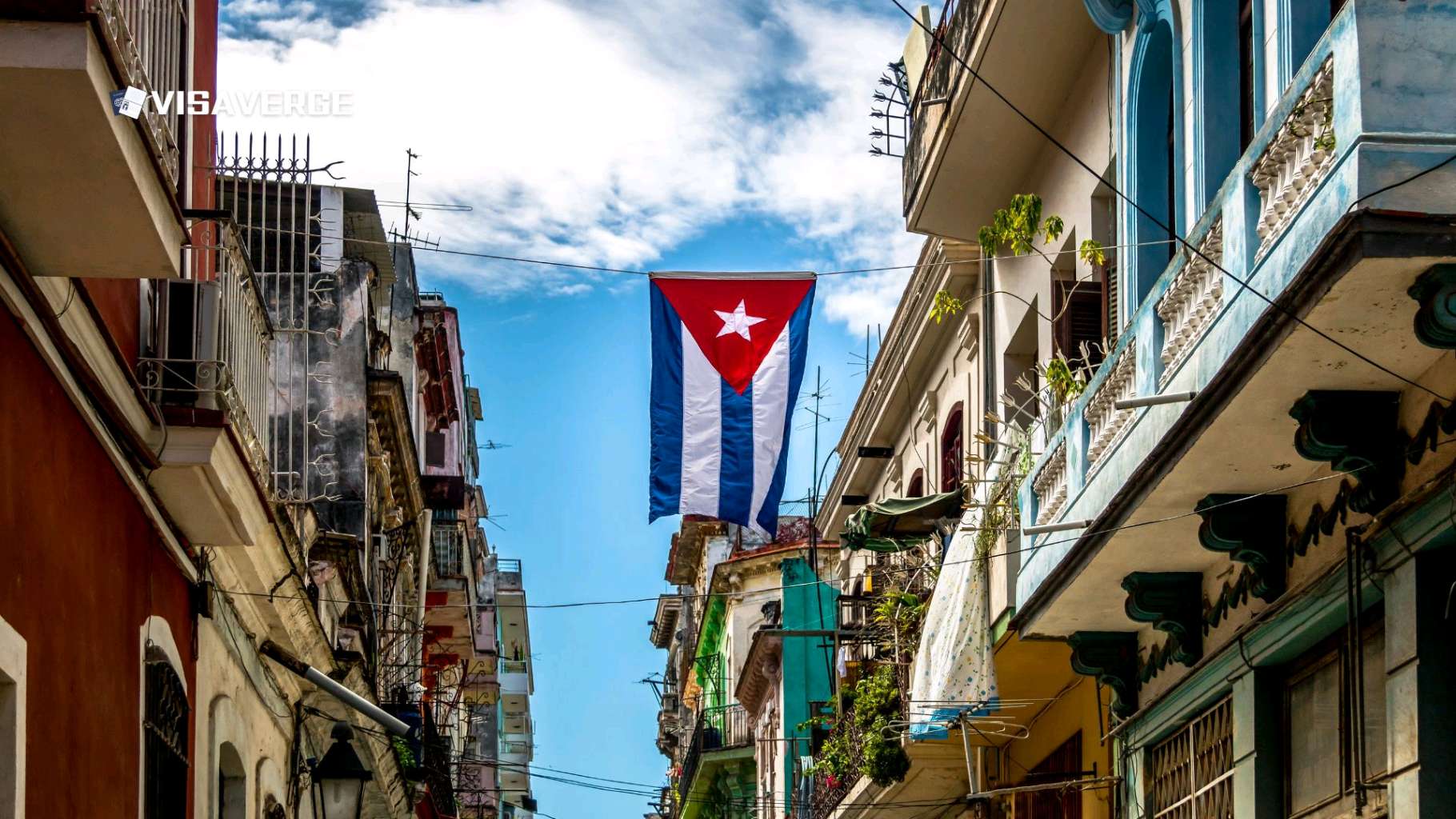
The inclusion of Cuba and Haiti in the list of restricted nations could have severe implications for both nations and their nationals. Cuba’s potential addition is indicative of a major policy reversal, especially in light of efforts in prior years to normalize relations with the United States. Following policy shifts during President Obama’s administration, the U.S. engaged in renewed diplomatic relations with Cuba, initiating travel, trade, and cultural exchanges. However, subsequent administrations have rolled back many elements of this rapprochement, and Cuba’s inclusion in this travel ban would further chill relations between the two nations.
For Haitian nationals, the timing of these potential restrictions could devastate families and individuals seeking better opportunities. Haiti is grappling with ongoing political turmoil and economic hardship, not to mention the lasting consequences of past natural disasters. The ban would make it much harder for Haitians to seek refuge, employment, or long-term opportunities in the United States. Additionally, many Haitians in the U.S. could face familial separation, a reality that is already feared by immigrant communities.
Challenges and Legal Hurdles
The Trump administration has previously faced significant legal challenges when implementing earlier versions of the travel ban. The first iteration, introduced in 2017, was quickly met with lawsuits and temporary injunctions by federal courts. Though revised versions addressed some concerns, including clarification of national security justifications, they were also subject to lawsuits alleging discrimination based on nationality and religion.
In 2018, the Supreme Court ruled 5-4 in favor of enforcing the third version of the travel ban, arguing that the restrictions fell within the administration’s authority to regulate immigration. Any new travel ban, especially one including additional countries, is expected to be challenged in court once again. Immigration advocates and civil rights organizations are already voicing strong opposition and preparing legal strategies to contest the upcoming policy.
While President Trump has justified these bans as actions to safeguard national security, critics argue that the policy disproportionately targets certain nations without clear evidence of their posing security threats. Countries frequently included on the travel ban list are not necessarily those associated with high risks of terrorism, sparking concerns that discriminatory motives shape its creation.
Guidance for Affected People
For those who could be impacted by the expanded travel ban, immigration experts advise being proactive and cautious. Here is the key advice for affected individuals:
- Delay International Travel: Nationals from countries being reviewed for the ban, particularly Cuba 🇨🇺 and Haiti 🇭🇹, should avoid traveling abroad if they are currently in the U.S. on valid visas or green cards. Departing could risk complications re-entering the United States.
- Enter the U.S. Before Implementation: For individuals outside the U.S. but holding valid visas, it is strongly recommended to enter immediately before the potential ban goes into effect.
-
Seek Legal Advice: Consulting with immigration lawyers is essential. Immigration attorneys can help individuals understand their rights, prepare contingencies, and ensure compliance with any changes in U.S. immigration law.
-
Remain Updated: Given the fast-evolving situation, it is critical to follow verified government sources and official notifications. Readers can find reliable updates on policies through official government immigration resources, such as U.S. Citizenship and Immigration Services (USCIS).
Being prepared could help mitigate some of the uncertainties arising from policy changes.
Broader Implications of U.S. Immigration Policy
The expanded travel ban sheds light on the Trump administration’s broader immigration priorities. While earlier bans cited risks related to terrorism, this new iteration appears to largely focus on what the administration views as insufficient security vetting in certain nations. National security remains the stated justification behind the policy, with officials stressing the importance of stringent vetting processes to keep Americans safe.
However, critics point out that such measures deeply impact international relations and human rights. For Cuba, the expanded travel ban could harden its already tense relationship with the U.S., particularly following years of shifting diplomacy. For Haiti, the new restrictions are likely to heighten existing difficulties, making the plight of Haitians seeking security and economic stability even more precarious.
This expanded ban also reaffirms the focus on restricting immigration from nations residing outside mainstream U.S. allies. Immigration advocates argue that policies like these send a broader message about how the United States values—or undervalues—those from affected regions.
The Road Ahead
With March 21, 2025, set as the deadline for the administration’s joint report on deficient vetting systems, it is expected that more substantive details about the expanded travel ban will emerge shortly thereafter. The rapid pace at which these policies are being developed underscores the importance of staying informed.
Against the backdrop of legal battles, diplomatic tensions, and the concerns of affected individuals, the Trump administration’s immigration policy continues to evolve. “VisaVerge.com’s investigation reveals that while national security considerations remain the backbone of these changes, critics are challenging their fairness and effectiveness in terms of protecting public safety.”
Legal challenges are almost a certainty once the policy is implemented, but until then, many families and individuals will continue to grapple with the uncertainty and potential disruptions the policy portends.
Final Thoughts
As March 12, 2025, comes to a close, the Trump administration’s expanding travel ban—potentially affecting nations like Cuba 🇨🇺 and Haiti 🇭🇹—remains a central issue in U.S. immigration. For those in affected nations, the stakes could not be higher. With families at risk of separation and diplomatic relations likely to worsen, this policy underscores the growing divide over the direction of U.S. immigration strategies. Watching future legal decisions and government responses will be critical as the world assesses the broader implications of this new travel ban.
Learn Today
Travel Ban → A government policy restricting entry of nationals from specific countries for security, political, or other reasons.
Executive Order → A directive by the U.S. President, having the force of law, used to manage federal government operations.
Vetting → The process of thoroughly examining or evaluating individuals or systems, especially for security and eligibility purposes.
National Security → Policies and measures taken by a government to protect its nation from threats and maintain safety.
Injunction → A legal order stopping an action temporarily or permanently, often used in response to controversial policies.
This Article in a Nutshell
The Trump administration plans to expand its travel ban, targeting Cuba 🇨🇺 and Haiti 🇭🇹. This move raises immigration concerns, threatens family separations, and risks worsening U.S. relations with these nations. Critics question its fairness, while affected individuals face uncertainty. Legal battles loom, shaping a polarizing debate on national security versus human rights.
— By VisaVerge.com
Read more:
• Trump Administration Ends Protections for 240,000 Ukrainians in U.S.
• Trump Ends Federal Benefits for Undocumented Immigrants with New Order
• ICE Detention Expands as Immigrants Plead Their Cases in Crowded Courts
• Trump Moves to End TPS for Venezuelans, Leaving Thousands in Limbo
• Tragedy at Canada-U.S. Border: 1 Dead, 15 Arrested Amid Stricter U.S. Policies
Live Government Data
State Dept • CBPBusiest Border Crossings
- Otay Mesa 190 min
- San Ysidro 155 min
- Nogales 150 min