Quick Glance:
- ESTA is a required travel authorization for visitors coming to the United States under the Visa Waiver Program (VWP).
- The application process is online, quick, and offers multiple entries into the U.S. for up to two years.
- Applying for ESTA is crucial for eligible travelers, but it does not guarantee entry into the United States. Are you planning a trip to the United States for business, tourism, or transit purposes? If so, you might need to apply for an Electronic System for Travel Authorization or ESTA before you pack your bags. Designed to enhance security, the ESTA is an automated system that determines the eligibility of visitors to travel to the U.S. under the Visa Waiver Program (VWP). Let’s take a closer look at what ESTA is and how it functions.
Understanding ESTA
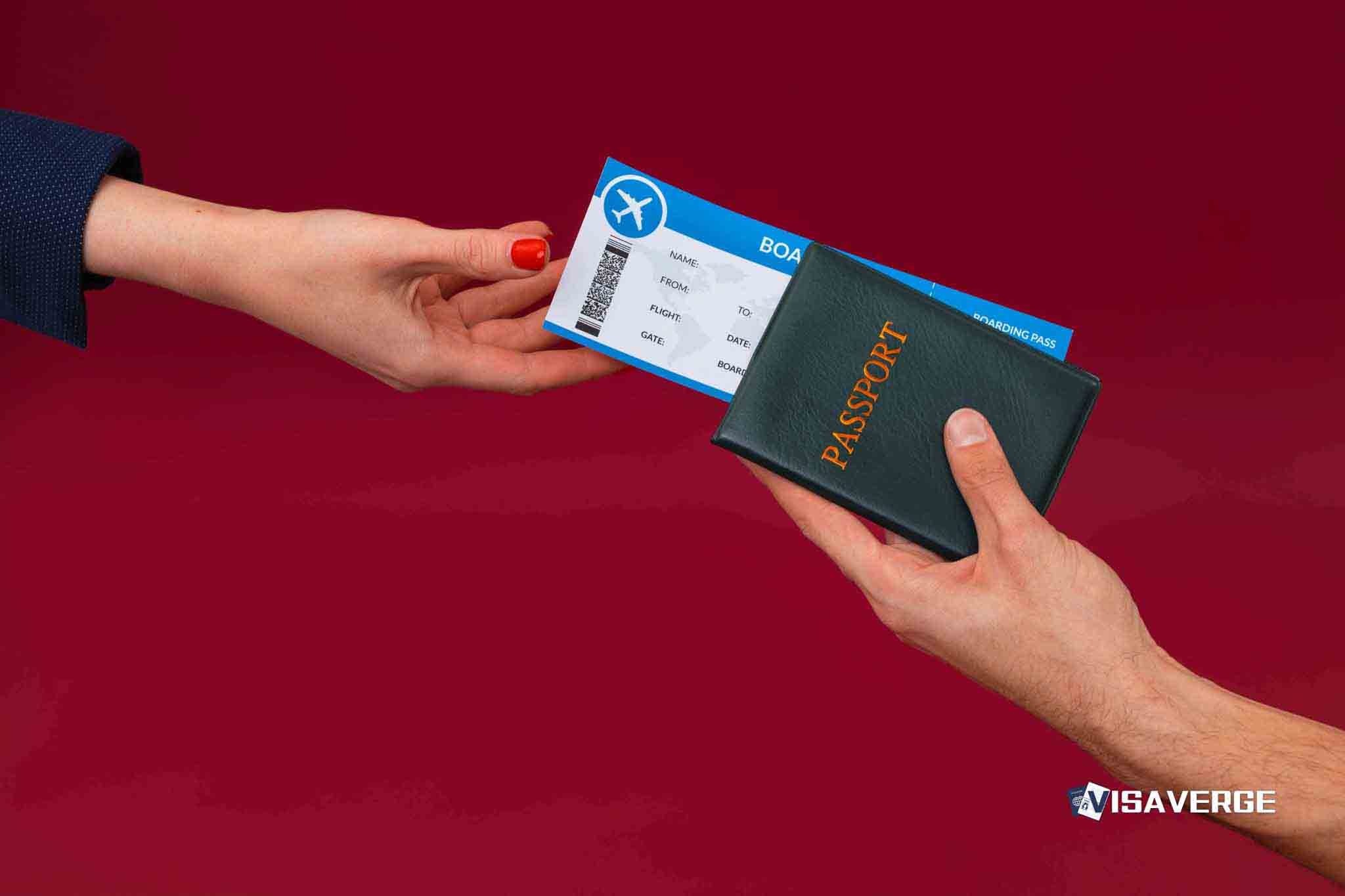
ESTA is not a visa; it is a required travel authorization for travelers coming to the United States under the VWP. The Visa Waiver Program allows citizens or nationals from participating countries to travel to the U.S. for tourism or business for stays of 90 days or fewer without obtaining a visa. Nevertheless, obtaining an approved ESTA is a mandatory step prior to boarding a U.S.-bound airplane or cruise ship.
How Does ESTA Work?
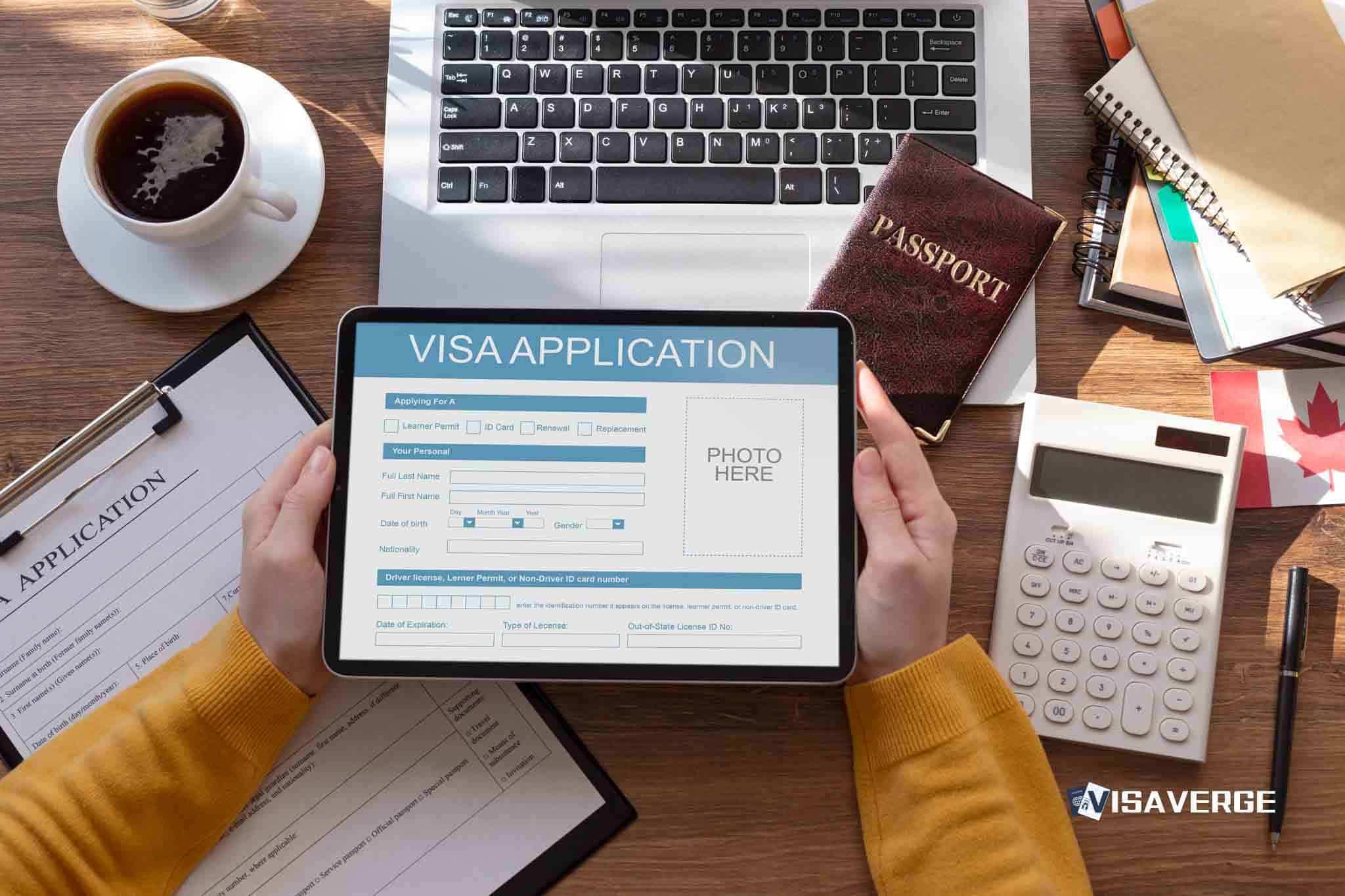
The process is quite straightforward. You simply need to fill out an application online, which asks for your biographical information and answers to a set of security and eligibility questions. The U.S. Department of Homeland Security administers the program, and you can apply for ESTA at CBP’s ESTA official website.
Benefits of ESTA
Ease and Efficiency: The application process is entirely online. Most applicants can expect a response within minutes.
Planned Travel: An ESTA authorization is usually valid for two years and allows for multiple entries into the United States during that period.

Applying for ESTA
Before applying, it is advised to prepare the necessary information and documents:
- A valid passport from a VWP country.
- A credit card (MasterCard, VISA, American Express, and Discover) or PayPal to pay the application fee.
- Your contact information.
- Your recent employment history, if applicable.
The application is straightforward to complete:
- Visit the official ESTA website and fill out the application.
- Upon completion, review the application for accuracy.
- Pay the non-refundable application fee.
- Submit your application and note down the confirmation number.
It’s crucial to ensure that all details are accurate as mistakes can lead to delays or even denial of your authorization.
Frequently Asked Questions
- Do I Always Need an ESTA? If you’re entering the U.S. under the VWP by air or sea, you will require an ESTA. It’s advisable to apply as soon as you start planning your trip, and no less than 72 hours before your travel date.
- What if My ESTA Application is Denied? An ESTA denial does not fully determine your eligibility for travel to the U.S., nor does it prevent you from applying for a visa.
Keep in Mind
- An approved ESTA does not guarantee entry into the United States as the final determination is made by Customs and Border Protection officers upon arrival.
- An ESTA does not satisfy legal requirements for those with a suspended visa or other inadmissibility issues.
In Summary
Applying for an ESTA is a quick and necessary step for those eligible for travel under the Visa Waiver Program to ensure a smooth experience entering the U.S. Always double-check the information you provide, apply in advance, and ensure you understand the conditions of your authorization.
Travelers can find more information and assistance on the U.S. State Department website or consult embassy and consulate resources if they encounter issues or have more complex situations. Remember, staying informed and prepared is key to a stress-free journey to the United States. Safe travels!
So there you have it, my fellow travel enthusiasts! Now you know what this ESTA business is all about. It’s like a high-tech permission slip to enter the land of burgers and Hollywood. Just remember to apply in advance, dot your i’s and cross your t’s, and you’ll be on your way in no time. If you want to dive deeper into the world of travel authorizations and visa regulations, hop on over to visaverge.com. It’s like Narnia for travel nerds like us. Happy exploring, and safe travels!
FAQ’s to know:
FAQ 1: Do I always need an ESTA?
If you’re entering the U.S. under the VWP by air or sea, you will require an ESTA. It’s advisable to apply as soon as you start planning your trip, and no less than 72 hours before your travel date. Applying for an ESTA is a quick and necessary step for those eligible for travel under the Visa Waiver Program to ensure a smooth experience entering the U.S.
FAQ 2: What if my ESTA application is denied?
An ESTA denial does not fully determine your eligibility for travel to the U.S., nor does it prevent you from applying for a visa. If your ESTA application is denied, you can still pursue alternative avenues for travel by applying for a visa through the U.S. embassy or consulate. It’s important to keep in mind that an approved ESTA does not guarantee entry into the United States, as the final determination is made by Customs and Border Protection officers upon arrival.
FAQ 3: What are the benefits of ESTA?
The ESTA application process is entirely online, providing ease and efficiency. Most applicants can expect a response within minutes. An ESTA authorization is usually valid for two years and allows for multiple entries into the United States during that period, making it convenient for planned travel. However, it’s essential to note that an ESTA does not satisfy legal requirements for those with a suspended visa or other inadmissibility issues.
What did you learn? Answer below to know:
- True or False: An ESTA is a required travel authorization for travelers coming to the United States under the Visa Waiver Program (VWP).
- What is the validity period for an approved ESTA? a) 30 days b) 1 year c) 2 years d) 5 years
- When should you apply for an ESTA? a) At least 72 hours before your travel date b) After you arrive in the United States c) Just before boarding your flight or cruise ship d) Anytime during your trip
Did you Know?
Did You Know?
1. True or False: An ESTA is a required travel authorization for travelers coming to the United States under the Visa Waiver Program (VWP).
2. What is the validity period for an approved ESTA? a) 30 days b) 1 year c) 2 years d) 5 years
3. When should you apply for an ESTA? a) At least 72 hours before your travel date b) After you arrive in the United States c) Just before boarding your flight or cruise ship d) Anytime during your trip
Fascinating Facts about Immigration:
1. The United States has been a top destination for immigrants from around the world for centuries. Did you know that nearly 14% of the U.S. population is made up of immigrants? That’s roughly 44 million people!
2. Immigration can have a significant impact on a country’s economic growth. Studies show that immigrants contribute greatly to entrepreneurship and job creation. In fact, more than 40% of Fortune 500 companies were founded by immigrants or their children.
3. Have you ever wondered which country has the highest number of immigrants living abroad? It’s India! As of 2020, India had the largest diaspora population, with over 18 million Indians living in other countries.
4. Immigrants have played a crucial role in shaping American culture. Did you know that iconic American symbols like the hot dog and fortune cookies were brought to the United States by immigrants?
5. The United States has a long history of welcoming refugees. In fact, from 1975 to 2019, the U.S. admitted over 3.4 million refugees, providing them with the opportunity to start a new life and contribute to society.
By exploring these lesser-known facts about immigration, we can gain a deeper understanding of the impact and importance of immigration in our society.
Learn Today: Key Terms Explained
Glossary or Definitions
-
ESTA: Electronic System for Travel Authorization. It is a required travel authorization for travelers coming to the United States under the Visa Waiver Program (VWP). ESTA is not a visa but is necessary for eligible travelers to board a U.S.-bound airplane or cruise ship.
-
Visa Waiver Program (VWP): A program that allows citizens or nationals from participating countries to travel to the United States for tourism or business for stays of 90 days or fewer without obtaining a visa.
-
Biographical information: Personal information about an individual, such as their name, date of birth, and nationality.
-
U.S. Department of Homeland Security: The government agency responsible for ensuring the security and safety of the United States, including managing immigration and border control.
-
Application fee: The fee charged for submitting an application, in this case, the fee required to apply for ESTA.
-
Confirmation number: A unique identification number provided to an applicant upon successful submission of the ESTA application.
-
Customs and Border Protection (CBP): A U.S. federal agency that manages the flow of people, goods, and vehicles into and out of the United States, including immigration enforcement and border security.
-
Non-refundable: Describes a fee or payment that cannot be returned or reimbursed if the application is denied or revoked.
-
Embassy: The official office of a country’s government in another country. Embassies provide consular services, including assistance to citizens traveling or living abroad.
-
Consulate: A branch office of an embassy located in another city or region within a country. Consulates often provide similar services to embassies but on a smaller scale.
-
Visa: An official document or endorsement on a passport that allows a person to enter, leave, or stay in a country for a specific purpose and duration.
-
Authorized traveler: A person who has obtained an approved ESTA and is permitted to travel to the United States under the Visa Waiver Program.
-
Inadmissibility issues: Factors or conditions that may disqualify a person from entering or staying in a country, such as criminal history or health-related concerns.
-
Visa regulations: Laws and rules that govern the issuance, use, and requirements of visas for entry into a country.
-
Valid passport: A passport that is not expired or damaged and meets the requirements of the country being visited.
-
Eligibility: The criteria or conditions that must be met for someone to be qualified or entitled to a specific benefit or privilege.
-
Security questions: Questions designed to assess the security and eligibility of an individual applying for an ESTA, typically related to travel history, criminal record, and potential risks.
-
Visa denial: The rejection of an application for a visa, usually due to reasons such as the applicant’s ineligibility, incomplete documentation, or failure to meet specific requirements.
-
Alternative avenues for travel: Other options or methods for entering a country, such as applying for a visa through an embassy or consulate, when an ESTA application is denied.
-
Authorized travel period: The duration of time during which an approved ESTA is valid, typically two years, allowing for multiple entries into the United States within that period.