- Applicants must provide documented good cause to reschedule a citizenship interview without risking case closure.
- Missing an appointment without notice allows USCIS to administratively close your N-400 application.
- A one-year window exists to reopen a closed case before a full refile is required.
A USCIS Citizenship Interview can still be rescheduled in 2026, but timing now matters more than ever. If you file an N-400 and miss your appointment without notice, USCIS can close the case, and you may face a year-long reopening deadline or a full refile with new fees.

That is why rescheduling has become a high-stakes step in the naturalization process. Backlogs remain heavy, interview delays are common, and some applicants are dealing with medical issues, family emergencies, travel disruptions, or sudden work conflicts. VisaVerge.com reports that careful, documented requests are the best way to protect a pending naturalization case.
The place of rescheduling in the naturalization journey
Most N-400 cases move through biometrics, interview, decision, and oath. USCIS says the process often takes months, and field office queues remain uneven across the country. In busy offices, a rescheduled interview can add weeks or even months to the wait. For applicants whose status, work plans, or travel plans depend on a fast decision, that delay is more than an inconvenience.
The key point is simple: USCIS expects people to show up unless they have a real reason not to. A missed interview without notice is treated as abandonment risk. A timely request, backed by proof, is treated very differently.
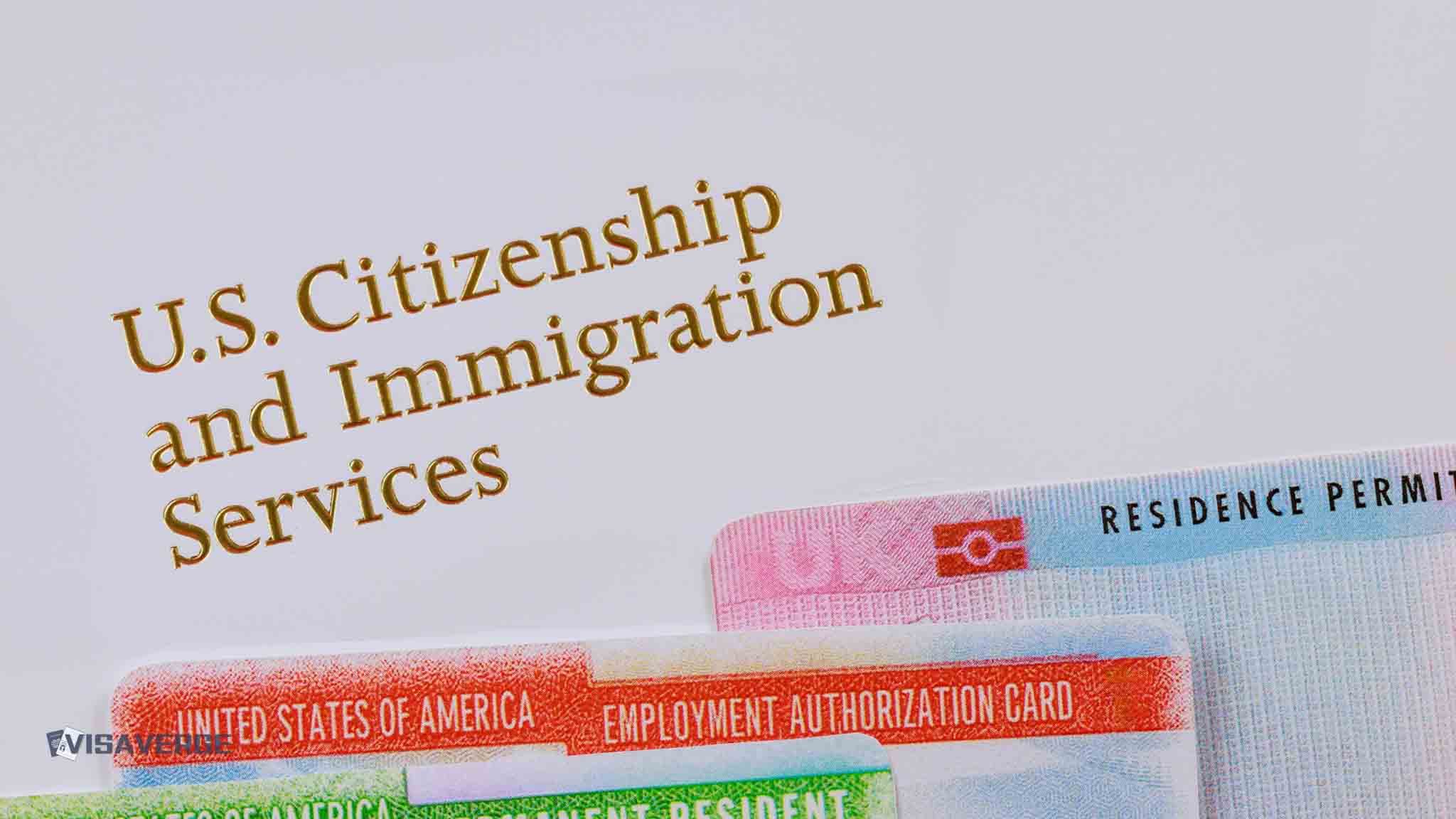
For official guidance on naturalization interviews, USCIS publishes information on its naturalization test and interview page. For the application itself, the official form is Form N-400, Application for Naturalization.
Reasons USCIS accepts for a new interview date
USCIS looks for good cause. That means a reason outside your control, not a simple preference. The strongest requests are usually tied to events that make attendance impossible or unsafe.
Common accepted reasons include:
- Illness or medical emergency. A contagious illness, hospitalization, or doctor-ordered rest carries weight.
- Family emergency. A death, hospitalization, or serious crisis involving a close relative can justify rescheduling.
- Natural disaster or accident. Flooding, storms, car accidents, and other serious disruptions can prevent travel.
- Military duty or essential work conflict. Active-duty service and certain mandatory work assignments receive serious review.
- Mailing or address problems. If USCIS sent the notice to an old address after you updated your file, that supports your request.
Weak reasons usually fail. Routine vacations, minor calendar conflicts, and general inconvenience do not persuade USCIS officers. The agency also wants evidence. Doctor letters, hospital records, death notices, police reports, flight records, or disaster-related documents strengthen the request. Copies are usually enough.
How to ask for rescheduling without risking the case
There is no special form for rescheduling a USCIS Citizenship Interview. The notice for your interview controls the process. Some field offices accept phone requests first, while others want a written request or an online message. If you have a lawyer, the lawyer can often send the request directly.
The safest approach is to act quickly and keep records.
- Contact USCIS as soon as the conflict appears. Waiting until the interview day creates avoidable risk.
- Use every channel listed on the notice. That can include the Contact Center, a mailed letter, or a my.uscis.gov message.
- Include full identifying details. Name, date of birth, A-number, receipt number, address, and interview date should all appear.
- Attach proof. A short letter should explain the reason and ask for a new date.
- Keep copies and tracking. Certified mail or another tracked method is smart when you send paper documents.
Most offices take about 4 to 8 weeks to issue a new date, though high-volume cities can take longer. If the original interview date is close and USCIS has not replied, applicants often still attend with their request letter and evidence in hand.
What happens after a missed interview
Missing the interview without notice creates the worst outcome. USCIS can administratively close the N-400 case. In that situation, the applicant usually has one year to ask USCIS to reopen the case. If that deadline passes, the person may need to file a new application and pay new fees.
When the applicant requests a change before the interview date, USCIS may reopen the file without a fee and issue a new appointment. The timing of the request matters. The closer the request is to the interview, the more important the evidence becomes.
A no-show can also create problems beyond the naturalization file. Delays can affect work authorization, travel planning, and any related immigration timeline. For people whose benefits or status depend on steady progress, the impact can be harsh.
Field office delays and the 2026 backlog problem
Rescheduling does not happen in a vacuum. USCIS offices are still dealing with uneven workloads. Some places move cases steadily. Others have long queues that stretch the wait for a new interview date.
That is why applicants are hearing rumors about freezes, slowdowns, and office-specific pauses. USCIS has not issued a universal freeze announcement, but backlogs are real. In practical terms, a reschedule request in a busy office can push the case back far longer than expected.
Applicants should keep checking case status and mail closely. If the address changes, update it immediately through USCIS so the new notice reaches the right home.
A few practical lessons from recent cases
A hospital stay two days before the interview, followed by a quick phone call and mailed doctor’s note, has led to a new appointment within weeks. A family funeral backed by a death notice and travel record has also been accepted. A storm-related no-show was reopened after a timely written request with police documentation.
These cases show the same pattern. Fast action, clear evidence, and direct communication help. Silence does not.
Common mistakes that hurt an N-400 case
- Waiting until the interview day to act
- Sending no proof
- Using vague reasons
- Mailing the request to the wrong office
- Ignoring USCIS letters
- Missing the one-year reopening window after closure
The USCIS Citizenship Interview is too important to handle casually. Rescheduling protects the case when the reason is real and the request is documented. Done late or done badly, it can put months of work at risk.