- Connecticut courts continue holding naturalization ceremonies amid heightened security screenings and a selective travel ban.
- A federal policy pause affects nearly 40 countries designated as high-risk, freezing their citizenship applications.
- State lawmakers advanced a bill allowing lawsuits against federal agents for unauthorized use of force in Connecticut.
(CONNECTICUT) — Connecticut courts continued holding Citizenship ceremonies on Thursday as immigrants and their families gathered in Hartford and Bridgeport under tighter scrutiny, an ICE crackdown, and a naturalization pause affecting applicants from nearly 40 countries.
The ceremonies still marked the final step into U.S. citizenship for many new Americans. Yet the celebrations carried what participants and officials described as “mixed emotions,” with joy inside courtrooms colliding with fears of detention, deportation and abrupt processing halts outside them.
Free toolSubstantial Presence Test Calculator
U.S. Citizenship and Immigration Services has tied recent delays and cancellations to security screening. In a March 30, 2026 update on strengthened screening and vetting, the agency said earlier measures were “wholly inadequate” and that it is now vetting aliens to the “maximum degree possible,” especially those from regions with identified security risks.
A day earlier, USCIS officials explained the suspension for certain applicants in a statement issued on March 29, 2026. “The pause will allow for a comprehensive examination of all pending benefit requests for aliens from the designated high-risk countries. The safety of the American people always comes first.”
Those steps sit at the center of the naturalization pause now shaping ceremonies in Connecticut. Under Policy Memorandum PM-602-0194, issued January 1, 2026, USCIS placed an adjudicative hold on pending benefit applications for nationals of 39 to 40 countries identified in Presidential Proclamation 10998.
The countries named include Afghanistan, Haiti, Iran, Syria and Venezuela, along with several nations across Africa and the Middle East. That policy has delayed or frozen cases that otherwise appeared close to completion, including naturalization oaths.
USCIS adjusted the policy on March 30, 2026, when it said it would resume processing for “non-high-risk” countries that pass enhanced vetting. The additional checks include social media and criminal database cross-checks, while the freeze remains in place for the approximately 40 “high-risk” nations.
Matthew Tragesser, a USCIS spokesman, defended the slower pace earlier this year. “USCIS will not take shortcuts in the adjudications process. For years, the [previous] administration prioritized rubber-stamping naturalization applications with minimal vetting,” he said on January 25, 2026.
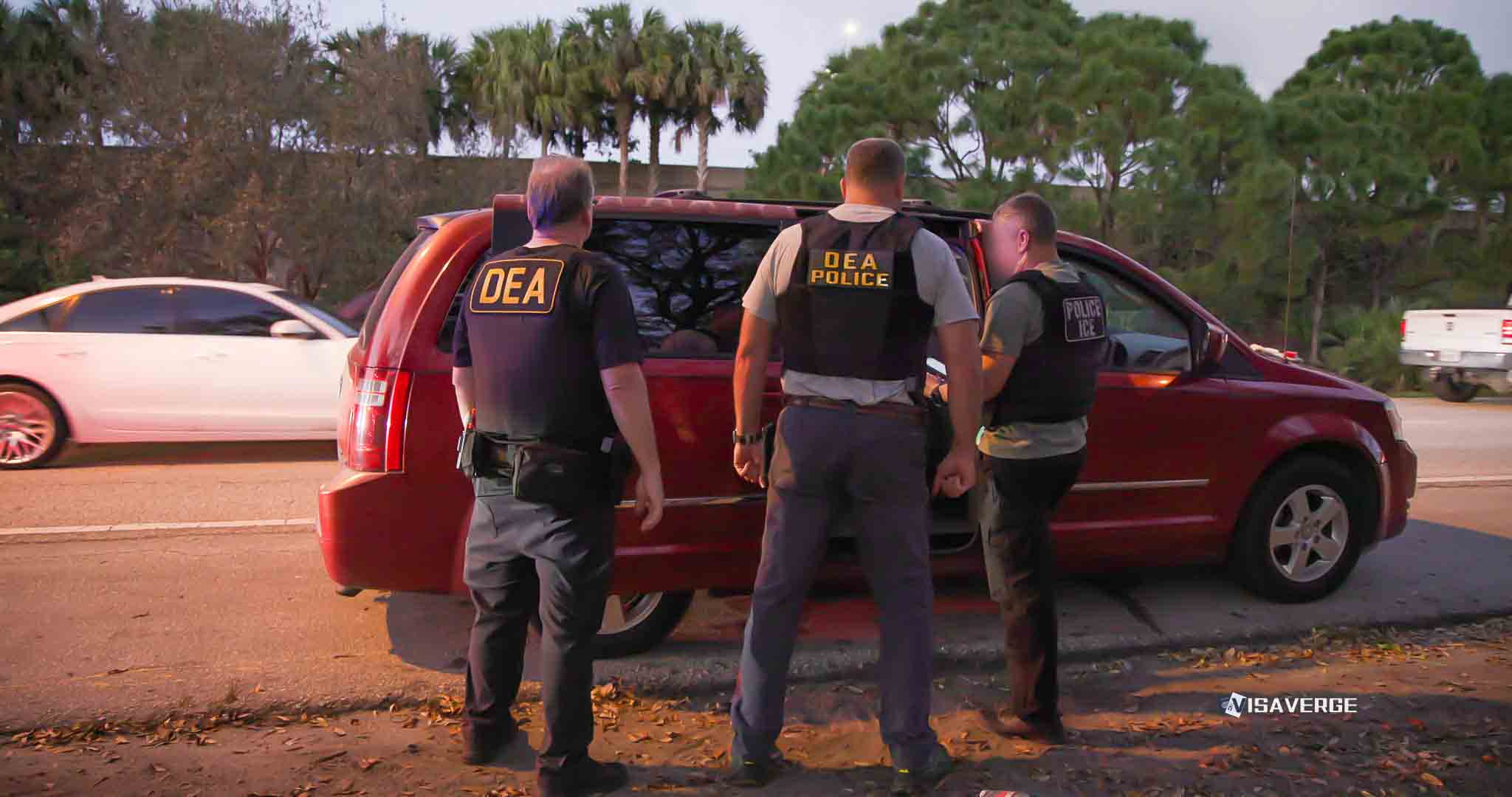
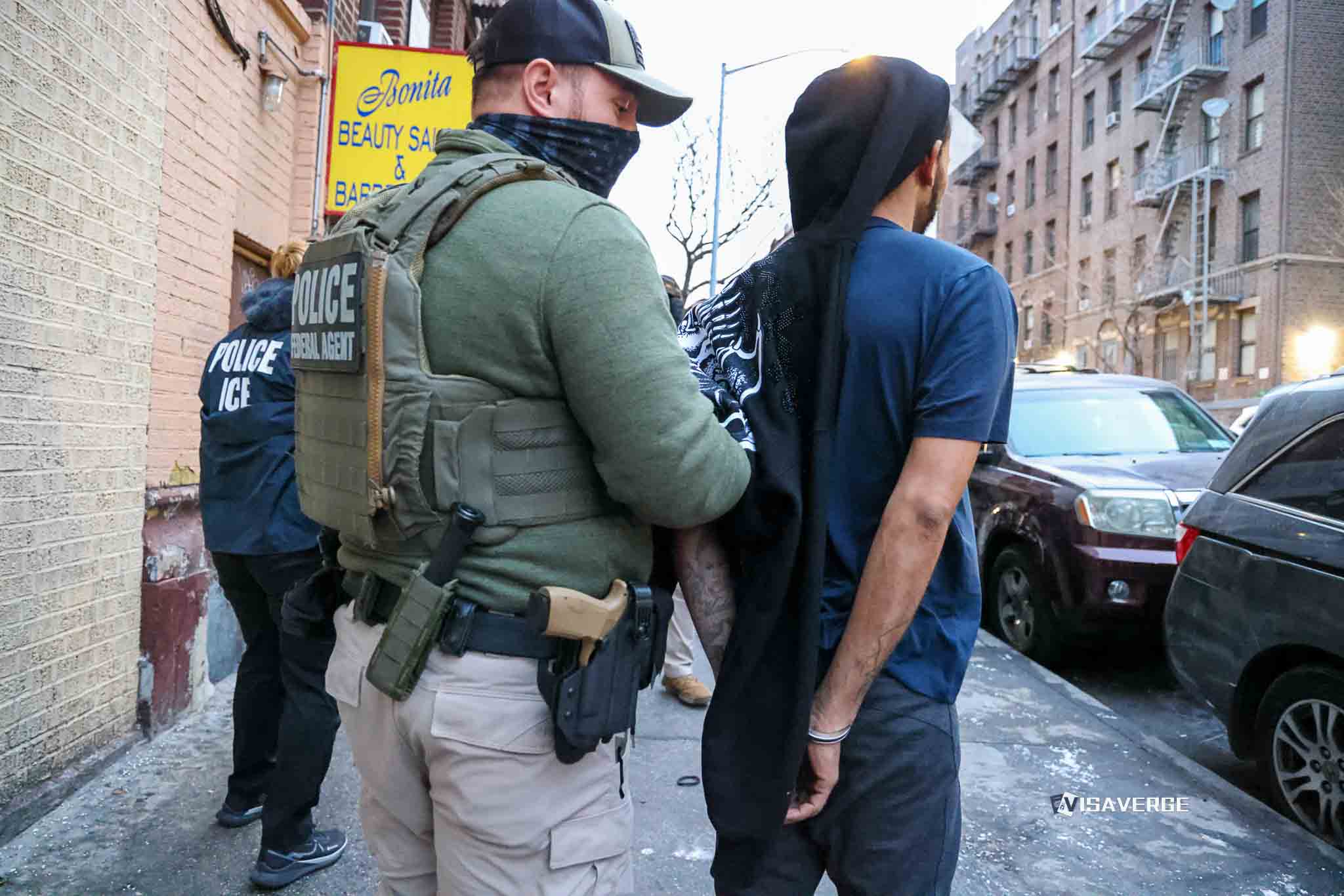
The harder line has extended beyond adjudications. A Department of Homeland Security spokesperson said on March 26, 2026 that arrests at immigration courthouses would continue. “We will continue to arrest illegal aliens at immigration courts following their proceedings. Nothing prohibits arresting a lawbreaker where you find them.”
That stance has fed anxiety around public appearances at federal buildings and courthouses, even during events meant to welcome new citizens. It has also deepened the emotional split surrounding Connecticut ceremonies, where the American Dream celebrated in the courtroom now unfolds beside concern over what some attendees described as a mass deportation agenda.
An internal ICE memo dated Jan 21, 2026 added to those fears. The memo reportedly authorized agents to use “necessary and reasonable amount of force” to enter residences based on administrative warrants, Form I-205, rather than judicial warrants, when targeting people with final removal orders.
Connecticut lawmakers moved on April 2, 2026 to answer some of that pressure at the state level. They advanced Senate Bill 397, which seeks to allow individuals to sue federal agents under state law for “unjust acts” or unauthorized use of force.
The state measure emerged as federal enforcement practices drew sharper attention in communities with large immigrant populations. Connecticut officials have also faced growing calls to explain court policies and reassure families attending hearings and ceremonies at the Connecticut Judicial Branch.
In courtrooms, judges have acknowledged the strain directly. Federal judges including Stefan Underhill in Bridgeport and political figures including Senator Richard Blumenthal have used ceremony remarks to address fear inside immigrant communities.
During a January ceremony, Underhill apologized to new citizens from the bench. “If you’ve been treated poorly because of your immigration status. I want to apologize, because our country is better than that.”
That sentiment has resonated because some applicants in Connecticut reached the courthouse only to see their final step disappear. One resident waited for her name to be called in a Hartford courthouse in December 2025, then learned the ceremony had been suspended indefinitely.
Such last-minute cancellations have altered the meaning of naturalization day for many families. For some, the courthouse has become a place of celebration and uncertainty at once, where one person takes the oath while relatives or friends remain exposed to detention or delays.
New citizens have described a “sense of guilt” after gaining legal protection while people close to them faced the rising risk of deportation. The feeling has become part of the emotional backdrop to ceremonies across the state, especially as federal screening and enforcement moved in tandem.
That guilt has mixed with caution. Some newly naturalized residents said they pursued citizenship in part to secure the right to protest and vote without fear that their status could be challenged or that ICE retaliation could follow.
The symbolism of the oath has therefore grown sharper. For immigrants who reach the ceremony, the moment still offers legal security and political rights, but it also highlights who remains outside the room and who no longer knows when a ceremony will happen.
Federal policy has reinforced that divide with a combination of stricter adjudication and broader enforcement. USCIS has framed the changes as necessary screening, while DHS has defended courthouse arrests as lawful and continuing practice.
The government has also pointed to official channels for public information as confusion spread over cancellations, holds and vetting rules. USCIS has posted updates in its newsroom, while ICE has maintained 287(g) program updates as debate over federal enforcement partnerships intensified.
Presidential Proclamation 10998, which underpins the list of high-risk countries, appears in the White House briefing room. Together, those documents outline the framework behind the policy changes now affecting applicants in Connecticut and elsewhere.
Inside Connecticut courtrooms, however, official language has met personal stakes. A ceremony may still end with applause, photographs and small American flags, but the path to that moment has become more fragile for many applicants than it was a year ago.
The broader ICE crackdown has changed how some families approach the entire naturalization process. Travel to courthouses, attendance at hearings and even public celebration now happen in a climate shaped by arrests, new screening standards and uncertainty over whether a scheduled oath will proceed.
For applicants from countries untouched by the high-risk designation, the March 30, 2026 policy shift offered a partial reopening rather than a return to normal. Processing resumed only with enhanced vetting, leaving the larger message unchanged: citizenship benefits would move more slowly and under heavier review.
For applicants from the designated countries, the naturalization pause remains the defining fact. Their cases sit within the hold created by PM-602-0194, even as ceremonies continue for others in the same courthouses.
That split has become visible in Connecticut, where celebrations in cities such as Hartford and Bridgeport have continued while other applicants watch from the sidelines. The result is a civic ritual marked by gratitude, caution and unease at the same time.
Underhill captured that tension in his January apology, speaking to new citizens at a moment of welcome shadowed by fear. “If you’ve been treated poorly because of your immigration status. I want to apologize, because our country is better than that.”