U.S. immigration authorities are sending direct text and email warnings to international students that they will be deported if they overstay their visas or fail to meet visa conditions, marking a sharp shift in enforcement that began in early 2025 under President Trump. Students report abrupt messages threatening SEVIS termination, immediate departure from the country, and limited chances to fix problems. The U.S. Department of State has confirmed more than 6,000 student visa revocations in 2025, many tied to overstays, law violations, or lapses in required reporting. Higher education groups warn of a chilling effect on campus life and a likely drop in enrollment this fall.
What changed: tone, speed, and method of enforcement

The change is both in tone and speed. Instead of letters or school-based outreach, students are now getting automated alerts on their phones and inboxes, often with short deadlines (as little as 15 days) to correct problems like missing employment updates during Optional Practical Training (OPT).
VisaVerge.com reports some students only learned of a revoked visa after a detention at the border or during routine checks. University officials say this pattern leaves little time for due process and for schools to help students resolve issues.
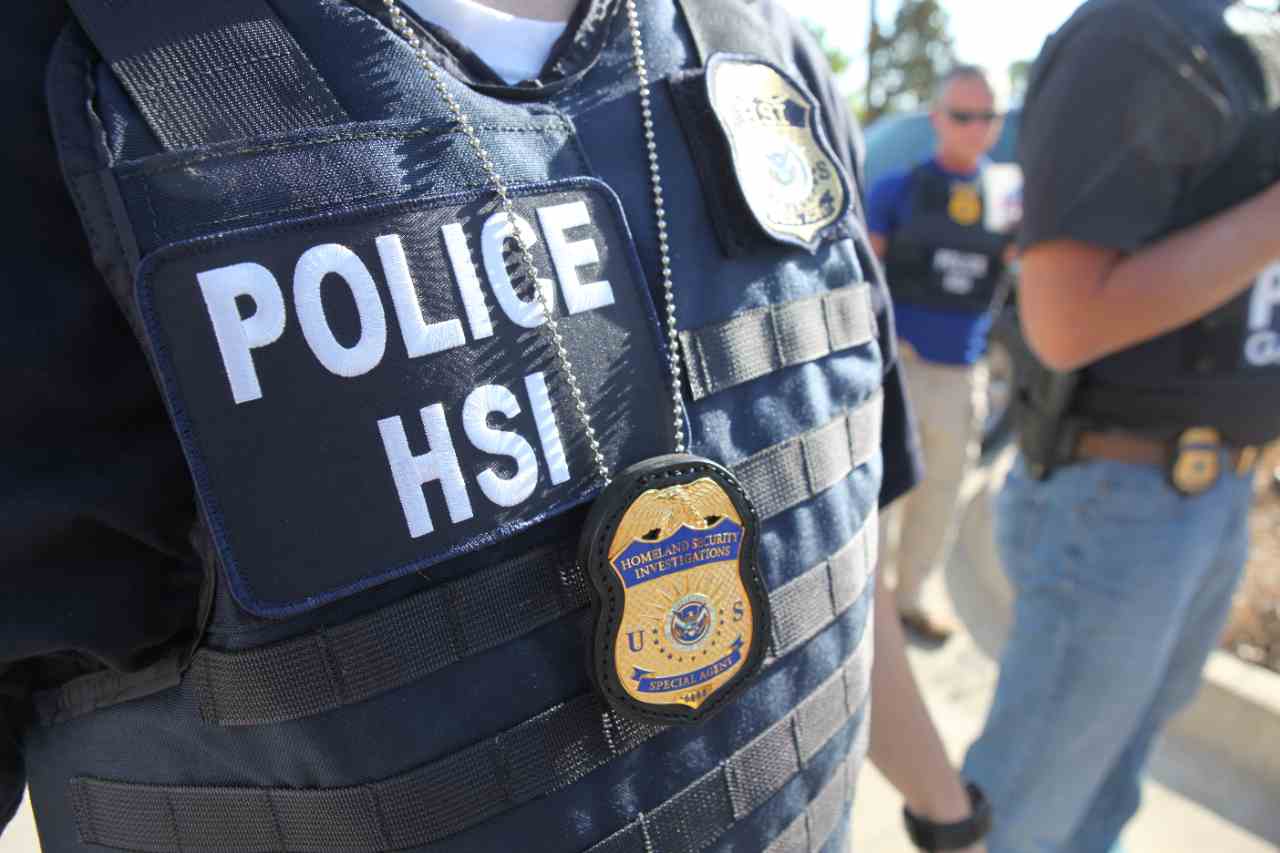
Officials say the campaign is about compliance and national security. Immigration and Customs Enforcement (ICE) and the Department of Homeland Security (DHS) have broadened their authority to terminate SEVIS records and start deportation proceedings for non-compliance, including failure to report employment within 15 days after the 90-day unemployment limit for students on OPT.
The State Department has also committed to stricter screening: student visa applicants are expected to make social media profiles public, and posts deemed antisemitic or supportive of terrorism face intense scrutiny.
Policy changes and enforcement steps
Unlike previous years when schools and students could often resolve status issues quietly, 2025 brings automated outreach and immediate action. The standard sequence now looks like this:
- Notification: A text or email warns of non-compliance (for example, a missing OPT report) with a short deadline—often 15 days—to fix the problem.
- SEVIS Termination: If the issue isn’t resolved, the SEVIS record is terminated, causing immediate loss of status.
- Deportation Orders: ICE may begin removal proceedings, and students are told to leave the country at once.
- Re-entry Bans: If the overstay passes 180 days, a 3-year re-entry bar applies; more than 1 year triggers a 10-year bar upon departure.
- Limited Appeals: Reports indicate few or no meaningful avenues to appeal or seek reinstatement.
Legal experts describe these steps as a break from past practice and warn that students have narrow options once SEVIS is terminated. Appeals are rare and seldom succeed, according to analysis by VisaVerge.com.
Data, impact, and who is most at risk
Government records for recent years show modest in-country overstay rates among student categories:
– F visas: about 2.69% (FY 2023)
– J visas: about 3.26%
– M visas: about 4.02%
Advocacy groups caution these figures may be skewed by reporting flaws and don’t always reflect actual compliance. Even so, enforcement in 2025 is far more aggressive; the State Department says most visa revocations are tied to overstays and law violations.
Students on OPT are a primary focus. ICE has sent targeted letters and electronic notices warning that failure to report employment within 15 days after the 90-day unemployment period can lead to SEVIS termination and removal.
Key consequences for those caught in the dragnet:
– Immediate loss of status when SEVIS is terminated
– Ineligibility for future visas due to overstay or revocation history
– Heightened scrutiny during future visa interviews or U.S. entry checks
– Deportation orders issued with little advance warning
Universities note practical timing problems: some students receive the first notice only after a problem was already recorded, making it hard to comply within the short window. Others learn of visa revocation at a consulate or airport, when options are limited. Campus leaders say a grace period and a clear review path would reduce wrongful outcomes without weakening compliance.
Broader campus and national implications
Schools across the U.S. are actively recruiting applicants from abroad to fill classrooms, labs, and budgets still recovering from pandemic-era downturns. Campus leaders warn the new rules may push students to choose Canada, the U.K., or Australia instead.
The State Department reports:
– More than 6,000 student visas revoked in 2025
– Roughly 4,000 linked to law violations, with the remainder tied to overstays
NAFSA projects a possible 15% decline—about 150,000 fewer international students—in U.S. higher education enrollment for fall 2025 tied to the enforcement shift. In practical terms, that implies fewer teaching assistants, reduced research output in key fields, and gaps in programs that rely on international students.
What’s different now is not just stricter compliance but a shift in the enforcement pipeline:
– Applicants face deeper social media checks and broader screening.
– Advocacy groups argue the policy can sweep too wide, catching students with no intent to break rules.
– There is reportedly little review before termination texts and emails are sent.
Supporters of the policy point to reports of past fraud in OPT and argue quick communication helps stop problems early. Critics counter that warnings often arrive too late and that automated messaging, without school input, leads to sudden terminations that might have been avoidable.
Practical steps for students (how to protect yourself)
For students, the best defense is steady compliance and fast action:
– Keep SEVIS details current and respond to any message from your DSO right away.
– For OPT, track unemployment days carefully and report employment well before the deadline.
– Save email and text records showing you tried to fix any issues within the stated timeline.
– If you receive a warning, contact your DSO the same day and seek legal advice.
Universities are building rapid-response teams, emergency funds, and legal aid to assist affected students. Associations like the American Council on Education (ACE) are calling for more transparency and a real chance for students to address mistakes.
Communications, verification, and official guidance
Automated texts and emails are intended to give immediate notice, but students report they can look like scams—especially when they arrive without a call from the university. Schools urge students to:
– Confirm messages with their Designated School Official (DSO)
– Check official portals for updates
ICE maintains a public page for the Student and Exchange Visitor Program (SEVP), which outlines responsibilities for students and schools. Official guidance is available at the ICE SEVP site: ICE Student and Exchange Visitor Program (SEVP).
Policy outlook and next steps
Policy watchers expect:
– Potential for more restrictions, especially for countries previously subject to travel bans
– Ongoing court challenges from universities and advocacy groups
Advocacy organizations question the use of overstay data to justify the campaign, pointing to reporting gaps that can mark a compliant student as a suspected overstay. They argue that a review step before sending termination notices would prevent wrongful cases and reduce deportations for minor or fixable errors. Government officials maintain the focus remains on rulebreakers and public safety threats.
Comparisons to past practice:
– Previously, many students who fell out of status could fix problems or finish their terms before leaving the country.
– Now, the default is immediate departure, fewer waivers, and limited opportunity to contest decisions.
Final takeaways
Compliance remains non-negotiable: timely reporting, staying within authorized time, and keeping DSOs informed are essential to avoid severe consequences. In 2025, penalties for missing those lines are faster and tougher: terminated SEVIS, revoked visas, and the risk of 3- or 10-year re-entry bars that can derail careers.
As fall approaches, schools are preparing for empty seats and urgent advising sessions. Students are checking inboxes more frequently. Between automated texts and busy international offices lies the future shape of U.S. campuses—quieter if the numbers hold, more cautious if warnings continue, and still waiting for clearer procedures that let students fix small mistakes before they become life-changing.
This Article in a Nutshell
In early 2025 U.S. immigration enforcement adopted automated text and email warnings for international students, marking a faster, harsher approach to visa compliance. The State Department reported over 6,000 student visa revocations in 2025, many for overstays or legal violations. ICE and DHS now move quickly to terminate SEVIS records and commence deportation proceedings; students on OPT face short deadlines—often 15 days—to report employment after the 90‑day unemployment limit. Consequences include immediate loss of status, removal orders, and 3‑ or 10‑year re‑entry bans. Universities warn of enrollment drops (NAFSA projects a possible 15% decline) and are building legal and emergency support. Advocates urge review steps before automated termination; officials say the measures protect national security and curb fraud. Students should keep SEVIS current, document communications, contact DSOs immediately, and seek legal help to avoid abrupt penalties.