- French long-stay visas require either online validation or permit applications within specific deadlines after arrival.
- Applicants must meet strict income requirements, including a minimum monthly gross of €1,843.12 for 2026.
- Failure to file for a residence permit within two months of arrival can lead to legal status loss.
(FRANCE) France’s long-stay system splits into two very different paths. A VLS-TS works as both visa and first residence permit, while other long-stay visas require a separate carte de séjour after arrival. That difference changes what you must do, how fast you must act, and where you file.

For many non-EU nationals, the clock starts on arrival in France. VLS-TS holders must validate online within 3 months, while holders of a long-stay visa that requires a permit must apply for a carte de séjour within 2 months at the prefecture or through ANEF. Missing that deadline can lead to overstays, loss of legal status, and trouble re-entering the Schengen area.
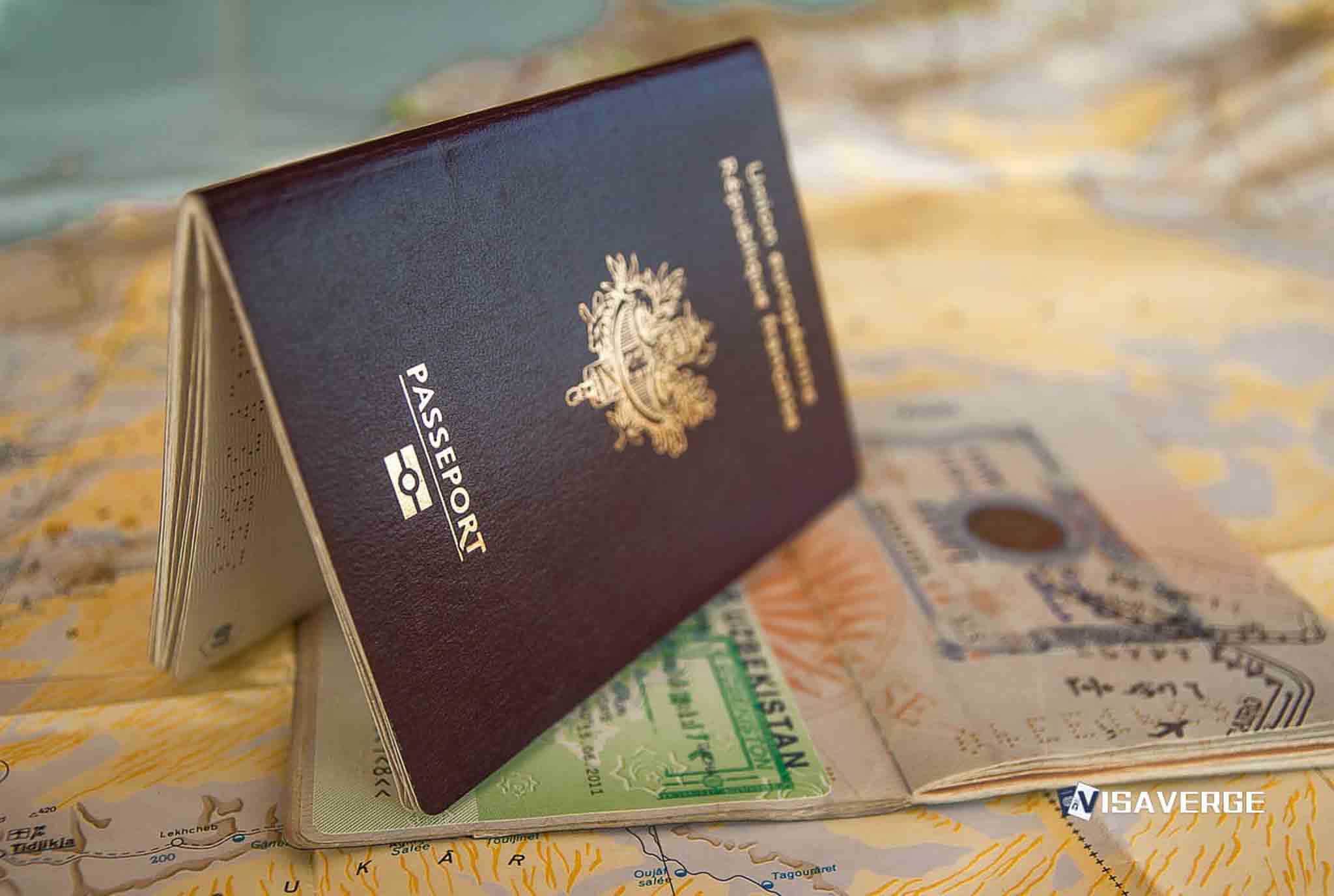
The system matters most for workers, retirees, entrepreneurs, artists, family members outside the VLS-TS route, and anyone planning a stay over 90 days, often over 12 months. Visa stickers for the second category now state, in French, “Demander une carte de séjour dans les 2 mois suivant l’arrivée en France.” That instruction is not decorative. It is the core of the process.
Free toolSchengen Short-Stay Visa CalculatorThe two visa tracks that decide your next step
The VLS-TS is the simpler route. After arrival, the holder validates it online and gets a residence right without a separate permit filing. The other long-stay visa is only an entry document. It usually lasts 3 to 4 months and sends the holder to the prefecture or ANEF for a residence card.
That second route covers people who do not fit the standard VLS-TS categories. It includes some adult dependent children of French citizens, certain parents, retirees with passive income, independent professionals, artists, some researchers, volunteers, and workers whose jobs sit outside the main talent or transfer schemes. French consulates decide eligibility through the France-Visas tool.
France’s system also reflects the January 2024 immigration law, as amended, and newer digital rules that speed up some cases. VisaVerge.com reports that the strongest files now move faster because consulates and prefectures are screening more applications online before appointments.
The money, housing, and health rules behind approval
France looks closely at three things: money, housing, and health cover. For 2026, the income floor is €1,843.12 gross per month, linked to the SMIC minimum wage. Families need more. The required supplement is +50% for a spouse and +30% per child.
Applicants also need accommodation that matches the planned stay. The standard mentioned is 16 square meters per person. Health insurance is mandatory until French social security starts. Many applicants use private cover with at least €30,000 in protection.
These rules hit retirees and self-employed applicants hardest. A pension statement, bank records, or a business plan often makes or breaks the file. French officials also check whether the stay is tied to work, family life, study, or a long visit.
Documents that keep files from being rejected
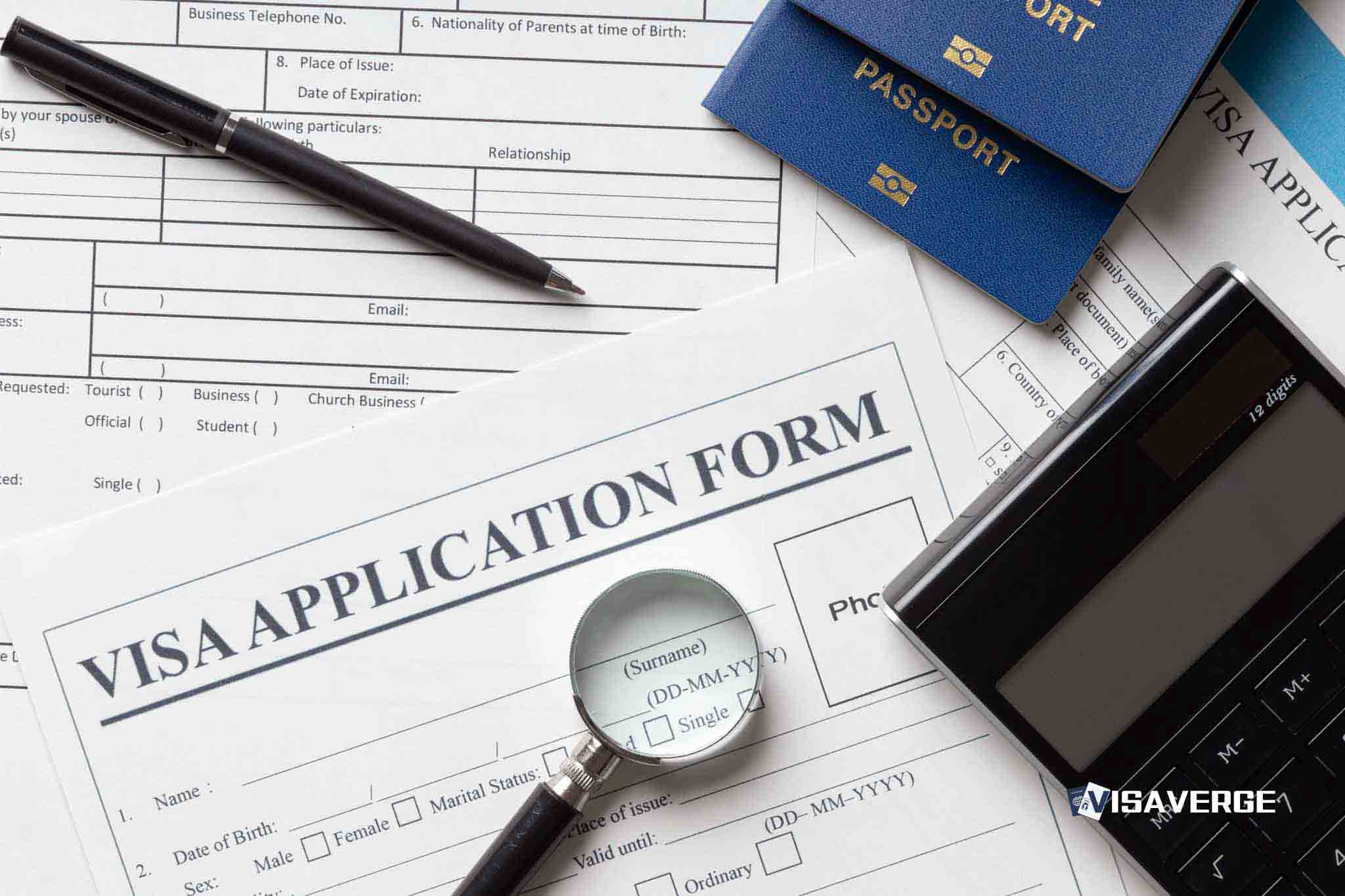
A complete file starts before the visa interview. Every non-French document needs a certified French translation. The usual package includes:
- A passport valid more than 3 months beyond the stay and issued less than 10 years ago.
- 2 biometric photos, size 35x45mm.
- Proof of housing, such as a lease, property title, or host attestation.
- Health insurance that covers the stay.
- Proof of funds, such as bank statements, payslips, pension records, or a solvency act.
- Purpose documents, such as marriage or birth certificates, a business plan, a K-bis extract, or proof of pension.
After arrival, residence permit files often need more: an entry stamp copy, recent photos, and, where required, an OFII medical certificate or updated accommodation proof. Scanning every document helps, because ANEF now handles nationwide digital triage and reduces paper delays.
How the process unfolds from visa to card
The first step begins on France-Visas.gouv.fr. Apply no earlier than 3 months before travel. Fill in the wizard, upload scans, and then book the consulate or visa-center appointment. Biometrics are mandatory. Submit originals and copies, then pay €99 for the visa.
Processing often takes 15 to 60 days. A complete file has a strong chance of approval, and 2026 digital screening has cut some waiting times. Once the visa is issued, entry to France must happen during its validity.
After arrival, the path depends on the visa label. VLS-TS holders validate online within 3 months through the state portal. Holders of the other long-stay visa must act faster. They should book a prefecture or ANEF appointment immediately, then attend within 2 months. A récépissé follows. It can now last 3 to 6 months in busy prefectures and allows legal stay while the card is prepared.
A full carte de séjour then arrives by mail or pickup, usually 1 to 4 months later. Its length depends on the category. Some retirees receive multi-year cards after a year of stable residence.
For official French guidance, the main portal is the France-Visas site. Applicants who need government filing access can also use the ANEF foreign nationals portal. The state’s public guidance pages at Service-Public.fr also remain an important reference point.
What the fees add up to in 2026
The price of the process is clear. The visa costs €99. A residence permit costs €75 for some one-year cards and €225 for some multi-year cards, plus a €25 stamp duty. ANEF processing adds a €50 administrative fee. Translation, courier, and copy costs add more.
These fees rose by 5% in January 2026. There are no routine waivers except for EEA and Swiss nationals. Families should budget carefully, because missing one document often means paying again for new copies, new translations, or another appointment.
Renewal, longer stays, and the risks of delay
Renewal usually starts 2 to 3 months before expiry. The new file should repeat the main proof of identity, income, housing, and insurance. Some categories now need proof of integration, including A2 French for stays longer than one year. Renewal fees again range from €75 to €225.
The next stage after a few years can be a carte de résident 10 ans or, later, French naturalization. The residence card route is slow, but it is predictable when deadlines are respected and paperwork stays complete.
Delay is where people get into trouble. In France, the 2-month filing rule for non-VLS-TS holders is strict. Late action can wipe out the legal stay and force a new visa application from abroad. In 2025, authorities reported 8,000 expulsions tied to non-compliance. That is why booking early and keeping every receipt matters.
Why prefecture timing has become part of the story
France has also made the process more digital. Since March 2025, applicants can use online pre-booking for prefecture appointments. A later reform extended récépissé validity in high-volume prefectures from October 2025. Paris and Lyon saw faster handling after a March 2026 circular told offices to prioritize entrepreneurs through digital filings.
For applicants, the message is simple. Check the visa label, count the deadlines, and file before time runs out. A VLS-TS needs online validation. A visa requiring a carte de séjour needs a fast prefecture or ANEF filing. The difference decides whether a stay in France remains lawful from the first month to the final renewal.