- Foreign nationals whose visas expired after February 28 gain an automatic extension until May 1, 2026.
- The relief measure includes zero fees, fines, or penalties for eligible travelers stranded in the Philippines.
- Acting Justice Secretary Fredderick Vida cited humanitarian compassion and travel constraints as the primary reasons.
(PHILIPPINES) — The Philippine government extended visa relief for stranded foreign nationals by one month, allowing eligible travelers to remain in the country through May 1, 2026 without fees, fines, or overstay penalties.
Acting Justice Secretary Fredderick A. Vida signed the new order on March 30, 2026, extending an earlier relief measure that had been set to expire on April 1, 2026. The move covers foreign nationals whose visa stays expired on or after February 28, 2026, and applies automatically, with no action required by travelers.
“We do understand that there are still some visiting foreigners who have difficulty going back because of the restrictions, of the various constraints. We did this unilaterally for humanitarian reasons and on the premise of compassion,” Vida said in an official quote dated March 31, 2026.
The extension comes from the Philippine Department of Justice (DOJ) and the Bureau of Immigration as international travel disruptions continue to affect foreign visitors in the country. Vida’s March 30 order followed the original Department Order No. 159 (Series of 2026), which he signed on March 9, 2026.
Relief Period and Eligibility
Under the revised timeline, travelers who would otherwise have fallen out of lawful status after the earlier cutoff now have an additional month of protection. Their lawful stay now runs through May 1, 2026.
For those covered, the financial terms are straightforward. The relief carries $0 fees, $0 fines, and $0 overstay penalties.
Officials also made the process simple. The extension takes effect automatically, so eligible foreigners do not need to file applications or make separate payments to preserve lawful status during the relief period.
Wider Travel Disruptions
The order landed as governments and travelers across the region grappled with broader transport and security disruptions. On March 1, 2026, the U.S. Department of State issued a “Worldwide Caution” that said U.S. citizens could face “travel disruptions due to periodic airspace closures” after military operations began in the Middle East.
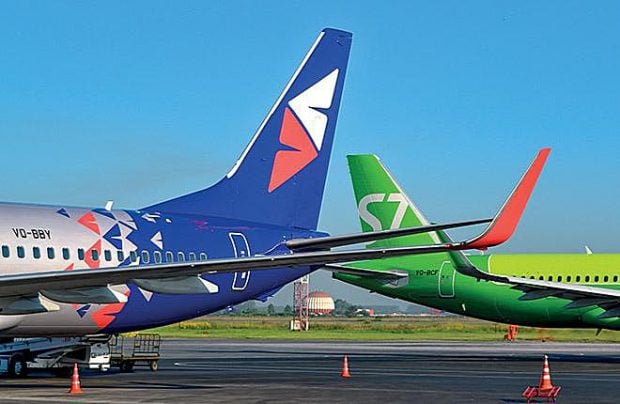
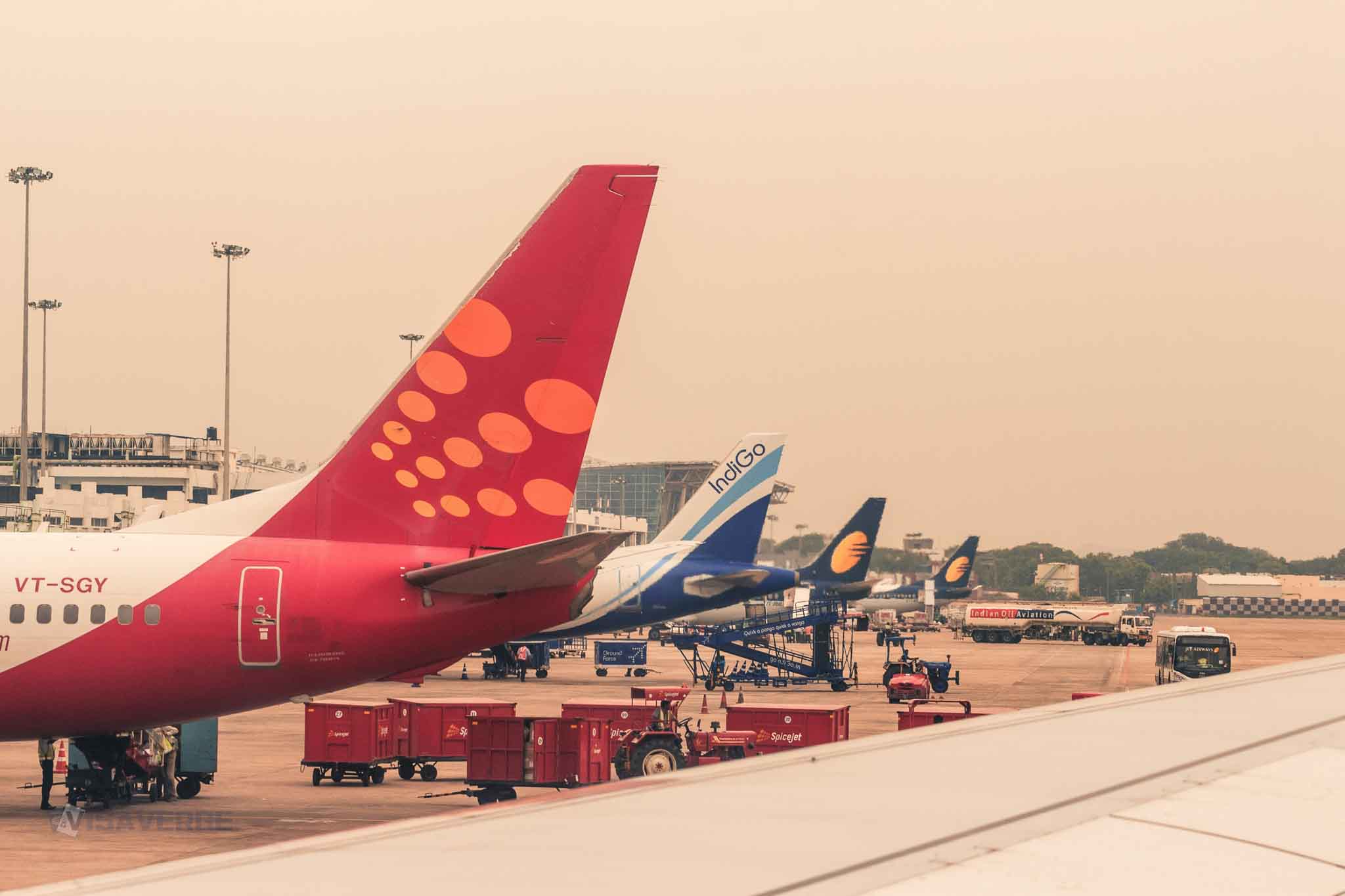
That warning formed part of the wider backdrop to the Philippine action. Mass flight cancellations tied to the U.S./Israel-Iran conflict reached 11,000+ globally, disrupting onward travel for passengers who had intended to leave the Philippines before their authorized stays expired.
Later in the month, fresh local disruption added to those pressures. The U.S. Embassy in the Philippines issued a Demonstration Alert on March 25, 2026, warning of a nationwide transportation strike on March 26–27 and telling U.S. citizens that “significant disruptions to public transportation” could complicate trips to airports or government offices.
Travelers already struggling with canceled or rerouted flights faced another obstacle. Reaching terminals, consular offices, or immigration facilities became harder as transport disruption spread across parts of the country.
At the same time, U.S. immigration agencies signaled that delays could extend beyond air travel. In a March 30, 2026 newsroom update on “Strengthened Screening and Vetting,” USCIS said it was prioritizing “national security and public safety” under current executive orders, a position that could lengthen processing times for people trying to return to the United States or adjust status during a period of global travel instability.
The Department of Homeland Security also added pressure to international movement during March 2026. Under Secretary Kristi Noem, DHS noted a “pause on immigrant visa processing” for approximately 75 countries, including countries in the Middle East conflict zone, indirectly leaving more foreign nationals in third countries such as the Philippines while they waited for travel clearance.
Humanitarian and Administrative Impact
Against that setting, the Philippine order served as a practical form of visa relief as well as a humanitarian measure. It protected affected travelers from falling into overstay violations because of events outside their control.
The scope of the relief is narrow but clear. It applies to foreign nationals whose authorized stay expired on or after February 28, 2026, and it does not require separate approval on a case-by-case basis.
That automatic structure also carries an administrative effect for the Philippine authorities. By extending status unilaterally, the government reduces the need for thousands of individual requests at Bureau of Immigration offices.
The agency was already dealing with personnel shortages. A blanket extension eases pressure on those offices while giving travelers a fixed date through which they can remain in lawful status.
For visitors caught by sudden route changes, suspended flights, or delayed onward clearance, the benefit is immediate. They do not need to choose between violating immigration rules and paying new charges while waiting for travel to resume.
The Philippine government framed the move in humanitarian terms. Vida’s statement stressed both “compassion” and the practical reality that some foreigners still had difficulty leaving because of “restrictions” and “various constraints.”
That language also addressed a legal risk that often follows travel disruption. Without relief, overstays can quickly turn an airline or border problem into an immigration violation carrying financial and legal consequences.
The measure also carries a message for the country’s tourism sector at a time of regional strain. The Philippine Department of Tourism said on March 31 that the country remains “open for business and tourism” despite the crisis.
That statement linked the immigration step to a broader effort to reassure visitors that they would not lose legal status because of canceled flights or blocked onward routes. For international travelers still in the Philippines, that assurance may matter as much as the extra time itself.
Key Dates and Final Outcome
The timing is notable. March 31, 2026, now stands as the point at which stranded foreign nationals received confirmation that the previous April 1 deadline would no longer apply and that lawful stay would continue for another month.
The relief also establishes a simple set of facts for affected travelers. The new deadline is May 1, 2026. Eligibility starts with visas that expired on or after February 28, 2026. The cost of the extension is zero.
Just as important, no filing step stands between travelers and the benefit. The policy grants the extension automatically.
That matters in a disruption that has crossed jurisdictions and agencies. Airline cancellations, airspace closures, transport strikes, screening delays, and visa-processing pauses do not fall under one government alone, yet all can keep a traveler in place after a visa has expired.
The Philippine Department of Justice (DOJ) acted inside that vacuum by extending lawful stay before the earlier relief period ran out. In doing so, it gave affected foreigners a single rule to rely on while waiting for departures to stabilize.
Foreign governments and agencies continue to shape the wider context. The Department of State’s “Worldwide Caution,” the embassy’s local alert, USCIS’s screening notice, and DHS’s visa-processing pause all pointed to a travel environment that remained unsettled well into late March.
For the Philippines, the order also helps avoid a queue-driven problem inside the immigration system. If each stranded traveler had to seek individual relief, Bureau of Immigration counters could face a surge of applications from people trying to stay legal while transport networks remained unstable.
Instead, the government chose a blanket extension. That lowers the chance of avoidable crowding at offices and gives travelers a common legal deadline.
Eligible foreigners seeking to verify the policy or check related guidance can turn to the Philippine Bureau of Immigration, the U.S. Embassy in the Philippines, the USCIS Newsroom, and the U.S. Department of State Travel Advisories.
For now, the order leaves stranded visitors with one clear outcome: lawful stay in the Philippines continues through May 1, 2026, with no fees, no fines, no overstay penalties, and no paperwork standing in the way.