January 2, 2026
- Updated title to ‘Lithuania Visa Guide 2026’ and added ETIAS coverage for late 2026
- Added ETIAS details: €7 fee, 3-year validity, ~95% instant approvals
- Revised Schengen Type C processing times to 10–15 working days (peak 30+ days)
- Added specific document requirements and numeric standards (passport validity, photo size 35x45mm, €30,000 insurance)
- Expanded Type D timelines and requirements, including 1–3 month decisions, work permit 2–6 weeks, and 4-month residence permit deadline
(LITHUANIA) Planning a 2026 trip to Lithuania now requires one extra checkpoint for many travelers: ETIAS is set to start in late 2026 for visa-free visitors, while Schengen visa applicants still face the usual document and biometrics rules. For most short visits, the core choice stays the same: a Schengen Type C visa for up to 90 days in any 180-day period, or a national Type D visa for stays longer than 90 days.

Lithuania sits inside the Schengen Area, so your permission to enter often also controls how you move across 29 Schengen countries on the same trip. That matters for families planning multi-country holidays, business travelers stacking meetings, and students arriving early for orientation.
2026 entry routes into Lithuania: pick the right track first
Start by matching your purpose and timeline to the correct permission, because the paperwork and processing time are not interchangeable.
- Schengen Type C (short stay): tourism, business meetings, conferences, visiting friends or family, and other short trips. The hard limit is 90 days in any 180-day period across Schengen.
- National Type D (long stay): studies, work, seasonal work longer than 90 days, and family reunification. This is often followed by a residence permit process after arrival.
Important: If you overstay a Schengen stay, the consequences are immediate and practical. Expect entry bans of 1–5 years and fines up to €500, which can also complicate later visa applications.
April 2026 Final Action Dates
India China ROW EB-1 Apr 01, 2023 ▲31d Apr 01, 2023 ▲31d Current EB-2 Jul 15, 2014 ▲303d Sep 01, 2021 Current EB-3 Nov 15, 2013 Jun 15, 2021 ▲45d Jun 01, 2024 ▲244d F-1 May 01, 2017 ▲174d May 01, 2017 ▲174d May 01, 2017 ▲174d F-2A Feb 01, 2024 Feb 01, 2024 Feb 01, 2024
Step-by-step journey for a Schengen Type C visa (typical 10–15 working days)
For travelers who are not visa-exempt, the Schengen Type C route is the main path. Plan around 10–15 working days for decisions, and expect slower service during peak travel months.
Step 1 — Complete the official application
Lithuania routes applicants through an online system that produces the form for submission. Use the official portal for the Lithuanian visa application form and online filing flow at https://visa.vrm.lt/epm.
- Fill entries in Latin characters.
- Keep your stated purpose consistent across all documents.
Step 2 — Build a clean document packet that matches Schengen rules
A strong file is consistent, readable, and complete. The required core set in the 2026 guide includes:
- Passport issued within the last 10 years, valid at least 3 months after your planned departure, with 2 blank pages.
- One color photo sized 35x45mm, white background, taken within 6 months.
- Travel medical insurance covering €30,000 minimum, valid across the Schengen Area for emergencies and repatriation.
- Proof of funds, such as bank statements, payslips, or a sponsor letter; the guide cites $50/day as a practical benchmark used by travelers.
- Accommodation and itinerary, like hotel bookings or an invitation letter, plus transport plans.
- A purpose letter explaining your trip in plain language.
Small mismatches often cause big delays. For example, if your itinerary says “tourism” but your employer letter reads like “work”, an officer may treat the file as higher risk.
Step 3 — Book a submission appointment and give biometrics
Most applicants submit through VFS Global or a Lithuanian embassy or consulate, depending on location. Appointment slots tighten quickly around holidays, so book early through VFS Global’s Lithuania visa appointment pages.
- At submission, you typically provide biometrics (fingerprints and a photo) unless you already gave biometrics within the prior 59 months.
- Type C cases usually do not require an interview, though complex cases can draw extra questions.
Step 4 — Pay the fee and keep your receipt
The guide lists €80 as the 2026 estimated fee for a Schengen Type C visa, and notes it is non-refundable. VFS service fees are extra, so bring a payment method that the center accepts.
Step 5 — Track, collect, and check the sticker before you travel
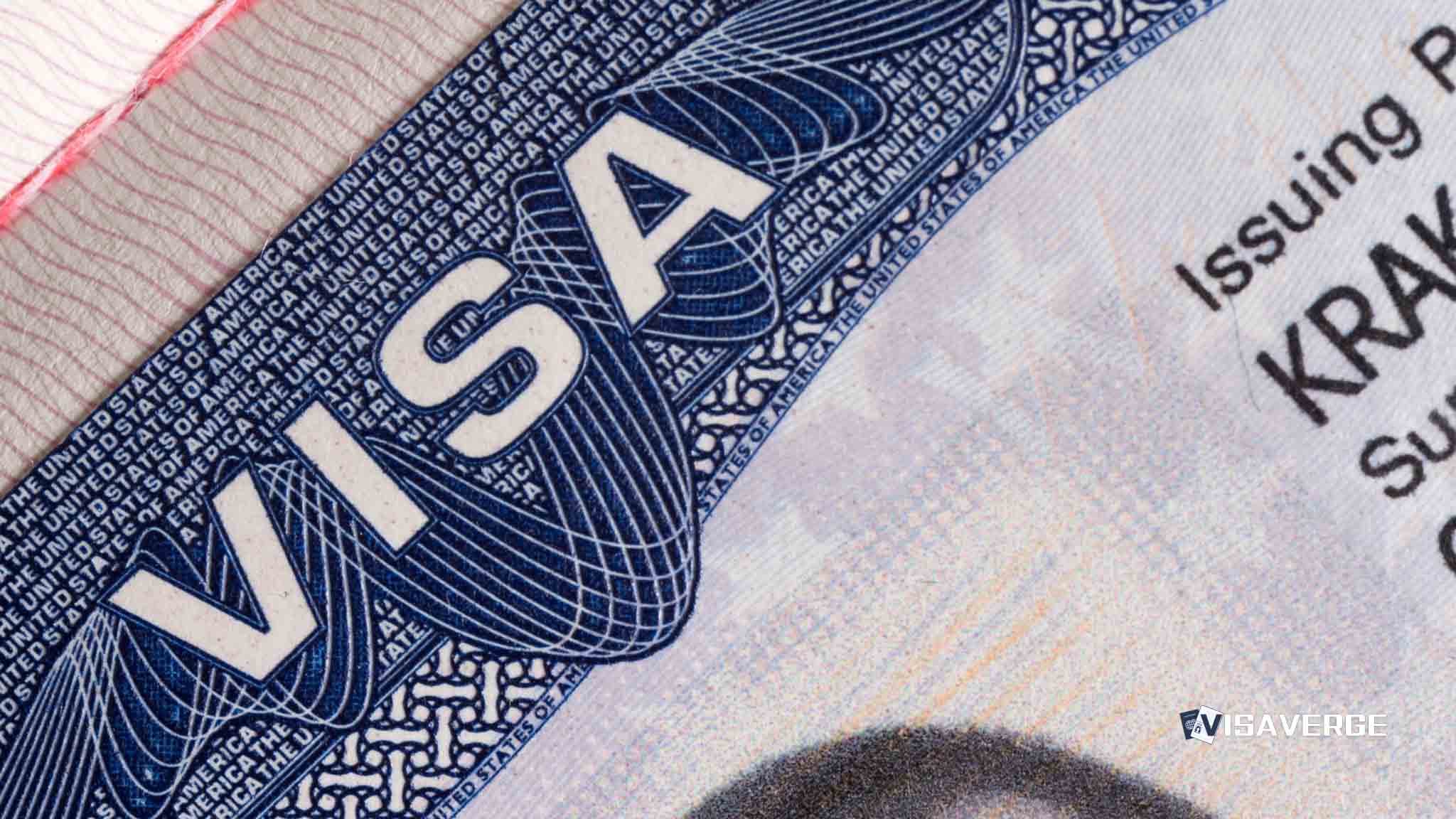
After submission, you can track progress through the same channels used for intake. When you collect your passport, check the visa sticker carefully:
- Correct name and passport number
- Correct valid-from and valid-until dates
- Correct number of entries (single, double, or multiple)
A date error at pickup becomes a border problem later.
The late-2026 ETIAS shift for visa-free travelers
If you are currently visa-exempt for Schengen short stays, ETIAS becomes the main new step in late 2026. This affects travelers heading to Lithuania from countries such as the United States 🇺🇸, Canada 🇨🇦, the United Kingdom, Australia, Japan, New Zealand, and South Korea, as described in the guide.
ETIAS is not a visa. It is a pre-travel authorization linked to your passport, designed to screen travelers before departure.
Key ETIAS details from the 2026 guide:
- Fee: about €7
- Validity: 3 years or until passport expiry, whichever comes first
- Processing: the guide says 95% of applications receive instant approval, with manual review when the system flags issues such as criminal history or travel to conflict zones
- Timing: apply before booking flights to reduce stress, and reapply if you change passports
Use only the official channel once it is live. The European Union’s reference point is the official ETIAS portal information page.
Analysis note from the guide: ETIAS is likely to change traveler behavior even more than it changes law, because airlines and check-in staff will treat it as a must-have document at departure.
National Type D visas: longer timelines and deeper checks
A national Type D visa fits people staying beyond 90 days for studies, employment, seasonal work, or family reunification. The guide warns that decisions can take weeks or months, and that many Type D applications rely on approvals issued by other Lithuanian bodies first.
Common Type D themes include stricter proof of means and purpose, plus mediation letters that come through Lithuanian systems.
- Studies:
- A mediation letter from the Lithuanian higher education institution, often handled through EPIS.
- Proof of acceptance and funds.
- The guide cites 1x minimum monthly salary (~€924 as of 2026) as a funds reference point.
- Employment:
- An employer mediation letter, work contract or permit, a clean criminal record, and health insurance.
- The guide cites work permits taking 2–6 weeks in many cases.
- Seasonal work (over 90 days):
- A seasonal work permit through the Employment Service and an employer mediation letter.
- Family reunification:
- Proof of relationship and the sponsor’s income documents.
- Some cases allow multiple-entry after longer validity.
Lithuania’s longer-stay pathway often continues after arrival. The guide notes Type D holders may need to apply for a residence permit through Lithuania’s Migration Department within 4 months of arrival. The starting point for official procedures is the Migration Department’s website.
Processing time planning that matches real life
The guide’s timelines:
- Schengen Type C: baseline 10–15 working days, with peaks stretching to 30+ days in summer and holiday periods.
- Type D: 1–3 months is a realistic window tied to permits and institutional steps.
| Country/Type | Visa Category | Processing Time |
|---|---|---|
| Lithuania (Schengen) | Schengen Type C (short stay) | 10–15 working days |
| Lithuania (Schengen) | Schengen Type C (peak season) | 30+ days |
| Lithuania | National Type D (long stay) | 1–3 months |
| Lithuania | Schengen Type C (recommended application lead time) | 1–3 months before travel |
| Lithuania | National Type D (recommended application lead time) | 4–6 months before travel |
| ETIAS (for visa-exempt travelers) | ETIAS authorization validity | 3 years |
| Lithuania (biometrics rule) | Biometrics validity exemption window | 59 months |
Practical calendar tips:
- Apply 1–3 months early for Schengen Type C trips.
- Apply 4–6 months early for Type D plans like study or work.
- Keep scans of every document you submit, including old passports and past Schengen visas.
A clean packet does not guarantee approval, but it prevents avoidable refusals. Repeat problems noted in the guide include:
- Weak funds proof
- Unclear itineraries
- Expired insurance
- Criminal records triggering system flags under Schengen checks
Quick reference: visa types at a glance
| Visa type | Purpose | Max duration | Typical processing | Key requirements |
|---|---|---|---|---|
| Schengen Type C | Tourism, business, visits | 90 days in any 180-day period | 10–15 working days (can be 30+ in peak) | Passport, photo, insurance (€30,000), funds, accommodation, purpose letter, biometrics |
| National Type D | Studies, work, seasonal >90 days, family reunification | Longer than 90 days; leads to residence permit | 1–3 months (permits may add time) | Mediation letters, proof of funds (~€924 reference), contracts, permits, criminal record checks |
Final reminders and warnings
- Book appointment slots early, especially around holidays.
- Double-check that all documents are internally consistent (purpose, dates, employer letters).
- Keep receipts for fees — visa fees are non-refundable.
- For ETIAS, use the official EU portal when it goes live and treat the authorization as required at check-in.
Warning: A small administrative error (dates, names, passport numbers) discovered when collecting your passport can become a border refusal later. Check everything at pickup.
This guide outlines the 2026 entry requirements for Lithuania, highlighting the introduction of ETIAS for visa-free travelers. It details the specific documentation needed for short-stay Schengen Type C visas and long-term National Type D visas. Key advice includes applying months in advance, maintaining consistent documentation across all forms, and verifying visa details upon receipt to avoid entry bans or fines resulting from administrative errors.