- U.S. embassies have resumed student visa interviews globally following a significant pause in processing.
- Indian applicants face backlogs of 300 days as demand surges for the 2026-2027 academic year.
- Strict new social media screening rules have increased visa denial rates and processing delays.
(INDIA) U.S. embassies and consulates have resumed new F-1 Student Visa interview appointments worldwide, but the pipeline is tight and the wait times are now much longer than before the 2025 pause. Students from India face some of the longest queues, while new social media screening rules and heavier vetting add more delay at every stage.
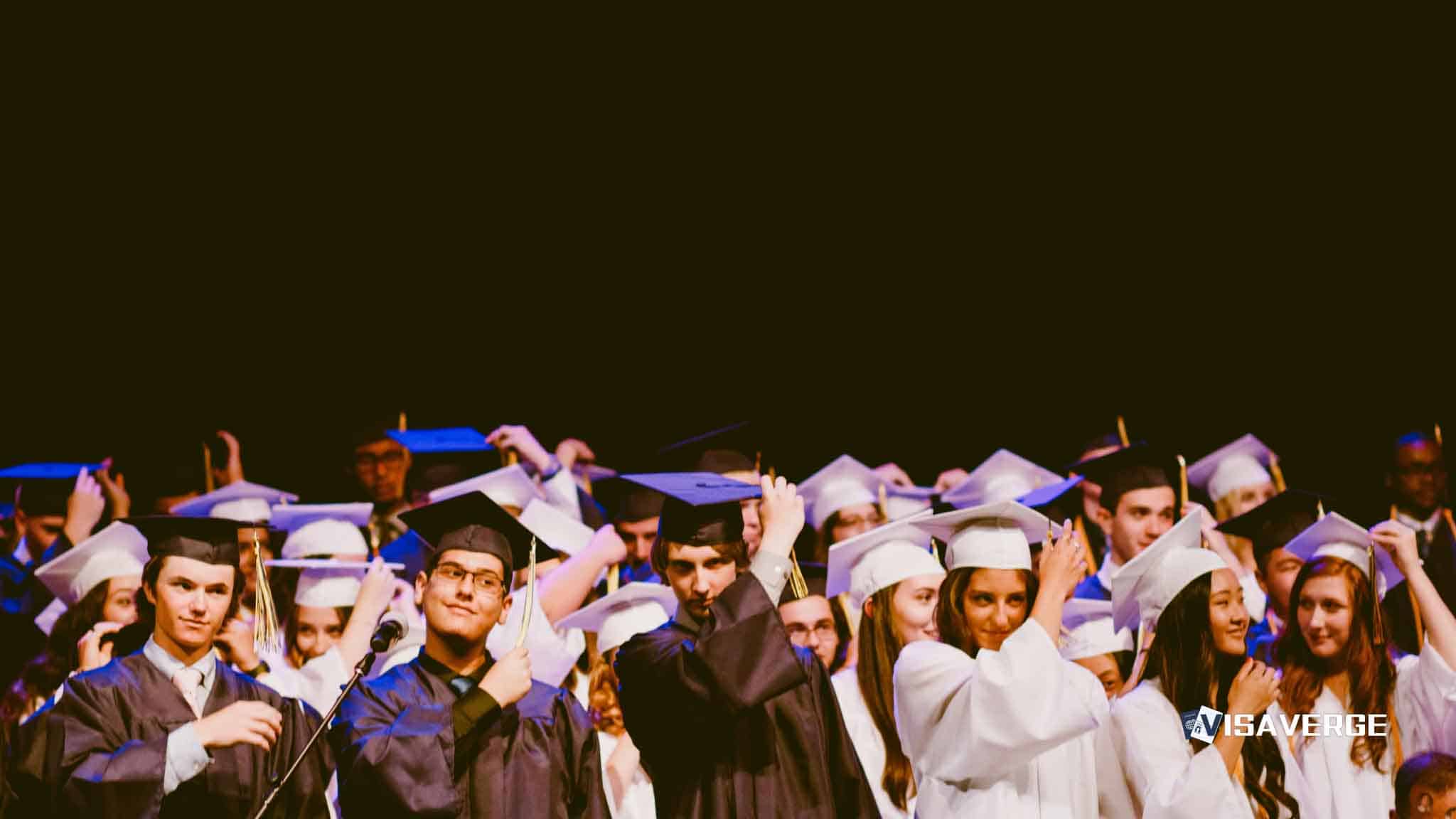
The reopening matters because thousands of students are trying to book interviews for Fall 2026 and Spring 2027 starts. It also matters for families paying deposits, universities holding seats, and applicants who need a visa before booking flights. VisaVerge.com reports that the return of scheduling has not restored normal speed.
Appointment backlogs after the 2025 pause
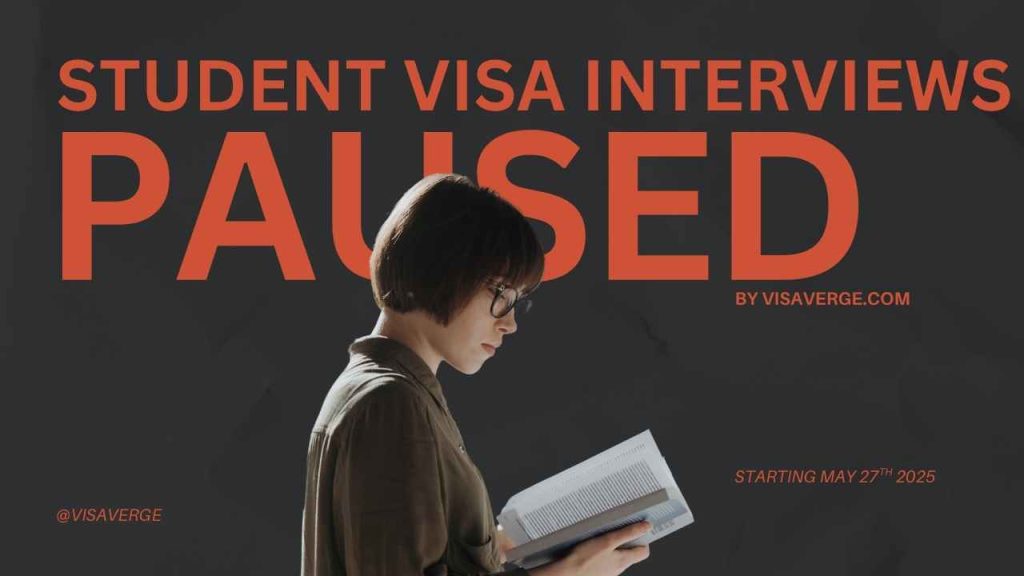
The State Department paused new F-1, M, and J interview scheduling on May 27, 2025, while it expanded screening for every applicant in those categories. By April 2026, new appointments were back, but the backlog remained deep. Posts in India, China, and several other high-demand locations still move slowly because thousands of applicants rushed back into the system at once.
Free toolOPT Timeline Calculator OnlineThe policy shift sits inside broader enforcement changes under President Trump’s second term. Officials also revoked more than 100,000 student and worker visas in the previous year, and a new USCIS Vetting Center began centralizing security checks on December 5, 2025. Social media review, once a pilot, is now part of standard processing for student visa applicants and was later expanded to other nonimmigrant categories.
How the interview booking process works
The scheduling path is digital and strict. Applicants first complete the nonimmigrant form, then wait for an interview slot to open at a chosen post. Most people need to move fast because spaces disappear within minutes.
- Complete Form DS-160 at the official Consular Electronic Application Center. Upload the photo and pay the $185 MRV fee.
- Create a profile in the appointment system, such as U.S. Visa Information and Appointment Services, or the local consulate portal.
- Choose a location and monitor slots several times a day. The official visa wait times page shows current estimates.
- Book the interview and attend biometrics first at the Visa Application Center, if your post requires it.
- Gather documents before the interview date.
The usual file includes the signed Form I-20 or DS-2019, the SEVIS fee receipt, proof of funds for tuition and living costs, transcripts, and proof of English ability. Applicants should also list all social media identifiers if asked on DS-160 or on Form DS-5535. A public profile is often expected during processing.
India’s longest waits and other major posts
Wait times rose sharply after scheduling resumed. New Delhi now sits at 250-300 days for F-1, M, and J interviews. Mumbai is at 200-250 days. Chennai and Hyderabad are at 220-280 days. Guangzhou is at 180-240 days. Manila ranges from 120-180 days. Mexico City ranges from 90-150 days. The global average is 150-250 days.
India’s queues are the most crowded because demand surged immediately after the pause ended. The same pattern appears in other large sending countries, where students who had waited months tried to grab the first open slots. VAC biometrics can add another one to two weeks in some Indian locations.
Social media screening now shapes every case
The new social media screening rules are not optional. Officers review public posts, photos, connections, and visible history for signs of extremism, fraud, or other security concerns. They also look for content tied to antisemitism, pro-terror messaging, and activism linked to earlier visa revocations.
Applicants must disclose identifiers for accounts used over the past five years if requested. Private accounts can trigger more questions. Officers can place a case into administrative processing under 221(g), which often adds 60-180+ days. Denials in vetted categories have also risen 15-20%.
The practical effect is simple: online activity now sits beside grades, finances, and school plans as part of the visa review. That shift has made interviews slower and more unpredictable for many F-1 Student Visa applicants.
Emergency requests and limited faster paths
Students with a real deadline can request an emergency appointment, but the bar is high. Officers usually consider program start dates within 30 days, serious illness, or the death of an immediate family member. Most posts want written proof, such as a university letter showing that a delay would force deferral.
Some applicants also qualify for interview waivers. That route is most common for renewals when a prior F, M, or J visa expired within the recent waiver window and the person is applying in the same category. A few students also transfer interviews to lower-wait posts when local rules allow it.
What students should do while slots stay scarce
Students can protect their place in line by acting early and staying organized.
- Check booking portals every day, not once a week.
- Use only official sites for appointments.
- Ask the university for a later I-20 date if the program start has slipped.
- Prepare financial proof early, especially for schools with costs above $50,000.
- Review social media before the interview, because visible posts matter now.
- Work with international student offices, which often provide mock interviews and written support.
Universities are already feeling the pressure. Enrollment has dipped 10-15% in some places after the pause and the longer wait times. Late-arrival policies help a little, but they do not solve the lost tuition and housing planning that follow a missed intake.
The policy debate now surrounding student visa vetting
Supporters say the tougher review system catches fraud and security risks earlier. Critics, including NAFSA’s Fanta Aw, say broad screening chills academic openness and makes the United States less attractive to global talent. That tension will stay in the background as embassies work through the backlog.
For now, the system is open again, but the pace is slow. Student applicants who want a seat for the next academic term must prepare paperwork early, keep their profiles clean, and watch appointment systems closely. In this environment, time is the one thing the F-1 Student Visa line does not give back.