- Foreign Minister Villavicencio cannot attend UN meeting due to a pending U.S. visa application.
- Diplomatic friction between Colombia and the U.S. has led to heightened vetting protocols and delays.
- Policy shifts under the Trump administration have paused immigrant visa processing for 75 countries.
(NEW YORK) — Colombian Foreign Minister Rosa Yolanda Villavicencio cannot attend a United Nations Security Council meeting in New York on Saturday, January 24, because her U.S. visa application has not been approved as of January 22, 2026.
The pending visa has drawn attention in Colombia and the United States because it leaves Colombia’s top diplomat unable to appear in person at an early meeting in the country’s Security Council term.
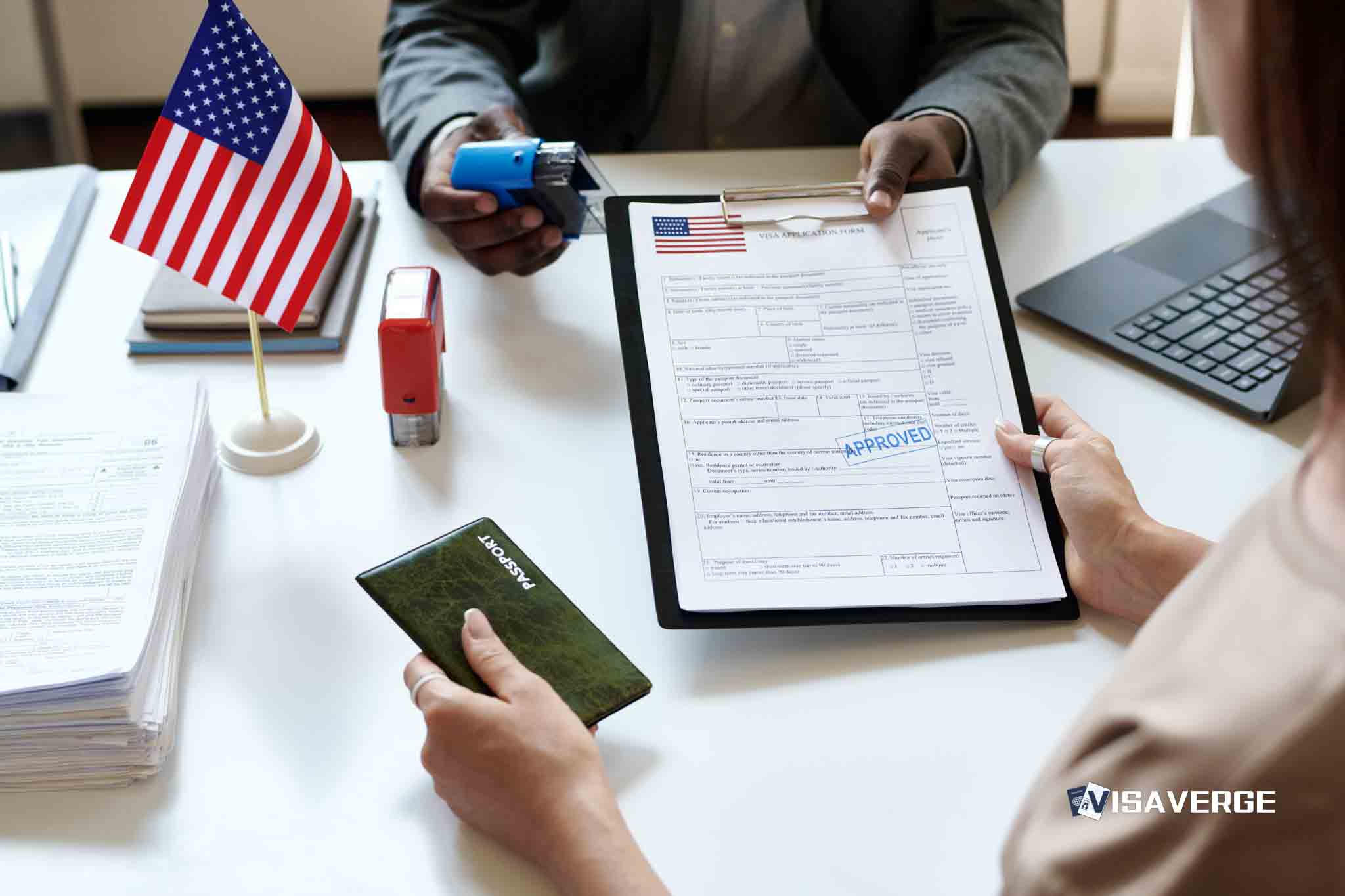
Villavicencio’s absence also lands amid an extended stretch of diplomatic friction between the administration of Colombian President Gustavo Petro and the second Trump administration, turning routine travel documents into a visible point of protocol-level strain.
At the Security Council, attendance matters for representation and day-to-day diplomacy, particularly as Colombia begins a two-year term as a non-permanent member for 2026–2027.
Background and earlier tensions
The visa issue follows earlier, highly public tensions. On September 27, 2025, the U.S. Department of State formally revoked President Petro’s visa after he addressed a pro-Palestinian rally in New York.
An official statement posted on X (formerly Twitter) declared: “Earlier today, Colombian President @petrogustavo stood on a NYC street and urged U.S. soldiers to disobey orders and incite violence. We will revoke Petro’s visa due to his reckless and incendiary actions.”
In September 2025, Villavicencio and Finance Minister Germán Ávila “renounced” their existing U.S. visas in solidarity with Petro, a move that left them needing new travel documentation for future official trips.
Villavicencio’s current inability to travel stems from her new application for a diplomatic/special visa remaining pending under the administration’s heightened vetting protocols.
Policy changes and government actions
Policy changes and announcements cited in recent weeks added new layers around screening and issuance, even as they do not rewrite the statutory eligibility rules that govern visas and immigration benefits.
On January 1, 2026, USCIS issued PM-602-0194 under the direction of the Department of Homeland Security (DHS), establishing a “hold and review” for applications from “high-risk” countries.
The memo states: “Effective immediately, this memorandum directs U.S. Citizenship and Immigration Services (USCIS) personnel to: 1. Place a hold on all pending benefit applications, for aliens listed in Presidential Proclamation (PP) 10998. pending a comprehensive review, regardless of entry date.”
In practice, such a USCIS memorandum can change internal screening posture and adjudication handling, including the use of holds, added review steps, and re-checks while personnel complete a “comprehensive review.” It does not, by itself, change the underlying legal criteria Congress set for a given benefit.
Separately, the State Department described new limits on immigrant visa issuance. On January 14, 2026, Secretary of State Marco Rubio announced a broader suspension of immigrant visas for 75 countries, including Colombia, effective January 21.
“The Trump administration is bringing an end to the abuse of America’s immigration system by those who would extract wealth from the American people. Immigrant visa processing from these 75 countries will be paused while the State Department reassess immigration processing procedures,” Rubio said.
A State Department pause on immigrant visa issuance generally constrains the ability of consular posts to finalize and issue immigrant visas within the affected category set, which can translate into delays and reprioritization. A pause is not the same as a denial, and cases can remain pending during review periods.
The policy environment includes a presidential action as well. Presidential Proclamation 10998, effective January 1, 2026, restricts entry for nationals of dozens of countries deemed to have inadequate screening and vetting information.
A presidential proclamation that restricts entry operates differently from a consular issuance pause. Entry restrictions focus on who may enter the United States, while consular pauses affect whether immigrant visas are issued during the pause period.
Immediate diplomatic implications
For Colombian diplomacy, the immediate question is representation at the Security Council on January 24 and what message it sends when a foreign minister cannot travel for a scheduled multilateral meeting.
If Villavicencio’s visa is not approved by Friday, she will be replaced at the Security Council by Deputy Minister of Multilateral Affairs Mauricio Jaramillo.
The case also highlights how “pending” can describe different points in a U.S. process, from a consular post’s initial receipt and review to added screening or administrative processing. The information available here does not describe the specific step reached in Villavicencio’s application.
The difference between a diplomatic/special visa and an immigrant visa matters as well. Diplomatic and special-purpose visas typically support official travel tied to government duties, while immigrant visas relate to permanent immigration categories.
Even so, the broader policy shift cited by Rubio affects immigrant visa issuance for 75 countries, and Colombia’s inclusion in that list adds to the operational pressure around travel and planning for Colombian officials and citizens.
Wider diplomatic context
The diplomatic strain extends beyond visas. In September 2025, the U.S. “decertified” Colombia, claiming the Petro government failed to fulfill international drug-control commitments.
Drug policy disputes of that kind can carry diplomatic consequences that complicate cooperation and messaging, even when formal visa adjudications remain individualized under U.S. procedures.
Tensions also sharpened around the Gaza conflict. Petro called for an international army to “liberate” Gaza and accused the U.S. of being “complicit in genocide.”
Villavicencio has framed the dispute in sovereignty terms. On January 6, 2026, she rejected “colonial-style” U.S. interference and said the Colombian army is “highly qualified” to defend national sovereignty should it be threatened.
Such public rhetoric can harden positions and raise the political profile of bureaucratic steps like travel permissions, especially when meetings are fixed on international calendars and require clearances on short timelines.
Still, the actions described by U.S. agencies and officials do not automatically translate into the same outcome for every applicant. Broad vetting posture shifts and pauses set constraints and processes, while individual cases can remain under review.
Effects beyond high-level officials
The uncertainty extends well beyond high-level officials. The general pause on visa processing has left thousands of Colombian citizens—from students to business travelers—in a state of legal limbo as the State Department reevaluates “public charge” and security standards.
For students, including those seeking F-1 pathways, timing often turns on interview availability and how quickly a case clears checks, even when an application remains otherwise complete. The information available here does not provide figures for student backlogs, approval rates, or interview scheduling changes.
For employers and institutions, delays can disrupt start dates and travel for conferences and training, particularly when applicants must wait for consular decisions or additional review. The information available here does not identify any specific U.S. universities, employers, or affected sectors.
Practical consequences and near-term diplomacy
The minister’s pending visa also carries practical consequences for bilateral diplomacy. The visa delays cast a shadow over a planned meeting between President Petro and President Trump at the White House, currently scheduled for February 3, 2026.
That date gives both governments a near-term diplomatic deadline, with protocol and travel planning running alongside the broader political dispute. The information available here does not describe any changes to the meeting schedule.
For Colombia’s U.N. mission, the near-term focus remains Saturday’s Security Council session and who sits in the room. Substitution by a deputy can keep a delegation functioning, but it can also change the level of engagement on the margins of meetings where ministers often hold side conversations.
The sequence of decisions and statements over recent months also underscores how multiple U.S. entities shape the overall picture. The State Department controls consular visa issuance, DHS oversees security and entry policy, and USCIS runs the adjudication of many immigration benefits inside the United States.
Process complexity and individual cases
Readers tracking official updates can monitor U.S. government postings directly. USCIS publishes policy changes in its policy memoranda library, while the State Department posts announcements through its press releases.
DHS provides broader security and entry policy updates on its news page, and the U.S. Embassy in Colombia posts local consular information at co.usembassy.gov.
Key Facts and Policy Details
The following section explains the relevant policy instruments and procedural distinctions that shape cases like Villavicencio’s and why different U.S. actions (e.g., proclamations, USCIS memoranda, and consular pauses) have distinct operational effects.
It covers the practical differences between entry restrictions, consular issuance pauses, and internal USCIS holds, and it outlines how those layers can overlap without changing the underlying statutory eligibility criteria set by Congress.
Official Government Sources
For official documents, announcements, and the primary sources referenced in this reporting, consult the agencies directly. The links above point to the USCIS policy memoranda, State Department press releases, DHS news, and the U.S. Embassy in Colombia for local consular guidance.
These pages will post formal policy texts, memos like PM-602-0194, announcements about immigrant visa pauses, and any updates relevant to consular operations and entry restrictions.