- A Japanese visa allows Indian passport holders to access seven different countries with reduced friction.
- Mexico offers the most generous benefit with 180 days of visa-free entry for tourism and business.
- Travelers must carry physical copies of documents to ensure smooth boarding and immigration clearance.
(INDIA) A valid Japan visa has become a practical travel asset for many Indian passport holders as of January 19, 2026, because several countries treat it as proof of strong prior screening. That often translates into faster entry, fewer documents, or visa-free entry rules that don’t apply to first-time international travelers.
This matters most for Indians who travel for conferences, client meetings, family visits, or short holidays, where one extra embassy appointment can derail a trip. It also matters for students and early-career professionals who need low-friction routing through hubs, or who want a backup destination if plans change.
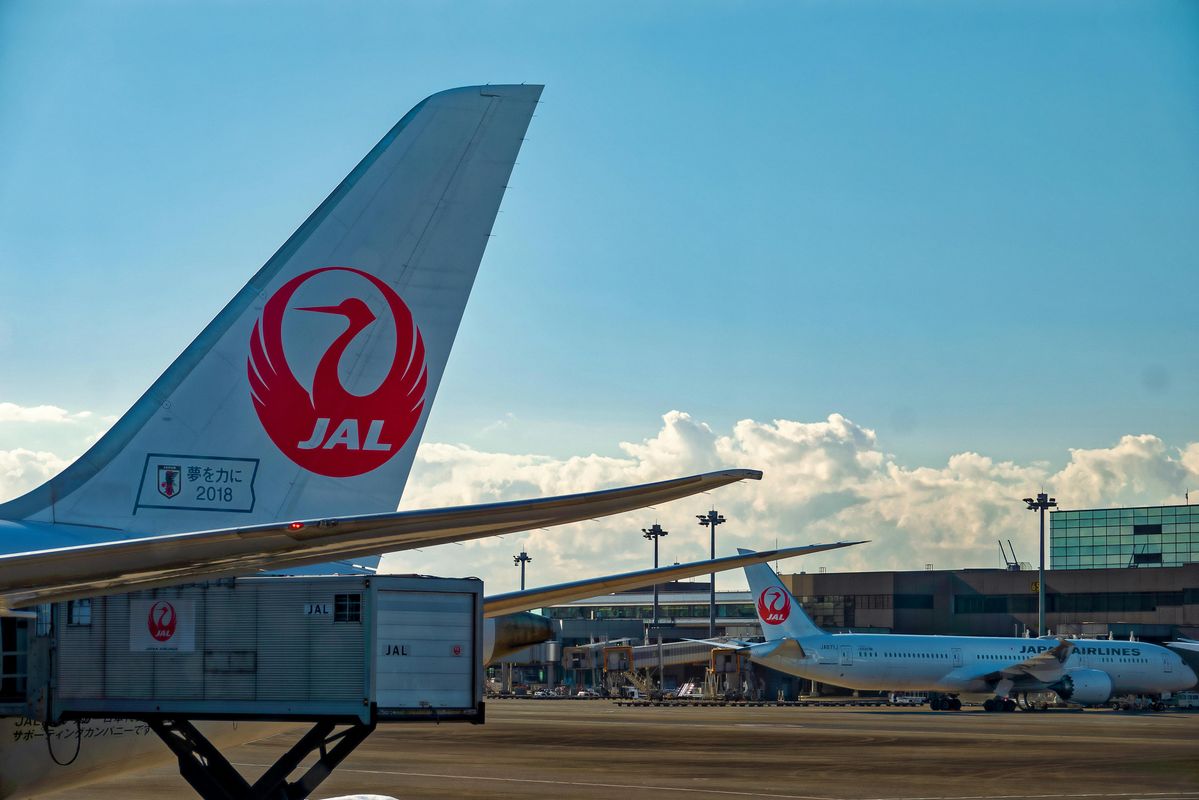
The list below ranks seven destinations where a Japanese visa can make entry easier. The ranking favors longer legal stays first, then simpler arrival rules, then flexibility for business and tourism, and finally how widely the rule is used in real travel planning. Always carry proof of onward plans and enough funds for your trip, because border officers still decide admission.
Ranking method used for this list (January 19, 2026 baseline)
A “best” option isn’t only about days allowed. It’s also about how predictable entry feels at the airport. Each destination is ranked using four factors:
- Length of stay allowed under the Japan-visa benefit
- Ease of use at the airline check-in desk and at immigration
- Document burden, including whether a printed visa copy is needed
- Flexibility, such as business use, repeat entries, and extensions
VisaVerge.com reports that many travelers get stopped not for eligibility, but for missing printouts, mismatched dates, or unclear transit plans, so preparation matters as much as the rule itself.
1) Mexico — up to 180 days visa-free for tourism or business
For Indian passport holders, Mexico sits at the top because it offers the longest stay: visa-free entry for up to 180 days for tourism or business when you hold a valid Japanese visa. That length is rare outside full visa waivers.
The practical checklist is strict. Travelers must carry hard copies of the Japanese visa and passport. Airlines often ask for this at check-in, because they face penalties if a passenger is refused entry.
Plan your paperwork like a business trip. Bring hotel confirmations or an invitation letter, and keep proof of return travel easy to show. Mexico’s rule helps with multi-stop itineraries too, because a long stay gives room for rescheduled meetings.
Cost is mainly your flight and travel insurance, not a Mexican tourist visa fee, because the whole point is you enter without applying for a separate visa. Still, admission is not automatic, so keep your story consistent and your dates realistic.
2) Georgia — up to 90 days in any 180-day period without a Georgian visa
Georgia ranks second because it combines a solid stay length with a clear rule: entry for up to 90 days within any 180-day period without getting a separate Georgian visa, when you hold a valid Japanese visa.
That “90/180” structure is common in immigration law. It means Georgia tracks how many days you’ve been present across a rolling 180-day window. Travelers who plan two trips close together should count days carefully.
For business visitors, Georgia can work well for short assignments, events, and exploratory visits. For tourists, it’s one of the easier ways to add a culturally rich destination without building a new visa file.
At the border, officers will still check the basics. Carry your Japanese visa proof, your return ticket, and proof of accommodation. The main benefit is that you skip the Georgian visa step and reduce pre-travel risk.
If you use Georgia as a base for regional travel, keep records of entry and exit dates. That avoids accidental overstays and future travel problems.
3) United Arab Emirates — visa on arrival for 14 days, extendable, expanded February 2025
The United Arab Emirates ranks third because the travel benefit is operationally simple for many fliers: visa on arrival for 14 days, and it’s extendable, for Indian nationals holding a valid Japanese visa or residence permit. The policy was expanded in February 2025 to include Japan-visa holders.
This is especially useful for last-minute work travel through Dubai or Abu Dhabi, where plans change quickly. It also helps families who need short trips without waiting for an appointment slot.
Treat “visa on arrival” as “documents on arrival.” Keep your passport, your Japanese visa proof, and hotel details ready. Officers may ask about your purpose and your length of stay.
Because the stay is short, timing matters. Use the UAE for meetings, stopovers, or short holidays, and keep your extension plan clear if you expect delays.
The advantage is speed and predictability for many travelers. The tradeoff is that short stays require tighter planning, especially if you have connecting travel or multiple meetings.
4) Singapore — 96-hour Visa-Free Transit Facility for third-country transit
Singapore ranks fourth because it’s narrowly tailored but extremely helpful in the right itinerary. Indian travelers can be eligible for the 96-hour Visa-Free Transit Facility (VFTF) when transiting to or from a third country, if they hold a valid Japanese visa.
Two details make or break this. First, it is a transit facility, not a general tourist entry rule, so your flight routing must match the transit requirement. Second, the Japanese visa must be valid for at least one month at the time of entry.
This is ideal for travelers who want a brief stopover, need a safer buffer against missed connections, or want to break a long trip. It can also help people headed to conferences in a third country who want a short rest period.
Carry printed proof of the onward ticket and your Japanese visa validity. Airlines apply the VFTF rules strictly because boarding decisions happen before you reach immigration.
The benefit is time and routing flexibility. The limit is obvious: you can’t treat it like an open-ended visit.
5) Taiwan — online ROC Travel Authorisation Certificate, multiple entries, 14 days each
Taiwan ranks fifth because it offers a clear digital pathway. Indian passport holders can apply online for an ROC Travel Authorisation Certificate, which allows multiple entries of up to 14 days each, when they qualify under the Japan-visa-linked rule.
This is not the same as walking in without planning. You must complete the online authorization process before travel, and you should save a digital copy plus a printed copy for airline staff.
The multiple-entry feature helps business travelers who need repeated short trips, like supplier visits or regional meetings. It also helps tourists who want to combine Taiwan with another destination, then return for a few days.
Keep your trip length realistic. Fourteen days is enough for a focused visit, but it punishes loose schedules. Book refundable lodging when possible, and keep proof of departure.
Taiwan’s approach shows how “trusted traveler” logic works. A Japanese visa signals prior vetting, and Taiwan uses that to streamline pre-clearance.
6) Montenegro — up to 30 days with a valid Japanese visa
Montenegro ranks sixth because the stay is moderate but useful: up to 30 days for Indian travelers holding a valid Japanese visa. For many tourists, a month is enough for a full itinerary.
The appeal here is simplicity. Instead of building a new visa application, a Japan visa can serve as a gate-opener. That reduces cost, time, and document stress, especially for travelers without extensive prior travel history.
Treat your entry packet like a European trip. Carry accommodation details, return travel proof, and evidence you can support yourself. Even when a visa is not required, border checks still happen.
This option can fit well for remote workers on a short break, families visiting friends, or travelers adding a smaller destination to a larger route. It can also reduce pressure if you need a backup plan outside crowded hubs.
Because rules can be applied differently at different entry points, arrive with printed visa proof and clear dates. That avoids arguments at check-in.
7) Philippines — 14 days visa-free, possible +7 days, but sticker visa often matters
The Philippines ranks seventh not because it’s unhelpful, but because execution details matter more here. Indian citizens with a valid Japanese visa can get 14 days visa-free, with a possible extension of 7 more days. Travelers must have a return or onward ticket, and the passport must have six months validity.
The complication is the sticker vs. eVisa issue. A physical sticker visa is often required for these third-country benefits, and Japan’s single-entry eVisa for Indians, introduced in April 2024, may not be accepted everywhere for onward waivers.
That doesn’t make the trip impossible. It means travelers should confirm what they hold and what they can prove at the airport. If you have a sticker visa in your passport, carry clear photocopies too.
The Philippines can be a strong leisure add-on for people already holding a Japanese visa. Just keep your timeline tight, and don’t gamble on informal advice.
Policy context shaping travel rules (2025–2026)
These entry rules are set by each destination, but broader visa security and mobility debates shape how countries treat “trusted” visas. In a DHS statement on global mobility dated January 6, 2026, an official said: “The U.S. immigration system remains committed to safeguarding national security while recognizing the importance of legitimate travel. We continue to monitor global visa reciprocity and security standards to ensure that our vetting processes are robust.”
A Joint Leaders’ Statement dated February 13, 2025 said President Trump and Prime Minister Modi committed to “.streamlining avenues for legal mobility of students and professionals, and facilitating short-term tourist and business travel, while also aggressively addressing illegal immigration and human trafficking by taking strong action against bad actors.”
In the United States 🇺🇸, USCIS implemented an inflation-based fee adjustment for fiscal year 2026 on January 1, 2026. The Form I-94 fee stayed unchanged, while some parole-related entry fees rose to $1,020. Travelers can review the official `Form I-94` page at https://i94.cbp.dhs.gov/I94/#/home.
A U.S. State Department action dated May 19, 2025 imposed visa restrictions on certain Indian travel agencies for “knowingly facilitating illegal immigration,” adding: “Our immigration policy aims not only to inform foreign nationals about the dangers of illegal immigration. but also to hold accountable individuals who violate our laws.”
Practical cautions that decide whether you board the plane
Third countries often treat a Japanese visa as a “trusted traveler” signal, similar in concept to holding U.S., UK, or Schengen visas. Still, the format of the visa matters. A sticker visa can be easier to prove than an eVisa printout.
Another reality is safety and routing. The U.S. Department of State lists Japan under Level 1 (Exercise Normal Precautions), which supports Japan’s role as a stable stopover for wider travel planning. See the official advisory at https://travel.state.gov/content/travel/en/international-travel/International-Travel-Country-Information-Pages/Japan.html.
For official Japan visa information, use https://www.us.emb-japan.go.jp/itpr_en/travel_visa.html. For India-linked Mexico guidance, see https://www.indiainmexico.gov.in/index.php. For U.S. immigration updates, visit the USCIS Newsroom.
Choosing among these options comes down to trip length, route, and what proof you can carry. If you want the longest buffer, Mexico leads. If you need a clean mid-length stay, Georgia fits well. If you need fast hub access, the UAE and Singapore are built for that.