- A Request for Evidence (RFE) is a normal part of visa processing and does not mean your petition is denied.
- Filipino nurses face longer review times and vetting in 2026 despite being excluded from broad visa suspensions.
- Respond to RFEs within 87 days with complete documentation to avoid case denial for abandonment.
(UNITED STATES) — Receiving a Request for Evidence (RFE) from USCIS can feel like a setback, but it is not a denial. For many Filipino nurses and their petitioning U.S. employers, an RFE is a normal part of visa processing in 2026, especially during visa retrogression and heightened vetting.
USCIS uses RFEs to ask for missing documents, clarifications, or updated proof before it can approve a petition or application. If you respond completely and on time, many cases move forward without long-term harm.
Overview: Filipino nurses and slower visa processing in 2026
Filipino nurses are not “banned” from U.S. immigration. The Philippines has been described as excluded from a broad immigrant visa processing suspension that affected 75 countries. Still, exclusion from a freeze does not mean normal speeds.
In practice, the 2026 slowdown often means longer review times, more document checks, and greater uncertainty for applicants and employers. Especially during retrogression, being documentarily ready does not guarantee immediate consular processing or final action.
- Longer review times for employment-based petitions
- More document checks and consistency reviews
- Higher likelihood of RFEs
- More uncertainty in start dates due to visa retrogression
A typical nurse pathway looks like this:
- USCIS petition stage: Employer files a petition, often Form I-140, Immigrant Petition for Alien Workers, using the Schedule A process for nurses.
- Visa availability stage: A visa number must be available under the EB-3 category in the Department of State Visa Bulletin. Retrogression can pause final steps.
- Consular stage: When current, the case moves through NVC document processing, then the U.S. Embassy interview and visa issuance, if cleared.
What agencies control, and why their statements matter
USCIS and the Department of State (DOS) control different parts of the pipeline.
- USCIS decides petitions and certain applications inside the U.S. This includes review standards, evidence requirements, and issuing RFEs.
- DOS runs consular visa issuance abroad, including interview scheduling and administrative processing.
- Enhanced vetting can show up as more security checks, longer clearances, and more document verification requests.
USCIS has indicated in a policy memorandum dated January 1, 2026 that it expects some cases to take longer due to increased screening. DOS also issued a security-focused advisory dated December 19, 2025 describing stricter screening for visa issuance.
Public statements by embassy officials or ambassadors can be reassuring diplomatically, but they do not remove staffing limits, security checks, or Visa Bulletin backlogs.
Key mechanics behind retrogression, vetting, and RFEs
Visa Bulletin basics that drive “ready but waiting”
Two Visa Bulletin charts matter: Final Action Dates and Dates for Filing. These charts determine when an immigrant visa or adjustment application can reach final adjudication or be filed earlier, depending on USCIS monthly guidance.
EB-3 demand can exceed annual numerical limits. That triggers visa retrogression, even for shortage occupations like nurses. Retrogression can delay interviews and final issuance, even after USCIS approval.
What “enhanced vetting” generally means
- Additional background checks
- Longer administrative processing at the consulate
- Re-checking prior addresses, names, and travel history
- More scrutiny of document authenticity and translations
Public charge review and evidence burden
Stronger “public charge” focus can increase document requests. For employer-sponsored nurses, this often shows up as questions about financial support, household composition, and whether the offered job provides stable income.
At the USCIS stage, this can trigger RFEs for missing or unclear employer evidence regarding wages, benefits, and the terms of employment.
Premium processing can help, but it cannot fix retrogression
Premium processing can speed up USCIS petition adjudication for eligible filings. It does not create visa numbers, remove retrogression, or guarantee an earlier consular appointment.
USCIS announced premium processing fee changes effective March 1, 2026. Verify the correct fee for your form at uscis.gov/fees.
Why Schedule A helps, but does not remove limits
Registered nurses are a Schedule A occupation. That helps employers bypass PERM labor certification steps and can reduce one major delay point.
It does not change EB-3 annual visa caps, country-based demand pressure, security screening steps, or consular appointment capacity. This is why many cases are “documentarily ready” but still paused by visa retrogression.
U.S. hospitals may sign offers, then adjust start dates repeatedly. Recruiters may slow new filings due to uncertainty.
RFE guidance for Filipino nurses and petitioning employers (step-by-step)
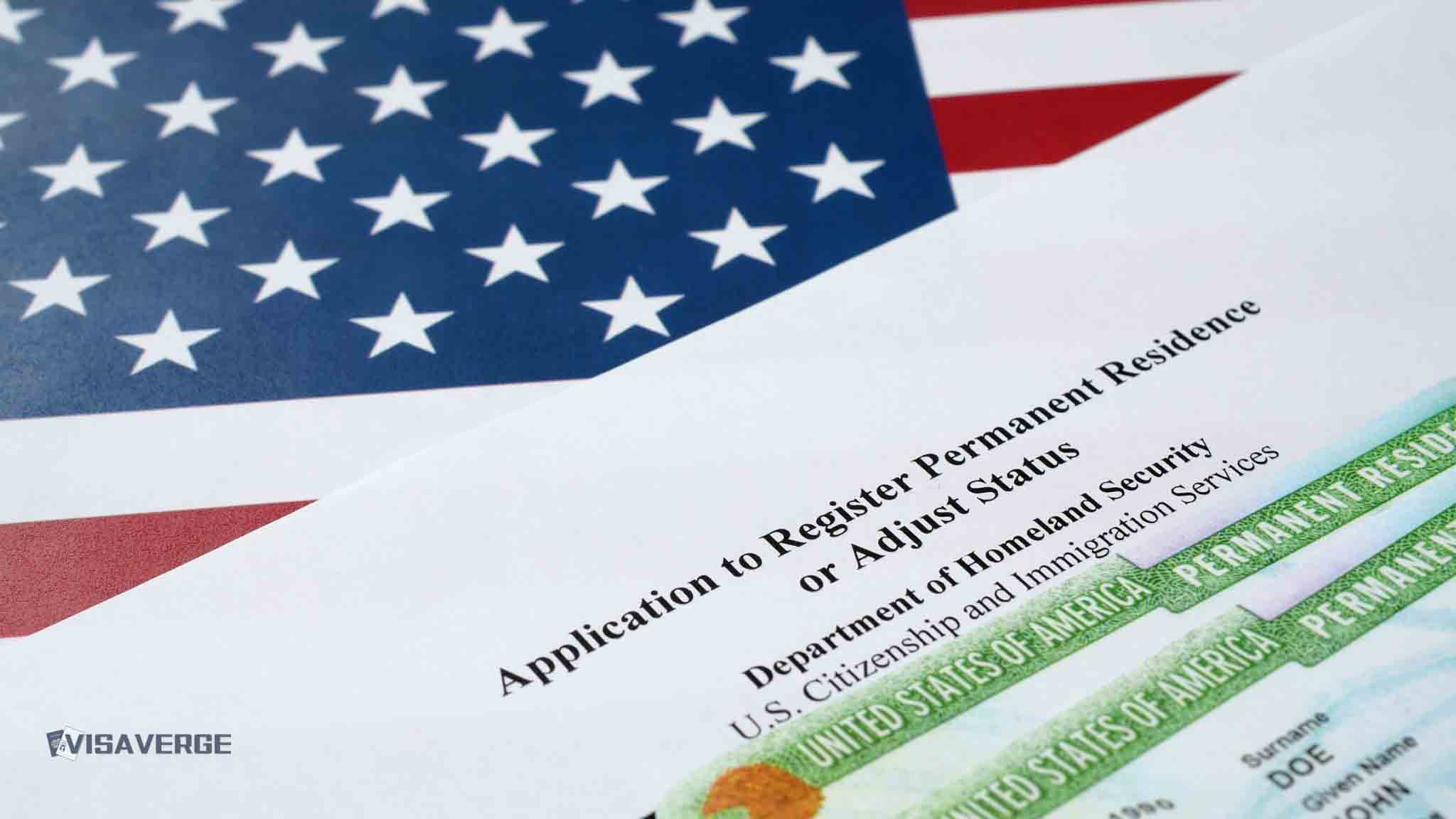
Most nurse RFEs arise on Form I-140, Immigrant Petition for Alien Workers (employment-based, filed by the hospital or staffing sponsor). Some nurses in the U.S. also receive RFEs on Form I-485, Application to Register Permanent Residence or Adjust Status.
Typical RFE deadline
USCIS RFEs usually give 87 days to respond. Your notice will list the exact due date. USCIS must receive the response by that deadline.
⏱️ Response Deadline: Most RFEs allow 87 days to respond. Use the due date on your notice and plan delivery time.
Common RFE reasons in nurse (EB-3) cases
Typical RFE reasons include unclear job offers, employer ability-to-pay questions, Schedule A filing gaps, credential or licensing issues, identity document inconsistencies, and public charge-related inconsistencies.
- Job offer details are unclear — Missing worksite, duties, wage, or full-time confirmation.
- Employer ability to pay — Tax returns, audited financials, or payroll records do not clearly show ability to pay the offered wage from the priority date.
- Schedule A filing issues — Missing ETA Form 9089 submission elements, posting proof, or required attestations.
- Credentials and licensing gaps — Missing nursing license documentation, VisaScreen-related evidence, education records, or unclear equivalency support.
- Identity and civil documents — Inconsistent names, missing birth certificate, missing marriage certificate, or missing certified translations.
- Public charge-related questions or inconsistencies — Conflicting household information, unclear support evidence, or missing explanations for gaps.
⚠️ Common Mistake: Sending some documents now and “the rest later.” USCIS generally expects one complete RFE response package.
Best practices to respond correctly
Follow a disciplined process. It reduces delays and avoids denial for abandonment.
- Read the RFE line-by-line. Create a checklist of every item requested.
- Respond only with what USCIS asked for, plus clarifying context. Extra documents can confuse the record.
- Make your response easy to adjudicate. Use a cover letter with headings that match the RFE bullets.
- Fix inconsistencies across filings. Names, dates, job titles, and addresses must match across the petition, resume, and civil records.
- Use clear copies and certified translations. Keep translations complete and properly certified.
- Mail using trackable delivery. Use the RFE notice address. Do not send to a different lockbox.
✅ Pro Tip: Tab and label each exhibit. Put the RFE notice on top. Add a one-page exhibit list for quick review.
What to include in your RFE response packet
- Original RFE notice (or the notice page USCIS requests)
- Cover letter summarizing each response item
- Exhibits, labeled to match the RFE requests
- Employer support letter, if job details need clarification
- Ability-to-pay evidence, if requested
- Civil documents and certified translations, if requested
- Any corrected forms or missing pages USCIS specifically requests
Consequences of missing the deadline
If USCIS does not receive a complete response by the deadline, it can deny the case for abandonment. This can trigger major delays, new filing fees, and a loss of place in line in practical terms, even when the priority date remains.
📋 Required Action: Respond by the deadline on the notice. USCIS must receive your packet on time, not just postmarked on time.
When attorney review is a smart choice
Consider attorney review when the RFE involves complex or potentially disqualifying issues. Attorneys can help compile legal arguments, correct inconsistencies, and provide supporting legal precedent where appropriate.
- Ability-to-pay disputes
- Worksite changes or staffing model questions
- Prior immigration issues, arrests, or misrepresentation concerns
- Complex credential equivalency or licensing questions
- Any RFE that suggests possible ineligibility
Forms and processing context (quick reference)
Processing times are USCIS estimates as of January 2026. Times vary by form category and service center. Check egov.uscis.gov/processing-times/ for current data.
Delays often increase with RFEs, background checks, and interview queues. Verify fees and processing windows before planning employment start dates or travel.
| Form | Purpose | Fee (verify at uscis.gov/fees) | Typical Processing (est., as of January 2026) |
|---|---|---|---|
| I-140 | Immigrant worker petition (employer-filed) | Varies by classification | Varies by service center; check official tool |
| I-485 | Adjustment of Status | $1,225 (includes biometrics in many cases) | Often months to over a year; check official tool |
| I-765 | Application for Employment Authorization | $410 (some categories vary) | Often several months; check official tool |
| I-131 | Application for Travel Document | Fee varies by category | Often several months; check official tool |
Official sources to monitor (and what each is best for)
- USCIS Visa Bulletin guidance: Use uscis.gov/visabulletininfo to confirm which chart USCIS uses for adjustment of status.
- Case status and notices: Use my.uscis.gov to track receipt numbers and see updates.
- U.S. Embassy in the Philippines: Use ph.usembassy.gov for interview instructions and local document requirements.
- State Department travel and visa context: Use travel.state.gov for advisories and consular process information.
Practical next steps
- Pull your RFE notice and write a same-day checklist of every requested item.
- Collect documents, including certified translations, and resolve any name or date mismatches.
- Draft a cover letter that tracks the RFE order exactly.
- Send one complete response package with tracking well before the due date.
- Track case updates at my.uscis.gov and confirm processing estimates at egov.uscis.gov/processing-times/.
📋 Official Resources: Download forms at uscis.gov/forms. Check processing times at egov.uscis.gov/processing-times. Fees and processing times are subject to change—always verify current information at uscis.gov.