January 3, 2026
- Updated title and framing to focus on Russian visa requirements for 2026
- Added unified e-visa details: 30-day stay, 120-day validity, processed in up to 4 days
- Added Skilled Visa Programme effective April 15, 2026, with 1-year business visa and 30-day residency decision
- Included visa-free cap change: 90 days per calendar year effective July 18, 2025
- Added nationality-specific notes: e-visa available to ~55 countries; US/Canada/UK/Australia require consular processing
- Expanded arrival/registration, fees, timelines, and golden-visa investor residency updates for 2026
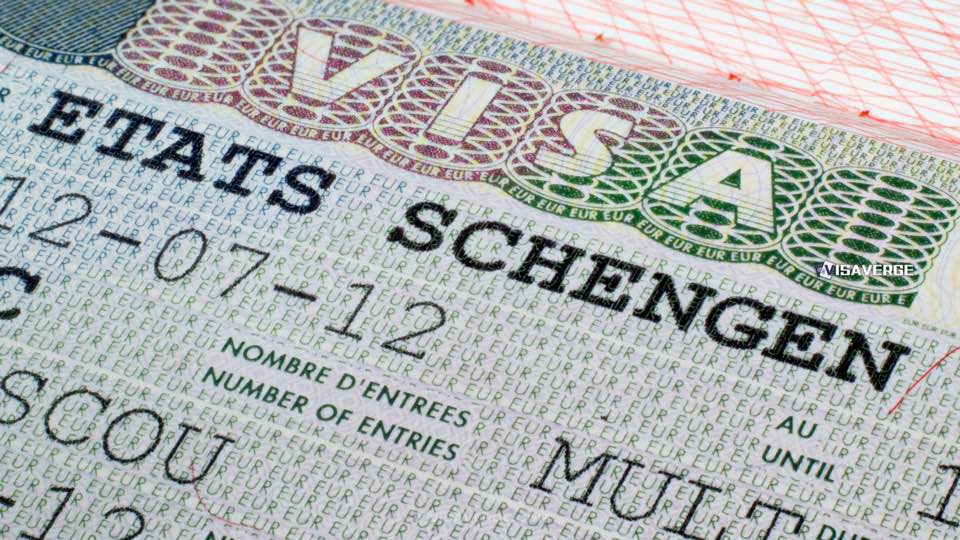
(RUSSIA) Russia will require a visa for most foreign nationals in 2026, but three routes now shape the fastest decisions: the expanded e-visa for short trips, the new Skilled Visa Programme starting April 15, 2026, and updated golden visa rules for investors seeking permanent residency.
These changes matter for tourists who want a simple online entry permit, for professionals chasing a work-and-residency track without quotas, and for families who need clear rules on stay limits and registration after arrival.
The 2026 system, in plain terms
Russia issues visas based on your purpose of travel, with strict matching between what you request and what you do in-country. The big 2026 shift is speed and targeting: short visits move online through the unified e-visa, while long-term migration focuses on skilled workers and investors.
According to analysis by VisaVerge.com, Russia is using these reforms to bring in talent in priority sectors while tightening rules designed to reduce casual overstays.
Here are the three headline numbers most applicants should memorize:
- Unified e-visa: single entry, up to 30 days of stay, usable within 120 days of issuance, and processed in up to 4 days for eligible nationalities.
- Skilled Visa Programme: signed by President Vladimir Putin, effective April 15, 2026, with a work-permitted one-year business visa after online qualification approval, then a residency decision in 30 days after entry.
- Visa-free cap change: many visa-free nationals are limited to 90 days per calendar year since July 18, 2025.
Key takeaway: short trips → e-visa; targeted professionals → Skilled Visa Programme; investors → golden visa. Nationality determines which lanes are open.
Picking the right track: short visit, work, study, family, or investment
Start by choosing the visa type that matches your real plan, because border and migration checks focus on consistency.
- Tourist visa: sightseeing trips; often replaced by the unified e-visa for eligible nationalities.
- Business visa: meetings and negotiations, not standard employment; becomes the bridge visa under the Skilled Visa Programme.
- Student visa: requires an invitation and proof of enrollment.
- Work visa: tied to a job and sponsor paperwork; now complemented by the Skilled Visa Programme for targeted experts.
- Private visa: family or personal visits by invitation.
- Transit visa: passing through Russia en route elsewhere.
- Golden visa (investor residency): route to permanent residency under Federal Law No. 115-FZ, with updated stay rules in 2026.
Nationality drives which lane is even open.
- The unified e-visa is available to nationals from about 55 countries.
- Citizens of United States ??, Canada ??, the UK, and Australia must use consular processing rather than the e-visa channel.
The application journey — four phases with realistic timeframes
Most delays come from missing invitations, passport validity problems, or inconsistent travel details. Treat the process as four phases.
Phase 1: Confirm eligibility and timing window
- For the unified e-visa, apply online 86 days to 4 days before entry.
- The e-visa is designed for short stays only and has been valid nationwide since August 1, 2023; its validity was doubled on August 23, 2025.
- For traditional visas, consulate appointment availability often drives timelines.
- Note: applicants from the United States ?? should be aware the US Embassy in Moscow has halted non-diplomatic visa services, so Russians apply elsewhere and foreign applicants rely on Russian consulates and visa centers.
Phase 2: Secure the correct invitation (if required)
Traditional Russian visas usually require an invitation letter:
- Tourist: hotel confirmation or tour voucher.
- Business: invitation from a Russian company.
- Work, student, private: sponsor-issued invitation aligned to purpose and dates.
-
The unified e-visa skips the invitation requirement, which is why it’s often the fastest option for short travel.
- Skilled Visa Programme applicants begin differently: they first submit qualifications online through an approved agency for a decision that unlocks the business-visa stage.
Phase 3: Prepare documents that pass basic checks
Most refusals are preventable. Authorities focus on identity, purpose, and whether your documents support the stay you request.
Commonly required core items (across categories):
- Passport valid for 6+ months beyond visa expiry, with 2 blank pages, and no damage.
- Recent photo; standard size 35x45mm.
- Medical insurance that covers Russia — mandatory for the e-visa and recommended for all travelers.
Visa-specific items:
- Work: employment contract and sponsor documents.
- Student: enrollment letter and invitation.
- Skilled Visa Programme: proof of expertise in the listed priority fields, with no language tests and no quotas.
- Golden visa: investment proof, and a Russian language test for adults.
Phase 4: Submit, pay, wait, then verify every detail
- For the e-visa, submission is fully online via the official unified e-visa portal at the Russian MFA e-visa application site. The guide lists an approximate fee of $52 USD and a processing time of up to 4 days.
- For traditional visas, complete the standard visa form, print it, and submit through a consulate or visa center with an appointment.
- Russia’s official application entry point is at the Ministry of Foreign Affairs visa information and e-form page.
- Processing for traditional visas is commonly 4–20 days under standard service; expedited services cost more. Fees vary by nationality, visa type, and urgency.
- When you receive a visa, verify spelling, passport number, entries, and dates before you travel — a small typo can cause denied boarding or border refusal.
What happens at arrival: border control, the migration card, and registration
- Expect standard passport control, typically 15–60 minutes.
- Carry the same documents used for the application and proof of insurance where required.
- Registration rule: within 7 working days of arrival, the host side registers your stay — usually a hotel or Russian resident handles this. Registration channels include post office or digital services.
- Overstays have consequences: fines, deportation, and entry bans. The e-visa and many tourist entries cap at 30 days; overstaying that limit is risky.
Skilled Visa Programme: the two-stage fast track
The Skilled Visa Programme is the most important new work-and-residency pathway and targets shortages in sectors such as manufacturing and science.
How it works (two stages):
- Online qualification approval through an approved agency, based on professional skills in fields including science, business, industry, education, culture, and sports.
- Entry on a one-year business visa that allows immediate work, followed by a residency decision in 30 days after arrival.
- The programme is family-forward: families qualify too, affecting school planning, housing, and spouse relocation.
- This route presumes commitment — it’s intended for people who plan to work and settle, not for short exploratory visits.
Golden visa in 2026: investor residency with fewer stay limits
Russia’s investor route (the golden visa) under Federal Law No. 115-FZ changes a key requirement that often derailed residency plans: physical presence.
- Investors no longer face a six-month annual stay requirement to maintain permanent residency.
- The benefit extends to family members (spouses, children, parents, grandparents).
- Adults must still pass a Russian language test.
- Practical implication: paperwork and investment proof become more important than travel days for maintaining status.
Common mistakes that lead to refusals or border trouble
Most problems occur when declared purpose and actual activity don’t match. Authorities check alignment between visa type, invitation content, travel dates, and what you say at the border.
Frequent issues to avoid:
- Applying for an e-visa when your nationality isn’t eligible and then scrambling for consular processing.
- Passport validity shorter than the 6+ months requirement.
- Buying insurance that doesn’t explicitly cover Russia for the full stay.
- Overstaying the 30-day limit on the e-visa or tourist entry.
- Skipping registration within 7 working days, especially for private stays.
Note: the 90 days per calendar year cap for many visa-free travelers (since July 18, 2025) makes travel history tracking more important.
Warning: inconsistencies between your visa type, invitation, and actual activities are the most common cause of denial at border control.
A compact checklist before you apply
Use this checklist to keep your case clean and fast:
- Choose the correct category: tourist, e-visa, business, work, student, private, Skilled Visa Programme, or golden visa.
- Lock in timing: e-visa applications 86 to 4 days pre-entry, and keep travel dates consistent across documents.
- Prepare a compliant passport, photo, and Russia-valid insurance, plus any invitation or proof tied to your visa route.
- Submit through the correct channel, then verify the visa details immediately after issuance (spelling, passport number, entries, dates).
Quick reference table — three key routes
| Route | Key features | Timing / Processing |
|---|---|---|
| Unified e-visa | Single entry; up to 30 days; invitation not required for eligible nationalities | Apply 86–4 days before entry; up to 4 days processing; fee approx. $52 USD |
| Skilled Visa Programme | Online qualification → one-year business visa → residency decision in 30 days; no quotas, no language tests for qualification | Programme effective April 15, 2026; initial online approval then entry |
| Golden visa (investor) | Pathway to permanent residency under Federal Law No. 115-FZ; no six-month stay requirement for maintaining status | Investment proof and language test for adults; family inclusion (spouse, children, parents, grandparents) |
Ensure you follow the matching rules between purpose, invitation, and activities. Verify all details when visas are issued and register your stay on time.
Russia’s 2026 visa reforms streamline entry for tourists via e-visas and professionals through the new Skilled Visa Programme. Key changes include faster 30-day residency decisions for experts and the removal of stay-duration requirements for golden visa investors. While e-visas offer convenience, traditional consular processing remains mandatory for citizens of the US, UK, Canada, and Australia, emphasizing the importance of nationality-specific rules.