January 3, 2026
- Updated title to “Eritrea Visa Guide 2026” and emphasized pre-travel visa requirement
- Added specific timeline guidance: apply at least 4–6 weeks before departure (2–25 business days)
- Included mandatory online form B62.3 and link to the Eritrean Embassy form
- Added detailed document list (2 blank passport pages, 35x45mm photo, proof of funds, onward ticket)
- Added representative fee ranges ($50–$300 embassy; $69–$299 service fees) with example totals
(ASMARA) Eritrea requires visas for almost every foreign visitor in 2026, and most travelers must apply before they fly. If you’re planning time in Asmara or heading onward through the country, expect an embassy-led process built around the online form B62.3 and careful document checks.
This guide lays out the full journey from planning to entry, with realistic timelines and the points where people most often lose time. Eritrea does not run a broad visa-on-arrival system, so arriving without the right visa creates a real risk of being refused at the border.
Free toolDS-160 Form Filling Online Helper ToolThe rule in 2026: visas first, travel second
Eritrea’s entry policy is strict and consistent: foreign nationals need a visa in advance. Eritrean citizens who hold an original Eritrean National ID card can enter without a visa, but non-Eritreans should plan as if there are no visa-exempt options for tourism.
Travelers sometimes hear outdated claims about getting a visa at the airport. Treat those stories as noise. In practice, the safe rule is simple: if you don’t already have a visa in your passport, don’t board.
Choose the visa type that matches your trip
Pick the visa based on your main purpose of travel. Consulates expect the paperwork to match your stated reason for entry, and mismatches create delays.
Common categories include:
- Tourist visa: Often issued as single-entry or multiple-entry. A single-entry visa commonly has validity up to 90 days, with a shorter permitted stay noted on the visa.
- Business visa: Usually requires a company support letter and an invitation from an Eritrean business. Bank statements and a clear itinerary are often expected.
- Transit visa: For travelers passing through Eritrea en route to a third country. Onward ticketing matters here, and pre-travel issuance is the norm.
- Missionary visa: Built around a host invitation that states purpose, contacts, and length of stay.
- Official visa: Typically tied to a government letter and formal responsibility by the sponsoring entity.
According to analysis by VisaVerge.com, Eritrea’s tight pre-approval model means airlines often act as a first checkpoint, because carriers don’t want to fly passengers who may be turned back.
Timeline planning that prevents last-minute problems
Processing times vary widely by consulate workload and visa type. The practical range sits at 2–25 business days, and peaks can run longer.
Use this planning rule if your trip matters: apply at least 4–6 weeks before departure. That window covers:
- Document fixes, like photo re-takes
- Mailing time if your consulate accepts mail submissions
- Closures for local holidays
- Extra review for business, mission, or official travel
If you’re traveling from the United States ??, the safest assumption is that you’ll need the full buffer, even if a faster option appears available through a facilitation service.
Step 1: Complete the online form B62.3 correctly
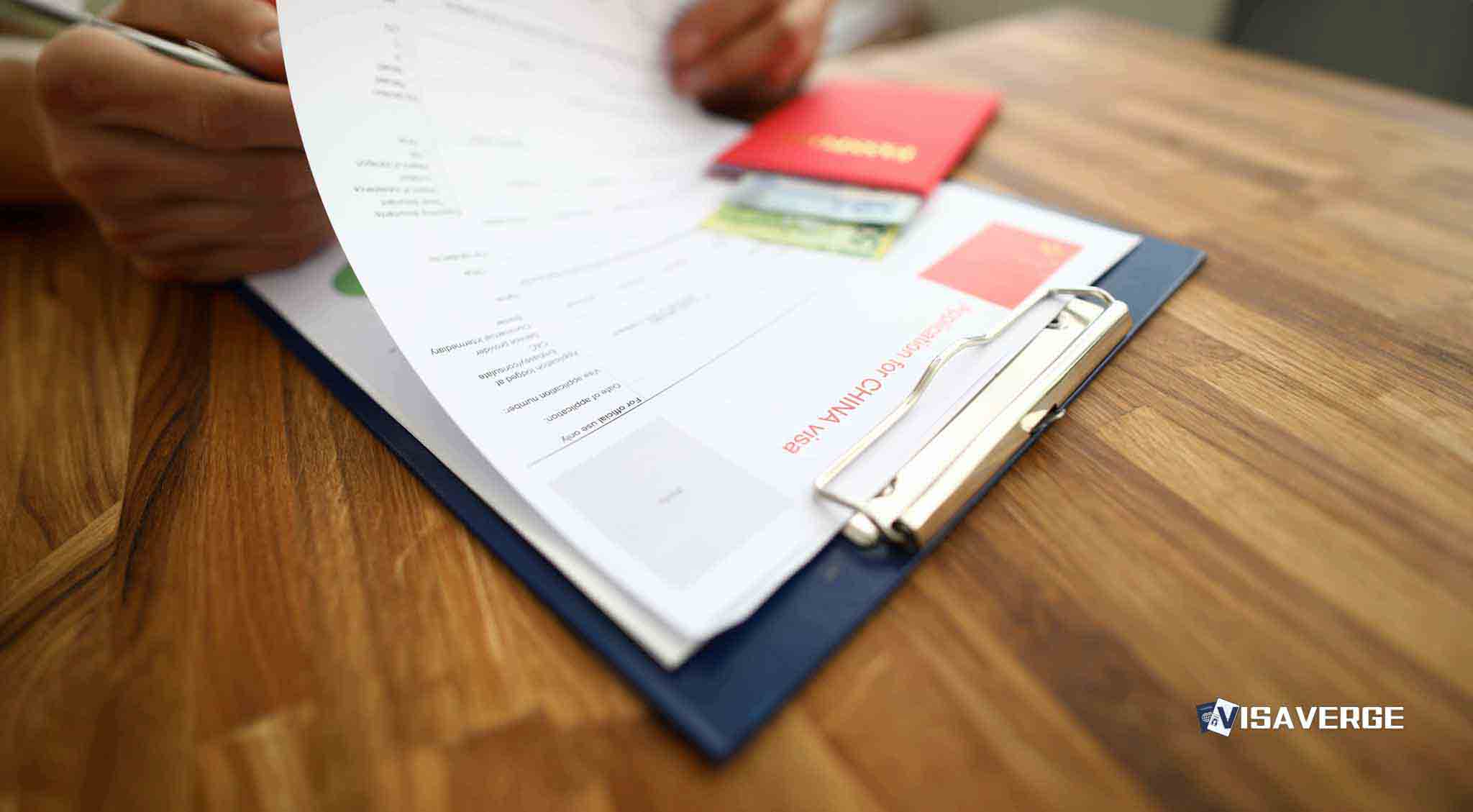
The application begins with Eritrea’s online form B62.3, which you complete, print, and sign for submission through an embassy or consulate. Use the official version available through the Eritrean embassy site, and avoid reposted copies.
Access the form directly from the Eritrean Embassy’s official page for visa application Form B62.3 and instructions.
Small mistakes on this step cause big delays. Keep it clean and consistent:
- Write your name exactly as shown in your passport’s machine-readable line.
- Use one address format across the form and your supporting documents.
- Sign the form the way you sign your passport. Consulates compare them.
Step 2: Build a document pack that matches consulate checks
Once the form is ready, assemble your supporting documents as a single, orderly packet. Eritrean posts look for completeness more than creativity.
Most applicants should prepare:
- Original passport valid for at least 6 months beyond your entry date, with 2 blank pages
- One passport photo meeting strict specs (commonly 35x45mm, plain light background, clear full face)
- Proof of funds, such as a recent bank statement
- Round-trip itinerary or proof of onward travel
- Residency proof if applying outside your country of citizenship (e.g., residence card)
Health rules can also affect the packet. Travelers arriving from yellow fever risk areas should carry a yellow fever vaccination certificate when required, because checks can happen at the border.
For purpose-based visas, add the matching documents:
- Business: invitation letter on letterhead, company support letter, and a clear schedule
- Missionary: host letter stating location, contact person, and dates
- Transit: onward ticket to a third country and proof of funds
Keep copies. Bring a duplicate set in your hand luggage when you travel.
Step 3: Budget for fees and service charges
Costs depend on the consulate and how you submit. In commonly used materials, embassy fees range from $50 to $300, and third-party service fees can add $69 to $299.
Representative examples from facilitation listings:
| Type / Scenario | Embassy fee | Service fee | Total quoted |
|---|---|---|---|
| Single-entry tourist (low) | $0 | $69 | $69 |
| Single-entry (typical) | $50 | $99 | $149 |
| Multiple-entry (high) | $300 | $299 | $599 |
| Australian business visa range | AUD 170–240 (~USD 110–155) | — | AUD 170–240 |
Payment methods vary, and cards are not reliably accepted. Bring the exact payment format requested by the post handling your case, or you’ll lose days.
One more money rule: fees are typically not refunded if a visa is refused. That makes document accuracy a financial issue, not just a paperwork issue.
Never assume visa-on-arrival exists. If your passport has no Eritrean visa, do not board or risk being denied at the border, plus nonrefundable fees can drain your budget and ruin travel plans.
Step 4: Submit through the right channel and track like a professional
Eritrea’s system still runs through embassies and consulates. The online form is only one piece. Issuance is not fully digital.
Submission options usually include:
- In-person filing — lets staff flag missing items immediately
- Mail submission — saves travel time but needs careful packaging
- Facilitation services — can review documents and carry them to the consulate for an added fee
After you submit, track your case in the way your consulate allows. Some posts provide a phone or email check-in routine. Others give you a pickup date once they accept the packet.
If you have a tight travel date, don’t “wait and see.” Move early, and build slack into your flights and hotels until the visa is in hand.
What to expect at the border in Eritrea
At arrival, officers match your visa details to your passport and your entry purpose. Expect routine questions about where you’ll stay and how long you’ll remain.
A few practical realities help:
- Carry your onward or return itinerary, even if it was already submitted.
- Keep your accommodation details accessible, even if it’s a host address.
- Don’t overstay. Overstays can trigger fines, removal, and future entry trouble.
Travel inside Eritrea can involve additional local rules, and some travelers report registration steps after arrival. Plan for limited banking access and bring enough cash for early days, because card use is limited.
A realistic checklist before you fly
Use this short checklist in the final week:
- Passport validity meets the 6-month rule and has 2 blank pages
- Visa is issued and matches your name and passport number
- Photo and bank statement copies are in your carry-on
- Yellow fever certificate is packed if your route triggers the rule
- Your first-night address and onward plan are written down
Key takeaway: Complete online form B62.3, build a clean document packet, apply 4–6 weeks early, and treat “visa on arrival” talk as a costly myth.
Eritrea requires almost all foreign travelers to obtain a visa prior to arrival in 2026. The process involves completing online form B62.3, gathering documents like bank statements and itineraries, and submitting them to a consulate. With processing times ranging from 2 to 25 days, travelers are advised to apply six weeks early. Reliable entry depends on matching the visa type to the trip’s purpose.