Who Are USCIS, Homeland Security, and ICE and What Do They Do?
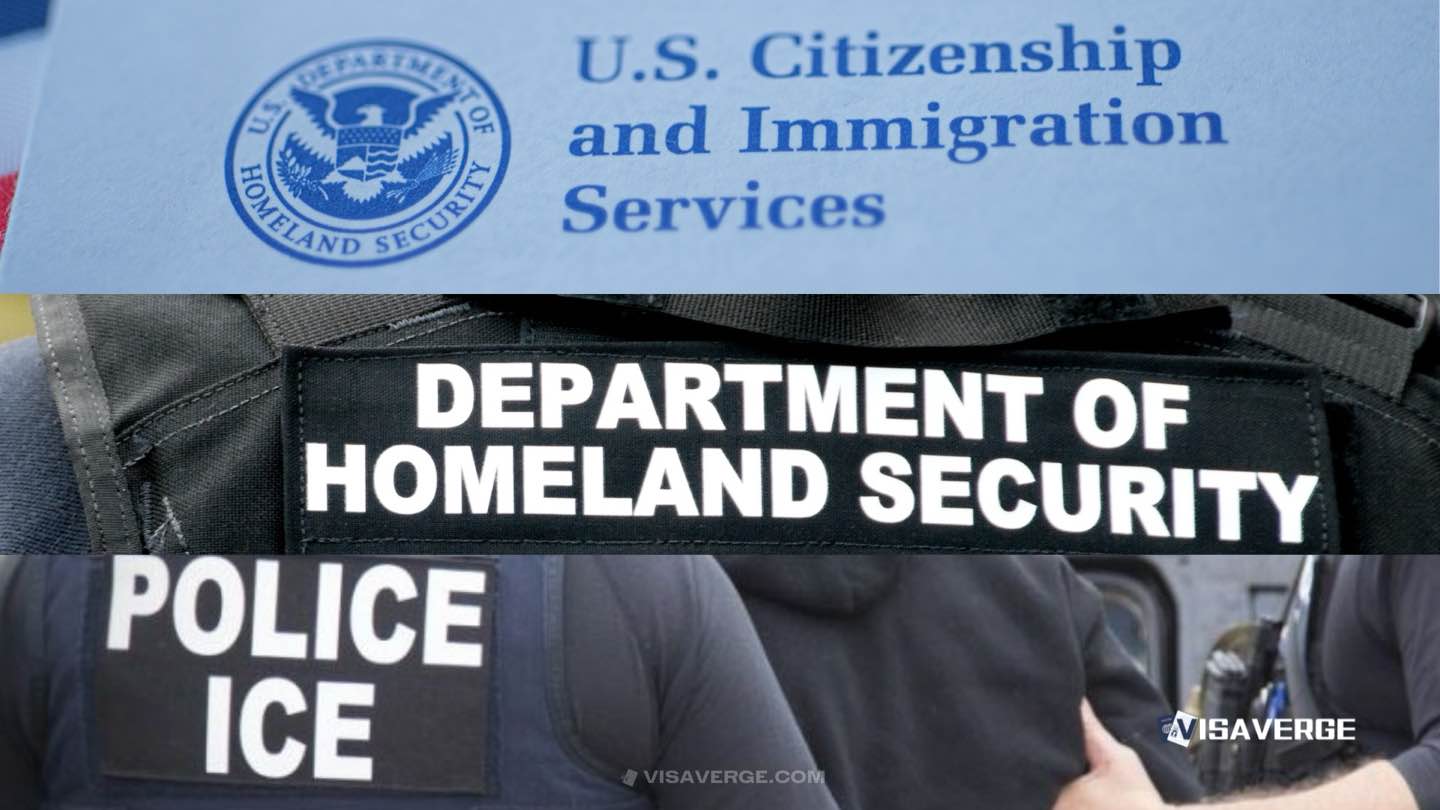
In the complex realm of U.S. immigration law, three primary agencies play crucial roles: the United States Citizenship and Immigration Services (USCIS), the Department of Homeland Security (DHS), and Immigration and Customs Enforcement (ICE). Each organization has specific responsibilities, powers, and procedures. Understanding who handles what is fundamental for anyone navigating the U.S. immigration system.
What is USCIS and When Should You Contact Them?
USCIS stands for United States Citizenship and Immigration Services. It is the government agency tasked with handling immigration and naturalization processes. Essentially, if your activities involve legal immigration, such as applying for citizenship, green cards, or work permits, USCIS will be your primary point of contact.
Key Responsibilities of USCIS Include:
- Processing visa petitions.
- Granting or denying applications for permanent residency and citizenship.
- Administering various immigration services and benefits.
If you need to apply for a visa or adjust your immigration status, USCIS is the agency you would contact. They offer a wealth of resources and assistance for filling out applications and provide detailed guidance on how to submit your documents properly. USCIS also handles appointments through their field offices for biometrics and interviews.
What is Homeland Security and Its Role in Immigration?
The Department of Homeland Security (DHS) is a larger body that oversees several agencies, including USCIS and ICE. Established in response to 9/11, DHS is primarily concerned with public security, encompassing anti-terrorism, border security, and disaster response and recovery.
In the Context of Immigration, DHS Responsibilities Include:
- Overseeing legal immigration processes.
- Managing border security.
- Enforcing immigration laws.
DHS plays a more overarching role, ensuring that the different arms of the U.S. immigration system work smoothly and cohesively. While individuals rarely need to directly contact DHS, understanding its role helps clarify how decisions are made and who makes them in the broader structure of U.S. immigration policy.
When and Why Should You Contact ICE?
ICE stands for Immigration and Customs Enforcement. It is the agency responsible for enforcing federal laws governing border control, customs, trade, and immigration. ICE is typically more involved in enforcement rather than the administrative and benefits aspects of immigration that USCIS handles.
ICE’s Primary Functions Include:
- Enforcing immigration and customs laws.
- Conducting investigations that pertain to illegal immigration and customs violations.
- Executing deportation orders.
Contact with ICE usually occurs under less favorable circumstances such as detention related to immigration violations. However, ICE also plays a role in combatting human trafficking and drug smuggling. Understanding when and why you might interact with ICE can be crucial, especially in situations involving legal assistance or in understanding rights under U.S. law.
Practical Steps for Contacting These Agencies
If you need to contact USCIS, you can do so through their official website, which provides contact information, office locations, and checklists for different types of applications. It is also possible to check the status of your application online or set appointments for necessary interviews or biometrics capturing.
For ICE, since it deals more with enforcement, contact is usually initiated by the agency itself in the case of investigations or detentions. However, legal representatives or family members might need to contact ICE for information regarding a detained individual.
Conclusion
Understanding the distinct roles and responsibilities of USCIS, Homeland Security, and ICE can significantly clarify the U.S. immigration process. Whether you are applying for a visa, seeking citizenship, or dealing with more complex immigration issues, knowing which agency to turn to and when can help streamline the otherwise daunting process.
At VisaVerge, we strive to provide clear and concise information to help you understand and effectively manage your interactions with these critical agencies. Handling immigration queries often requires detailed awareness and sensitivity, and with the right information, navigating this intricate system can be made significantly simpler. Remember, in all dealings with these agencies, documenting all communications and staying informed of your rights and responsibilities is paramount.
Learn Today:
Glossary of Immigration Terminology
- USCIS (United States Citizenship and Immigration Services):
- Definition: USCIS is the agency responsible for managing immigration and naturalization processes in the United States. It handles tasks such as processing visa petitions, approving citizenship and permanent residency applications, and overseeing various immigration services and benefits. USCIS is the primary point of contact for individuals engaging in legal immigration activities like applying for citizenship, green cards, or work permits.
- DHS (Department of Homeland Security):
- Definition: The Department of Homeland Security is a government body that supervises various agencies related to public security, including USCIS and ICE. In terms of immigration, DHS oversees legal immigration processes, manages border security, and enforces immigration laws. It plays an overarching role in ensuring the smooth functioning of the U.S. immigration system.
- ICE (Immigration and Customs Enforcement):
- Definition: ICE is the agency responsible for enforcing federal laws concerning border control, customs, trade, and immigration. Its core functions include enforcing immigration and customs laws, investigating illegal immigration and customs violations, and carrying out deportation orders. ICE is more involved in enforcement activities rather than the administrative tasks that USCIS handles.
- Enforcement Actions:
- Definition: Enforcement actions refer to activities conducted by ICE to uphold immigration laws, including detentions, investigations into immigration violations, and deportation proceedings. These actions are taken to ensure compliance with immigration regulations and to address issues related to illegal immigration, customs violations, and national security concerns.
- Field Offices:
- Definition: Field offices are physical locations operated by USCIS where individuals can attend interviews, provide biometrics, and receive in-person assistance related to their immigration applications. These offices serve as contact points for applicants needing to complete specific tasks or procedures as part of their immigration process, providing essential support and guidance throughout the application journey.
This Article In A Nutshell:
In U.S. immigration, USCIS handles visas and citizenship, while DHS manages security and immigration law enforcement. ICE enforces border control and deportation. Contact USCIS for legal immigration needs, DHS oversees the system, and ICE deals with enforcement. Understanding their roles can streamline navigating the U.S. immigration process effectively.
— By VisaVerge.com
Read more:
-
How to Contact USCIS: A Detailed Guide – Learn the best ways to get in touch with the United States Citizenship and Immigration Services.
-
When USCIS Considers a Case Abandoned – Understand the circumstances under which USCIS may deem an immigration case as abandoned.
-
Can You Contact Your Local Representative to Expedite Your USCIS Case? – Explore whether involving a local representative can speed up your USCIS case processing.
-
Troubleshooting USCIS Case Status Errors – Find solutions for common issues with USCIS case status updates.