


- ICE can detain naturalization applicants during USCIS interviews if databases flag unresolved removal orders or filing lapses.
- The risk is highest for those with missed I-751 deadlines, old deportation orders, or status inconsistencies.
- Increased interior enforcement in 2026 has made citizenship interviews high-risk checkpoints for flagged applicants.
(UNITED STATES) ICE can detain naturalization applicants at a USCIS citizenship interview when databases show an unresolved removal order, a missed filing, or another immigration violation. For many people, that turns a routine step toward citizenship into an arrest.
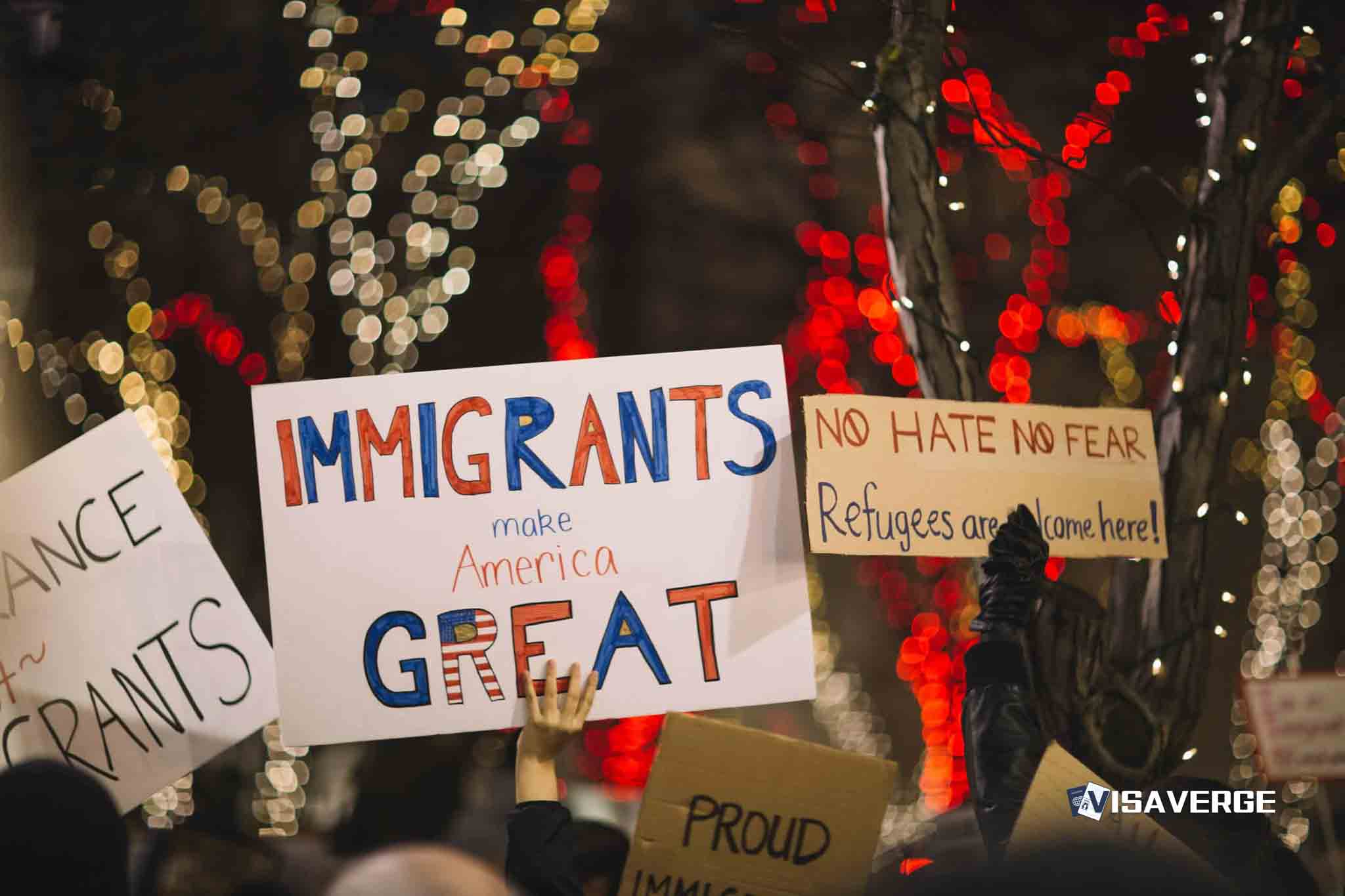
The risk is highest for applicants with old orders, conditional residence problems, address-change failures, or other records that were never fixed. USCIS interviews still focus on eligibility for naturalization, but ICE can enter the picture when enforcement flags appear during screening.
A USCIS citizenship interview normally tests whether an applicant meets the legal rules for naturalization. Officers review continuous residence, good moral character, English skills, and civics knowledge. In the current enforcement climate, those same interviews can also trigger a detention response.
Where the arrest risk begins
ICE and USCIS share databases, and those systems can surface past immigration problems in real time. A dormant removal order, a late filing, or a status lapse can appear before the interview starts, giving ICE a reason to act.
One common trigger is a missed Form I-751 deadline for a conditional resident. Filing Form I-751, Petition to Remove Conditions on Residence within the required window matters because a lapse can leave a person exposed to removal proceedings.
Another trigger is an old deportation order that never got fixed. Some applicants do not learn about the order until a USCIS check brings it back to life. ICE can then detain the person even without any criminal history.
Status problems also matter. Missed renewals, unreported address changes, and other paper failures can all lead to attention from ICE. In this setting, paperwork is not minor. It can decide whether the interview ends with a oath notice or handcuffs.
Why the 2026 enforcement climate is harsher
The Trump Administration’s second term has pushed interior enforcement harder. Workplace raids, expanded cooperation with local authorities, and fewer limits on ICE discretion have raised the risk around USCIS appointments.
A new USCIS Vetting Center, announced December 5, 2025, centralizes screening for criminal history, fraud, and security concerns. That makes interview checks faster and more aggressive. It also means more applicants can be flagged before they ever sit down with an officer.
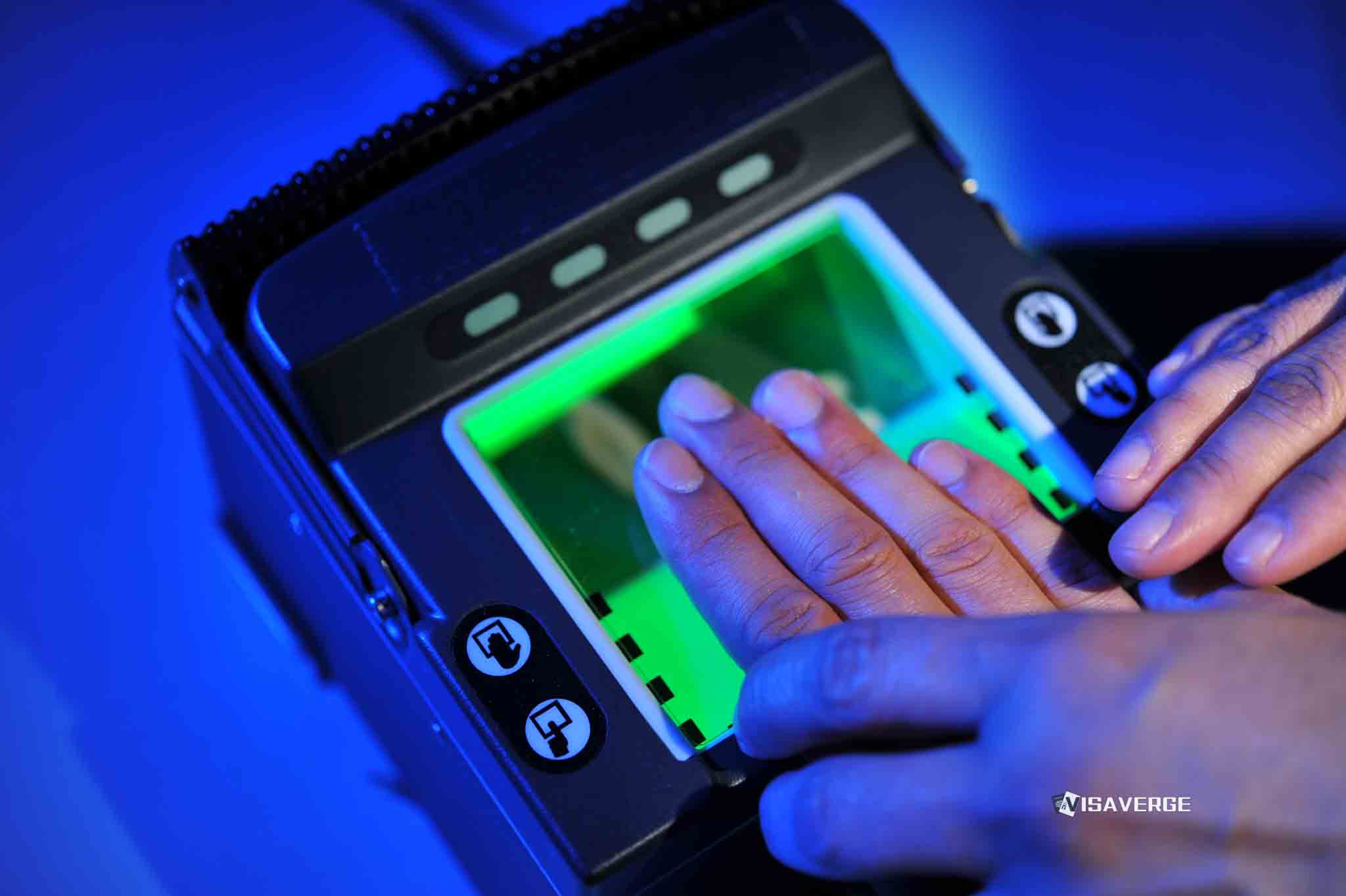
The government also widened vetting rules through a presidential proclamation effective January 1, 2026. Nationality, birth country, and travel history now draw closer scrutiny. For naturalization applicants with long international travel patterns, that adds another layer of review.
According to analysis by VisaVerge.com, the broader enforcement shift has made naturalization interviews feel less predictable, especially in high-enforcement areas where ICE presence is stronger. That matters most for people who have spent years building lawful lives in the United States.
What happens during the interview
The interview itself usually starts with identity checks and oath administration. The USCIS officer reviews the N-400 application, asks about residence and travel, then moves into civics and English testing. If the record is clean, the appointment often ends with the next step toward citizenship.
If a database hit appears, the interview can change quickly. USCIS may pause the case, refer the matter, or hold the applicant while ICE decides whether to arrest. In those moments, the person’s long record of work, family ties, and community life offers no automatic shield.
The current enforcement data show how broad the dragnet has become. Internal figures cited in March 2026 put the share of ICE arrests involving people with violent records at less than 14%. That suggests many actions reach far beyond the narrow class of serious criminals.
Rights that still apply inside the building
A USCIS office is not a courtroom, but basic rights still matter. Applicants should stay calm, ask for a lawyer, and say as little as possible beyond basic identity details. The right to remain silent still applies.
Do not agree to searches or make casual admissions about past immigration problems. If ICE makes an arrest, the person should ask for counsel right away. Family members should also be told as soon as possible, because quick contact can help organize documents and legal help.
USCIS policy does not promise a safe zone at interviews. It generally avoids routine arrests at these appointments, but it does cooperate with ICE when a fugitive, a removal order, or another enforcement trigger appears.
Steps to take before the interview
Preparation starts with a full record check. Many applicants request files through Form G-639, Freedom of Information Act/Privacy Act Request to see what USCIS and DHS already have on file. That file review can reveal old notices, missed deadlines, or hidden orders.
It also helps to check the immigration court case status system and the ICE detainee locator before the interview date. If an old order exists, a lawyer may file a motion to reopen or reconsider before the appointment. That step can prevent a sudden arrest.
Bring every document that proves compliance. That includes tax returns, proof of residence, address-change records, and evidence tied to an I-751 filing. If a late filing was accepted for good cause, carry the proof. If the case involves a spouse or family member, bring those records too.
For many naturalization applicants, the safest move is to get legal review before the interview date. A lawyer can spot problems hidden in older files and decide whether a motion, waiver, or other remedy fits the case.
Relief options, though they are narrower now
Some applicants can still fight a detention or removal case. Motions to reopen old orders remain one path, especially when a person never got proper notice. Prosecutorial discretion still exists, but ICE uses it less often than before.
Family-based relief also remains available in some cases. A U.S. citizen spouse may file Form I-130, Petition for Alien Relative, and a resident who qualifies for adjustment may file Form I-485, Application to Register Permanent Residence or Adjust Status. Visa pauses and tighter vetting now slow many of those paths.
For some people, cancellation of removal, asylum, or withholding of removal may still offer protection. Those options depend on the facts, the record, and timing. They also move through a backlogged immigration court system that often stretches cases for months or years.
The people hit hardest
Detention at a citizenship interview does more than delay a case. It separates families, interrupts income, and creates fear that spreads through schools, workplaces, and churches. In the case of Kasper Eriksen, a Danish lawful permanent resident detained in 2025, the arrest left his pregnant wife and children facing immediate upheaval.
Broader immigration limits have also pulled more people into risk. Visa pauses, expanded social media checks, and tighter workplace enforcement all feed the same system. Naturalization applicants often have spent years paying taxes, raising children, and building stable lives. One database hit can undo that sense of security.
USCIS still approves citizenship cases every year, and the agency continues to process eligible applicants. But the path now carries more screening, more cross-checks, and more room for ICE to appear at the worst possible moment.
The official USCIS naturalization page at USCIS Citizenship Resource Center explains the naturalization process, study materials, and eligibility rules. For applicants with any old immigration problem, that interview date should be treated as a serious enforcement checkpoint, not just a final formality.



Multiple date errors on this article. May 21st should be changed to April 15th.
Thank you for pointing it out. We corrected the information.