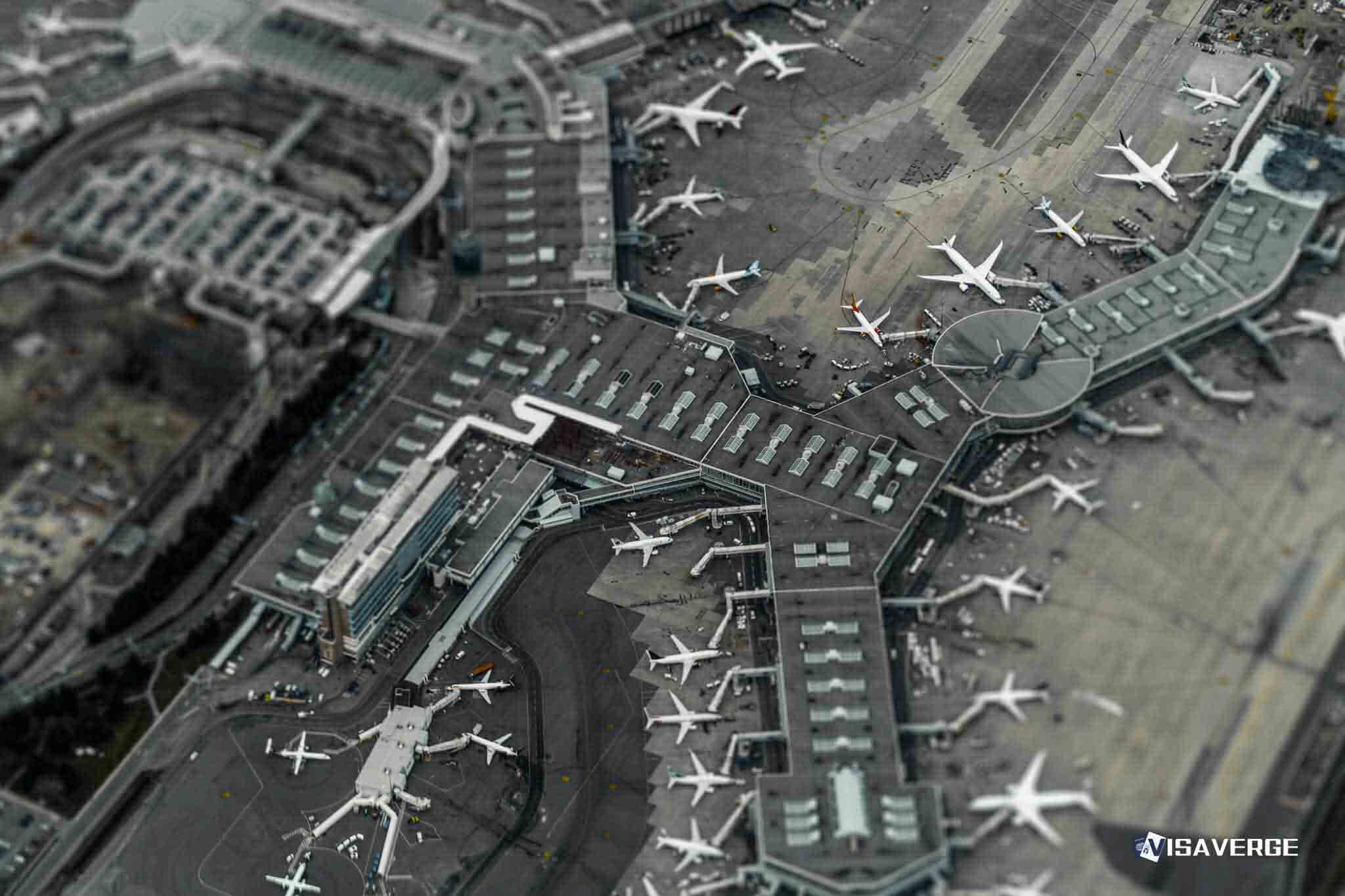
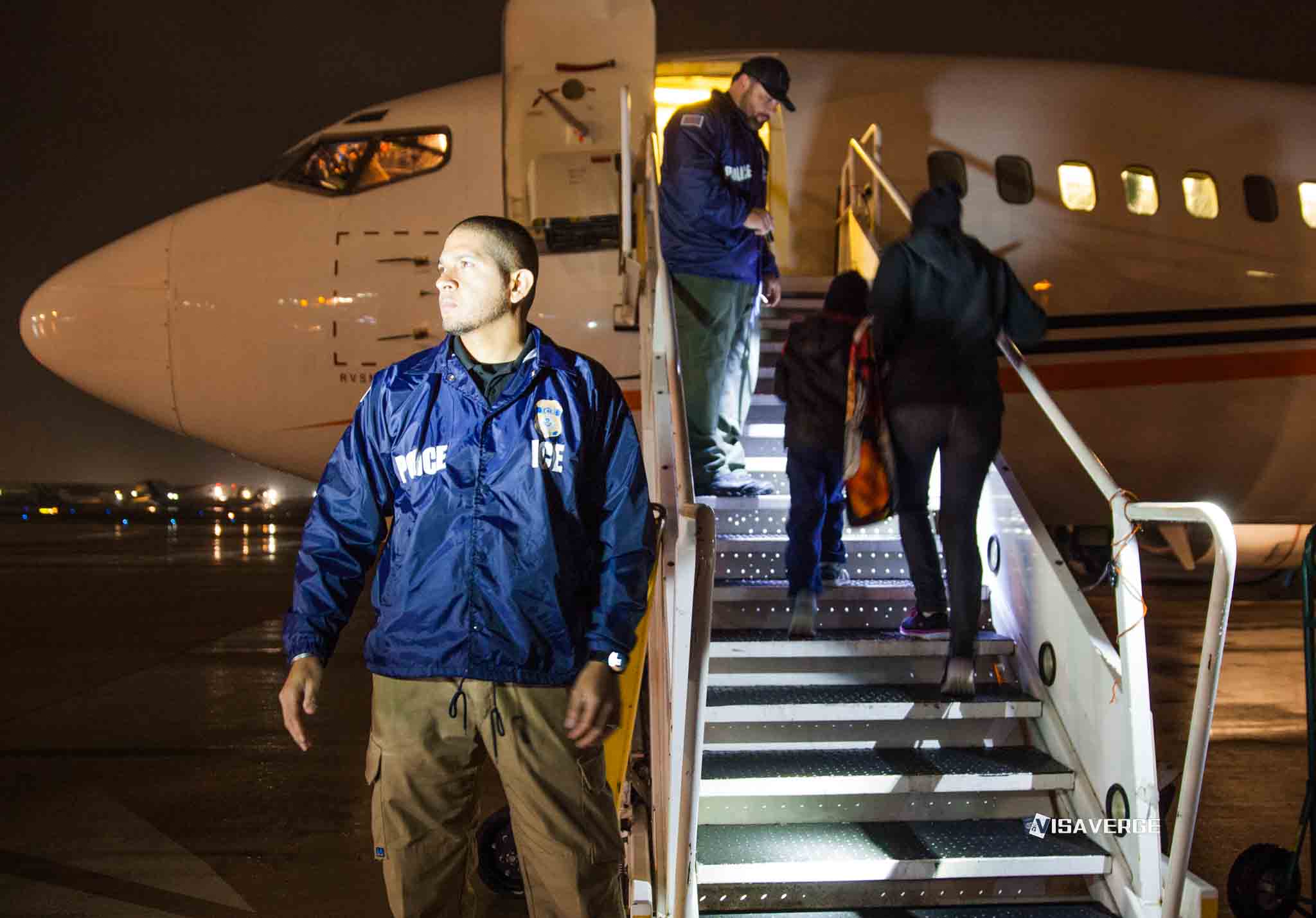
- The FAA is launching its largest structural reorganization under Flight Plan 2026 to modernize safety systems.
- A new DHS labor framework ends collective bargaining for TSA, potentially impacting airport checkpoint staffing.
- USCIS has implemented a Hold and Review memorandum affecting asylum applications for citizens of 39 countries.
(UNITED STATES) — A sweeping FAA overhaul designed to speed safety improvements and technology adoption unfolds as DHS/TSA and USCIS enact companion policies, creating a new landscape for travel reliability, airport experiences, and immigration case processing.
1) Overview: FAA restructuring under Flight Plan 2026

Flight Plan 2026 is the Federal Aviation Administration’s new blueprint for reorganizing how it runs safety oversight and modernizes the National Airspace System. On January 26, 2026, Department of Transportation leaders described it as the largest structural reorganization in FAA history.
For most travelers, “reorganization” sounds like an internal chart change. In aviation, structure shapes outcomes. Who owns safety risk decisions, where data goes, and how fast new air traffic control (ATC) technology is deployed can affect airline operations in visible ways.
Think delays tied to airspace flow programs, procedural changes that alter routing, or transition periods when new systems are phased in.
Ports of entry add another layer. Airport operations do not stop at the gate. Screening, boarding checks, and immigration processing all meet in the same physical space, often at the same moment in a trip.
That is why this guide also tracks concurrent Department of Homeland Security actions, including a USCIS policy shift that can affect certain asylum and benefit applications.
2) Key components of the FAA restructuring
Four main moves sit at the center of Flight Plan 2026. Each is meant to make safety oversight more unified and ATC modernization faster.
Centralized safety under a new Aviation Safety Management System (SMS) Organization. Safety work had been split across five units. The new SMS organization is designed to unify how risk is identified, measured, and acted on.
A simple analogy fits: instead of five separate “thermometers” reading different temperatures, the agency wants one shared readout and one response plan. For airline operations, that can mean changes in how safety data is shared and reviewed.
In many cases, airlines may see updated reporting channels or revised feedback loops for safety trends. Travelers may notice the downstream effect, such as more consistent operational decisions after safety events.
An Airspace Modernization Office to accelerate ATC upgrades. This office is tasked with installing a new ATC system quickly, aligning with modernization priorities reflected in the FAA Reauthorization Act of 2024.
Modern ATC tools tend to focus on better traffic sequencing, clearer controller displays, and more resilient infrastructure. Those improvements can reduce certain delay types over time, though technology rollouts often come in phases.
An Advanced Aviation Technologies Office focused on new aircraft types. Drones, eVTOL aircraft, and Advanced Air Mobility (AAM) concepts are no longer theoretical. A dedicated office signals the FAA wants a single place to coordinate how emerging aviation technology fits into shared airspace.
Consolidated Administration under the Office of Administration and Finance. Finance, IT, and Human Resources are being grouped together to reduce duplicated internal processes. That matters because modernization projects live or die on procurement, staffing, and IT delivery.
Practical expectation-setting matters here. A reorganization like this can change how decisions move through the agency and how quickly pilots, airlines, and airports receive new procedures. Short-term friction is possible during handoffs.
Also, Flight Plan 2026 does not automatically change passenger documentation rules. Travelers should still expect existing ID and passport requirements to apply unless separately updated by the responsible agencies.
3) Concurrent DHS/USCIS actions and policy shifts
DHS changes are unfolding on a parallel track, and they can shape airport experience even when aviation rules stay the same.
TSA labor framework change. On January 11, 2026, DHS Secretary Kristi Noem implemented a new labor framework for TSA that rescinds prior collective bargaining agreements.
DHS framed screening functions as national security work that “shall not engage in collective bargaining.” Operationally, labor framework changes can affect staffing rules, scheduling practices, and workplace policies.
Travelers may feel that in wait times, lane availability, or how quickly checkpoints recover from a surge. Outcomes can vary by airport.
USCIS case posture change: Hold and Review memorandum. USCIS is also shifting how it handles certain cases, and that can matter for travelers who are also applicants.
Note that the Hold and Review policy affects pending asylum/benefit applications for certain countries; policy details and effective date are explicit in the source.
The Hold and Review memorandum is effective January 1, 2026. It affects pending asylum and benefit applications for citizens of 39 countries identified in an updated travel ban.
The policy also calls for re-review of previously approved benefits for individuals who entered the United States after January 20, 2021.
Across DOT, DHS, and USCIS, a common theme emerges: tighter oversight and more centralized control. In airports, that can translate into more cross-checking, more process gates, and longer timelines when agencies change how they work.
Table 1: Timeline and components of the FAA restructuring and related DHS/USCIS actions
| Date / Event | Entity | What changes | Traveler/Operational Impact |
|---|---|---|---|
| January 11, 2026 — TSA labor framework change | Department of Homeland Security / TSA.gov | New labor framework; prior collective bargaining agreements rescinded | May affect checkpoint staffing patterns and day-to-day screening operations, depending on airport and implementation |
| January 1, 2026 — Hold and Review memorandum begins | U.S. Citizenship and Immigration Services | Certain pending asylum and benefit applications placed under Hold and Review; re-review concept for some prior approvals tied to entry timing | May slow case decisions and add scrutiny; travelers who are applicants may want stronger documentation readiness |
| January 26, 2026 — Flight Plan 2026 announced | Department of Transportation / Federal Aviation Administration / Transportation.gov / FAA.gov | Safety oversight centralized; modernization and advanced tech offices realigned; administration consolidated | Potential near-term transition friction; longer-term goal is faster ATC modernization and better safety data sharing |
| January 27, 2026 — NTSB testimony on DCA collision | Jennifer Homendy / NTSB context | Public scrutiny on preventability and systemic risk controls | Adds pressure for faster safety fixes, clearer accountability, and stronger reporting channels |
| January 28, 2026 — DHS oversight messaging | Tricia McLaughlin / DHS.gov | Public defense of DHS operational posture under Secretary Noem | Signals heightened oversight stance that can shape enforcement and operational tempo |
4) Official statements and quotes
Secretary Sean P. Duffy described the FAA reorganization as a way to “streamline the bureaucracy,” encourage innovation, and deliver a new ATC system quickly while improving safety.
FAA Administrator Bryan Bedford emphasized permanent leaders who share safety data “freely” and focus on deploying a “brand-new” ATC system.
DHS messaging has a different center of gravity. Secretary Kristi Noem tied TSA screening to national security. On January 28, 2026, DHS Assistant Secretary Tricia McLaughlin pushed lawmakers to focus on “protecting the American people” and defended departmental work under Noem’s leadership.
Readers can treat these statements as “intent signals.” They tell you what leaders plan to prioritize. Deliverables look different — those show up as new internal reporting lines, revised handbooks, changed training, and measurable deployment milestones.
5) Context: safety crisis and significance
Safety pressure is not abstract. On January 27, 2026, NTSB Chairwoman Jennifer Homendy testified that a deadly 2025 collision near Reagan National Airport (DCA) between an Army helicopter and an American Airlines jet was “100% preventable.”
Investigators said warnings about dangerous helicopter routes went unaddressed for more than a decade. That testimony points to a familiar aviation problem: data can exist, yet still fail to drive action.
“Data-sharing silos” are like having smoke detectors in different rooms that never trigger a whole-house alarm. Centralizing SMS is meant to make risk trends harder to ignore and easier to escalate.
What to watch next is operational, not speculative. Travelers and airlines may see updated safety bulletins, different reporting channels, and a sharper enforcement posture tied to standardized risk management.
6) Impact on affected individuals
Travelers feel modernization in both obvious and subtle ways. ATC upgrades are meant to reduce certain delay patterns over time.
Transition periods can still bring short-term turbulence: revised routings, more spacing, temporary reroutes around constrained sectors, or extra time built into airline schedules while procedures stabilize.
Keep expectations flexible on days when weather, staffing, and system changes intersect.
FAA employees received an assurance: no reductions in force or layoffs tied to this structural overhaul. That does not mean jobs stay identical. Reporting lines can change. Performance metrics can change too.
Daily work may shift toward new safety processes and new technology deployment timelines.
USCIS applicants face a different kind of uncertainty. A Hold and Review posture typically means slower decisions and more requests for evidence in many cases. Some applicants may also see additional scrutiny around identity, travel history, and consistency across filings.
Keeping a case resilient usually means staying organized, responding on time, and keeping addresses current in the USCIS system. Anyone affected should consider consulting a qualified immigration professional for individualized guidance.
Airline operations and immigration processes can meet at the worst possible moment: day-of-travel. A traveler who is also a pending applicant may face closer questioning at check-in, at a boarding gate, or during inspection on arrival.
Carriers still have to verify that documents appear valid for travel, even when the FAA is changing its internal structure. Separate systems. Same trip.
What travelers should know now: expect modernization phases and potential transitional effects on screening and airport operations; stay prepared with up-to-date documentation and monitor airline communications.
7) Official government sources and references
- Department of Transportation press release on FAA reorganization (Transportation.gov): Department of Transportation (Transportation.gov)
- Federal Aviation Administration updates and newsroom items on Flight Plan 2026 (FAA.gov): FAA Newsroom (FAA.gov)
- U.S. Citizenship and Immigration Services policy memoranda, including Hold and Review guidance (uscis.gov): USCIS Policy Memoranda (uscis.gov)
- TSA labor framework announcement (TSA.gov): TSA labor framework announcement (TSA.gov)
This article discusses U.S. government policy changes with potential real-world impacts on travel and immigration. Readers should consult official government sources for the most current guidance.
YMYL note: The Hold and Review memorandum affects immigration benefits; verify eligibility and deadlines with USCIS authorities.
Live Government Data
State Dept • CBPBusiest Border Crossings
- San Ysidro 120 min
- Nogales 90 min
- Nogales 90 min