


Immigration Crackdown Keeps Trump Base While Tariffs Weigh Heavily
A September 2025 Washington Post-Ipsos poll shows 56% disapproval of Trump, with immigration enforcement favored by supporters (55%)…

New $100,000 H-1B Fee Sparks Travel Caution for Indian Students on OPT
A new $100,000 fee applies to certain H-1B petitions for workers abroad starting September 21, 2025, for 12…
Bengaluru IBM Engineer Secures O-1 Visa After Three H-1B Rejections
After three H-1B lottery losses, AI professional Tanush Sharanarthi used documented achievements to secure an O-1 visa in…
214(b) Denial in 3 Minutes: Indian Applicant’s U.S. Visa Case
A 40-year-old Indian customs officer with significant savings and stable employment was denied a U.S. tourist visa after…
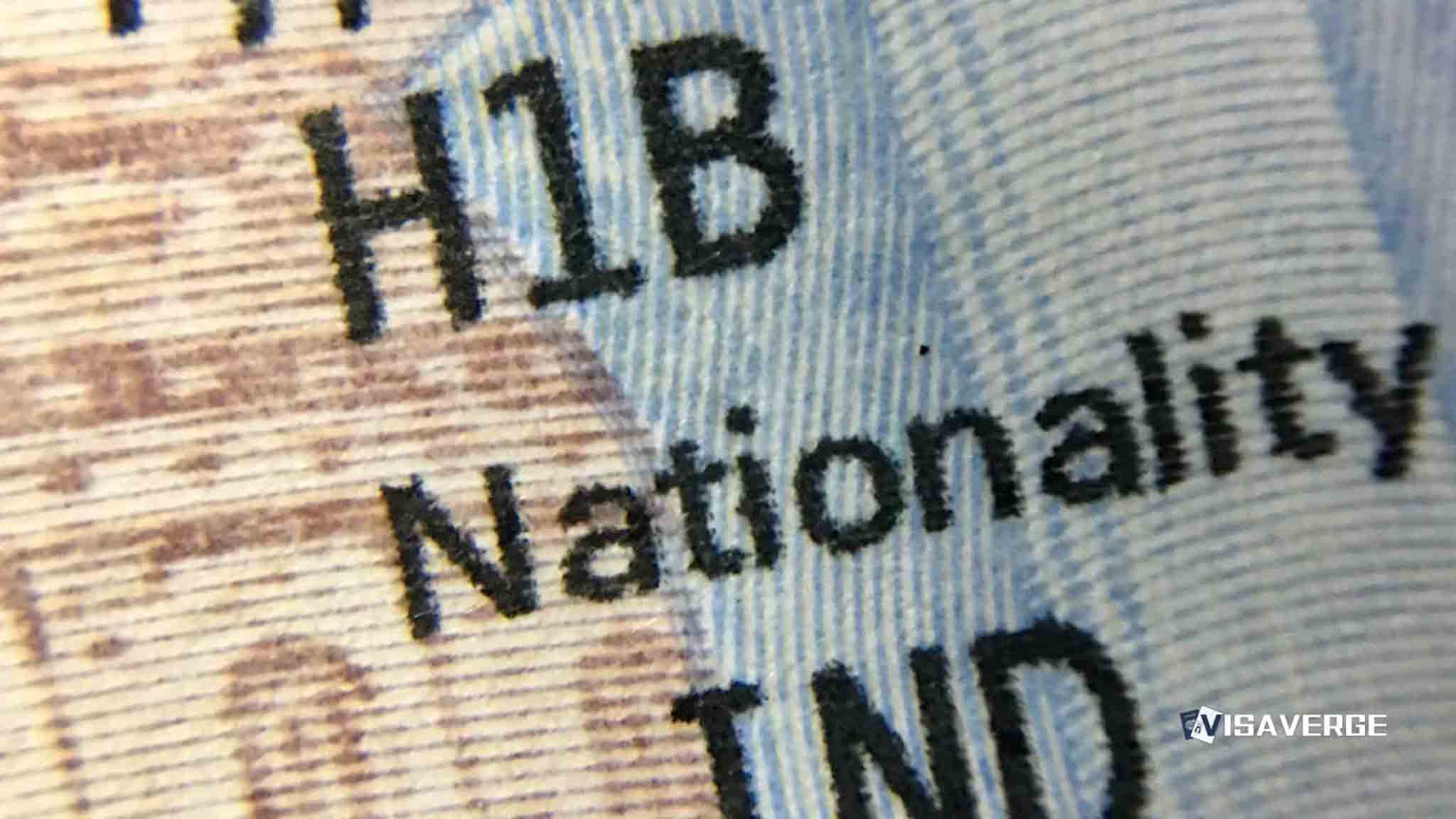
White House Defends $100,000 H-1B Fee to Protect U.S. Jobs
A one-time $100,000 fee for new H-1B petitions takes effect Sept 21, 2025, to discourage misuse and promote…
B1/B2 Visa in 40 Seconds: Delhi Psychologist’s Fast-Track Interview
A Delhi psychologist’s B1/B2 visa was approved in 40 seconds on September 11, 2025, with passport returned in…
White House Walks Back $100,000 H-1B Fee for New Petitions Only
The White House says the $100,000 H-1B fee applies only to new petitions filed after September 21, 2025;…

CA, NY, MA Most Vulnerable to International Enrollment Decline
Brookings finds California, New York, and Massachusetts most exposed to declines in international student enrollment. International students added…
Base-Heavy Salaries and Lean Perks: Indian H-1B Pay in the U.S.
Compensation for many Indian H-1B IT workers centers on base salary (70%–90%), typically $65,000–$90,000, with allowances (5%–20%) and…
Dignity Act and HIRE Act: Higher FICA for OPT Wages
Congress is reviewing the Dignity Act, ending FICA exemptions for OPT students, and the HIRE Act, adding a…

DHS Proposes Fixed Admission Period for F-1, J-1, I Visas
DHS proposed ending D/S for F-1, J-1, and I visa holders, replacing it with fixed admission through the…
Presidential Proclamation Sets $100,000 H-1B Fee for New Petitions
A Presidential Proclamation took effect Sept. 21, 2025, imposing a $100,000 fee on every new H‑1B petition filed…

H-1B $100K Fee Shocks Indians, Urges Strategic Future Planning
A one-time $100,000 fee will apply to new H‑1B petitions filed on or after September 20, 2025, excluding…
Is the $100k H-1B Fee a Tariff Tactic Against India?
A new $100,000 H-1B entry fee for 2025 has intensified India‑US trade talks ahead of Piyush Goyal’s Sept…