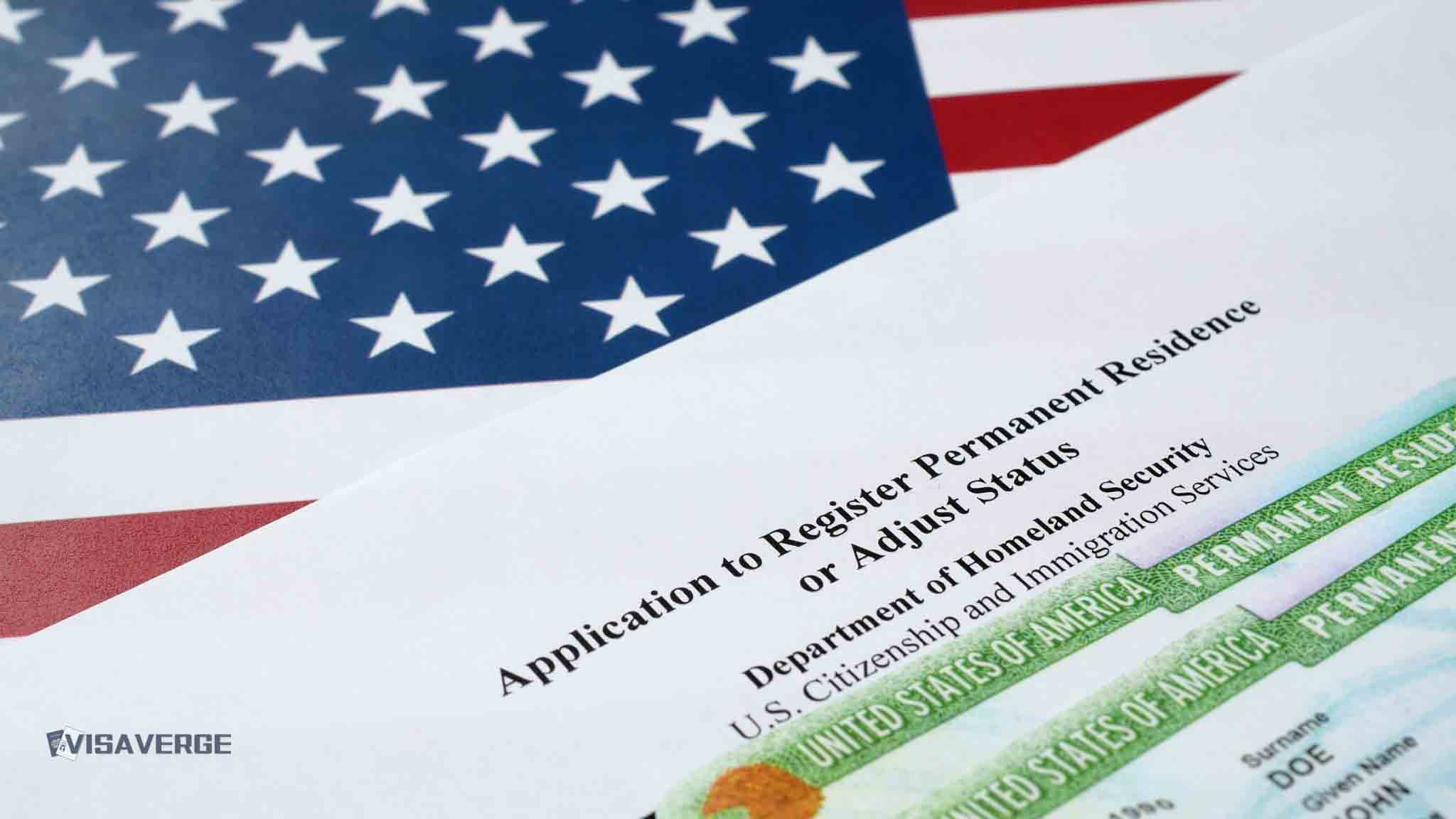
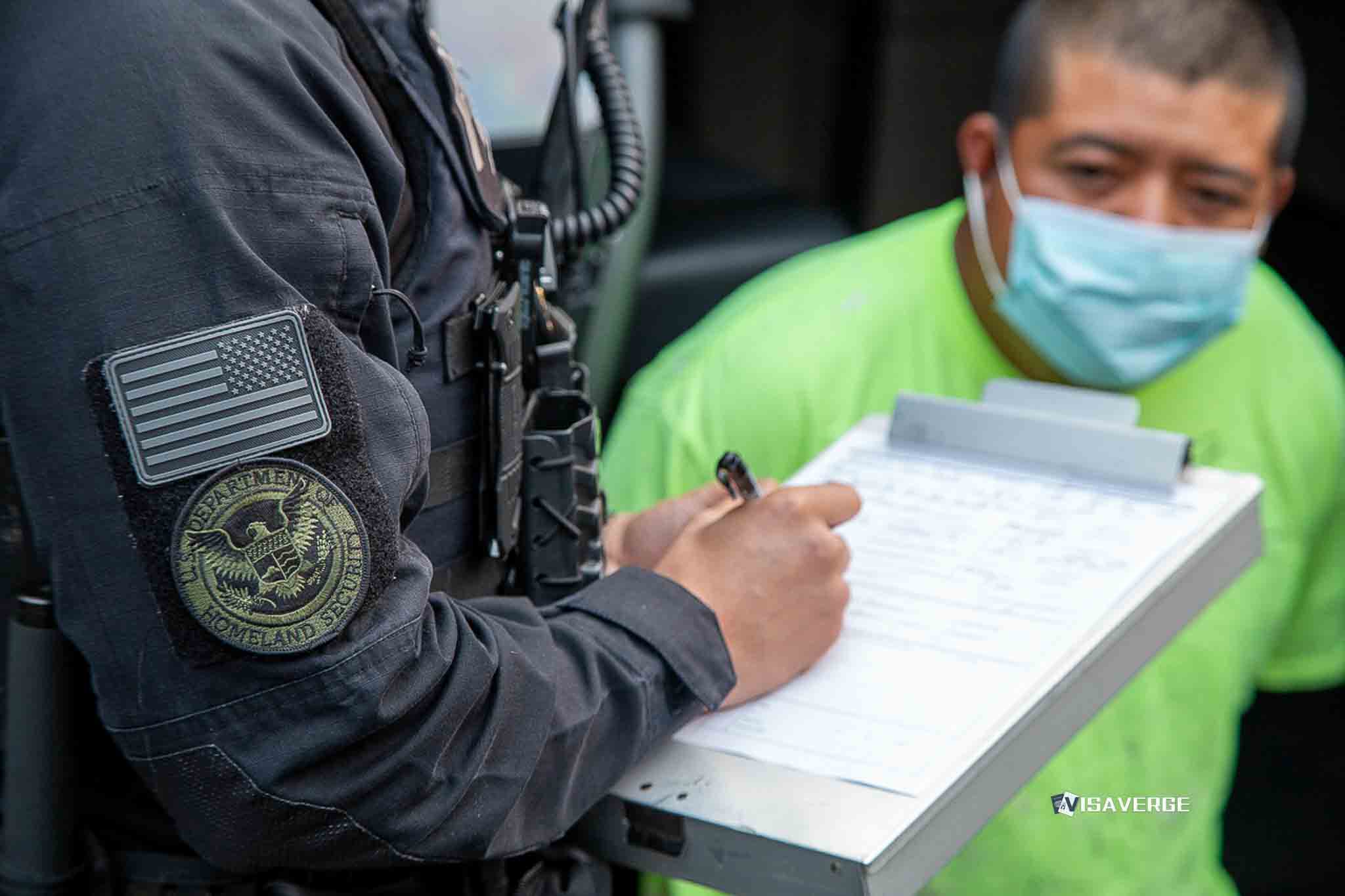
(UNITED STATES) Congress moved late Monday to end a standoff that had stretched past five weeks, announcing a bipartisan agreement built around minibus funding bills paired with a continuing resolution that would keep the rest of the federal government operating at current levels. The deal aims to avert a prolonged government shutdown that has slowed immigration casework, strained airport staffing, and spooked international students and employers reliant on steady federal services.
Lawmakers said full-year appropriations for several departments would be paired with a stopgap measure through late January, a structure designed to lock in stability now while forcing another budget round after the holidays. For millions tied to visas and cross-border travel, the promise of restored normal operations cannot come soon enough.
What the agreement does and immediate effects
Under the agreement, negotiators said full-year funding would move first for a set of agencies, while a continuing resolution would keep others open until about January 30. This CR is central to easing immediate pressure at United States Citizenship and Immigration Services (USCIS), Customs and Border Protection (CBP), and airport security, even if the final text does not directly change visa law.
During the shutdown, applicants experienced appointment cancellations, slower adjudications, and rising uncertainty about deadlines. With cash flowing again, agency leaders are expected to:
- Restart hiring and overtime
- Reverse layoff notices issued during the impasse
- Chip away at case backlogs and bring more predictable timelines for interviews and decisions
These steps are meant to restore routine operations and reduce the unpredictability that affected many applicants.
Effects on specific groups
International students and recent graduates
- Students on F-1 visas waiting on practical training approvals gain operational stability.
- Universities and international student advisers can better coordinate enrollment, status changes, and work authorizations.
- The next few weeks are critical for spring semester travel and graduates transitioning to jobs.
Employment-based applicants and employers
- H-1B transferees and other employment-based applicants benefit from predictable processing.
- Employers can resume routine labor certifications and high-skilled hiring processes.
- Human resources teams should see fewer last-minute onboarding disruptions.
Travelers and airport operations
- The deal is expected to restore steady paychecks and full staffing rosters for frontline officers.
- This reduces the risk of sporadic slowdowns at checkpoints and ports of entry during holiday travel.
- Airport authorities welcomed the plan as a way to steady schedules before travel surges.
Impact on Indian nationals and diaspora communities
For Indian nationals in the U.S. on work visas — and the broader diaspora — the agreement offers a clearer runway into the new year. Predictability is the top concern for H-1B professionals and students planning status changes, job moves, or international travel over the winter break. The continuing resolution sets a date certain and avoids day-to-day brinkmanship that can upend itineraries.
Families with pending green card applications and employers with compliance calendars say the ability to plan around fixed government hours is essential for meeting contract deadlines and keeping projects on track.
Political and procedural context
- Senate leaders used the minibus approach to break a logjam over larger spending fights.
- House approval is still required before the measure can reach the President’s desk.
- Policy riders that shadowed earlier attempts at a deal have not fully vanished, though leaders in both parties suggested votes are likely to keep funding at current levels into late January.
This structure is designed as a soft landing to buy time for longer negotiations while avoiding the immediate pain of another lapse — an outcome business groups and university coalitions urged as processing times stretched.
Remaining challenges and backlog recovery
Advocates caution that reopening doors does not erase delays already in the system. Key issues include:
- Stalled cases that must be re-slotted
- Background checks that may need refreshing
- Local field offices rebuilding appointment pipelines
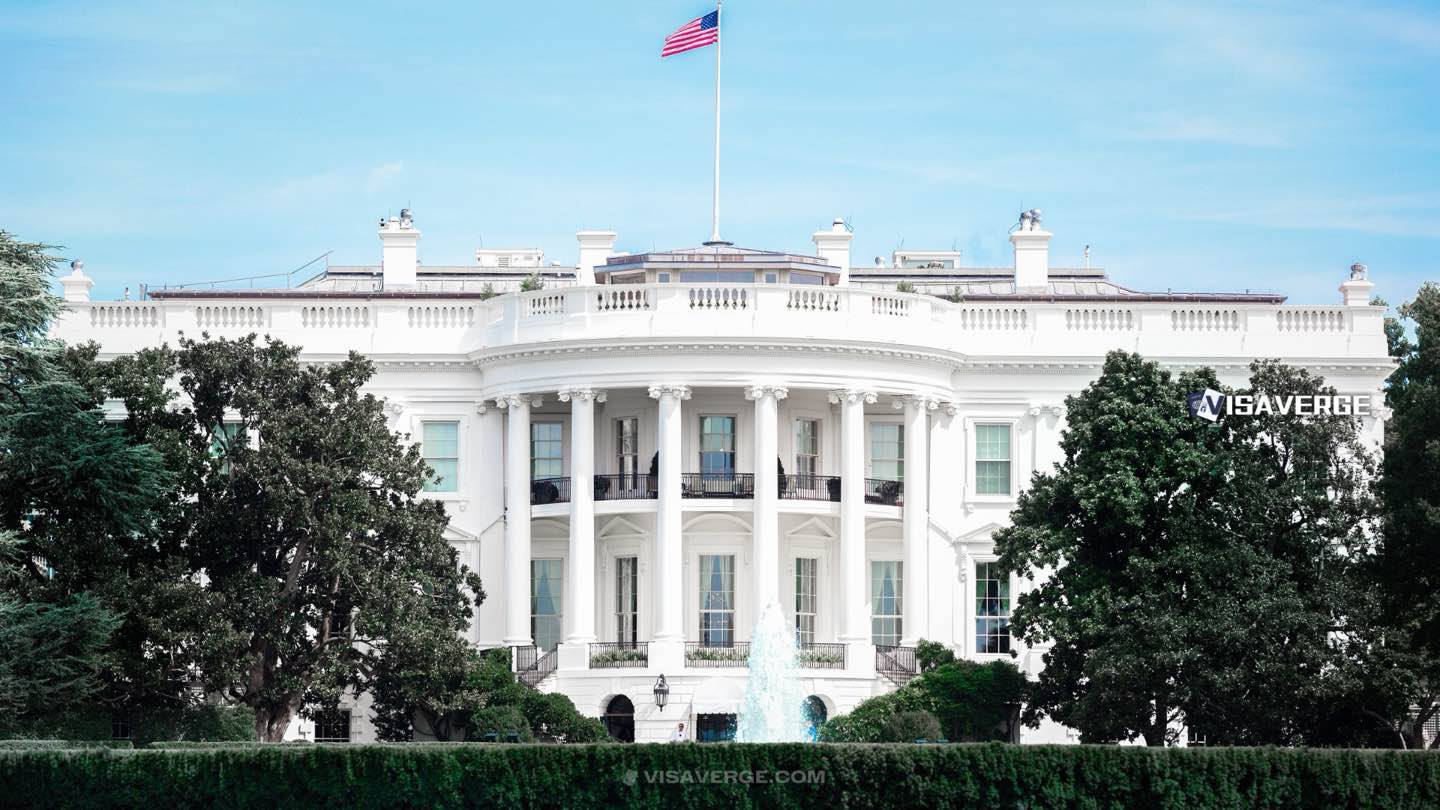
The White House has not released a detailed triage plan. However, agency managers have tools they can use immediately:
- Increase overtime
- Shift caseloads across teams
- Prioritize time-sensitive requests
Officials have signaled some grace periods and rescheduling options will be available, though details will vary by case and office.
Overseas consular operations
Consular recovery may be uneven because many posts operate on fee revenue but still depend on U.S.-based systems and staff. During the shutdown, some posts curtailed routine appointments and stretched wait times.
The new funding framework should allow embassies and consulates to:
- Add interview slots
- Reduce cancellations
- Refresh appointment calendars
Students and workers in India — where demand for U.S. visas is among the highest — will watch for more interview dates through the winter as schools reopen and companies finalize 2026 hiring.
Industry reaction and the fragility of the fix
Industry groups representing tech firms and hospitals described the deal as necessary but fragile. Their concerns:
- The continuing resolution’s hard deadline means the threat of another shutdown returns in late January.
- Another round of brinkmanship could deter foreign candidates from accepting U.S. job offers.
- Advocates urged Congress to use this window to pass full-year appropriations for the remaining departments.
State and local economic development offices noted that steady federal processing helps maintain momentum for projects tied to international talent.
Public-facing systems and information services
During the standoff, some agencies paused data updates or limited public information services that universities and employers rely on to confirm status and deadlines. Budget certainty should allow those systems and contact centers to be refreshed and fully staffed.
Expected benefits:
– Fewer repeat calls and resubmissions caused by outdated records
– Improved public-facing status tools and operational notices
Advocacy groups expect processing times to stabilize in the first quarter, though they will monitor whether the backlog actually shrinks or only stops growing.
Practical advice for applicants and employers
Immigration attorneys generally advise:
- Proceed but build in extra time.
- Keep employers updated on any document or adjudication delays.
- Confirm valid travel documents and entry permits before international trips.
- Watch for agency notices and rescheduling options, especially for time-sensitive filings.
Travel plans that bump up against the late January deadline may still feel tight if Congress returns to dispute. Those with future start dates should communicate regularly with employers and monitor case status closely.
Next steps and how to follow updates
The legislative logistics were still unfolding, with Senate leaders coordinating floor time and House committees preparing their pieces. If the plan holds:
- Agency chiefs will brief staff on expanded hours and resume hiring pipelines paused during the shutdown.
- The real test will be whether response times improve before the next political deadline.
Federal officials pointed people seeking case status updates to USCIS, which will post operational notices and reopening guidance as it becomes available: USCIS.
Even without sweeping policy changes, budget stability usually makes a visible difference in immigration’s daily grind: lines shorten, officers resume regular shifts, and emails get answered. For students, families, and firms, those small signals matter more than Washington rhetoric.
If Congress uses the time bought by this deal to lock in full-year spending for the remaining agencies, the immigration system — and the people it serves — will be better positioned when January approaches.
This Article in a Nutshell
A bipartisan deal pairs full-year minibus appropriations for select departments with a continuing resolution to fund the rest of government through January 30, 2026. The agreement prevents an extended shutdown that disrupted immigration services, airport staffing and consular operations. Agencies including USCIS and CBP can restart hiring, reverse layoff notices and use overtime to address backlogs. International students, H-1B professionals, employers and consulates gain short-term predictability, but complete recovery of delayed cases will take weeks and another budget showdown is likely in January.