Spanish
Official VisaVerge Logo Official VisaVerge Logo
  • Home
  • Airlines
  • H1B
  • Immigration
    • Knowledge
    • Questions
    • Documentation
  • News
  • Visa
    • Canada
    • F1Visa
    • Passport
    • Green Card
    • H1B
    • OPT
    • PERM
    • Travel
    • Travel Requirements
    • Visa Requirements
  • USCIS
  • Questions
    • Australia Immigration
    • Green Card
    • H1B
    • Immigration
    • Passport
    • PERM
    • UK Immigration
    • USCIS
    • Legal
    • India
    • NRI
  • Guides
    • Taxes
    • Legal
  • Tools
    • H-1B Maxout Calculator Online
    • REAL ID Requirements Checker tool
    • ROTH IRA Calculator Online
    • TSA Acceptable ID Checker Online Tool
    • H-1B Registration Checklist
    • Schengen Short-Stay Visa Calculator
    • H-1B Cost Calculator Online
    • USA Merit Based Points Calculator – Proposed
    • Canada Express Entry Points Calculator
    • New Zealand’s Skilled Migrant Points Calculator
    • Resources Hub
    • Visa Photo Requirements Checker Online
    • I-94 Expiration Calculator Online
    • CSPA Age-Out Calculator Online
    • OPT Timeline Calculator Online
    • B1/B2 Tourist Visa Stay Calculator online
  • Schengen
VisaVergeVisaVerge
Search
Follow US
  • Home
  • Airlines
  • H1B
  • Immigration
  • News
  • Visa
  • USCIS
  • Questions
  • Guides
  • Tools
  • Schengen
© 2025 VisaVerge Network. All Rights Reserved.
USA

Leaving the United States: What Happens to Your I-140 Petition

I-140 petitions usually survive travel, but filing I-485 makes travel risky. Leave without approved Advance Parole and USCIS may deem I-485 abandoned. H-1B/L-1 holders with valid multi-entry visas who return to the same employer often have an exception. If abroad when I-140 is approved, pursue consular processing. Verify visa status and secure Advance Parole before travel.

Last updated: December 2, 2025 4:37 pm
SHARE
📄Key takeawaysVisaVerge.com
  • USCIS keeps I-140 itself remains valid even if you travel while it’s pending or after approval.
  • Filing I-485 without Advance Parole approved and leaving the U.S. triggers abandonment of the I-485.
  • H-1B and L-1 holders can often re-enter using a valid multi-entry visa without Advance Parole.

(UNITED STATES) Many workers worry that leaving the country will ruin their green card process, especially if an I-140 is pending or approved. The truth is more reassuring: your trip outside the United States 🇺🇸 almost never kills the I-140 itself. The real risk usually lies with your I-485 Adjustment of Status case and whether you have Advance Parole.

Below is a step-by-step walk-through of the whole journey so you know what to expect at each stage, how long things may take, and what you must do before you travel.
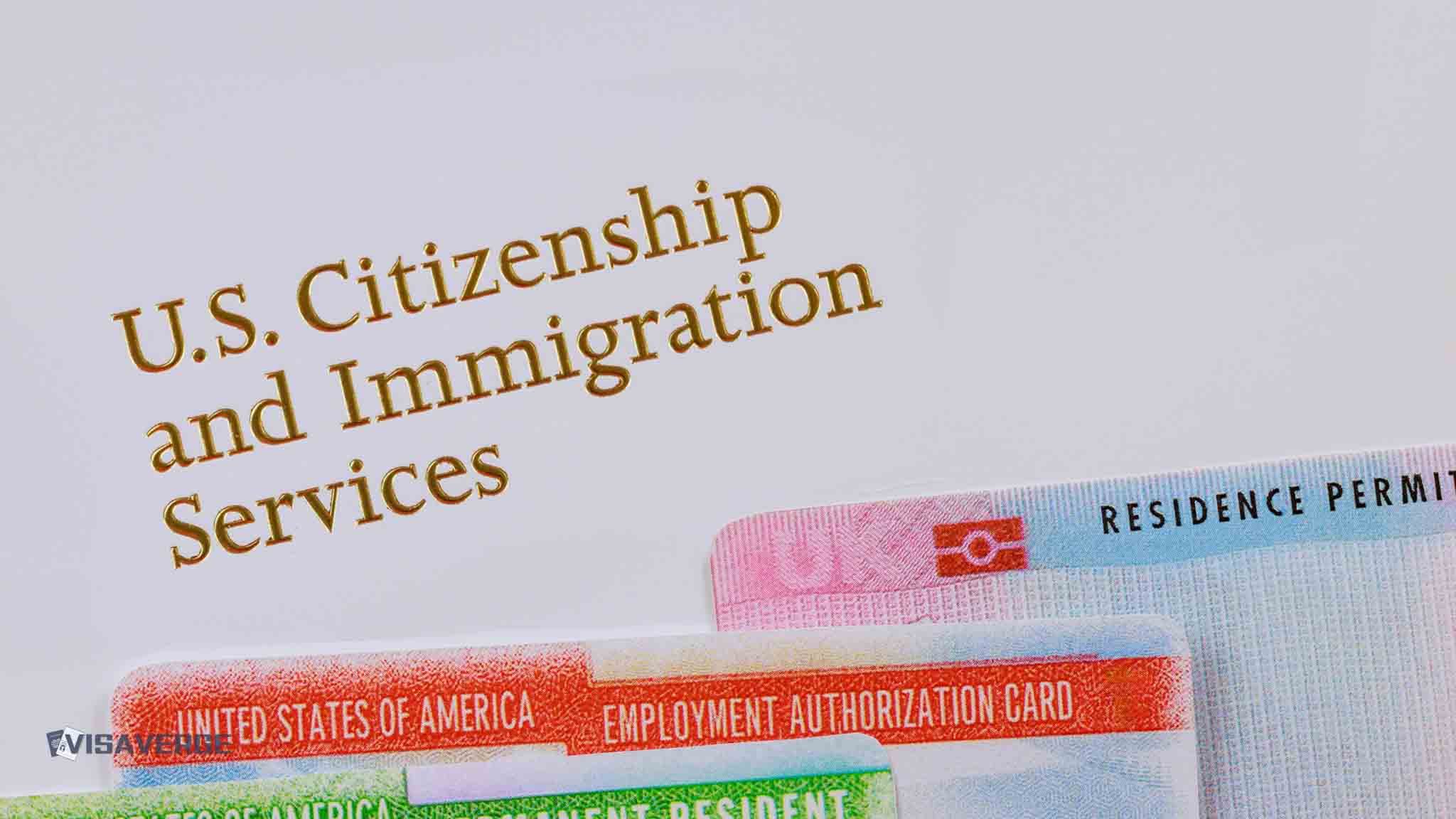
Leaving the United States: What Happens to Your I-140 Petition

Step 1: Employer files the I-140 Immigrant Petition

Your green card process through employment usually starts when your U.S. employer files Form I-140, Immigrant Petition for Alien Worker with U.S. Citizenship and Immigration Services (USCIS). You can read about this form on the USCIS I-140 page.

Key points at this stage:

  • The I-140 is an employer-sponsored petition.
  • It belongs to the employer, not to you personally.
  • USCIS can approve or deny it whether you are inside or outside the United States.

Important: If you leave the United States while the I-140 is pending or after it is approved, the I-140 itself remains valid and is not automatically canceled or abandoned just because you traveled.

Step 2: Traveling while the I-140 is still pending

You may need to travel for work, family, or an emergency while the I-140 is still processing.

Main points:

  • Travel does not affect I-140 processing. USCIS continues to review the petition as usual.
  • The real issue is re-entry. To return you must have a valid visa stamp in your passport (for example, H-1B, L-1, or O-1) and it must allow multiple entries.

Risks:

  • If your visa expires while you are abroad or you don’t have a multiple-entry visa, re-entry can become difficult.
  • The I-140 alone does not give you a right to re-enter the United States.

Step 3: Filing the I-485 Adjustment of Status application

Once an I-140 is filed and your priority date is current, many people file Form I-485, Application to Register Permanent Residence or Adjust Status. You can review this form on the USCIS I-485 page.

At this point you are asking to move from a nonimmigrant status (like H-1B or F-1) to permanent resident status while staying inside the United States.

This is where travel becomes very sensitive. The rules for an I-140 alone versus an I-140 plus I-485 are very different.

Step 4: Advance Parole becomes critical after I-485 filing

Once you file an I-485, leaving the United States without proper travel authorization is treated as if you gave up the I-485.

From the source:

  • If you leave the U.S. after filing I-485 without Advance Parole, USCIS treats it as abandonment of the I-485.
  • That can jeopardize your entire green card process, even though the I-140 may still stay valid.

Advance Parole details:

  • Advance Parole is usually requested via Form I-131, Application for Travel Document on the USCIS Advance Parole page.
  • When approved, Advance Parole lets you leave and come back while your I-485 is pending without abandoning it.

Special exception for H-1B and L-1 workers

  • Many H-1B and L-1 workers may travel abroad and return without using Advance Parole, provided:
    • Their visa stamp is valid,
    • They plan to return to the same employer, and
    • They keep the same status.

If you meet these conditions, travel usually does not count as abandonment of the I-485. Still, verify details before you leave.

Step 5: If you are outside the U.S. when the I-140 is approved

If you travel while the I-140 is pending and it gets approved while you’re abroad:

  • I-140 approval alone does not let you board a plane and move back to live in the United States.
  • You must proceed with consular processing at a U.S. consulate or embassy, usually in your home country.

Consular processing typically involves:

  1. Case is sent to the consulate.
  2. You complete required forms and submit supporting documents.
  3. You attend an immigrant visa interview.
  4. A consular officer decides if you meet visa requirements.

Note: Even with an approved I-140, a visa is not guaranteed. Consular officers make independent determinations based on law and your personal history.

For general information about immigrant visas, see the U.S. Department of State’s immigrant visa page: https://travel.state.gov/content/travel/en/us-visas/immigrate.html

Step 6: Extra care for F-1 students and other nonimmigrant visa holders

The material warns that F-1 students and some other nonimmigrant visa holders need to plan much more carefully.

Two main concerns:

  • Many nonimmigrant visas (like F-1) are based on nonimmigrant intent — you must show you plan to return home after your studies.
  • A pending I-140 or I-485 suggests immigrant intent, which can make obtaining a new F-1 visa more difficult.

Recommendations:

  • If you’re on F-1 and plan to travel while your I-140 is pending, consider filing I-485 and Advance Parole first if you qualify.
  • Traveling without proper documents (for example, leaving after filing I-485 without Advance Parole) may cause serious problems at the border or consulate.

VisaVerge.com reports that international students often underestimate how a pending I-140 can affect visa interviews — careful planning is essential.

Step 7: Practical timeline and planning checklist

The exact timing varies, but the typical order of steps is:

  1. Employer files I-140.
  2. You decide whether to stay in the U.S. or travel while it is pending.
  3. When your category and priority date are current, you either:
    • File I-485 inside the U.S., or
    • Plan for consular processing abroad.
  4. If you file I-485, you also request Advance Parole before any trip outside the U.S.
  5. If you must travel, choose one:
    • Use a valid H-1B or L-1 visa (if you qualify under the exception), or
    • Use Advance Parole after it is approved.

Before any trip, ask yourself:

  • Do I have a valid visa to re-enter?
  • Have I filed I-485 yet?
  • Do I already have Advance Parole in hand?
  • Am I on a status like F-1 where nonimmigrant intent is important?

Your answers determine whether travel is low risk or very risky.

Quick checklist (table)

Question Action if “No”
Do I have a valid multi-entry visa (H-1B/L-1/O-1)? Avoid travel or renew visa before leaving.
Have I filed I-485? If not filing I-485, plan for consular processing if abroad when approved.
Do I have Advance Parole (I-131) approved? Do not travel after filing I-485 until Advance Parole is approved, unless H-1B/L-1 exception applies.
Am I on F-1 or similar status? Consult counsel; consider impacts on future visa applications.

Key takeaways

Simply leaving the United States does not cancel or invalidate your I-140. The petition continues, and you can move forward either by filing I-485 inside the U.S. or through consular processing abroad.

The real danger is unplanned travel after filing I-485 without Advance Parole — especially for those not in H-1B or L-1 status. USCIS may treat the I-485 as abandoned, which can set your green card plans back and force consular processing instead.

Careful planning of each step — I-140, I-485, and Advance Parole — along with an honest review of your travel needs will help keep your case on track while you move in and out of the country when necessary.

❓ Frequently Asked Questions
Q1

Does traveling abroad cancel my I-140 petition?
No. Traveling while an I-140 is pending or after approval does not cancel the I-140 itself. The employer-owned petition remains valid and USCIS continues processing it regardless of your location. The main travel risk involves the I-485 if you’ve filed that form.
Q2

What happens if I leave the U.S. after filing Form I-485?
If you depart the U.S. after filing I-485 without previously obtaining approved Advance Parole, USCIS will generally consider your I-485 abandoned. That can end adjustment of status processing and require you to pursue consular processing instead, delaying your green card.
Q3

Can I re-enter without Advance Parole if I have H-1B or L-1 status?
Often yes. H-1B and L-1 holders with a valid visa stamp that allows multiple entries, who return to the same employer and keep the same status, can usually re-enter without Advance Parole. Confirm your specific situation with counsel before travel.
Q4

What should F-1 students consider before traveling with a pending I-140?
F-1 students should be cautious: a pending I-140 can imply immigrant intent and make future F-1 visa stamping harder. Consider filing I-485 and obtaining Advance Parole if eligible, consult an immigration attorney, and avoid travel that could jeopardize future visa interviews.

📖Learn today
I-140
Employer-filed immigrant petition for an alien worker that establishes a basis for many employment-based green cards.
I-485
Application to Register Permanent Residence or Adjust Status, used to become a lawful permanent resident inside the U.S.
Advance Parole (I-131)
Travel authorization allowing an applicant with a pending I-485 to leave and return without abandoning the application.
Consular processing
Procedure for obtaining an immigrant visa at a U.S. consulate when the applicant is outside the United States.

📝This Article in a Nutshell

An I-140 petition generally remains valid even if you travel while it’s pending or after approval. The major travel risk arises after filing Form I-485: leaving without approved Advance Parole is treated as abandonment and can jeopardize the green card process. H-1B and L-1 visa holders with valid multi-entry stamps who return to the same employer may travel without Advance Parole. If you’re abroad when I-140 is approved, you must complete consular processing. Plan carefully, check visa validity, and obtain Advance Parole when needed.


Share This Article
Facebook Pinterest Whatsapp Whatsapp Reddit Email Copy Link Print
What do you think?
Happy0
Sad0
Angry0
Embarrass0
Surprise0
Robert Pyne
ByRobert Pyne
Editor In Cheif
Follow:
Robert Pyne, a Professional Writer at VisaVerge.com, brings a wealth of knowledge and a unique storytelling ability to the team. Specializing in long-form articles and in-depth analyses, Robert's writing offers comprehensive insights into various aspects of immigration and global travel. His work not only informs but also engages readers, providing them with a deeper understanding of the topics that matter most in the world of travel and immigration.
Subscribe
Login
Notify of
guest

guest

0 Comments
Inline Feedbacks
View all comments
Millions Face Changing Citizenship Rules Under 2025 Bills
Citizenship

Millions Face Changing Citizenship Rules Under 2025 Bills

2026 USA Federal Holidays List Complete Guide
Guides

2026 USA Federal Holidays List Complete Guide

DV-2027 Green Card Lottery: A Complete Step-by-Step Application Guide
Documentation

DV-2027 Green Card Lottery: A Complete Step-by-Step Application Guide

January 2026 Visa Bulletin Predictions, Analysis and Understanding
USCIS

January 2026 Visa Bulletin Predictions, Analysis and Understanding

U.S. Immigration Fee Changes Start Jan 1, 2026: What to Expect
Documentation

U.S. Immigration Fee Changes Start Jan 1, 2026: What to Expect

Trump Admin Reveals Fresh DV-2027 Lottery Dates and Fees
Green Card

Trump Admin Reveals Fresh DV-2027 Lottery Dates and Fees

Guide to Reaching Air Canada Customer Service with Ease
Airlines

Guide to Reaching Air Canada Customer Service with Ease

USCIS Opens Vetting Center to Tighten Screening and Target Threats
Immigration

USCIS Opens Vetting Center to Tighten Screening and Target Threats

You Might Also Like

USCIS Recruiting Immigration Officers to Strengthen System Integrity
Documentation

USCIS Recruiting Immigration Officers to Strengthen System Integrity

By Sai Sankar
“Bye, Bye India and Reservation”: Tax Consultant Warns of Brain Drain Crisis
India

“Bye, Bye India and Reservation”: Tax Consultant Warns of Brain Drain Crisis

By Sai Sankar
Self‑Employed Retirement Plan Contributions: SEP, SIMPLE, Qualified Plans Explained
Knowledge

Self‑Employed Retirement Plan Contributions: SEP, SIMPLE, Qualified Plans Explained

By Sai Sankar
USCIS status for Ulster and Dutchess ceremonies remains unconfirmed
Citizenship

USCIS status for Ulster and Dutchess ceremonies remains unconfirmed

By Robert Pyne
Show More
Official VisaVerge Logo Official VisaVerge Logo
Facebook Twitter Youtube Rss Instagram Android

About US


At VisaVerge, we understand that the journey of immigration and travel is more than just a process; it’s a deeply personal experience that shapes futures and fulfills dreams. Our mission is to demystify the intricacies of immigration laws, visa procedures, and travel information, making them accessible and understandable for everyone.

Trending
  • Canada
  • F1Visa
  • Guides
  • Legal
  • NRI
  • Questions
  • Situations
  • USCIS
Useful Links
  • History
  • USA 2026 Federal Holidays
  • UK Bank Holidays 2026
  • LinkInBio
  • My Saves
  • Resources Hub
  • Contact USCIS
web-app-manifest-512x512 web-app-manifest-512x512

2025 © VisaVerge. All Rights Reserved.

  • About US
  • Community Guidelines
  • Contact US
  • Cookie Policy
  • Disclaimer
  • Ethics Statement
  • Privacy Policy
  • Terms and Conditions
wpDiscuz
Welcome Back!

Sign in to your account

Username or Email Address
Password

Lost your password?