- United Airlines plans a scheduled technology migration to AWS cloud causing temporary operational freezes.
- A partial government shutdown affects services including USCIS support and DHS communication channels.
- New travel policies like TSA ConfirmID requirements and TPS terminations take effect in early February.
(CHICAGO, ILLINOIS) — A rare, synchronized disruption hits travelers as United Airlines pauses reservations and operations for a technology migration, while federal shutdowns and policy shifts affect immigration services and travel documentation.
Plan ahead: this week’s disruptions combine an airline systems freeze, partial government shutdown effects, and new travel-related policy changes that can affect check-in, security screening, visa processing, and work authorization timelines.
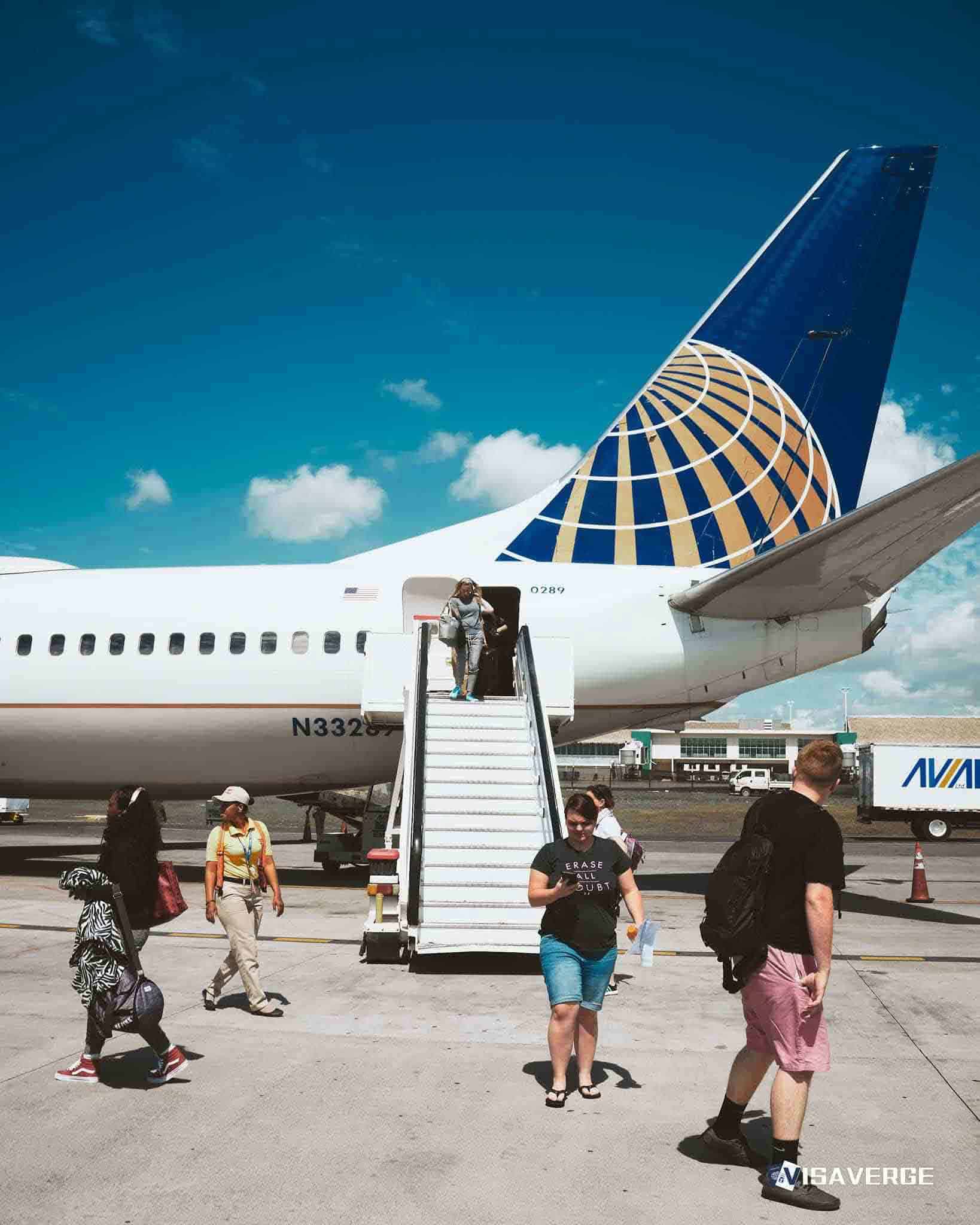
What you’ll need before you travel this week
- Your United Airlines confirmation number and current contact details in your reservation
- A working United app login (if you already have it set up) and your MileagePlus credentials
- A compliant ID for TSA screening, or time to complete any required TSA identity steps
- Extra time at the airport for lines, rebooking, and document checks
- A backup plan for time-sensitive immigration needs (receipts, notices, proof of status)
1) United Airlines outage overview: what it is and why it’s happening
United Airlines is planning a short, deliberate operational freeze tied to a technology migration. This is not a surprise crash; it is a scheduled pause so United can move its Shares reservation system from a legacy data facility in North Carolina to an Amazon Web Services (AWS) cloud setup in Chicago.
Cloud moves like this usually aim to reduce single-site risk and support higher traffic loads. For travelers, the practical effect is simple: core customer functions go dark for a few hours. That includes reservations, changes, check-in flows, and MileagePlus account access.
Expect airport ripple effects even if you are not flying during the outage window. When reservation and check-in tools pause, agents rely more on manual workarounds. Lines can grow quickly and rebooking can take longer because options change minute to minute once flights start canceling or delaying.
United has published the outage window in CT and ET, and it is tightly defined. Treat it as a hard stop for digital self-service.
Detailed operational impacts and the full list of affected functions (reservations, check-in, MileagePlus access, kiosk availability, and flight departure rules) are presented in the interactive operational-impact tool that accompanies this article. Use that interactive tool to inspect specific items, statuses, and notes for each function during the outage window.
2) Outage timeline and operational impact: what you can and can’t do
Plan around the outage window as if it were a temporary “closed” sign on United’s digital front door. During the freeze, “no new bookings or changes” means you should not count on fixing problems online. That includes seat changes, correcting passenger details, payment re-tries, or same-day adjustments.
Check-in is the pressure point. If online and app check-in are unavailable, you may be forced into airport lines. Kiosks can also fail if they depend on the same back-end connection. Some travelers will still get help from staff, but those staff may be working with limited tools.
Flight operations follow a clear logic during the pause: flights already airborne continue to their destinations; departures stop for United/United Express until systems return; and when the freeze ends, the recovery period (gate changes, crew rotations, positioning) can create secondary delays.
United has pre-canceled flights tied to the window and its immediate after-effects. Treat that as an indication the airline expects congestion to spill past the end time.
The interactive outage-timeline tool linked with this article provides minute-by-minute windows, pre-canceled flights, and expected recovery sequencing. Consult that interactive timeline to see when your flight may be affected and which airports are reporting the heaviest impacts.
Step-by-step: what to do if you fly on February 4
- Check in on February 3. Use the United mobile app or website if your flight is eligible. Do it earlier, not at the last minute.
- Save your mobile boarding pass. Screenshot key trip details in case app access becomes limited.
- Watch flight status often. Expect rapid changes around the freeze and the restart.
- Know where rebooking appears first. United typically pushes updates via the app, email, and text alerts, plus the Travel Alerts page.
- Arrive earlier than usual. This is especially important if you must check a bag or expect document checks.
✅ What affected travelers should do now: complete early check-in if traveling Feb 4; monitor United status pages; prepare for possible rebooking delays and documentation checks; review TSA ConfirmID requirements and upcoming premium processing changes.
3) Government context during the outage: why help may be slower than usual
January 31, 2026 marked the start of a partial government shutdown. “Partial” can still mean real friction for travelers: slower phone responses, fewer staff to answer case questions, and longer waits for online tools to refresh.
USCIS and DHS operations can feel uneven during funding gaps. Basic processing continues in many areas, but support channels often lag. Online systems may post maintenance warnings, and case tools can update more slowly than you expect.
DHS spokesperson Tricia McLaughlin addressed agency posture during the funding battle on January 28, 2026, saying: “The federal officers involved [in recent operations] are on administrative leave. This is standard protocol.” Staffing moves like that can add to delays when you need quick answers.
Be aware of government staffing constraints during the partial shutdown and how they may affect help lines, case status updates, and immigration inquiries.
Travel problems and government slowdowns can collide in practical ways: a last-minute name correction may require proof you cannot quickly retrieve; a pending filing may need a receipt notice you usually pull from an online account; or a traveler asked for additional verification may not be able to reach an understaffed help line.
4) Key immigration and travel policy updates (effective Feb 2026)
Early February 2026 brings rule changes that can affect who gets through security, who can receive immigrant visas, and what paperwork people need to keep working and traveling.
Detailed policy tables and an interactive policy-change tool accompany this article so you can filter by effective date, impacted populations, and recommended actions. Use that tool to see personalized guidance for your situation.
TSA ConfirmID: checkpoint access for some domestic travelers
Starting February 1, 2026, some domestic travelers who lack compliant identification may need to complete TSA ConfirmID and pay a fee before flying. In real terms, that is one more pre-trip task. If you wait until travel day, you risk being turned away at security.
Immigrant visa pause: stalled processing for affected nationals
The State Department announced an immigrant visa pause on January 21, 2026, affecting nationals of 75 countries. Even if you are not flying internationally this week, this can hit families trying to coordinate entry dates, medical exams, and job start timing.
Haiti TPS termination: time-sensitive status and work authorization planning
TPS termination for Haiti is effective February 3, 2026 at 11:59 p.m., affecting about 350,000 people. DHS Secretary Kristi Noem said of TPS: “It [TPS] was never intended to be a de facto amnesty program, yet that’s how previous administrations have used it for decades.”
The immediate travel takeaway is timing. If your work authorization or status plan depends on TPS, you need updated proof and a clear next step.
Premium Processing fee increase: budgeting for speed
USCIS Premium Processing fees increase effective March 1, 2026. Premium Processing is the paid fast-track service for certain petitions. If you were planning to file with premium service soon, cost and timing can matter.
For a consolidated view of these policy changes, the interactive policy matrix provided with this article lets you sort by effective date, impacted travelers, and recommended actions. Refer to that tool before making nonrefundable travel or employment commitments.
5) Impacts and risk considerations for travelers and visa holders
Combined disruptions create a simple problem: small issues become trip-ending problems faster than usual. Prepare for higher friction across check-in, security, and immigration support.
- Boarding and check-in risk. If you cannot check in during the freeze, airport lines and manual checks can grow. Missed cutoffs happen.
- ID and verification risk. TSA ConfirmID adds a preflight step for some travelers. A missing step can stop you at security.
- Immigration support risk. With shutdown constraints, you may not get quick answers from USCIS or DHS channels when plans change.
International travelers and visa holders should also prepare for extra document friction. Rebooking after a cancellation can change your arrival city, arrival time, or connection path, which can trigger extra questions at departure or on return—especially if your documentation is already time-sensitive.
United’s move to AWS is meant to improve reliability and scale over time. That helps the airline avoid repeat outages that cascade across hubs and regions. Still, a migration requires a pause. Plan for it, and reduce the number of things that must go right on travel day.
6) Official sources and how to stay updated
Use official pages first. Fast changes reward travelers who check the right place.
- United travel notices page: United travel notices page
- USCIS Alerts: USCIS Alerts
- TSA security screening rules: TSA security screening rules
- DHS press releases: DHS press releases
Triage updates in this order: 1. Official alerts pages, 2. Carrier app notifications and texts, 3. Airport signage and gate announcements.
Write down what you may need before you call anyone: your full name as booked, confirmation number, flight numbers, and any USCIS receipt numbers. Keep copies on your phone. Paper backup helps too.
If you fly February 4, complete check-in on February 3, then confirm your TSA requirements the same day. That two-step deadline is the difference between a routine trip and a preventable miss.