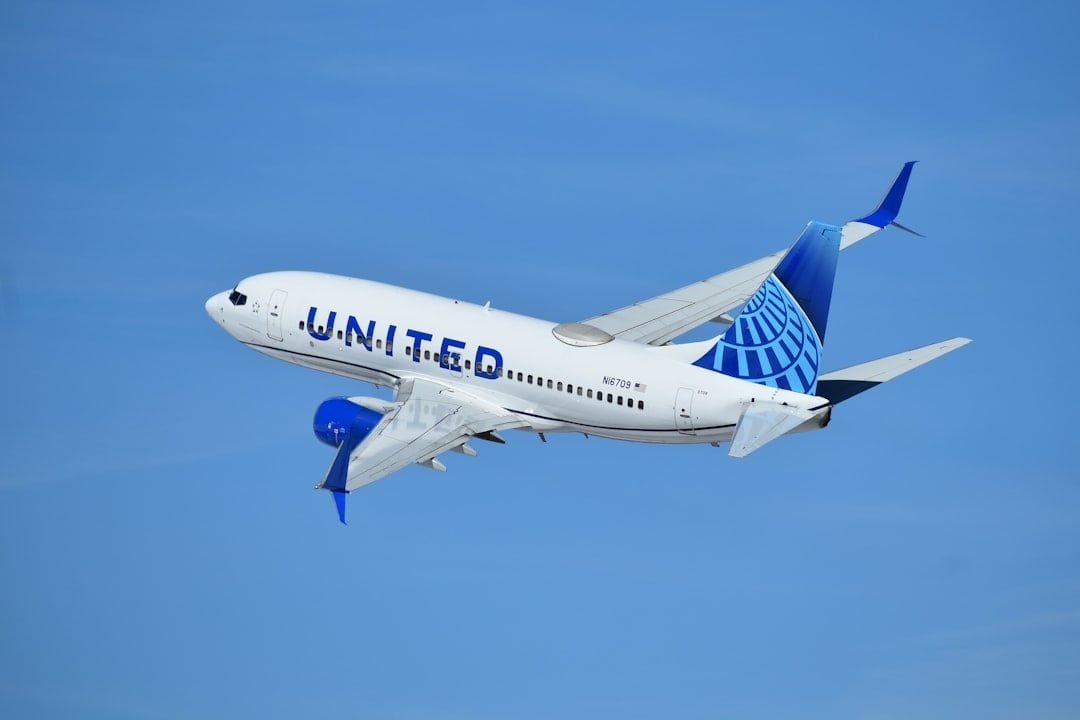
- United Airlines flight to Palma de Mallorca returned to Newark due to a suspicious Bluetooth device name.
- A device named ‘BOMB’ sparked a mid-Atlantic security response and police meeting the aircraft.
- Airlines follow a conservative security playbook prioritizing safety over schedule for all passengers.
- The incident highlights the importance of renaming personal electronic devices to avoid misunderstood jokes.
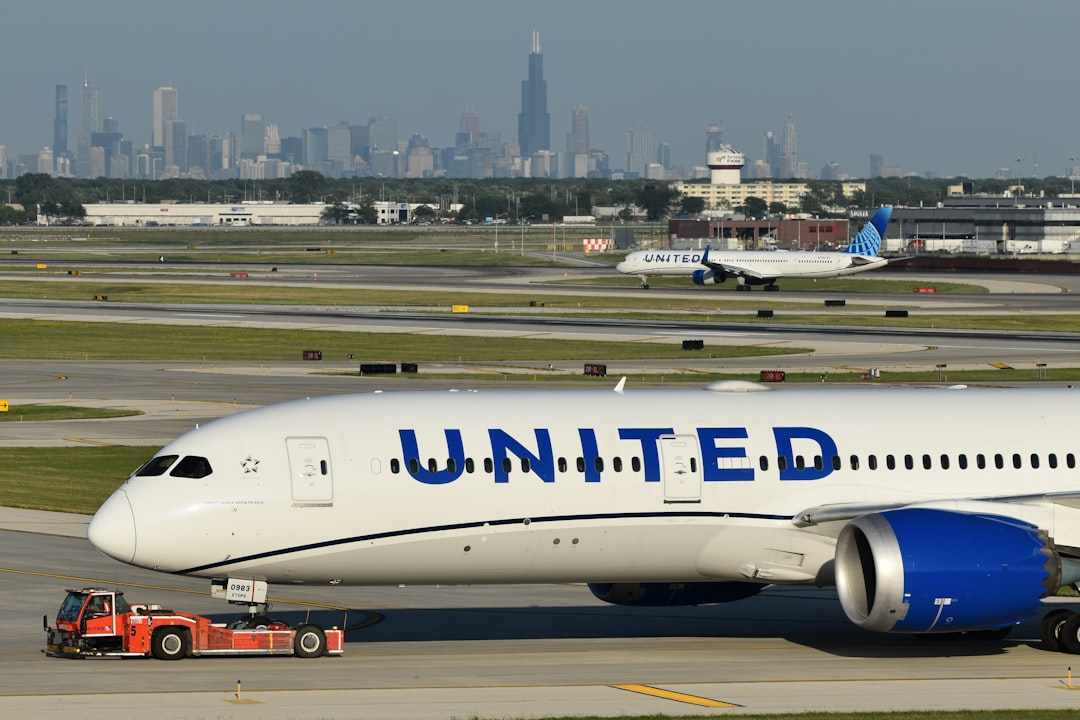
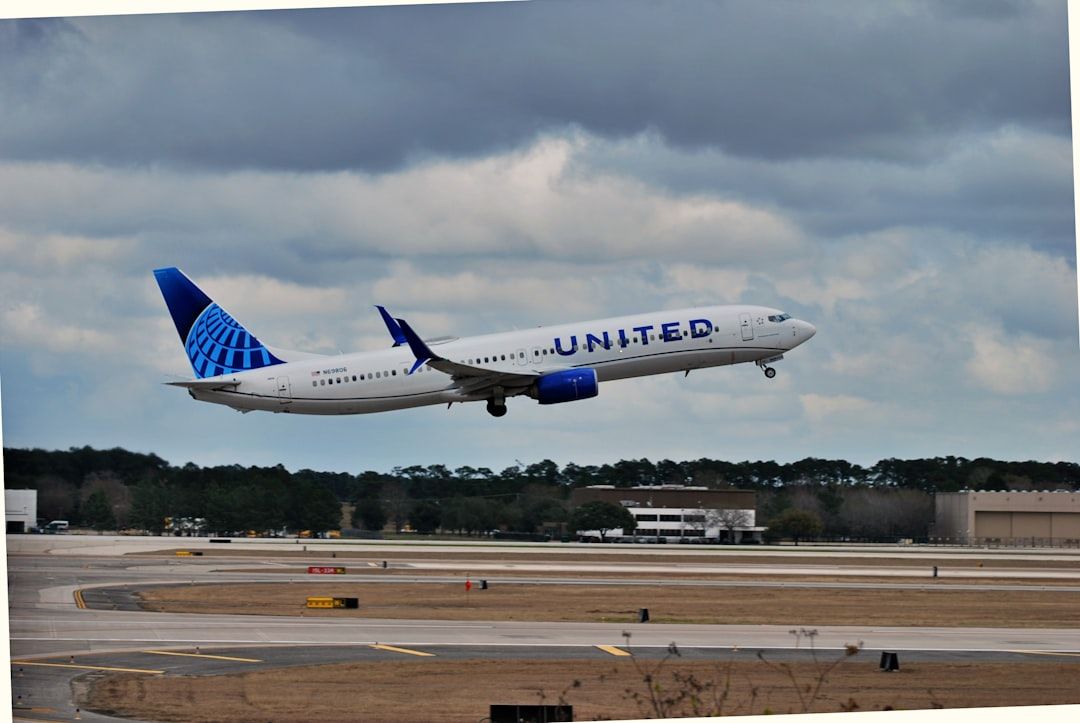
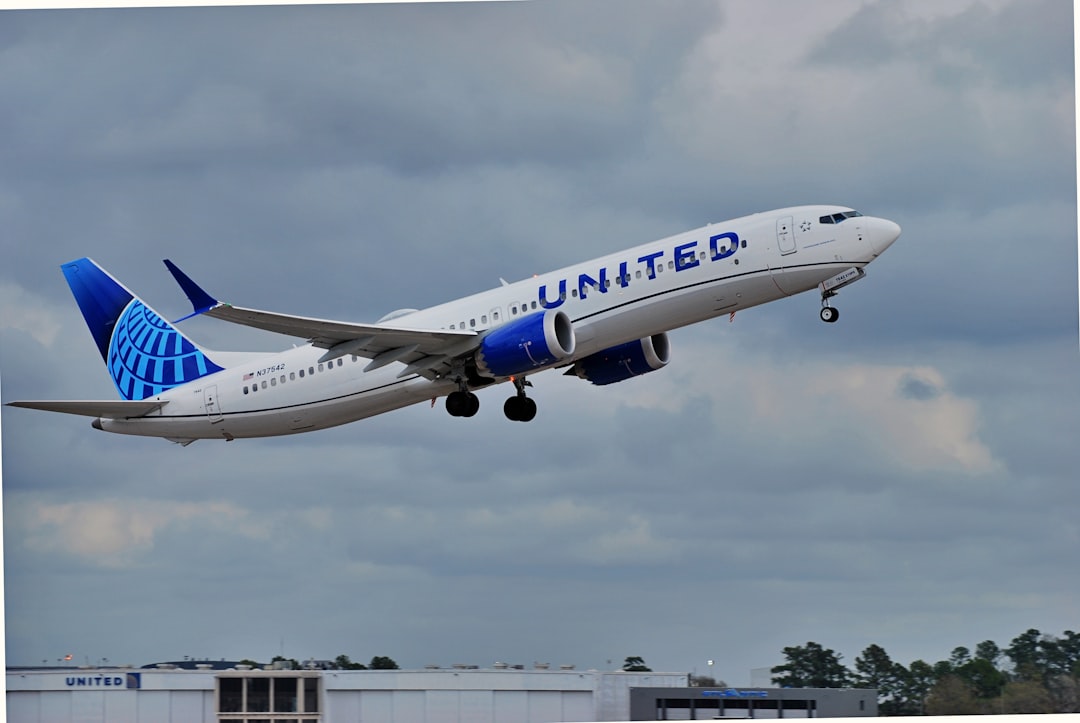
(NEWARK, NEW JERSEY) — If a Bluetooth name looks like a threat, crews will usually act first and sort out the details later. On a United Airlines transatlantic flight from Newark to Palma de Mallorca, that meant a mid-flight turnback to Newark Liberty International Airport after a device appeared on board with the name “BOMB.” Travelers on long-haul award tickets and cash fares alike should expect the same conservative playbook on any airline: security trumps schedule.
The flight had already crossed part of the Atlantic when the crew ordered passengers to switch off Bluetooth devices. Some devices still showed as active, and the aircraft returned to Newark. The plane landed safely, and law enforcement met it on arrival. United’s operations center in Chicago directed the response, according to the reports that described the event.
Free toolB1/B2 Tourist Visa Stay Calculator online
| Detail | United flight involved |
|---|---|
| Airline | United Airlines |
| Route | Newark Liberty International Airport (EWR) → Palma de Mallorca (PMI) |
| Point of diversion | Mid-Atlantic |
| Trigger | Bluetooth device named “BOMB” |
| Action taken | Crew ordered Bluetooth devices off, then turned the plane back |
| Arrival after diversion | Newark Liberty International Airport |
| Law enforcement | Met the aircraft on landing |
The reported name attached to the device is the part that turned a routine cabin check into a security event. One account says the Bluetooth speaker belonged to a 16-year-old boy. Another says the teenager later acknowledged ownership. No public report has confirmed the final enforcement outcome, and no official public account has explained every step behind the decision.
That gap between what passengers reported and what United, police, or federal authorities have confirmed matters. Aviation crews do not wait for a perfect explanation before acting on a possible threat. A device called “BOMB” on a transatlantic flight is the kind of thing that triggers the most cautious response available.
| Comparison point | Precautionary diversion | Continuing the flight |
|---|---|---|
| Schedule impact | Immediate delay and rerouting | On-time arrival, if cleared |
| Passenger experience | Interrupted, uncertain, longer journey | Less disruption, but higher risk if threat is real |
| Crew response | Treats threat as credible until resolved | Assumes device naming issue is harmless |
| Airport response | Law enforcement meets aircraft on landing | Investigation waits until arrival, if any |
| Airline downside | Fuel, handling, and network disruption | Possible exposure if threat escalates |
United’s handling fits the same broad security logic used across the industry. Airlines train crews to treat suspicious items, names, and behavior as real until proven otherwise. A Bluetooth label is not a joke once it is visible to other passengers and cabin crew at cruising altitude. On a transatlantic sector, there is no easy middle ground between ignoring it and taking it seriously.
The route itself adds pressure. Newark to Palma de Mallorca is a long overwater flight, which narrows the set of practical options once the aircraft is already far from the departure airport. Returning to Newark gave the airline a controlled environment, a familiar response team, and access to law enforcement on landing. That is a different calculation from a short domestic hop where crews can often continue to destination after a cabin check.
There is also a passenger behavior issue here that reaches well beyond one flight. Most phones, earbuds, watches, and speakers ask for a Bluetooth name during setup. People often leave the default, or pick a joke name without thinking through how it appears in a crowded cabin. On a plane, a label that sounds like a threat can become a real operational problem even if no weapon, explosive, or malicious intent exists.
| Factor | Why it matters on board |
|---|---|
| Device name | Visible to nearby passengers and crew |
| Crew interpretation | Can trigger an immediate threat response |
| Passenger confusion | Delays do not usually wait for explanations |
| Flight phase | Mid-ocean diversions are more disruptive than short-haul returns |
| Airline policy | Conservative decisions protect the cabin and crew |
Reports cited passenger accounts and aviation blogs, not a full public enforcement record. That leaves the exact final outcome unclear in the public domain. What is clear is that the aircraft turned around, landed back at Newark, and met law enforcement on arrival. Those details alone show how quickly a cabin-side device naming issue can turn into an operational event.
The mileage side is less dramatic, but still worth knowing if the trip was booked with points. A turned-back United flight does not create extra redeemable miles. If the carrier rebooks the journey, the new itinerary usually determines how the trip is handled for accrual and timing. A long delay can also wreck connections, hotel plans, and award-trip sequencing, especially on complex itineraries booked across multiple airlines.
That risk is one reason many frequent flyers prefer nonstop transatlantic flights when the pricing works. On a route like Newark to Palma, a diversion means a much bigger disruption than a missed domestic connection. It can also push a carefully planned award trip off schedule by a full day, which matters when award seats are scarce and alternate dates are expensive.
United was not alone in being forced into caution here. Any major carrier would likely react the same way if a threat-like device name surfaced in the cabin and remained active after crew instructions. The competitive difference is less about whether the airline diverts and more about how quickly it coordinates with operations, law enforcement, and gate teams once the aircraft is back on the ground.
The incident also highlights a small but practical travel habit: rename Bluetooth devices before flying. That includes speakers, headphones, watches, and phones paired in the cabin. A joke name that reads as “BOMB,” “TNT,” or anything similar can invite scrutiny no traveler wants, especially on an international flight where a misunderstanding can end with a return to the departure airport.
Choose a diversion-first response if the aircraft is already over the ocean and the device name appears to signal a threat. Choose continued monitoring if crew can quickly verify the issue on the ground before departure, not after takeoff. On a United transatlantic route out of Newark Liberty International Airport, the safer call is often the more disruptive one.
The practical lesson for passengers is simple. Rename Bluetooth devices before boarding, keep them off when crew ask, and do not assume a joke label stays a joke once it is visible in the cabin. On long-haul flights, a few seconds of device setup can spare hours of delay, an unscheduled return to Newark, and a very long explanation on arrival.