Spanish
Official VisaVerge Logo Official VisaVerge Logo
  • Home
  • Airlines
  • H1B
  • Immigration
    • Knowledge
    • Questions
    • Documentation
  • News
  • Visa
    • Canada
    • F1Visa
    • Passport
    • Green Card
    • H1B
    • OPT
    • PERM
    • Travel
    • Travel Requirements
    • Visa Requirements
  • USCIS
  • Questions
    • Australia Immigration
    • Green Card
    • H1B
    • Immigration
    • Passport
    • PERM
    • UK Immigration
    • USCIS
    • Legal
    • India
    • NRI
  • Guides
    • Taxes
    • Legal
  • Tools
    • H-1B Maxout Calculator Online
    • REAL ID Requirements Checker tool
    • ROTH IRA Calculator Online
    • TSA Acceptable ID Checker Online Tool
    • H-1B Registration Checklist
    • Schengen Short-Stay Visa Calculator
    • H-1B Cost Calculator Online
    • USA Merit Based Points Calculator – Proposed
    • Canada Express Entry Points Calculator
    • New Zealand’s Skilled Migrant Points Calculator
    • Resources Hub
    • Visa Photo Requirements Checker Online
    • I-94 Expiration Calculator Online
    • CSPA Age-Out Calculator Online
    • OPT Timeline Calculator Online
    • B1/B2 Tourist Visa Stay Calculator online
  • Schengen
VisaVergeVisaVerge
Search
Follow US
  • Home
  • Airlines
  • H1B
  • Immigration
  • News
  • Visa
  • USCIS
  • Questions
  • Guides
  • Tools
  • Schengen
© 2025 VisaVerge Network. All Rights Reserved.
Immigration

U.S. Visa Bond Up to $15,000 for Malawi and Zambia, Aug 2025

Starting August 20, 2025, a 12-month U.S. pilot requires refundable visa bonds for some Malawi and Zambia B-1/B-2 applicants. Bonds ($5k–$15k, default $10k) must be paid via Pay.gov within 30 days after 221(g) refusal. Bonded visas are single-entry, valid three months, allow 30-day stays, and require travel through BOS, JFK, or IAD. Refunds follow compliance; violations risk forfeiture and penalties.

Last updated: September 30, 2025 7:50 pm
SHARE
VisaVerge.com
📋
Key takeaways
U.S. began a 12-month pilot on August 20, 2025, requiring refundable visa bonds for some Malawi and Zambia B-1/B-2 applicants.
Bond amounts are set case-by-case at $5,000, $10,000 (default), or $15,000 and paid via Pay.gov within 30 days after a 221(g) refusal.
Visas with bonds are single-entry, valid three months, limit stay to 30 days, and require arrival/departure at BOS, JFK, or IAD.

(MALAWI) The United States 🇺🇸 has begun a 12-month pilot that requires some Malawian and Zambian travelers to post a refundable visa bond before receiving a B-1/B-2 visa, a move officials say is aimed at reducing short-term visitor overstays. The policy took effect on August 20, 2025, and covers certain applicants seeking business or tourist travel to the U.S. from Malawi and Zambia. The bond—set at $5,000, $10,000, or up to $15,000—is chosen by consular officers case by case, with a default amount generally $10,000.

According to the Department of State, the pilot targets countries with historically higher overstay rates and limited screening tools, and is not a blanket rule for all applicants.
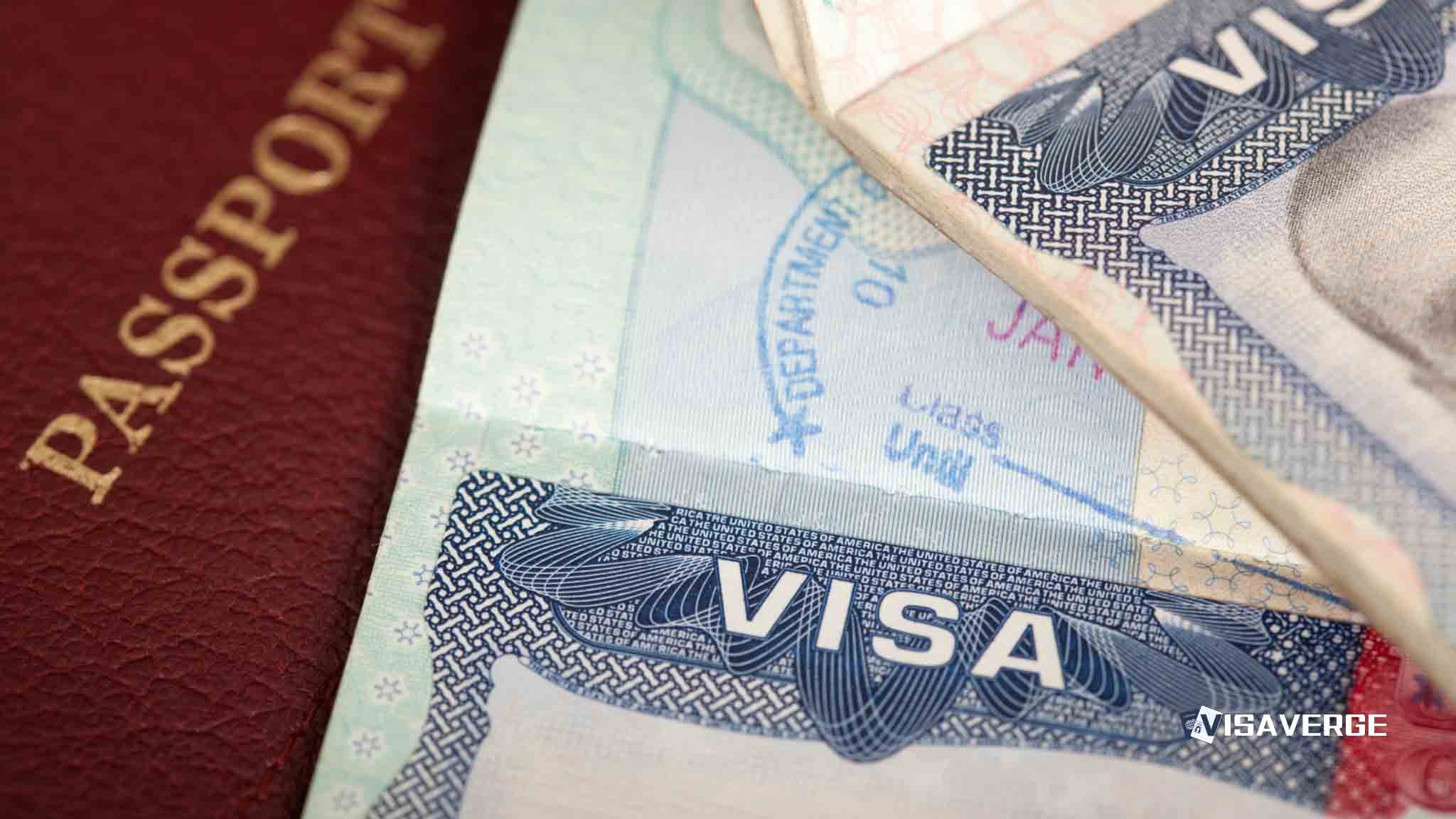
U.S. Visa Bond Up to ,000 for Malawi and Zambia, Aug 2025
U.S. Visa Bond Up to $15,000 for Malawi and Zambia, Aug 2025

How the Program Works

A consular officer first makes a bond determination during the visa interview. If a bond is required, the officer will refuse the visa under section INA 221(g) and provide written instructions to post the bond within 30 days.

Payment is made through Pay.gov, the U.S. Treasury’s official online portal, only after the applicant receives specific directions. Once the bond is paid, the visa can be issued. Late payment can force a fresh interview, adding time and cost.

💡 Tip
If you’re issued a bond, pay via Pay.gov as soon as you receive written posting instructions to avoid a new interview and extra costs.

Visas issued with a bond carry tighter limits than standard visitor visas:

  • Single-entry only.
  • Valid for three months after issuance.
  • Authorized stay on each visit will not exceed 30 days.
  • Entry and exit must occur through designated airports: Boston Logan (BOS), New York JFK (JFK), and Washington Dulles (IAD).

Officials say this targeted routing supports compliance checks during the pilot.

The bond is described as fully refundable if the traveler follows all rules, including departing on time or filing a timely request to extend or change status.

If someone files a timely request to extend or change their status, the bond should remain safe while U.S. immigration decides the request. However, violating the terms—such as overstaying or entering through a non-designated airport—may lead to losing the bond and possible immigration penalties.

⚠️ Important
Designated airports are BOS, JFK, and IAD. Plan travel to these hubs only; routing through other airports could jeopardize the bond.

Policy Details and Compliance Steps

  • Bond amounts: $5,000, $10,000, or $15,000, based on risk profile and ability to pay. Default often $10,000.
  • Posting process: Via Pay.gov only after a consular officer issues written instructions following a 221(g) refusal.
  • Visa validity: Single-entry, valid for three months; maximum stay 30 days.
  • Designated ports: BOS, JFK, IAD for both arrival and departure.
  • Refundability: Bond is refundable if traveler departs on time or files a timely extension/change of status.
  • Interview timeline: If the bond is not posted within 30 days, applicants may need a new interview.

Background and Policy Context

The State Department says the program revives a rule first advanced under President Trump in 2020 but delayed amid the pandemic. It arrives as the Department of Homeland Security reported more than 500,000 suspected overstays in 2023.

While the government frames the pilot as data-driven, critics argue it raises steep financial barriers for families, entrepreneurs, and community travelers in Malawi and Zambia. VisaVerge.com reports advocates worry the policy could suppress legitimate travel and small-business ties, even as it targets a subset of applicants based on risk.

Steps Applicants Still Must Follow

Applicants still follow standard steps for a B-1/B-2 visa, including completing the online application and attending an in-person interview. The State Department maintains general guidance for visitor visas at Visitor Visa (B).

If you mention or use forms, use the official versions:

  • Complete Form DS-160 online: Online Nonimmigrant Visa Application (DS-160).
  • If you later need to extend or change status after entry, U.S. Citizenship and Immigration Services typically requires Form I-539: Form I-539, Application To Extend/Change Nonimmigrant Status. A timely filing helps preserve bond eligibility.

Impact on Applicants

For many would-be visitors, the biggest shock is the size of the visa bond. A $10,000 default, with potential increases to $15,000, is a significant sum in Malawi and Zambia.

Travel implications and practical burdens:

  • Travelers may need short-term financing or community support to post bonds after a 221(g) refusal.
  • Small business owners dependent on U.S. meetings may face delays while gathering bond funds.
  • First-time travelers are more likely to face the officer’s default bond amount.
  • A single-entry visa with a three-month validity window leaves little margin for trip changes or medical emergencies.
  • Restricting entry to BOS, JFK, and IAD complicates routing and can increase costs if one relies on other hub connections.
  • Missed flights or weather disruptions could force costly rebooking to meet designated-airport requirements and the short travel window.

At the same time, a full refund is a real incentive:

  • Families who plan carefully—booking return flights within the 30-day stay, using designated ports, and keeping travel records—should retrieve their bond after departure.
  • Those needing to stay longer can protect the bond by filing a timely Form I-539 to extend or change status. Keep proof of filing (USCIS receipt) in case a refund review is needed.

Analysis and Potential Outcomes

According to VisaVerge.com, reviving the policy under President Biden reflects the long-running tension between visitor access and overstay enforcement. Although limited to Malawi and Zambia, observers will watch whether bond-backed entries show lower overstay rates without sharply reducing legitimate travel.

Possible consequences:

  • If the pilot is successful (fewer overstays, limited harm to lawful travel), officials could consider extensions or broader application.
  • If the pilot proves too burdensome, it could be scaled back after the 12-month period.

Practical Advice for Travelers

Travelers can take practical steps now to reduce risk and safeguard the bond:

  1. Arrive to your interview prepared:
    • Explain your travel plan clearly.
    • Show strong ties to home (employment, property, family).
    • Provide proof of funds.
  2. If instructed to post a bond:
    • Pay through Pay.gov promptly to avoid a new interview.
  3. Book flights to and from BOS, JFK, or IAD and keep boarding passes and passport stamps.
  4. Depart on time. If plans change, file the appropriate USCIS request before your I-94 expires.
  5. Keep records: travel itinerary, tickets, boarding passes, and USCIS receipt notices.

For many applicants, the bond will feel heavy. But strict planning—matching itineraries to the 30-day stay, keeping documents in order, and following the officer’s instructions—can protect both your trip and your refund.

Critics remain concerned about the financial strain. Supporters say the bond targets risk, not nationality alone, and returns the money for those who follow the rules. The pilot’s real test will be whether it discourages overstays without closing doors to lawful short-term travel.

Frequently Asked Questions

Q1
Who must post a visa bond under the pilot program?
The pilot applies to certain B-1/B-2 applicants from Malawi and Zambia whom consular officers identify as higher risk during the visa interview. Not all applicants from those countries will be required to post a bond; officers make determinations case by case.

Q2
How much is the visa bond and how do I pay it?
Bond amounts are $5,000, $10,000 (commonly default) or $15,000, set by the consular officer. If required, you receive written 221(g) instructions and must pay through Pay.gov within 30 days to proceed with visa issuance.

Q3
What restrictions come with a visa issued after posting a bond?
Bonded visas are single-entry, valid for three months from issuance, and authorize stays of up to 30 days per visit. You must arrive and depart through Boston Logan (BOS), New York JFK (JFK), or Washington Dulles (IAD).

Q4
Can I get my bond back if my travel plans change or I need to stay longer?
Yes—bonds are fully refundable if you comply with visa terms, depart on time, or timely file Form I-539 to extend or change status. Keep proof of USCIS receipt and travel records; failing to follow rules may forfeit the bond and trigger immigration penalties.

VisaVerge.com
Learn Today
B-1/B-2 visa → U.S. nonimmigrant visitor visas for business (B-1) and tourism (B-2) travel.
Visa bond → A refundable financial deposit required by consular officers to guarantee compliance with visa terms.
INA 221(g) → A section of U.S. immigration law allowing temporary visa refusal pending additional action or documentation.
Pay.gov → The U.S. Treasury’s official online portal used to pay government fees, including visa bonds.
Single-entry visa → A visa that permits one entry to the U.S.; reentry requires a new visa.
I-539 → USCIS form to apply for extension or change of nonimmigrant status while in the United States.
Overstay → When a visitor remains in the U.S. beyond their authorized period of admission without approval.
Designated ports (BOS/JFK/IAD) → Specific airports—Boston Logan, New York JFK, Washington Dulles—required for arrivals and departures under the pilot.

This Article in a Nutshell

On August 20, 2025, the U.S. implemented a 12-month pilot requiring refundable visa bonds for certain B-1/B-2 applicants from Malawi and Zambia to reduce short-term visitor overstays. Consular officers determine bond requirements during interviews and may refuse visas under INA 221(g), giving applicants 30 days to post bonds via Pay.gov. Bonds range from $5,000 to $15,000, with $10,000 often used as the default. Visa terms under the pilot are single-entry, valid for three months, and limit authorized stays to 30 days; travel must use BOS, JFK, or IAD. Bonds are refundable if travelers comply or file timely I-539 requests; violations risk forfeiture and immigration penalties. The measure revives a prior proposal, responds to high overstay data, and has drawn criticism for imposing financial burdens while aiming to improve compliance. Observers will evaluate whether the pilot lowers overstays without unduly limiting legitimate travel.
— VisaVerge.com
Share This Article
Facebook Pinterest Whatsapp Whatsapp Reddit Email Copy Link Print
What do you think?
Happy0
Sad0
Angry0
Embarrass0
Surprise0
Robert Pyne
ByRobert Pyne
Editor In Cheif
Follow:
Robert Pyne, a Professional Writer at VisaVerge.com, brings a wealth of knowledge and a unique storytelling ability to the team. Specializing in long-form articles and in-depth analyses, Robert's writing offers comprehensive insights into various aspects of immigration and global travel. His work not only informs but also engages readers, providing them with a deeper understanding of the topics that matter most in the world of travel and immigration.
Subscribe
Login
Notify of
guest

guest

0 Comments
Inline Feedbacks
View all comments
Millions Face Changing Citizenship Rules Under 2025 Bills
Citizenship

Millions Face Changing Citizenship Rules Under 2025 Bills

January 2026 Visa Bulletin Predictions, Analysis and Understanding
USCIS

January 2026 Visa Bulletin Predictions, Analysis and Understanding

DV-2027 Green Card Lottery: A Complete Step-by-Step Application Guide
Documentation

DV-2027 Green Card Lottery: A Complete Step-by-Step Application Guide

Trump Admin Orders Enhanced Vetting for H-1B Visa Applicants
H1B

Trump Admin Orders Enhanced Vetting for H-1B Visa Applicants

Ohio State Income Tax Rates and Brackets for 2025 Explained
Taxes

Ohio State Income Tax Rates and Brackets for 2025 Explained

IRS 2025 vs 2024 Tax Brackets: Detailed Comparison and Changes
News

IRS 2025 vs 2024 Tax Brackets: Detailed Comparison and Changes

Wisconsin State Income Tax Rates and Brackets for 2025
Taxes

Wisconsin State Income Tax Rates and Brackets for 2025

Georgia State Income Tax Rates and Flat Rate Explained for 2025
Taxes

Georgia State Income Tax Rates and Flat Rate Explained for 2025

You Might Also Like

How Trump’s Travel Ban Disrupts Admission for International Students
F1Visa

How Trump’s Travel Ban Disrupts Admission for International Students

By Sai Sankar
Trump’s 2025 Travel Ban Imposes Full and Partial Restrictions on 19 Countries
Immigration

Trump’s 2025 Travel Ban Imposes Full and Partial Restrictions on 19 Countries

By Robert Pyne
Airline Safety Records & Ratings: How Much Should Travelers Care?
Airlines

Airline Safety Records & Ratings: How Much Should Travelers Care?

By Jim Grey
Las Vegas Airport Travel Drops in September 2025, Echoing Decline
News

Las Vegas Airport Travel Drops in September 2025, Echoing Decline

By Robert Pyne
Show More
Official VisaVerge Logo Official VisaVerge Logo
Facebook Twitter Youtube Rss Instagram Android

About US


At VisaVerge, we understand that the journey of immigration and travel is more than just a process; it’s a deeply personal experience that shapes futures and fulfills dreams. Our mission is to demystify the intricacies of immigration laws, visa procedures, and travel information, making them accessible and understandable for everyone.

Trending
  • Canada
  • F1Visa
  • Guides
  • Legal
  • NRI
  • Questions
  • Situations
  • USCIS
Useful Links
  • History
  • Holidays 2025
  • LinkInBio
  • My Feed
  • My Saves
  • My Interests
  • Resources Hub
  • Contact USCIS
web-app-manifest-512x512 web-app-manifest-512x512

2025 © VisaVerge. All Rights Reserved.

  • About US
  • Community Guidelines
  • Contact US
  • Cookie Policy
  • Disclaimer
  • Ethics Statement
  • Privacy Policy
  • Terms and Conditions
wpDiscuz
Welcome Back!

Sign in to your account

Username or Email Address
Password

Lost your password?