

Key Takeaways:
- Learn about traveling to the U.S. with a CR1 visa while pregnant, including air travel regulations and entry requirements.
- Most airlines allow pregnant women to fly until around 36 weeks, but policies vary. Carry necessary documents and take precautions.
- As a CR1 visa holder, your intention to permanently reside in the U.S. is already approved, making entry smoother.
Traveling to the U.S. with a CR1 Visa While Pregnant
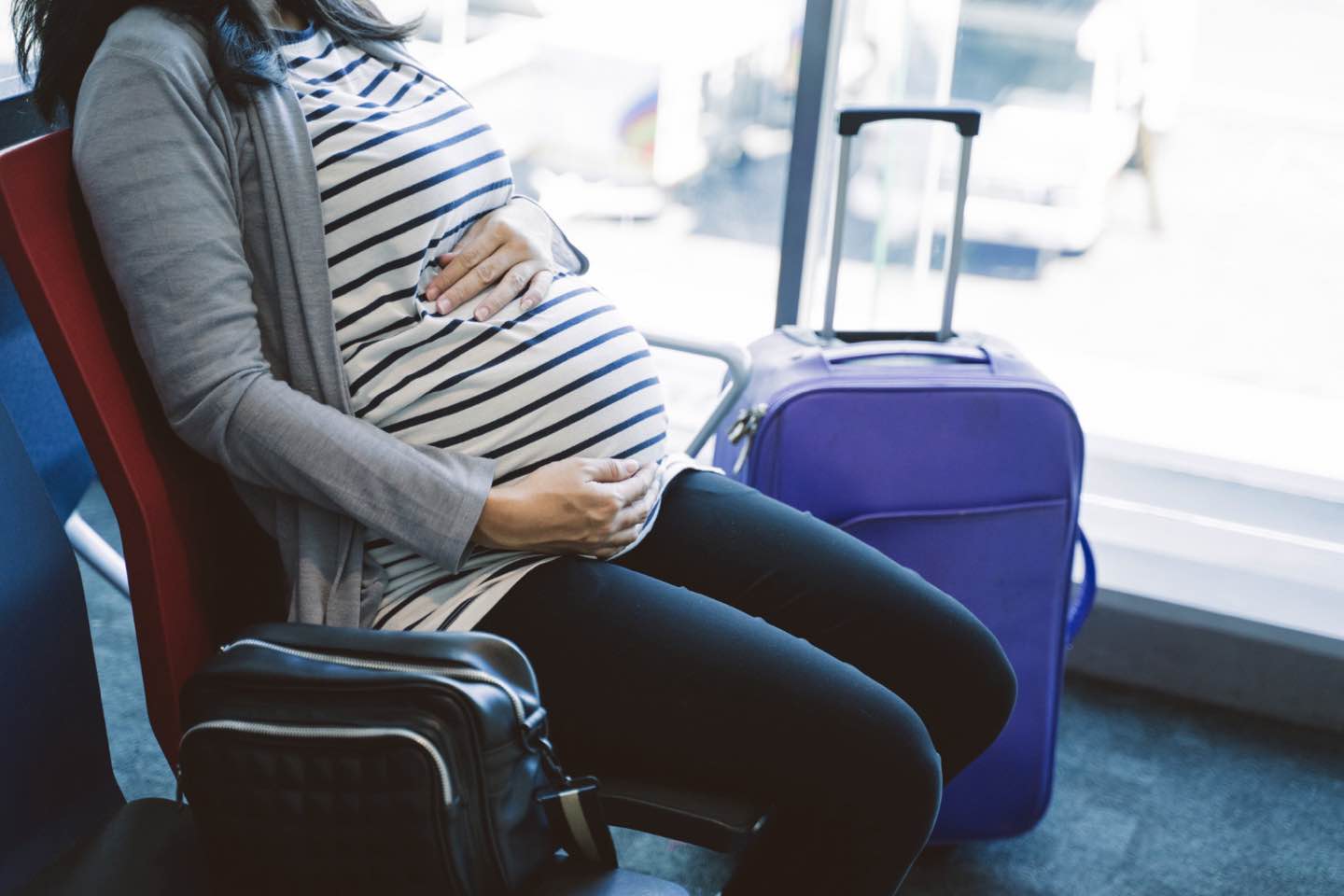
Flying can be stressful at the best of times, and traveling while pregnant brings an additional set of considerations. If you have a CR1 visa and are planning to join your spouse in the United States, you may have questions about how your pregnancy might impact your travel and entry into the country. Let’s explore what you need to know about CR1 visa travel and pregnancy air travel regulations.
Understanding the CR1 Visa
Firstly, it’s important to distinguish the CR1 visa from other types of U.S. visas. A CR1 visa is an immigrant visa issued to a foreign national who is married to a U.S. citizen and is seeking to enter the United States to live permanently with their spouse. Contrary to nonimmigrant visas like the B1/B2 visa, which is for business or leisure travel, the CR1 visa signifies the intention to immigrate.
Pregnancy and Air Travel
When it comes to air travel during pregnancy, most airlines allow pregnant women to fly up to a certain point in their pregnancy, typically around 36 weeks, but it varies among different carriers. It’s important to check with your airline for their specific policy. Around 28 weeks, some airlines require a note from a doctor indicating that it is safe for you to fly. Having this paperwork, as you mentioned you already have, is a proactive step.
Entry to the U.S. While Pregnant
As a CR1 visa holder, you’re already vetted to enter the U.S. and settle with your spouse. It’s unlike visitor visas, where immigration officers might be concerned about visitors intending to give birth in the U.S. to gain citizenship for their child—commonly referred to as “birth tourism.”
Upon arrival, while it is ultimately at the discretion of the immigration officer at the port of entry to allow travelers into the United States, having a CR1 visa means that your intent to reside in the U.S. is clear and approved. Immigration officials understand that incoming CR1 visa holders, including those who are pregnant, are coming to the U.S. with a vetted purpose – to live with their American spouses.
Tips for Smooth Travel
While the likelihood of being questioned solely due to pregnancy is low, especially on a CR1 visa, here are a few tips to ensure a smooth experience:
- Doctor’s Note: Carry the doctor’s note indicating your fitness to travel. Make sure it’s dated close to your departure date and clearly states the expected due date.
Medical Records: Having a copy of your prenatal medical records could be helpful in case further evidence of your pregnancy’s progress and health is required.
Travel Insurance: Consider getting travel insurance that covers pregnancy-related issues, just in case you need medical care while you’re en route.
Know Your Rights: Familiarize yourself with your rights as a pregnant traveler. The U.S. Customs and Border Protection (CBP) does not have a policy that prohibits entry to pregnant women. You can find more information on the U.S. Department of State website or the U.S. Customs and Border Protection website.
Final Thoughts
Traveling while pregnant, especially internationally, can be nerve-wracking, but rest assured that your CR1 visa signifies your clear intent to immigrate. Immigration officers are not in the practice of denying entry to CR1 visa holders because they are pregnant, especially when the proper documentation is presented.
Remember, the goal of the CBP is to ensure safe and legitimate travel; they are not there to make your already special circumstances more difficult. Prepare your documentation, know your rights, and look forward to starting this new chapter with your spouse in the United States.
May your journey be smooth, and may you find a warm welcome at the end of your flight. Safe travels!
Learn Today:
Glossary or Definitions
- CR1 Visa: A CR1 visa, also known as an “Conditional Resident Spouse Visa,” is an immigrant visa issued to a foreign national who is married to a U.S. citizen and wishes to live permanently in the United States with their spouse. Unlike nonimmigrant visas, the CR1 visa signifies the intent to immigrate rather than engage in temporary travel.
Immigrant Visa: An immigrant visa is a type of visa that allows individuals to enter the United States with the intention of residing there permanently. Immigrant visas are typically issued to individuals who are sponsored by a family member or have an employment-based opportunity in the country.
Nonimmigrant Visa: A nonimmigrant visa is a type of visa that allows individuals to enter the United States for a temporary period, such as for tourism, business, education, or temporary work purposes. Nonimmigrant visas have specific expiration dates and are non-permanent in nature.
Birth Tourism: The practice of birth tourism refers to individuals traveling to another country, such as the United States, specifically for the purpose of giving birth to a child in that country. The goal of birth tourism is often to obtain citizenship for the child by virtue of their place of birth.
Port of Entry: A port of entry is a designated location, such as an airport, seaport, or border crossing, where individuals enter a country. At the port of entry, immigration officials review documents, conduct inspections, and determine whether individuals are admissible to enter the country.
U.S. Customs and Border Protection (CBP): The U.S. Customs and Border Protection is a federal agency responsible for enforcing immigration laws, conducting border security operations, and facilitating legitimate trade and travel. CBP officers are stationed at ports of entry and play a role in inspecting and admitting individuals into the United States.
U.S. Department of State: The U.S. Department of State is a federal agency responsible for managing the country’s foreign affairs, including the issuance of visas to foreign nationals seeking to enter the United States. The Department of State sets policies and procedures related to visa processing and provides information and resources on immigration matters.
Doctor’s Note: A doctor’s note, also known as a medical certificate, is a document provided by a healthcare professional that verifies an individual’s medical condition or fitness to undertake a specific activity. In the context of travel, a doctor’s note may be required for pregnant women to confirm their ability to fly safely during pregnancy.
Prenatal Medical Records: Prenatal medical records are a collection of medical documents that chronicle the medical care and progress of a pregnant woman. These records provide information about the pregnancy, including prenatal visits, test results, and any medical interventions or treatments received.
Travel Insurance: Travel insurance is a type of insurance coverage that provides financial protection against unexpected events or emergencies that may occur during travel. It may cover medical expenses, trip cancellations or interruptions, lost belongings, and other travel-related mishaps.
Rights as a Pregnant Traveler: The rights as a pregnant traveler refer to the legal protections and entitlements afforded to pregnant individuals who are traveling. These rights may include non-discrimination, access to necessary medical care, and the ability to travel freely, as long as they comply with any safety guidelines or requirements set by airlines or immigration authorities.
So that’s the lowdown on traveling to the U.S. with a CR1 visa while pregnant! Remember, while it may seem overwhelming, the process is straightforward and immigration officers are understanding. For more helpful tips and information, check out visaverge.com. Safe travels and best wishes for this exciting new chapter in your life!
This Article in a Nutshell:
Flying while pregnant with a CR1 visa requires some planning. Most airlines allow it up to 36 weeks, but check their policy. Get a doctor’s note, carry medical records, consider travel insurance, and know your rights. CBP won’t deny entry for pregnancy. Relax and enjoy the journey!


