(INDIA) For many Indian professionals and families in the United States 🇺🇸, travel home feels essential but also scary because of visa stamp expiration and long consular waits. The most important rule is simple: your visa stamp controls whether you can re-enter the U.S.; your I-94 controls how long you can stay inside the U.S. Mix those up, and you can end up stuck in India for months or even years.
Core Rule: Visa Stamp vs. I-94
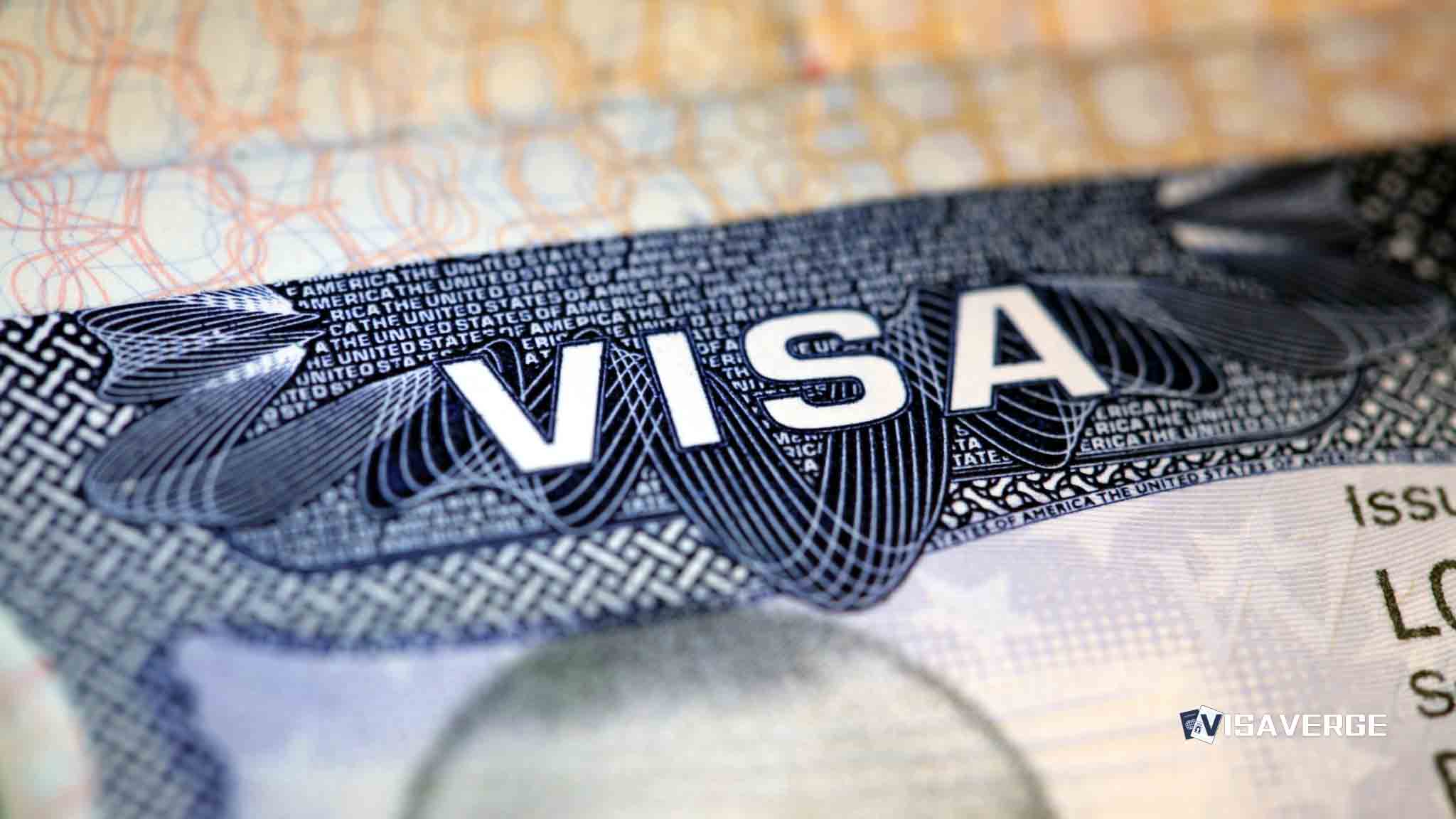
A visa stamp in your passport is just an entry ticket. It lets you re-enter the U.S. and ask the officer at the airport for admission in a certain category, like H‑1B or H‑4.
Your I-94 record (issued by Customs and Border Protection when you enter) is what sets your authorized stay inside the U.S. You can check it online at the official CBP site: I-94 Website.
Key points:
- You can stay in the U.S. after your visa stamp expiration, as long as your I-94 is valid.
- You cannot re-enter the U.S. with an expired visa stamp. Even if your I-94 would still be valid, you must have a valid visa to board the flight and be admitted.
Quick comparison
| Document | What it controls | Where to check |
|---|---|---|
| Visa stamp | Permission to re-enter the U.S. | In your passport |
| I-94 | Length of authorized stay in the U.S. | I-94 Website |
Treat the visa stamp as your return ticket and the I-94 as your stay permit.
April 2026 Final Action Dates
India China ROW EB-1 Apr 01, 2023 ▲31d Apr 01, 2023 ▲31d Current EB-2 Jul 15, 2014 ▲303d Sep 01, 2021 Current EB-3 Nov 15, 2013 Jun 15, 2021 ▲45d Jun 01, 2024 ▲244d F-1 May 01, 2017 ▲174d May 01, 2017 ▲174d May 01, 2017 ▲174d F-2A Feb 01, 2024 Feb 01, 2024 Feb 01, 2024
Step 1: Deciding Whether to Travel Before Visa Expiry
When planning a trip to India, review these items carefully:
- Visa stamp expiration date
- I-94 expiry date
- Your employer’s needs and family situation
- Current appointment wait times at U.S. consulates in India
If your visa will still be valid on the date you fly back, travel is usually lower risk from an immigration point of view. You use that visa stamp to re-enter, and your I-94 at the airport will control your new authorized stay.
However, if your visa will expire while you are in India, you must be ready to:
- Book a consular appointment
- Attend visa stamping
- Wait out any delays or administrative processing
VisaVerge.com reports that some H‑1B and H‑4 appointments in India have been pushed into mid‑2026, creating a real risk of being stranded.
Step 2: What Happens When the Visa Expires While You’re Abroad
If your visa stamp expiration happens after you leave the U.S. but before you return, you cannot use that old visa to come back.
Practical consequences:
- Airline staff are likely to refuse boarding without a valid visa stamp.
- Even if you somehow travel, the U.S. officer cannot admit you on an expired visa.
- You must obtain a new visa stamp at a U.S. embassy or consulate outside the United States 🇺🇸 before re-entering.
In India, that usually means attending a consular post such as New Delhi, Mumbai, Chennai, Hyderabad, or Kolkata. You’ll need a DS‑160 form, completed online through the U.S. Department of State’s site: DS-160 Application.
Step 3: Life Inside the U.S. With an Expired Visa Stamp
Many worry that once the visa stamp expiration date passes, they become illegal in the U.S. That is not how it works.
If all of these are true:
- You entered the U.S. lawfully with a visa
- You have a valid I-94 that has not expired
- You are still following the rules of your status (for example, working for your H‑1B employer)
Then you are usually in valid status, even if the visa in your passport is expired. You may:
- Keep working (for H‑1B or L‑1 holders)
- Keep living in the U.S.
- Extend or change status through USCIS while remaining in the country
The primary risk occurs when you travel abroad and then try to return with that expired visa.
Step 4: Automatic Visa Revalidation for Short Trips
There is a narrow exception called automatic visa revalidation. In some cases, you may:
- Travel for less than 30 days to Canada, Mexico, or certain adjacent islands
- Have an expired visa stamp
- Re-enter the U.S. using a valid I-94 and the revalidation rule
Important limitations:
- Does not apply if you go to India.
- Does not apply if you apply for a new visa while in Canada or Mexico.
- May not apply to certain nationalities or visa categories.
Because of these limits, most Indian workers should not depend on revalidation unless they have clear written advice from a trusted immigration lawyer and have read the official State Department and CBP guidance.
Step 5: Waiting in India for a Consular Appointment
If your visa stamp expires while you are in India, or you choose to get a new stamp, your usual steps are:
- Complete the DS‑160 form.
- Pay the visa fee (MRV fee).
- Book a consular appointment through the official portal.
- Attend the biometrics appointment (Visa Application Center).
- Attend the consular interview.
Consequences of long wait times (reported by VisaVerge.com):
- H‑1B and H‑4 workers risk months or longer outside the U.S.
- Families may face long separations from spouses and children still in the United States 🇺🇸.
- Job security can be threatened if employers cannot wait.
Notes and cautions:
- Some applicants try to reschedule appointments, but consulates often allow this only once.
- Older MRV receipts may no longer be accepted.
- Always check the latest rules on the official U.S. Embassy & Consulates in India website.
Step 6: Practical Travel Strategy for Indian Applicants
Before leaving the U.S., use this checklist:
- Is your visa stamp valid through your planned return date?
- If yes, risk is lower, but still monitor sudden consular or travel changes.
- Is your I-94 valid well beyond your return date?
- If not, speak with your employer or lawyer before travel.
- Can you delay travel until after you next extend status and obtain a fresh stamp?
- Are you ready financially and emotionally if you get stuck in India for several months?
Common safe practices:
- Avoid non-essential travel if your visa stamp is already expired or will expire soon.
- Plan trips when both your visa and I-94 have long validity left.
Think of the visa stamp as your return ticket and the I-94 as your stay permit. Before any trip, verify your I-94 validity online, and ensure your visa stamp will still be valid when you re-enter.
Step 7: Indian Entry Rules vs. U.S. Visa Rules
When you travel to India, Indian entry rules apply separately. India 🇮🇳 usually requires:
- A valid Indian passport with at least six months validity for its citizens returning home.
- The correct Indian visa or OCI card for foreign family members.
These rules do not change how U.S. immigration treats you. U.S. visa rules for re-entry are completely separate from Indian entry rules, though both matter for your travel plans.
Step 8: Managing Expectations and Planning Ahead
Many families ask: “If my visa stamp expires while I’m in India, will I be able to re-enter the U.S. and return to my job and life?” The honest answer is that there is real risk because of the consular backlog.
To reduce that risk:
- Treat your visa stamp as your “return ticket” and your I‑94 as your “stay permit.”
- Do not leave the U.S. relying only on a strong I‑94; you still need a valid visa to come back.
- Watch official consulate announcements for extra visa interview slots or special programs.
- Talk openly with your employer about timing, remote work options, and worst-case delays.
Thoughtful planning can’t remove all risk, but it can help you make travel choices that protect your status, job, and family stability.
The visa stamp in your passport controls re-entry to the U.S., while the I-94 governs authorized stay. You can remain in the U.S. with a valid I-94 even if the visa stamp expires, but you cannot return from India without a new visa. Consular appointment backlogs in India — with some H‑1B/H‑4 slots delayed into mid‑2026 — can leave travelers stranded. Plan travel only when both documents are secure and consult official guidance.
Live Government Data
State Dept • CBPBusiest Border Crossings
- El Paso 65 min
- Brownsville 60 min
- Calexico 45 min