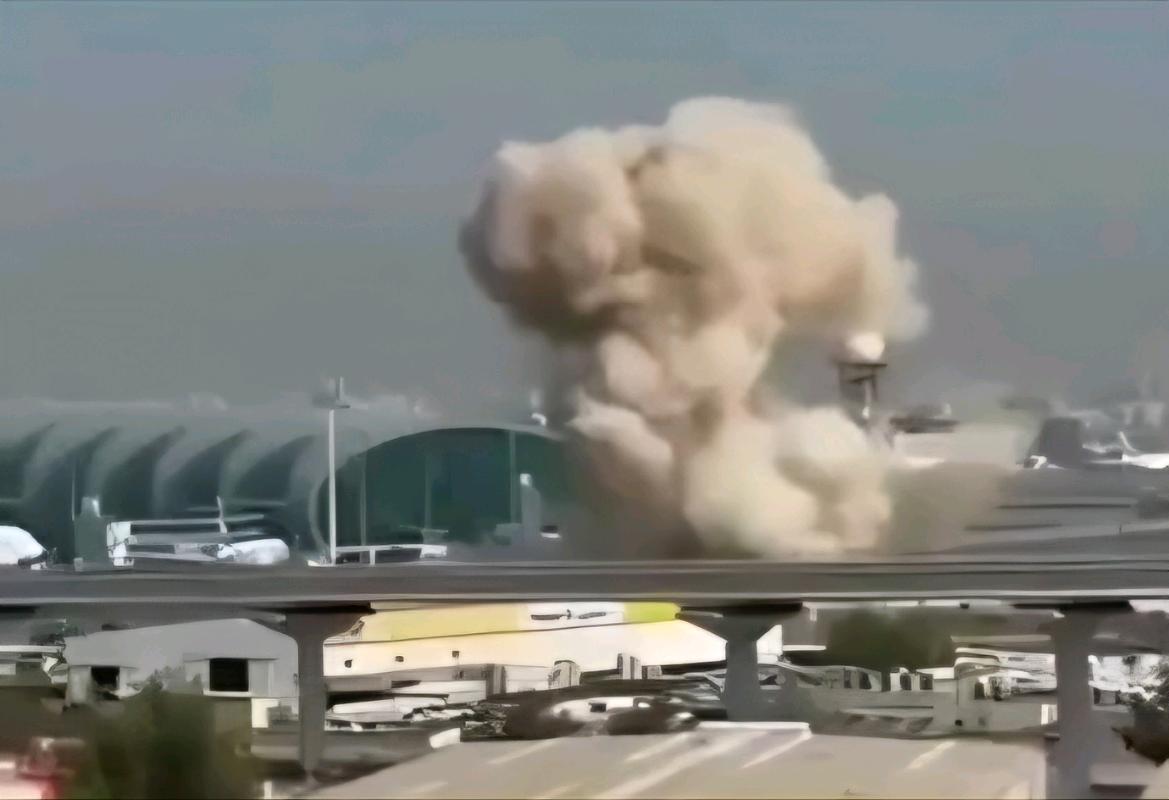
(ATLANTA, DALLAS, DENVER, LOS ANGELES, MIAMI, NEWARK) The Federal Aviation Administration moved to cut flights at 40 FAA airports during the November 2025 Shutdown, imposing phased Flight Reductions that topped out at 10% at targeted hubs as unpaid air traffic controllers strained to keep the system safe. The most affected were six of the nation’s busiest hubs—Atlanta, Dallas, Denver, Los Angeles, Miami, and Newark—where airlines trimmed schedules and passengers faced delayed trips, rebookings, and cancellations.
How the reductions were phased and why
The FAA said the cuts were designed to reduce pressure on controllers, who are federal employees and remained on the job without pay during the shutdown. Officials phased in the changes, starting with 4% cuts and building toward the full 10% reduction.
By the peak, the move touched up to 1,800 flights and approximately 268,000 seats combined. Airlines and airports had to reshuffle crews, gates, and customer support while trying to avoid gridlock inside terminals.
Immediate airline impacts
Airlines felt the hit right away.
- American Airlines reported reducing schedules at 40 airports, resulting in about 200 flights canceled each day.
- Cancellations at hubs rippled out to smaller cities that depend on connections.
- Carriers could not rely on typical buffers (reserve crews, etc.) to solve a systemwide staffing constraint inside air traffic control.
The strain sat inside the air traffic system itself, limiting how many takeoffs and landings can happen safely at once.
Effects at major hubs
The burden fell hardest on hubs that drive U.S. domestic flow.
- Hartsfield–Jackson Atlanta International Airport: Even single-digit cuts translated into large numbers of travelers unable to board, especially during peak periods.
- Dallas–Fort Worth: Maintaining banked connection waves became harder with fewer available slots.
- Denver: Winter weather + reduced movements increased the risk that tight schedules would unravel when de-icing extended turnaround times.
- Los Angeles: Inbound Asia-Pacific flights faced tighter ground capacity, lengthened taxi times, and stretched gate availability.
- Miami: Outbound flights to Latin America experienced crew and gate constraints.
- Newark: Already delay-prone, Newark hit runway and airspace limits more quickly once caps were in place.
Cargo and logistics ripple effects
Cargo hubs were included in the reduction list, producing real-world consequences.
- Memphis, Tennessee (FedEx hub) and Louisville, Kentucky (UPS global hub) were affected.
- Overnight bank systems depend on dense clusters of flights within narrow windows; a 10% reduction disrupted sort operations and pushed delivery times out by a day or more on some lanes.
- Retailers, medical suppliers, and small exporters reported new delays as holiday demand surged.
What the FAA did operationally
FAA officials said the Flight Reductions prioritized safety and manageable workloads for controllers.
Key measures included:
- Slowing the flow of departures and arrivals.
- Using ground delay programs more frequently.
- Increasing spacing between aircraft across sectors where staffing could not support normal throughput.
The underlying goal was to keep controller workloads at a level they could sustain without error. The agency emphasized that safety is nonnegotiable and that traffic management initiatives are a proven way to reduce risk when the system is stressed.
Warnings and potential escalation
Transportation Secretary Sean Duffy cautioned that the situation could worsen if the shutdown continued and more controllers missed shifts.
- “If this continues, cancellations could escalate to 15% or 20%,” Duffy said.
- Airlines, unions, and airport authorities noted that while safety remained intact, the margin for handling routine disruptions was shrinking with rising sick calls and unpaid staff fatigue.
Passenger experience and traveler advice
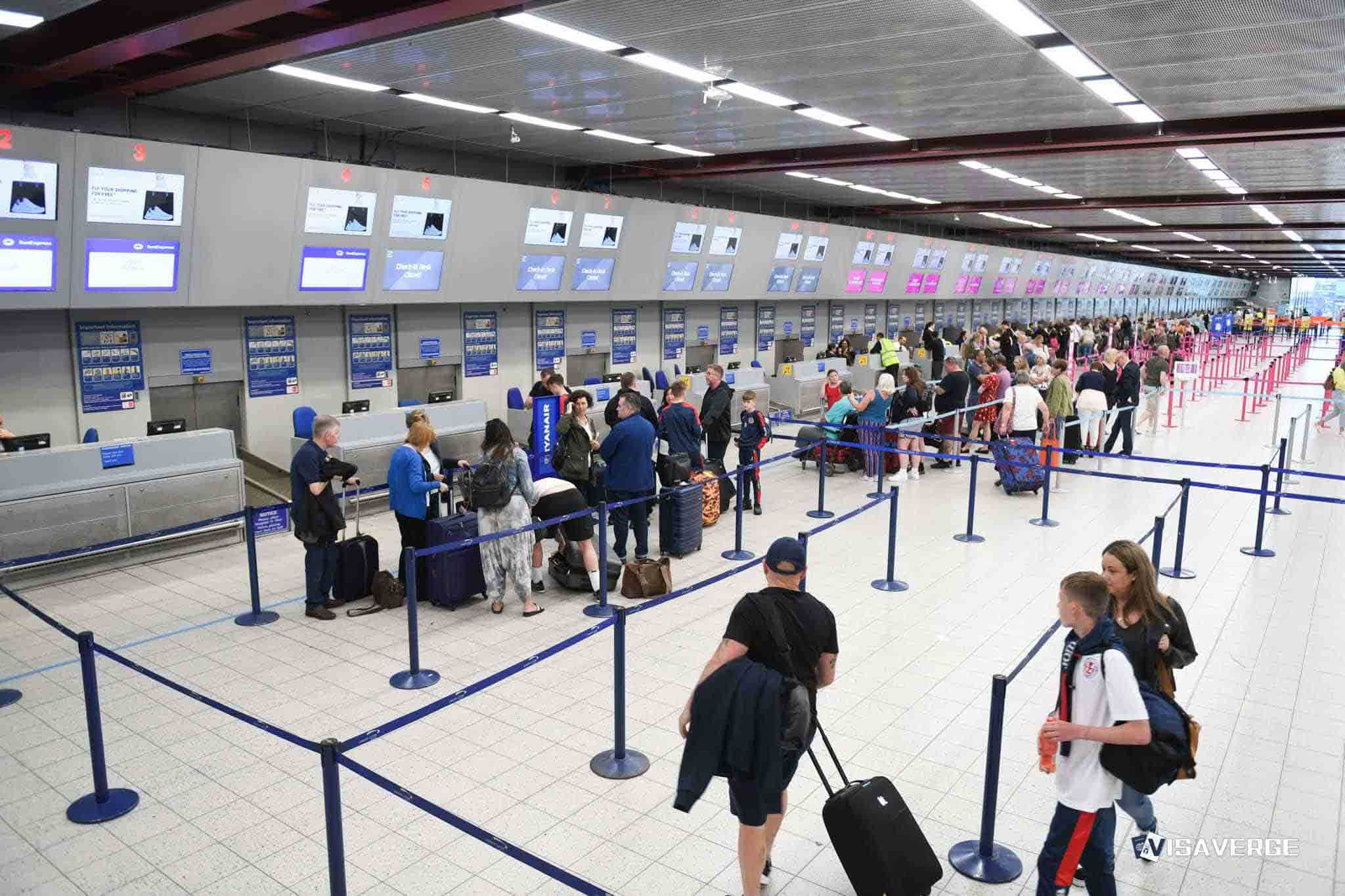
For travelers, the most practical effects were fewer choices and longer lines.
- Popular morning and evening departures filled faster; remaining seats were often at higher fares.
- Rebooking options narrowed, especially for families and same-day return travelers.
- American’s roughly 200 daily cancellations illustrated how cuts multiplied across networks.
Airport workers also felt pressure:
- Gate agents faced frustrated customers with limited alternatives.
- Ramp crews repeatedly reset schedules as aircraft assignments shifted.
- Flight attendants and pilots saw trips extended or rerouted to keep aircraft and crews positioned.
Travel advisors recommended:
- Choose morning flights when possible.
- Keep carry-on bags to retain flexibility.
- Allow extra connection time at congested hubs like Atlanta, Dallas, and Newark.
Analysis and operational choices
Analysis by VisaVerge.com noted that starting at 4% and climbing to 10% reduced shock at individual airports but still produced a persistent national impact.
- Concentrating cuts at specific hubs made sense operationally, since controllers can manage predictable caps.
- However, airlines had to make hard choices about which city pairs to protect and which to trim, creating uneven impacts for communities relying on hub connections.
Cargo operators tried to move volume to secondary facilities, but the overnight networks tied to Memphis and Louisville offered limited rerouting capacity.
“You can’t just invent a new hub in a week,” one logistics manager said.
Workers, unions, and FAA communications
Air traffic controllers continued reporting for duty, often commuting long distances and covering overtime.
- Unions said members were worried about fatigue and the financial strain of unpaid work.
- The FAA urged patience and said it would adjust traffic management measures in real time as staffing and demand changed.
For official updates on national airspace operations, the agency’s information hub at the Federal Aviation Administration remained the authoritative source.
Outlook and closing implications
Operational choices during the November 2025 Shutdown reflected a basic fact: safe throughput depends on having enough trained people in the right places at the right times.
- Reducing schedules at selected FAA airports was a blunt but necessary tool to keep the system running without compromising safety.
- The longer the shutdown lasted, the greater the chance temporary cuts would harden into wider cancellations, as Secretary Duffy warned.
By week’s end, airlines said they were keeping spare aircraft near the hardest-hit hubs and preemptively canceling flights to give customers earlier notice rather than waiting for rolling delays to strand people overnight.
- The system’s ability to absorb shocks during the holiday season would depend on whether controller attendance held steady and whether the shutdown ended before deeper cuts became unavoidable.
This Article in a Nutshell
The FAA enacted phased flight reductions at 40 airports during the November 2025 shutdown to reduce controller workload, starting at 4% and rising to 10%. The action affected about 1,800 flights and 268,000 seats, heavily impacting six major hubs (Atlanta, Dallas, Denver, Los Angeles, Miami, Newark). Airlines canceled and reshaped schedules; cargo hubs including Memphis and Louisville saw disrupted overnight sorting. Officials emphasized safety and warned larger cancellations could occur if the shutdown persisted.