- American Airlines issued broader fee waivers for travel during Winter Storm Fern across dozens of major airports.
- Travelers can rebook Basic Economy tickets without fees if they meet specific storm-related purchase and travel windows.
- New mobile app disruption tools allow passengers to handle rebookings and track bags without waiting in airport lines.
(WASHINGTON, DC) — American Airlines just expanded its winter-storm playbook with broader fee waivers and new in-app rebooking tools, which can save you real money and hours in line as Winter Storm Fern triggers cancellations and missed connections.
If you’re scheduled to fly in the next few days, your best move is to check for American Airlines travel alerts now and rebook early while waiver rules still apply.
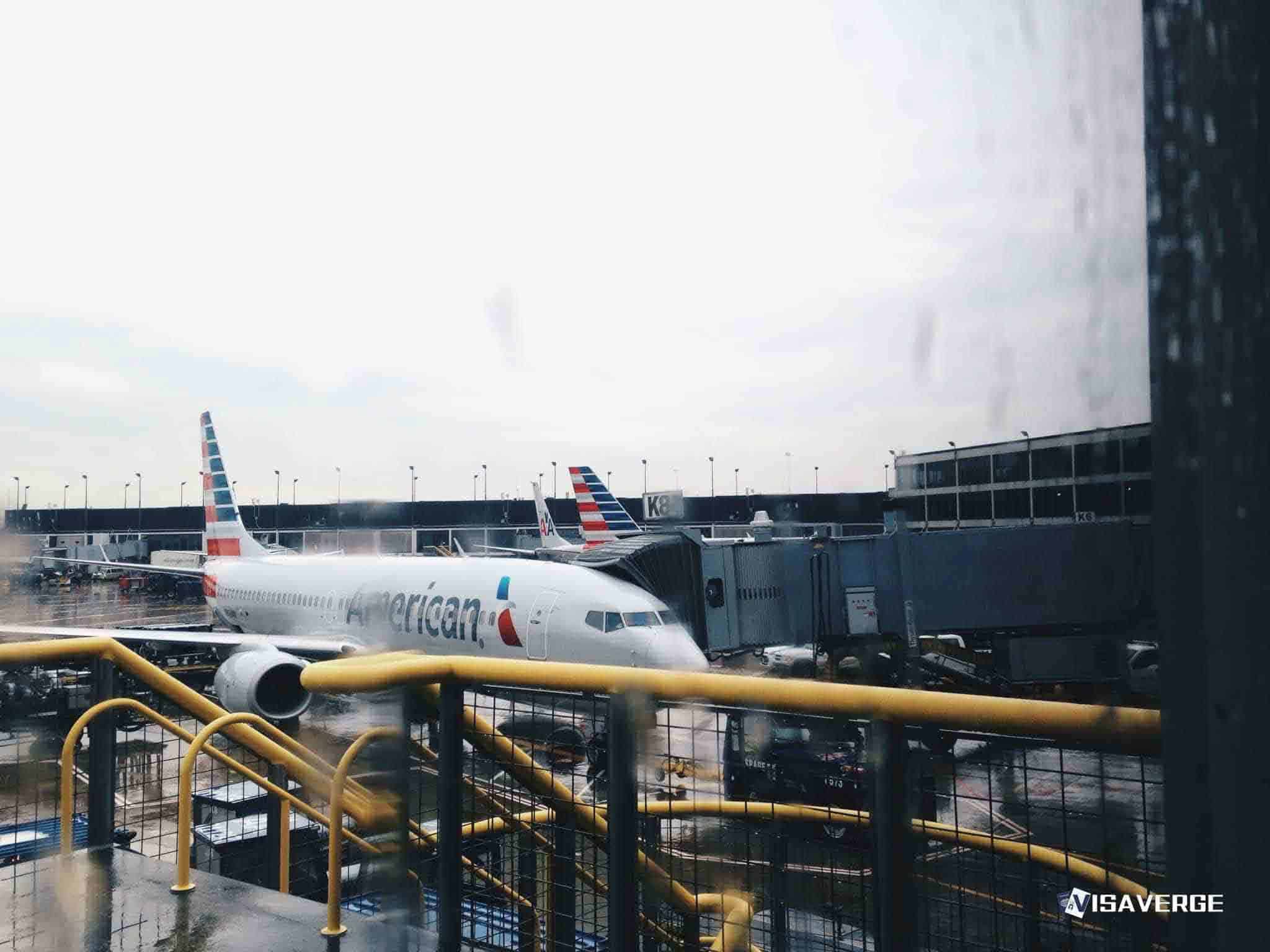
Overview: Winter Storm Fern disruptions and what American is doing differently
Winter storms don’t just delay one flight. They knock aircraft and crews out of position, snarl de-icing queues, and create rolling missed connections that last for days.
Even if your departure airport is clear, your inbound plane may be stuck elsewhere.
American’s response this week is twofold. First, it’s pushing broader change-fee waivers that include Basic Economy in certain cases. That’s a big deal, since Basic Economy usually has the tightest rules. Second, American rolled out mobile app disruption features designed to keep you off the phone and out of airport lines.
During mass irregular operations, the travelers who do best are the ones who move early. Rebooking before your flight cancels can mean better seat choices and shorter delays.
It also helps you document what happened, which matters if you later pursue a refund, reimbursement, or travel insurance claim.
Current winter disruptions and American Airlines travel alerts
American has active travel alerts tied to Winter Storm Fern, affecting flights to and from nearly three dozen airports. Representative examples include Washington Reagan (DCA), Norfolk (ORF), Richmond (RIC), Raleigh/Durham (RDU), and several airports in Oklahoma and Texas like Oklahoma City (OKC), Tulsa (TUL), and San Antonio (SAT).
The list can shift quickly as the storm track changes. A weather travel alert usually doesn’t mean “don’t travel.” It means American expects meaningful disruption risk and is granting extra flexibility.
That flexibility can include waived change fees, expanded rebooking options, and guidance to monitor your itinerary closely.
How to interpret the scope without overreacting:
- Start with your departure airport, since that controls check-in, bag drop, and takeoff reality.
- Then check your connection airport, because a hub disruption can strand you even if your origin is fine.
- Finally check the destination, since landing limits and de-icing can cascade into cancellations.
Monitoring matters, but do it in the right places. The American app often updates fastest for your specific booking. The travel alerts page shows system-wide waivers and affected cities.
Airport operations can lag, because gate plans change minute to minute during storms.
Waiver policy for late-January travel: what changed and how it helps
American’s current storm-related waiver is designed for travelers booked around the peak disruption days. The big consumer win is simple: if you qualify, you can change your trip once without paying the normal change fee, including on Basic Economy tickets.
Here’s how the waiver logic works in practice:
- You must meet a purchase-by requirement and be ticketed before the cutoff.
- Your original travel must fall in the affected window tied to the storm period.
- You must rebook by a rebook-by deadline, even if your new flight is later.
- Your new trip generally must keep the same origin and destination cities.
- You may still owe a fare difference, especially if you move to a more expensive day or cabin.
- Your travel must be completed within one year of the original ticket date.
Before/After: what you can expect if you qualify
| Item | Before (typical rules) | After (Fern waiver eligible) |
|---|---|---|
| Change fee | Often charged, varies by fare | Waived for one change |
| Basic Economy | Usually most restrictive | Included under this waiver |
| Rebooking deadline | Standard ticket rules | Must rebook by the waiver deadline |
| Routing rules | May allow city changes with repricing | Same origin/destination required |
| Cost outcome | Fee + fare difference possible | Fare difference may still apply |
Who’s affected:
- You’re on an American-issued ticket and your trip falls inside the waiver’s purchase and travel windows.
- Your route touches airports listed in the active travel alert area.
- You can keep the same origin and destination cities.
Who isn’t:
- Tickets purchased after the purchase-by cutoff for this specific waiver.
- Itineraries outside the alert’s travel window.
- Travelers who want to change to different origin or destination cities.
- Some complex multi-city or partner-issued tickets may not price cleanly online.
Practical tip: If you’re chasing AAdvantage status, a proactive rebook can protect your earn. A canceled trip earns nothing. A rebooked flight keeps your miles and Loyalty Points plan alive.
📅 Key Date: If your trip is eligible under the Fern waiver, don’t wait for a cancellation text. Rebook before the waiver’s rebook-by deadline to keep the change fee at $0.
Earlier disruption waiver: yes, multiple waivers can exist at once
American also has a separate, longer-running waiver tied to earlier disruptions. That matters if your trip doesn’t fit the Fern window, or if you’re turning a winter trip into a later date.
Multiple waivers can overlap, and only one will apply to your ticket.
How to match your trip to the correct waiver:
- Check your ticket purchase date first.
- Then verify your original travel dates.
- Confirm the rebook-by deadline for the waiver that matches both.
If you fall outside all waivers, you still have options. Same-day flight change rules may help on day of departure. Standby can work on lighter travel days. Or you can wait and see, but that’s a gamble during storms.
The big gotcha: rebook-by deadlines can arrive even if your new travel is much later. If you miss that deadline, your “free change” may disappear.
New mobile app enhancements: when to trust self-service vs calling
American’s new in-app disruption features are meant to speed up recovery during mass cancellations. United and Delta have invested here for years, so it’s good to see American closing the gap.
What the app can do well during storms:
- Show real-time banners that explain the cause, like weather or crew.
- Present rebooking options quickly after a cancellation.
- Let you accept an automatic rebooking, or shop alternatives.
- Provide bag tracking when your routing changes.
- Issue digital vouchers in some cases, replacing paper handouts.
What the app may not solve:
- Cabin mismatches, like being moved from Main Cabin Extra to a standard seat.
- Airport changes, such as being protected from DCA to IAD, if that happens.
- Multi-passenger bookings where seats split across flights.
- Tight international connections with partner airlines.
American says more self-service flexibility is planned later in 2026, including standby tools. Treat that as “nice when it shows up,” not something to rely on today.
Other operational challenges tightening rebooking options
Winter storms aren’t the only reason rebooking can be tough right now. American has also suspended several transatlantic routes until March 4, 2026, including Dallas/Fort Worth–Frankfurt and Charlotte–Munich.
American cited winter schedule adjustments and aircraft availability pressures tied to Pratt & Whitney engine issues.
For travelers, this matters because fewer long-haul flights mean fewer empty seats to move people around during disruptions. It also pushes demand to competitors like Lufthansa, Delta, and United on certain city pairs.
On refunds: if American cancels your flight, U.S. DOT rules generally support your right to a refund, even on nonrefundable tickets, if you choose not to travel. That “choice” piece is key. If you accept a rebooking, you’re usually moving forward under the same ticket value.
American has also shown it can normalize operations after disruptions. In the Eastern Caribbean, it restored flying after an FAA-mandated airspace closure and added more than 8,000 seats and 50 extra flights by early January 2026.
Capacity restores like that are the best-case scenario after a shock.
How to check status and rebook fast (without losing your paper trail)
Use a simple workflow during Winter Storm Fern:
- Check your flight in the American app first. Look for a schedule change, major delay, or cancellation status.
- Open American’s travel alerts and confirm your airports are covered.
- If eligible, try “Find your trip” and price alternatives that keep the same cities.
- Compare same-day versus next-day options. During storms, the fastest arrival often means departing earlier.
- If self-service errors out, call Reservations with your preferred flights picked out. Agents move faster with specifics.
- Save proof after any change:
- New confirmation code and receipt
- Ticket reissue email
- Seat assignments
- Any voucher or refund reference numbers
Mileage angle: if you’re sitting close to an AAdvantage elite threshold, prioritize flights you can actually take. A free change to a later date beats a day-of cancellation that wipes out your Loyalty Points for the trip.
⚠️ Heads Up: The best reaccommodation inventory disappears first. If you see a workable reroute in the app, grab it, then adjust seats later.
If you’re flying January 23–25, check American Airlines travel alerts today and lock in your change before the waiver deadline. Waiting for the storm to “make the decision” usually costs you a day—or more—of your trip.