- Spirit Airlines is negotiating a potential takeover with investment firm Castlelake during its second Chapter 11 filing.
- The airline requested a 120-day extension for its reorganization plan, pushing the filing deadline to April 2026.
- Restructuring efforts involve cutting aircraft leases and securing $100 million in labor concessions from pilots and attendants.
(NEW YORK, USA) — Spirit’s second Chapter 11 filing within a year has prompted talks with Castlelake, signaling a potential asset-focused restructuring that could shape planes, leases, and long-term strategy as the airline seeks an exit from bankruptcy.
Section 1: Current bankruptcy status and timelines
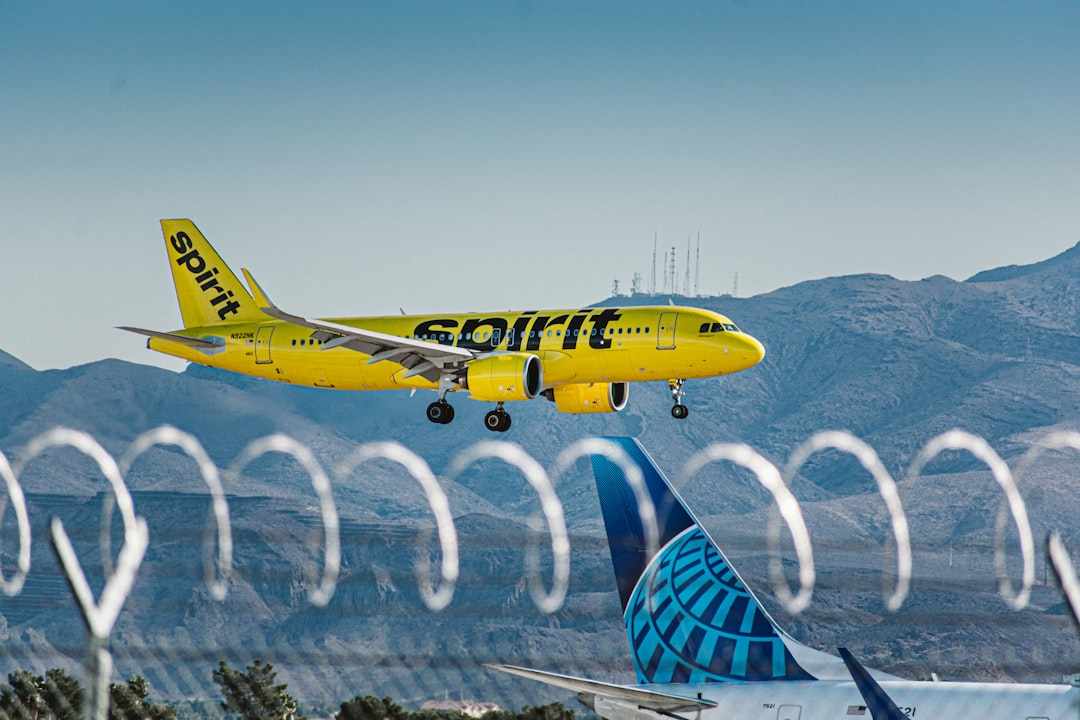
August 2025 marked a fresh Chapter 11 bankruptcy case for Spirit Airlines. It was also the second filing within a short window, after an initial November 2024 filing. Two filings in that span often signal that earlier fixes did not hold.
Chapter 11 is designed to let a company keep operating while it rewrites obligations under court oversight. Spirit remains a “debtor-in-possession,” which means management typically stays in control day to day, but major steps run through the Bankruptcy Court.
The center of the process is a reorganization “plan.” Think of the plan as the blueprint for who gets paid, when, and in what form. Before creditors vote, the company usually seeks approval of materials used to solicit votes (often called disclosure/solicitation).
Deadlines matter because they shape negotiating power. Spirit’s plan filing deadline was originally set for December 29, 2025. The creditor vote solicitation deadline was due by February 25, 2026.
In November 2025, Spirit asked federal bankruptcy judge Sean Lane for a 120-day extension. If granted, the plan filing deadline shifts to April 28, 2026, and the creditor vote deadline moves to June 25, 2026.
Companies typically ask for more time to keep several options alive at once. That can include negotiating with lenders, testing interest from new investors, refining valuations, or preparing alternative transactions.
For creditors and employees, an extension can cut two ways. It may allow a better deal to be built, but it can also prolong uncertainty and keep the airline dependent on bankruptcy-era financing.
| Milestone | Original Deadline | Extension Request | New Deadline |
|---|---|---|---|
| Plan filing deadline | December 29, 2025 | 120-day extension | April 28, 2026 |
| Creditor vote solicitation deadline | February 25, 2026 | 120-day extension | June 25, 2026 |
⚠️ Note the ongoing uncertainty and reliance on DIP financing; readers should watch for timing shifts in plan confirmation and any court decisions that could alter fleet/lease terms
Section 2: Castlelake’s aviation background and potential takeover
Castlelake is a global alternative investment firm, and that type of investor often approaches airlines differently than a strategic airline buyer would. Instead of focusing on route maps and brand overlap, an investment firm may focus on the parts of an airline that can secure financing or be reshaped quickly: aircraft, engines, leases, and the rights tied to those assets.
That context matters because Spirit Airlines is in discussions with Castlelake about a potential takeover tied to its Chapter 11 bankruptcy. A Castlelake-led path has been described as “asset-focused restructuring.” That usually means the capital structure and fleet obligations get attention first.
A key data point is Castlelake’s aviation platform launch. Merit AirFinance began in August 2025 with $1.8 billion in deployable capital aimed at aircraft and engine debt financing. In a turnaround, lending capacity can function like oxygen.
Still, several deal mechanics remain open questions. Talks could be exclusive or non-exclusive. A transaction could run through a court-supervised sale process, sometimes with a “stalking-horse” bidder that sets a floor price before an auction. Any of those paths would typically require Bankruptcy Court approval.
| Entity | Capital Deployable | Focus Area |
|---|---|---|
| Castlelake | $1.8 billion | Asset-focused restructuring |
| Merit AirFinance | $1.8 billion | Aircraft and engine debt financing |
Section 3: Historical merger attempts and related context
Spirit’s current options are shaped by deal attempts that did not land. Frontier Airlines and Spirit discussed combining more than once, and those talks matter because they influence valuation expectations and the credibility of “strategic alternatives.”
Frontier rejected Spirit’s merger proposal in January 2025 after Spirit offered approximately $2.1 billion in cash and stock. Regulators also changed the story for Spirit when JetBlue’s attempted purchase was blocked on antitrust grounds in 2024.
Even when a merger looks attractive on paper, the Justice Department can challenge consolidation that reduces competition. For Spirit, that outcome narrows the list of obvious airline buyers and can push the process toward financial sponsors instead.
A Chapter 11 transaction also differs from a normal corporate merger. Inside Chapter 11, the court’s role is constant. Creditors have formal voting rights by class, and the process can resemble an auction if multiple bids appear.
That structure can improve price discovery, but it also gives creditors a stronger seat at the table than they would have in a standard M&A process.
Section 4: Operational status and workforce during Chapter 11
Airlines can keep flying during Chapter 11 because the process is built to preserve “going concern” operations. Vendors can be paid under court-approved rules, cash management is monitored, and critical contracts can be assumed or rejected with court permission.
For passengers, the practical point is simple: bankruptcy does not automatically cancel flights. DIP financing is one of the main tools that keeps the lights on. Spirit secured over $475 million in DIP financing.
That money is typically structured to be senior in priority, which is why it can be available when other funding dries up. In practice, DIP financing can pay for fuel, airport fees, and other near-term needs while the airline negotiates its longer-term plan.
Fleet decisions often show up fast in Chapter 11. Spirit negotiated the end of leases for 58 aircraft. Ending leases can cut costs, but it can also reduce spare capacity and make recovery from disruptions harder.
Workforce measures are another big signal. Spirit has approximately 25,000 employees, including 3,000 pilots and 5,000 flight attendants. The airline also has maintenance staffing associated with 600 aircraft.
- Labor concessions. $100 million in pay cuts agreed to by pilots and flight attendants.
- Operational impacts. Fewer aircraft and staffing changes can tighten schedules and increase the risk of disruptions.
Travelers usually want one bottom-line answer: “Will my ticket still work?” In Chapter 11, airlines often keep honoring existing reservations and standard airport routines, unless they announce policy changes.
Passengers may notice shifting schedules, aircraft swaps, and more aggressive cost controls. If a flight is canceled or heavily delayed, U.S. airline policies and contract terms shape refund and rebooking outcomes, and those rules can differ by fare type and circumstances.
Exact compensation and refund thresholds can be highly specific, so passengers should check the airline’s current policies at https://www.spirit.com and keep documentation.
✅ Travelers should monitor Spirit’s schedule reliability updates and any changes to ticketing policies as restructurings unfold
Section 5: Regulatory and court-approval considerations
Bankruptcy Court approval is the gate for major steps. DIP financing, large asset sales, and the final plan confirmation generally require court orders. Judges often look at whether a proposal is fair within the legal framework and whether it meets standards tied to creditor recoveries.
The phrase “best interests of creditors” is often used in this setting. In everyday language, it means a plan typically must show creditors do at least as well as they would in a liquidation scenario.
Creditors are usually grouped into classes, often separating secured creditors from unsecured creditors because their rights differ. Secured creditors have collateral backing their claims, which can influence bargaining on aircraft, engines, and other pledged assets.
Unsecured groups may push for different tradeoffs, including equity upside in a reorganized company. Those tensions can shape how any Castlelake proposal is structured, especially if the emphasis stays on hard assets and secured debt.
Labor is another pressure point. The Air Line Pilots Association (ALPA) published an open letter on January 13, 2026 urging Spirit bondholders to honor existing commitments and provide remaining funding needed for Spirit to emerge from Chapter 11 as a going concern.
Public letters can be both messaging and strategy. They can also affect operational confidence, since staffing stability matters to on-time performance and customer trust.
Timing risk sits over everything. If approvals slip, the airline may need DIP amendments or revised milestones. Court calendars can also shift due to objections, competing proposals, or disclosure fights.
⚠️ Note the ongoing uncertainty and reliance on DIP financing; readers should watch for timing shifts in plan confirmation and any court decisions that could alter fleet/lease terms
Section 6: Negotiation dynamics and exit-from-bankruptcy outlook
A Chapter 11 exit can be built in several common ways. One route is a plan sponsor investment, where new capital funds the reorganized airline. Another is a debt-for-equity swap, where certain creditors accept ownership stakes instead of repayment on original terms.
Asset sales can also be part of the package, sometimes combined with new secured financing. These structures can align with an asset-focused restructuring, especially when aircraft and engine financing capacity is central to the proposal.
Deadlines shape behavior. The requested shift to April 28, 2026 for the plan filing deadline, and to June 25, 2026 for the creditor vote deadline, gives Spirit time to negotiate. It also tests creditor patience.
Readers looking for practical signals can watch for concrete legal steps rather than headlines: filed term sheets, a court-approved disclosure statement, a scheduled confirmation hearing date, settlements with aircraft lessors, or changes to DIP terms can all indicate progress.
If a plan is confirmed, travelers and employees may feel the effects through fleet choices, lease terms, and financing costs that influence capacity and schedules. Labor agreements and staffing levels can shape reliability too. Those changes typically roll out as leases reset and financing structures settle.
Circle June 25, 2026. That creditor vote deadline is a calendar marker that can force decisions, and it can clarify what Spirit Airlines and Castlelake are truly prepared to put in writing.
This article discusses bankruptcy and investor actions involving a private company; information and analysis are for informational purposes only.
Consult qualified professionals for legal or financial guidance related to bankruptcy processes, labor rights, or investment transactions.