- U.S. visa applicants in 2026 face extended consular wait times and stricter documentation requirements worldwide.
- Accuracy on the DS-160 online form is critical to avoiding administrative processing or case denials.
- New 2025 rules have reduced interview waiver eligibility, forcing more age groups into in-person appointments.
(UNITED STATES) U.S. visa applicants in 2026 face long consular wait times, tighter interview waiver eligibility rules, and more scrutiny over DS-160 accuracy. The fastest cases are the ones that arrive complete, match every record, and avoid mistakes that force rescheduling.
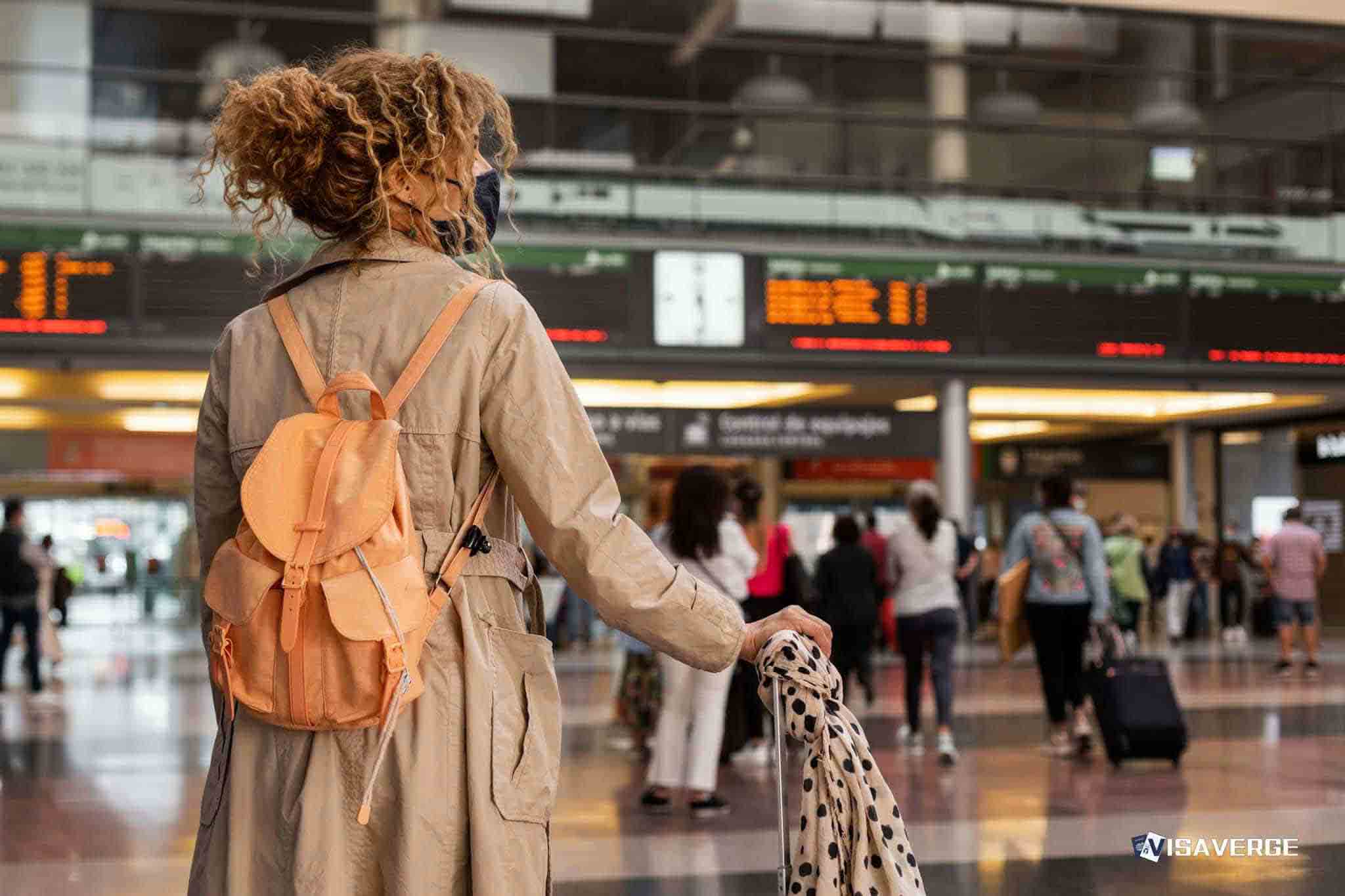
The path is still manageable. Applicants who prepare early, check the right consulate, and use the official appointment system often cut avoidable delays. According to analysis by VisaVerge.com, the biggest delays now come from incomplete forms, missing documents, and overconfident expedite requests.
Start With the Queue You Are Actually In
Visa timing begins with the consulate, not the calendar. In March 2026, the Department of State’s Global Visa Wait Times tool showed B1/B2 waits from under 0.5 months in Abuja to more than 16 months in Abu Dhabi and Santo Domingo. Student visas often moved faster, while H, L, O, P, and Q cases reached 2 months or more in places like Dhaka.
Those numbers change every month. They count 30-day blocks, including weekends and holidays. New slots open regularly, so applicants should check the scheduling system often rather than assume the first posted date is final.
Location matters too. A lower-demand post can move faster if jurisdiction rules allow it. Third-country filing without permission can lead to rejection and another delay. For many families, that mistake adds months.
USCIS petition delays also spill into the visa stage. Work and study cases often wait for petition approval before a consulate can act. Premium processing can speed certain petitions, but it does not shorten consular scheduling.
DS-160 Accuracy Decides Whether the Case Moves Forward
The online nonimmigrant visa form DS-160 is the starting point for most applicants. A clean form keeps the case moving. A mismatched one can trigger rescheduling, administrative processing, or denial.
Names, dates of birth, passport numbers, travel history, and prior U.S. visa records must match supporting documents. Even small differences can prompt questions at the interview. When that happens, officers may place the case into extra review.
Applicants should submit the form at least 2 to 3 business days before the interview booking. Many posts now require that time for review. The barcode number beginning with AA must match the appointment confirmation exactly.
A few common errors slow cases down:
- Leaving blank fields that should be completed
- Uploading a photo that fails size or background rules
- Forgetting to save or print the confirmation page
- Rushing the form and missing older travel or family details
A draft document helps. The form times out after 20 minutes of inactivity, so applicants should prepare answers before logging in. Minor mistakes can sometimes be explained at the interview. Major errors usually require a new DS-160 and a new appointment.
For official filing guidance, use the DS-160 online application page and keep the confirmation page with your records.
Interview Waiver Eligibility Shrinks After the 2025 Rule Change
Interview waivers still exist, but they are narrower than many applicants expect. Effective October 1, 2025, the Department of State tightened the rules. Most applicants under 14 or over 79 now need interviews. That change removed a broad shortcut that once helped many families and older travelers.
Current waiver groups include:
- Diplomatic and official categories such as A-1, A-2, C-3 excluding attendants, G-1 through G-4, NATO-1 through NATO-6, and TECRO E-1
- Certain B-1/B-2 or B1/B2 renewals within 12 months of expiration
- Mexican Border Crossing Card renewals that meet the same timing and security rules
The waiver route, often called “Dropbox,” usually saves time when it applies. Documents are submitted without an in-person interview, and processing often takes 1 to 4 weeks. Still, applicants must verify the local post’s rules before sending papers. Technical changes have forced many people back into the interview line.
Families feel this most sharply. Children and seniors who once qualified now face longer waits and more travel planning. A misplaced assumption about waiver eligibility leads to missed trips and fresh booking fees.
Expedites Work Only for Documented Emergencies
Expedite requests remain possible, but they are tightly limited. Consular officers look for urgent humanitarian or medical needs, sudden business travel, or another compelling reason that cannot wait for a normal appointment.
A strong request usually follows this path:
- Complete the
DS-160, pay the fee, and book the earliest slot. - Gather proof, such as medical letters, emergency records, business invitations, or travel proof.
- Submit the expedite request through the appointment portal, such as
ustraveldocs.com. - Contact the consulate only if the portal does not offer the request option.
- Watch email closely for a decision and a new appointment date.
Approval is never automatic. False claims can trigger refusals, bans, or other immigration problems. Applicants who invent emergencies often make their case worse, not better.
In high-backlog locations, a real emergency request can still be the difference between traveling and missing the event entirely. That is why evidence matters more than emotion.
Administrative Processing Starts When the Interview Ends
Many applicants leave the interview thinking the hard part is over. Sometimes it is not. Administrative processing, often called AP, can add 60 days to more than a year to the case. Officers use it for security checks, name checks, or missing documents.
The safest approach is to arrive with a complete file:
- Passport valid for at least 6 months
DS-160confirmation, appointment letter, and fee receipt- Photo, if it was not uploaded
- Employment letters, school records, or invitation letters
- Bank statements showing 3 to 6 months of funds
- Property records, family records, or other return-tie evidence
A well-organized binder helps. Tabs make review faster. Officers see the file clearly, and applicants reduce the chance of a follow-up request. Families should carry birth and marriage certificates for every relevant case.
Premium processing helps only with certain USCIS petitions. The current Form I-907 fee is $2,805. It can speed the underlying petition within 15 to 45 days for covered categories such as H-1B, L-1, O-1, and E-1. It does not speed visa appointments at the consulate.
Scams remain a real threat. Fake “expedite services” charge large fees for appointments that should be requested only through official channels. Applicants should never pay a stranger to move a case.
With waits stretching from weeks to many months, early filing is the safest plan. The strongest applications are the ones that match every record, carry every document, and ask for urgency only when the facts support it.