Travelers flying through Japanese airports often hear stories about perfect baggage handling, especially at Chubu Centrair International Airport. As of July 28, 2025, no official report confirms that any Japanese airport has never lost a single bag in 30 years. The claim, often linked to Chubu Centrair International Airport and sometimes to a French manager, appears to be an exaggeration. However, Japan’s airports do have some of the world’s best baggage handling systems, making them a model for efficiency and reliability.
Japan’s airports, including Chubu Centrair International Airport, use advanced baggage handling systems that set them apart from many others worldwide. These systems rely on automation, real-time tracking, and self-service technology. According to the SITA Baggage IT Insights 2025 report, Japan’s baggage mishandling rates are among the lowest globally, though not zero. The report also shows that global baggage mishandling rates have dropped 67% since 2007, with an 8.7% reduction in 2024 alone, even as passenger traffic increased by 8.2%.
Free toolB1/B2 Tourist Visa Stay Calculator online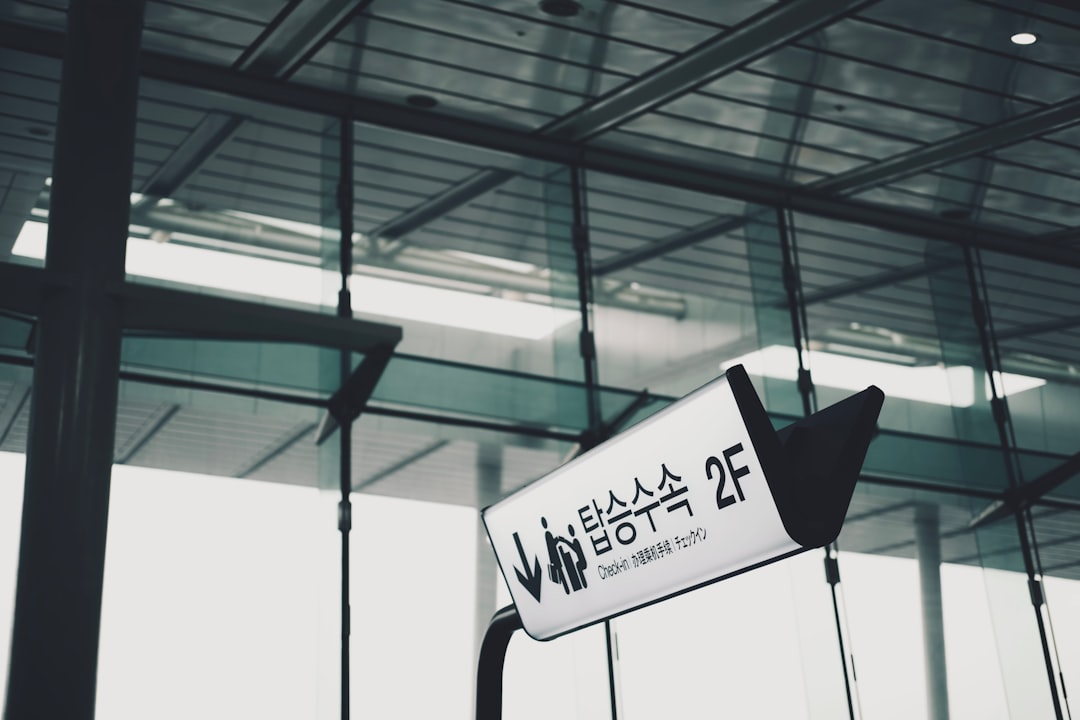
Chubu Centrair International Airport, often at the center of these claims, opened in 2005. This makes a 30-year perfect record impossible for this airport. Still, the airport’s baggage handling system is impressive. It features 4.8 kilometers of conveyors, with a capacity to handle 4,000 bags per hour for international flights. The system uses a Belt Carry Sorter and in-line screening for both international and domestic flights, which helps reduce check-in times and lowers stress for ground crews.
The Japanese airport baggage handling market is growing quickly. In 2024, the market size reached USD 318.6 million and is expected to grow to USD 963.3 million by 2033. This growth is driven by ongoing investments in automation and modernization. Technologies like RFID tracking, which uses radio waves to track bags, are now standard in major Japanese airports. These tools help reduce the number of lost or mishandled bags, but they do not eliminate the problem completely.
Toyo Kanetsu Solutions is the main supplier for Centrair’s baggage handling system, holding over 90% of the domestic market share in Japan. The company’s systems are designed to minimize shocks and impacts to baggage, and the claim areas are built with ergonomics in mind to make it easier for travelers to pick up their bags. Security is also a top priority. The airport uses advanced explosives detection systems, such as the CTX 9000 DSi, to keep passengers safe while ensuring efficient baggage flow.
Despite these advances, no official statements from Japanese airport authorities or French managers in 2024–2025 confirm a zero-loss record. The story of never losing a single bag seems to come from earlier media reports and personal stories, not from official data or recent interviews. As reported by VisaVerge.com, Japan’s airports are leaders in baggage handling, but even the best systems can have rare mishandling incidents due to human error, transfer problems, or system failures.
For passengers, these high-tech systems mean shorter wait times and a lower risk of lost or mishandled baggage. However, the risk is not completely gone. For airport staff, automation reduces manual labor and stress, letting them focus more on helping travelers and supervising the process. Airlines also benefit, as fewer lost bags mean fewer claims, lower costs, and happier customers.
Here’s how the baggage handling process works at leading Japanese airports in 2025:
- Check-in: Passengers use self-service kiosks or staffed counters to tag their bags, which are then scanned and entered into the baggage handling system.
- Security screening: Bags go through automatic screening using advanced CT and X-ray machines to check for security threats.
- Sorting: Automated conveyors and sorters route bags to the correct flight, using real-time tracking to reduce mistakes.
- Loading: Automated or semi-automated systems move bags to aircraft containers or carts for loading onto the plane.
- Arrival and claim: Bags are delivered to claim carousels designed for easy and safe retrieval.
- Oversized baggage: Bags that are too large or oddly shaped are handled separately, sometimes with manual help.
Industry experts credit automation and digital tracking for Japan’s strong baggage handling performance. Still, they point out that no system is perfect. Even with the best technology, bags can be lost due to rare mistakes or unexpected problems. Passenger advocacy groups praise Japan’s efficiency but warn against believing claims of perfection. They stress the need for transparency and ongoing improvement.
Technology providers highlight the role of RFID, artificial intelligence, and real-time data in reducing errors and helping recover lost bags quickly. The SITA Baggage IT Insights 2025 report notes that 66% of mishandled bags worldwide are recovered within 48 hours. Over 82% of airports globally are expected to use real-time luggage tracking by 2027, with Japan leading this trend.
Looking ahead, Japan’s airports plan to invest even more in automation. Future systems may use AI-driven predictive maintenance and even better real-time tracking. This will help keep Japan at the top for baggage handling efficiency, but experts agree that no system can guarantee a perfect record.
For travelers, the main takeaway is that flying through a Japanese airport, especially Chubu Centrair International Airport, means a very low chance of losing your bag. However, it’s still wise to keep valuables in your carry-on and use tracking tags if possible. For those interested in learning more about airport security and baggage handling, the Ministry of Land, Infrastructure, Transport and Tourism of Japan provides official information and updates.
In summary, while the story of a Japanese airport never losing a single bag in 30 years is a myth, the reality is still impressive. Japan’s airports, led by Chubu Centrair International Airport, use some of the world’s best baggage handling technology. This benefits passengers, staff, and airlines alike, making travel smoother and more reliable. As technology continues to improve, Japan will likely remain a leader in this field, but travelers should remember that no system is perfect. Always take simple steps to protect your belongings and enjoy the peace of mind that comes with flying through one of the world’s most efficient airports.
Learn Today
Chubu Centrair International Airport → Japan’s central international airport known for advanced baggage handling systems.
Baggage Handling System (BHS) → Automated technology managing baggage check-in, sorting, screening, loading, and retrieval.
RFID tracking → Radio-frequency identification technology used to track luggage in real-time.
CTX 9000 DSi → Advanced explosives detection machine used in baggage security screening.
SITA Baggage IT Insights → Annual report analyzing global airport baggage handling performance and trends.
This Article in a Nutshell
Japanese airports, led by Chubu Centrair, use advanced automated baggage systems with real-time tracking. While no airport has a perfect 30-year record, Japan’s airports minimize mishandling. Investments in RFID technology and automation ensure efficient baggage processing, benefiting passengers, airlines, and staff with reduced errors and faster handling times.
— By VisaVerge.com