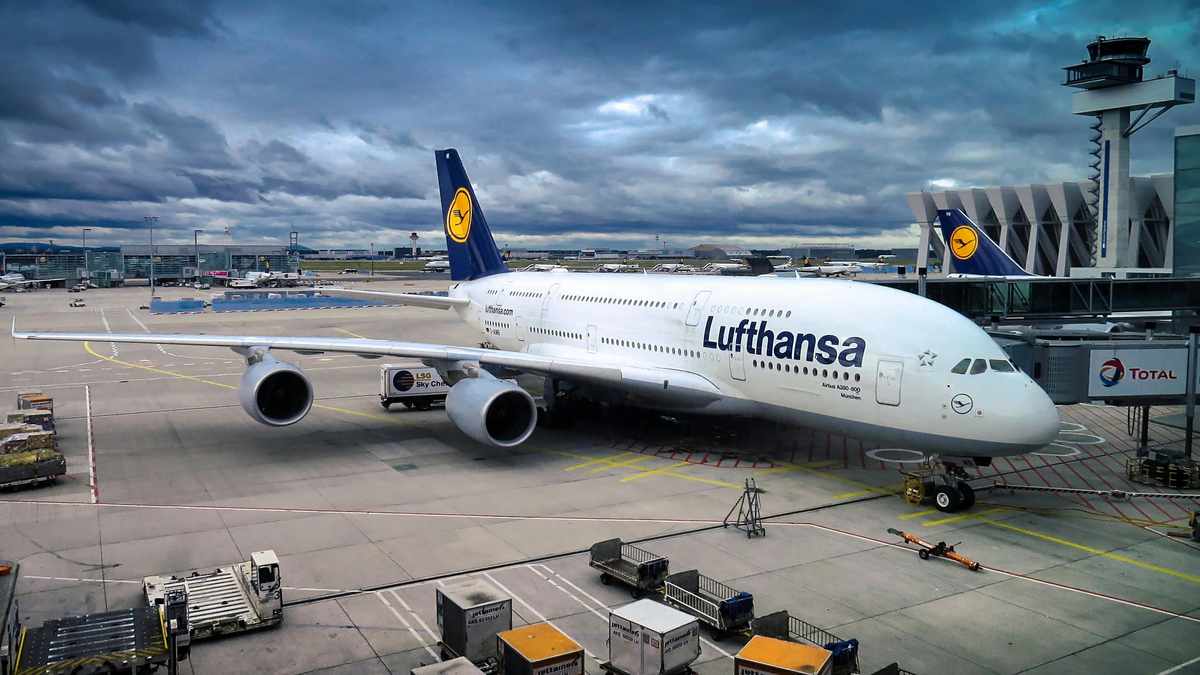
- A Lufthansa Airbus A380 diverted to Boston following an alleged passenger-on-passenger assault during a flight to Munich.
- The unscheduled stop could cost the airline six-figures due to fuel, landing fees, and ground handling requirements.
- Under EU261 regulations, unruly passengers are usually considered extraordinary circumstances, potentially exempting the airline from standard compensation.
(BOSTON, MASSACHUSETTS) – A Lufthansa Airbus A380 carrying 508 people on board diverted to Boston from San Francisco after an alleged onboard incident, potentially triggering costs in the six-figure range for the airline.
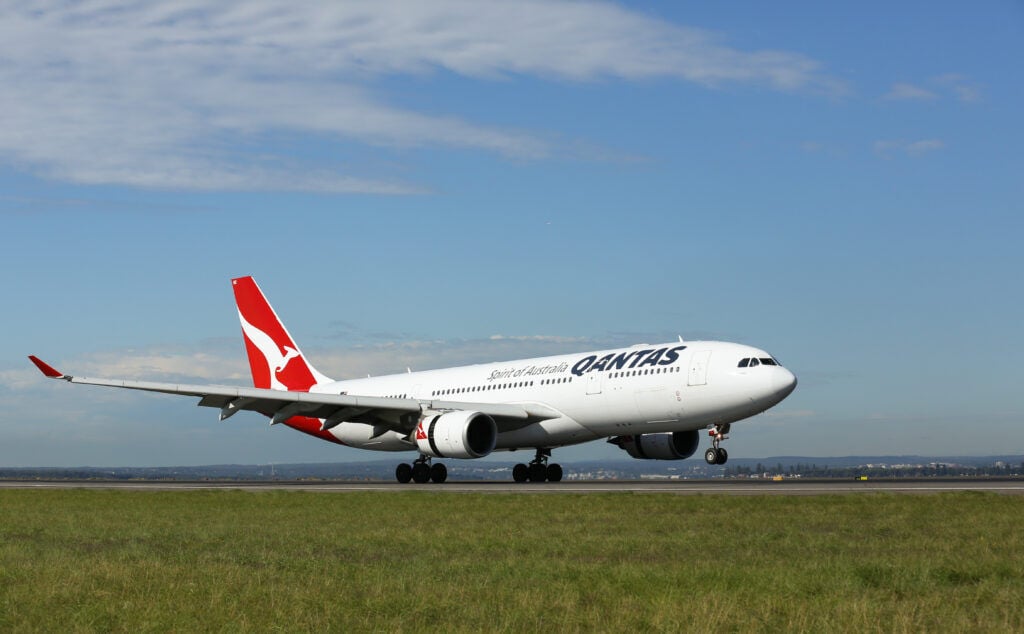
LH459 departed San Francisco on June 10, 2026, bound for Munich. The flight diverted to Boston Logan International Airport after an alleged passenger-on-passenger assault, and the aircraft later continued to Germany.
Free toolB1/B2 Tourist Visa Stay Calculator online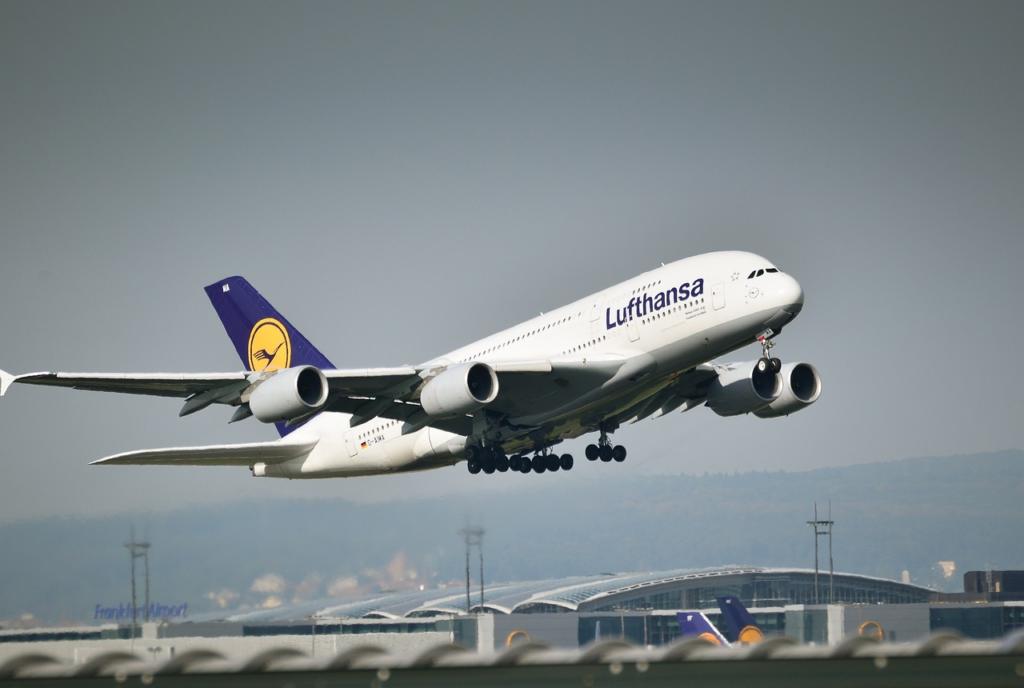
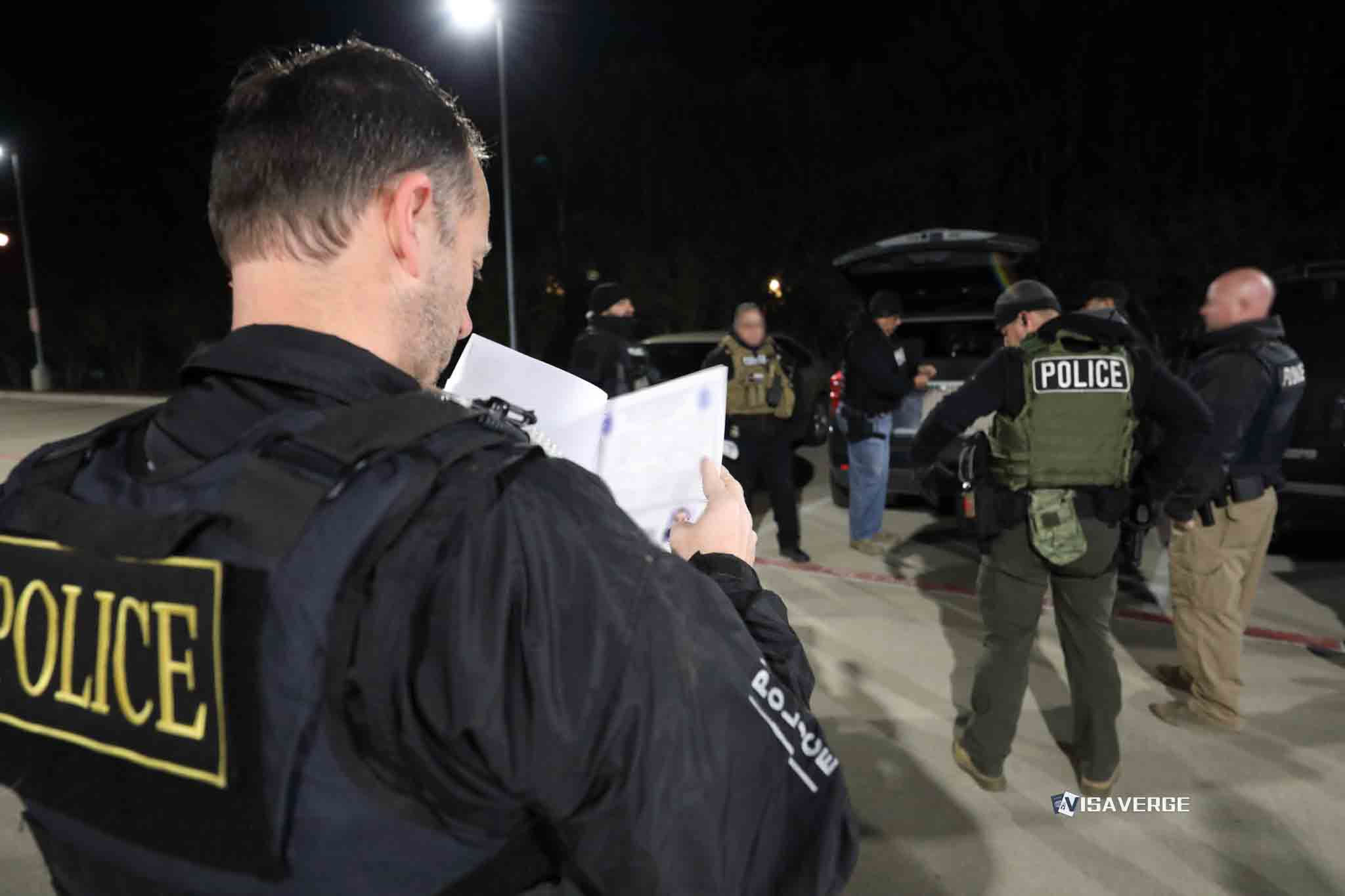
Massachusetts State Police said troopers were notified of a disturbance on the flight shortly before 8:00 a.m. local time. Police said the alleged attacker was handcuffed to her seat after the incident onboard.
Lufthansa has not publicly confirmed a final cost figure tied to the diversion. Airline operations specialists generally treat an unscheduled stop by a long-haul A380 as expensive even before any passenger care or follow-on maintenance is added.
Fuel is one of the first cost drivers. A diversion can force an airline to burn extra fuel during descent, approach, taxi, and the replacement leg, while also adding airport landing charges and parking fees.
Ground handling can raise the bill quickly. An A380 requires specialized support equipment, gate coordination, cleaning, catering, security response, and servicing before it can depart again.
Passenger care may add another layer of cost if delays stretch long enough to require meals, hotel rooms, or rebooking. Crew duty limits can also create expense if pilots or cabin staff need replacement, repositioning, or rest before the flight continues.
Maintenance checks matter as well. After a disruption involving restraint onboard and an unscheduled landing, the aircraft may need additional inspections or cabin repairs before returning to normal service.
| Cost Component | Possible Amount Range | Relevance to Incident |
|---|---|---|
| Extra fuel and landing fees | Five figures to low six figures combined | LH459 diverted from its San Francisco to Munich route and made an unplanned stop in Boston |
| Ground handling and aircraft servicing | Five figures | An A380 typically requires extensive airport support, servicing, and turnaround coordination |
| Passenger hotel, meal, and rebooking costs | Five figures, depending on delay length | Any lengthy interruption can require care obligations and alternate travel arrangements |
| Crew repositioning and schedule recovery | Five figures | Crew duty time limits may require replacements or altered scheduling after a diversion |
| Maintenance checks and cabin work | Four figures to five figures | Post-incident inspections or repairs may be needed before the aircraft resumes service |
Lumped together, those categories can push an A380 diversion into the six-figure range. The exact total in Lufthansa’s case has not been publicly confirmed, and the final figure may change as operational reviews and any investigation continue.
⚠️ Exact diversion costs have not been publicly confirmed. Any estimate may change as Lufthansa completes operational, passenger, and maintenance accounting, and as the investigation progresses.
The timeline is narrow but clear. LH459 left San Francisco on June 10, 2026, diverted to Boston Logan International Airport after the alleged assault, drew a response from Massachusetts State Police, and later departed Boston for Munich.
That sequence limits some uncertainty about the operation itself. Lufthansa did not cancel the flight outright, but a diversion by the airline’s largest passenger aircraft still carries costs that can ripple through crews, airport resources, passenger connections, and aircraft scheduling.
Compensation questions turn on EU261, the European passenger-rights rule that covers many flights to and from Europe. Under EU261, airlines generally do not owe standard delay compensation when a disruption results from extraordinary circumstances.
Unruly passenger incidents are commonly treated as extraordinary circumstances. In many cases, that means passengers affected by a diversion like this may receive care during the delay, but not the standard compensation tied to ordinary operational disruptions.
✅ Passengers and airlines should read EU261 carefully before assuming compensation is owed. Extraordinary circumstances often change the result, and unruly passenger events are typically assessed in that category.
Any legal or compensation claim still depends on the facts of the disruption, the route, and the carrier’s obligations at the time. Airlines may still owe duty-of-care items such as meals or lodging in some situations even when standard delay compensation does not apply.
Lufthansa’s exposure here appears tied less to passenger compensation than to the operational price of diverting an Airbus A380 off a transatlantic route and restoring the trip. A single onboard incident can produce a large bill long after the aircraft leaves Boston Logan International Airport.
This article discusses regulatory and financial implications related to airline operations and passenger incidents. For legal interpretations, consult relevant authorities.