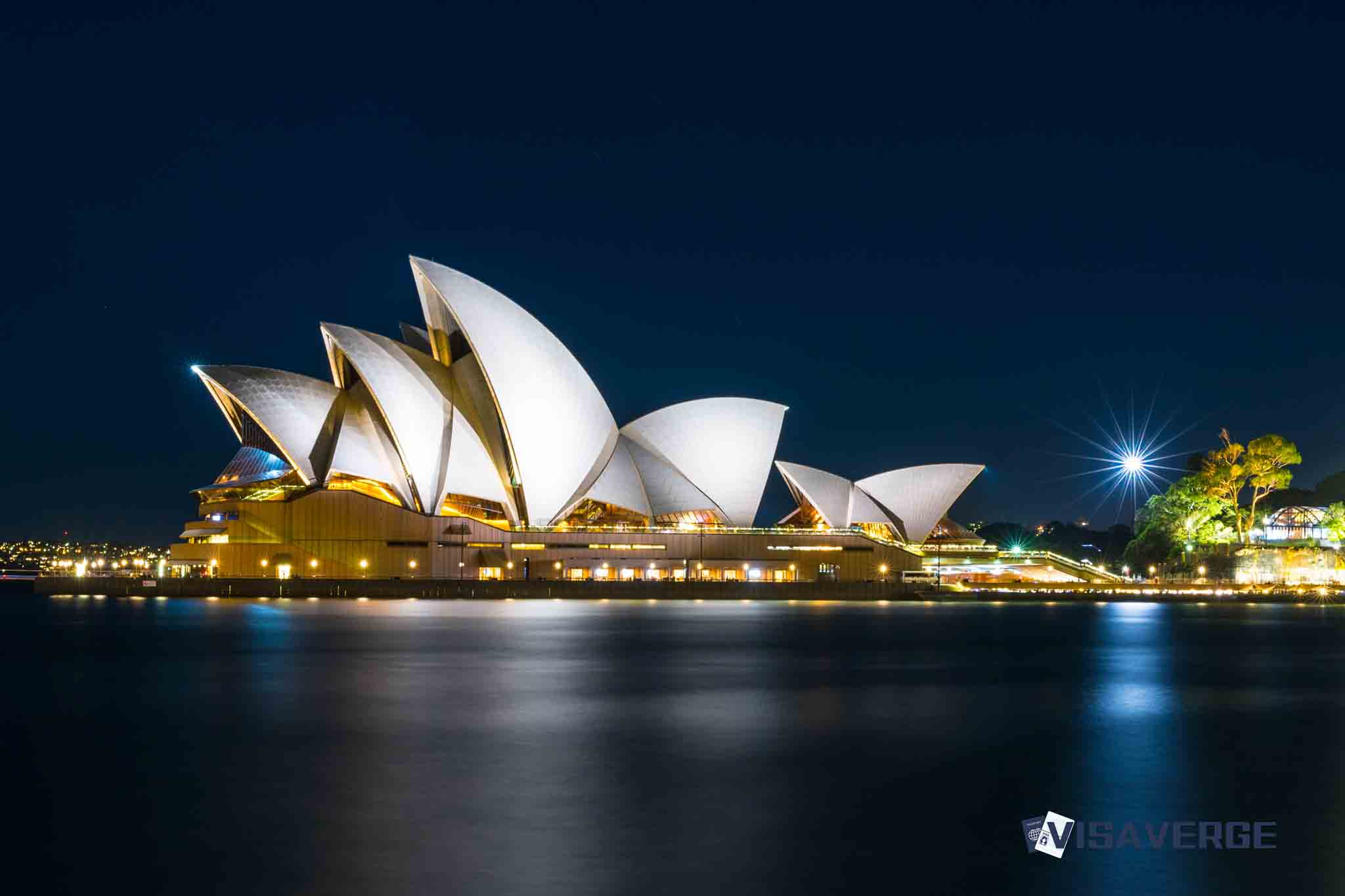
(SYDNEY, NEW SOUTH WALES, AUSTRALIA) Visitors arriving in Sydney after the 14 December 2025 Bondi Beach terrorist shooting are being met by a city that is open in many places but tense and heavily policed around the waterfront. New South Wales officials are urging people to keep away from the immediate crime scene at Archer Park and to follow police directions rather than assume the entire city is off limits.
The attack, described by the New South Wales government and NSW Police as a “terrorism incident,” killed 16 people and injured dozens during a Hanukkah gathering beside Bondi Beach. That prompted a surge of counter-terror patrols and a rolling recovery effort that has left parts of the area taped off while investigators work.
Current situation on the ground
On arrival, travellers will notice practical operational changes around Bondi Beach:
- Roads and walkways can close without much warning.
- Police may reroute pedestrians and restrict access to areas closest to Archer Park and the Bondi Pavilion precinct for days or longer, depending on forensic needs and police timelines.
- Tourists who show up to “see what happened” risk crossing into taped-off zones and slowing work that supports victims and prosecutions.
Authorities said a suspect has been arrested. Police also responded to other explosive devices that were found and “rendered safe,” adding to unease for tourists and temporary residents who normally treat Bondi as a must-see stop.
NSW Police have asked members of the public to provide any footage that could help investigators, but the message for visitors remains clear:
- Keep distance from the crime scene.
- Comply quickly with police directions.
- Expect that a familiar tourist strip can function like a controlled site, not a leisure area.
Travel guidance and risk judgment
Understanding risk can be difficult when travellers are far from home and seeing mixed messages online. Different advisory bodies use different language — from “avoid the area” to “exercise a high degree of caution” — and social media can amplify that into a blunt “don’t go.”
The New South Wales government’s own page, which includes public hotlines and safety messages, warns the area remains a “crime scene” for police work. There is no public “all clear” timeline, and officials have not set a fixed date for normal access to resume.
Key practical points for travellers:
- Check official NSW Police media releases and the New South Wales government’s updates for reopening notices and changes in threat messaging.
- Confirm with airlines, insurers, hotels, and tour operators about route openings, cancellations, and refund policies.
- Avoid planning Archer Park or nearby Bondi precinct stops until authorities say it’s safe.
Monitor official NSW Police and NSW government updates for reopening notices. Verify with your airline, hotel, and tour operator about route changes and refunds before leaving your accommodation.
Security posture and community impact
The human impact affects how officials and communities manage the days after the attack. A Hanukkah gathering at Archer Park became a mass casualty scene, producing ripple effects for:
- Visitors who are part of Jewish communities.
- Travellers with family in Sydney.
- People whose accommodation sits near police cordons.
Police and counter-terror teams remain active around Bondi Beach and other “sensitive locations,” including sites linked to the Jewish community. That presence can include:
- Visible patrols
- Bag checks
- Temporary closures
For tourists this can feel alarming; for residents it is both a reassurance and a reminder that the threat response is ongoing.
Practical immigration and safety advice for foreign nationals
The operational advice contains an immigration edge because foreign nationals often must keep paperwork and contact details ready in a crisis.
- Carry identification and keep your phone charged.
- Know the emergency number: 000.
- Avoid large memorial or tribute gatherings if you don’t need to be there.
- If your passport is lost, damaged, or you need urgent consular help, contact your embassy or consulate in Canberra or Sydney and follow its instructions.
VisaVerge.com reports that after major security incidents, consular teams typically see a rush of requests for:
- Replacement passports
- Letters for airlines
- Help contacting relatives
These requests often arise even when immigration rules themselves have not changed.
Logistics for travellers planning to fly or stay
For those still planning to travel to Sydney, the immediate concerns are logistics and short-term safety rather than border eligibility.
- Airlines and travel insurers may treat police operations and access limits differently; speak with carriers and insurers about cancellations, changes, and refunds.
- Mainstream tourist areas may remain accessible, but expect disruption from extra patrols and transport changes.
- Police presence and access restrictions can last “days to weeks,” which matters for short trips where losing even one day reshapes itineraries.
Accommodation considerations:
- Properties near Archer Park may be within earshot of police operations and media activity.
- Properties farther away may offer a quieter base while still allowing access to the city.
Official channels and advice for separating fact from fear
Foreign ministries typically update travel advice after attacks. The briefing stresses the best practice is to rely on official channels rather than commentary and reposts.
- Travellers from the United States, Canada, and other countries should check their government’s travel advisories and consular instructions.
- Compare those advisories with local directions from NSW Police and the New South Wales government.
- Confirm with hotels and tour operators about route access and refund policies when attractions are inside a police perimeter.
For official local information, the source material points to the New South Wales Government website: https://www.nsw.gov.au.
Support lines and reporting
Inside New South Wales, officials have provided support and information lines that also serve as a reality check for travellers hearing rumours about closures. The source material lists the following numbers:
| Service | Phone |
|---|---|
| Victims Services | 1800 411 822 |
| Public information line | 1800 227 228 |
These services are aimed at residents and victims but also matter for visitors who witnessed the attack or were caught in the evacuation.
Practical steps for witnesses or bystanders:
- Preserve photos and video that may be relevant.
- Provide evidence through channels police request.
- Avoid public posting that could interfere with investigations.
What travellers should expect going forward
Security measures are likely to extend beyond Bondi Beach. The briefing notes police and counter-terror units remain active “around Bondi and other sensitive locations,” and that transport hubs, beaches, and tourist precincts may face checks and temporary closures “for the foreseeable future.”
Recommendations for travellers:
- Build in extra time for journeys.
- Be ready for bag inspections and sudden platform or street closures.
- Keep calm and follow official instructions when redirected.
- Postpone plans that treat Archer Park as a day-tour stop until authorities announce reopening.
Key takeaway: Rely on official updates tied to the investigation (NSW Police and New South Wales government). Until authorities declare the area reopened and safe, avoid Archer Park and treat the Bondi precinct with extra care so police can do their work without crowds pressing against the tape.
Sydney’s Bondi precinct remains open but heavily policed after a Dec. 14 terrorist shooting at Archer Park that killed 16 people. Authorities arrested a suspect and neutralized explosive devices while ongoing forensic work keeps areas taped off. Travelers should avoid Archer Park, follow NSW Police directions, check official updates, and confirm airline and accommodation policies. Expect visible patrols, bag checks, and transport disruptions that could last days to weeks.
Live Government Data
State Dept • CBPBusiest Border Crossings
- Calexico 150 min
- Nogales 150 min
- Nogales 120 min