Key Takeaways
• Hungary’s April 2025 laws ban all public LGBTQ+ events, including Budapest Pride, and impose €500 fines for violations.
• Legal gender recognition is removed; only birth-assigned male or female are allowed, with no updates for transgender or intersex people.
• Hungarian citizenship of dual nationals can be suspended for up to ten years if deemed a threat to national security.
Hungary 🇭🇺 has made sweeping changes to its laws, and these new rules are causing deep concern both inside the country and around the world. Prime Minister Viktor Orbán’s government pushed through tough amendments in April 2025 that change how LGBTQ+ individuals can live, express themselves, and gather together. At the same time, the new laws introduce strong new powers for the Hungarian government to suspend or even remove citizenship from certain people who have more than one nationality. These measures, critics say, could affect not only LGBTQ+ individuals but also anyone seen as a political opponent or as having ties to foreign groups. The story of these changes is about much more than policy—it’s about freedom, identity, and the rights everyone should have.
Hungary’s New Laws: What Has Changed?
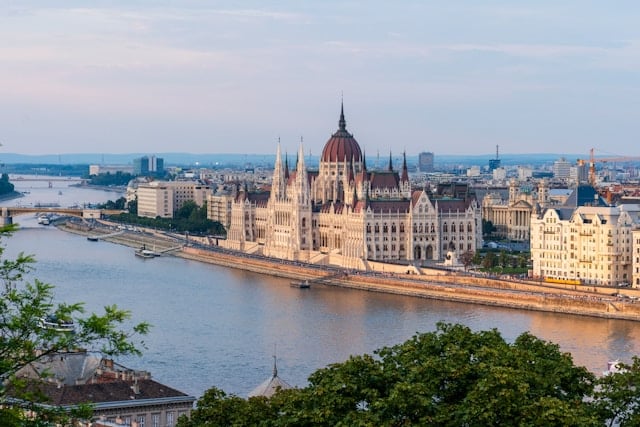
In April 2025, Hungary 🇭🇺 put into place wide-ranging amendments to its constitution. Parliament said these changes were meant to “protect children,” but in practice, they take away key rights from LGBTQ+ individuals and give the government new tools against people with dual citizenship. Here is what’s different now:
Public LGBTQ+ Events Are Now Banned
- The Hungarian parliament passed a law allowing the government to ban any public gathering or event by LGBTQ+ people. This includes Budapest Pride, which every year brings together thousands of people.
- The government says these events “violate child protection laws,” by what it calls the “promotion or depiction of homosexuality” to anyone under 18.
- If someone tries to host or join a banned event, the police can use facial recognition cameras to see who is there. Organizers and attendees can be fined up to €500 (almost 200,000 Hungarian forints).
- The rules mean that any public showing of LGBTQ+ support can be stopped, not just by removing people, but by punishing them with money fines and keeping their names in police records.
Let’s pause here for a moment. Why does this matter? For years, Budapest Pride has been a symbol of hope and visibility for LGBTQ+ people in Hungary 🇭🇺. Now, even being seen at such an event could cost you hundreds of euros or get your name filed away by the police. This is a big change from before, when LGBTQ+ events, though sometimes facing opposition, were not officially banned by law.
Denial of Gender Identity Rights
The changes go even deeper when it comes to identity:
- The constitution now says people can only be officially recognized as either male or female, matching the sex listed at their birth.
- People who are transgender—meaning, their gender does not match the sex the government says they were born with—cannot change this on official documents.
- The law gives no way for people who are intersex (born with physical traits of both sexes) to have this reality shown on any government record.
- The government explains this as protecting the “natural order,” and offers no choice for people to update their gender.
This change isn’t just about paperwork. For LGBTQ+ individuals, especially transgender people, it means that their documents—like ID cards, passports, or driver’s licenses—will always list the gender as male or female according to birth, even if that does not reflect who they are. Everyday things become hard, like getting a job or traveling, when your documents don’t match your true self.
Framing Everything As ‘Protecting Children’
Why does the government say it is making all these changes? The new laws claim that “children must have the right to proper physical, mental, and moral development” and that this is more important than almost any other right, except for the basic right to life.
- The government uses this statement as the reason to ban Pride marches and to limit free speech and free gathering for LGBTQ+ topics.
- “Child protection” here is used to cover a wide set of rules, from what you can say, who can gather, to what events can even happen.
Some people feel these reasons are meant to hide what’s really happening: the removing of basic freedoms from some groups while saying it’s “for the children.”
New Rules on Citizenship: Dual Nationals at Risk
Another part of the new amendments gives the government more power over the citizenship of people who have more than one nationality.
- If a person has Hungarian 🇭🇺 and another country’s citizenship, the government can now suspend their Hungarian 🇭🇺 citizenship for up to ten years if it thinks they threaten “public order or national security.”
- Those who are citizens of the European Union (or certain other European countries) are generally protected from this, but dual citizens from outside this group could be expelled from Hungary 🇭🇺.
- Critics of the law say this is aimed at people seen as political opponents or tied to outside funding, like employees of international human rights organizations and non-government groups.
Until now, citizenship in Hungary 🇭🇺 was seen as a stable status that could only be taken away in rare, serious cases. Now, the government has a tool to target those it feels are challenging its rule, especially if they are a member of a group that faces more social or legal challenges—such as LGBTQ+ individuals.
How Do These Changes Affect Basic Rights?
The true reach of the new rules is wide. They touch many of the rights often taken for granted in a free society. Here’s a breakdown:
| Right/Freedom | Impact Under New Law |
|---|---|
| Freedom of Assembly | Bans all public LGBTQ+ events; police can break up such gatherings |
| Freedom of Expression | Makes expressing support for LGBTQ+ issues even riskier and easier to punish |
| Legal Gender Recognition | Outlawed; only male/female as stated at birth allowed |
| Privacy | Facial recognition cameras used at illegal gatherings |
| Citizenship/Travel | Dual citizens from outside Europe can lose citizenship and be expelled |
Some legal observers say these steps go directly against the international promises Hungary 🇭🇺 has made, including rules that protect free speech, gathering, privacy, and the right to be different. Human Rights Watch and other groups have said these changes are not just an attack on LGBTQ+ individuals—but also part of a longer plan against free media, fair courts, and anyone who might question or challenge the government.
What Is the Government’s Reason and the World’s Response?
Prime Minister Orbán and his group say these new laws are about “protecting Hungarian 🇭🇺 values,” defending children, and keeping order in society. But the timing and language used—an “Easter cleanup,” just ahead of national elections in 2026—make many think these moves are also about making it harder for opposition groups and voices before voters head to the polls.
Observers from the European Union, the United Nations, and many rights groups see these steps as similar to rules passed in Russia 🇷🇺 in recent years under President Putin. In both places, laws are used not only to stop LGBTQ+ individuals from speaking up or gathering, but also to block and weaken organizations that report on rights abuses or criticize those in power.
Let’s look at some reactions:
- International bodies have quickly called out these changes as unfair and dangerous.
- Human Rights Watch and other large groups have said Hungary 🇭🇺 is taking steps back from democracy and closer to authoritarian rule (a system where one leader or party controls everything).
- Even some leaders in the European Union say Hungary 🇭🇺 might be breaking the rules all member countries agree to follow, making future relationships harder.
What Does This Mean for LGBTQ+ Individuals, Dual Citizens, and Everyone Else?
If you are an LGBTQ+ individual in Hungary 🇭🇺 right now, daily life has gotten more difficult. You can be fined or watched if you join a public event that supports LGBTQ+ rights. Your ability to have the government respect your identity—especially if you are transgender—has been erased. For those with more than one citizenship, your Hungarian 🇭🇺 citizenship can now be put on hold, leaving you without rights or, in some cases, being forced to leave the country.
But it’s not just about LGBTQ+ individuals:
- Anyone who works for, donates to, or even supports a group that the government sees as “foreign backed” could be targeted, especially if they have citizenship from another country as well.
- More people may feel they have to hide who they are or what they think, leading to fear and silence.
- The laws set a tone where people are more scared to express themselves or support those facing unfair treatment.
VisaVerge.com’s investigation reveals that laws like these can change quickly but have effects that last for years. Once freedoms are taken away—like the freedom to gather, speak, or be true to your identity—it is very hard to win them back.
Are These Laws Final? What Can Be Done?
For now, these amendments are the law. That means the government and police do have the power to ban events, fine people, and suspend citizenship as described. Human rights groups say that, in the long run, the only way to turn things around is through international pressure, court challenges, or changes in the country’s leadership.
- Many groups inside and outside Hungary 🇭🇺 are speaking out, making it clear these rules are not normal or acceptable.
- The European Union may take legal steps, but that process can be slow.
For people wanting to better understand their rights or take action, official government sites offer information on Hungarian citizenship rules and what each law says. It’s important to stay informed from trusted sources.
The Global Context: What Happens Next?
Hungary 🇭🇺 is not alone in passing laws seen as anti-LGBTQ+. Similar rules have been made in other places, but Hungary 🇭🇺 is a member of the European Union, where each country agrees to a set of shared rules protecting basic rights. When one country breaks these promises, it can cause arguments with other members and could even lead to sanctions.
Looking at the bigger picture:
- These steps could push Hungary 🇭🇺 further away from its neighbors and allies.
- Business, education, and even travel between Hungary 🇭🇺 and other European countries could be affected.
- People inside Hungary 🇭🇺 may face a choice: keep fighting for their rights, move to another country, or try to find ways to cope with the new reality.
For LGBTQ+ individuals considering travel or moving to Hungary 🇭🇺, these changes are important to know. If you are thinking about applying for citizenship, planning a visit, or supporting someone in Hungary 🇭🇺, it’s wise to keep updated as things continue to develop.
In Closing
Hungary 🇭🇺’s new constitutional amendments have changed the landscape for LGBTQ+ individuals and people with more than one citizenship. Under these laws, LGBTQ+ events are banned, legal recognition for transgender and intersex people is gone, and the government can use cameras at gatherings. Citizenship can now be paused or taken away, especially from those seen as a challenge to the current leadership.
These changes have brought wide criticism at home and abroad. For those living in Hungary 🇭🇺, or thinking about their future there, it is a time of both worry and action. Laws can change, but so too can the voice and courage of people who want a more open, fair society.
Stay connected with trustworthy sources for any changes. And if you want to learn more about your rights or options, visit Hungary’s official sites or follow updates from leading groups like VisaVerge.com. The steps Hungary 🇭🇺 has taken are a reminder that the journey toward freedom and acceptance is ongoing—and that everyone, everywhere, has a stake in the outcome.
Learn Today
Dual Citizenship → The status of being a legal citizen of two countries at the same time, with associated rights and responsibilities.
Legal Gender Recognition → The official process for changing one’s gender marker on identity documents to match their gender identity.
Facial Recognition Cameras → Technology used by authorities to identify individuals at public gatherings through analysis of facial features in real time.
Constitutional Amendment → An official change or addition to a country’s core legal document, often affecting fundamental rights and structures.
Public Order → A legal concept often cited by governments to maintain societal stability and justify restricting certain activities or rights.
This Article in a Nutshell
Hungary’s April 2025 constitutional changes ban all LGBTQ+ public events and erase legal gender recognition. The government gains sweeping new powers to suspend dual citizenship. These unprecedented laws threaten basic freedoms, prompting international condemnation and fears for LGBTQ+ rights, privacy, and identity. Many now question Hungary’s future within the European Union.
— By VisaVerge.com
Read more:
• Nabil Al-Awadhi loses Kuwaiti citizenship once more
• Kuwait intensifies campaign to revoke thousands of citizenships
• Literacy Network loses funding for citizenship program
• NAPABA challenges Trump on birthright citizenship order
• Iowa lawmakers push U.S. Citizenship Test for high school grads
Live Government Data
State Dept • CBPBusiest Border Crossings
- San Ysidro 180 min
- Calexico 130 min
- Nogales 120 min