- Major European airlines are shifting to daytime-only operations for Tel Aviv flights through early February 2026.
- Israeli carriers currently offer the highest operational reliability for travelers needing fixed-schedule certainty.
- Lufthansa and ITA travelers should monitor bookings daily for short-notice retimings or partner airline swaps.
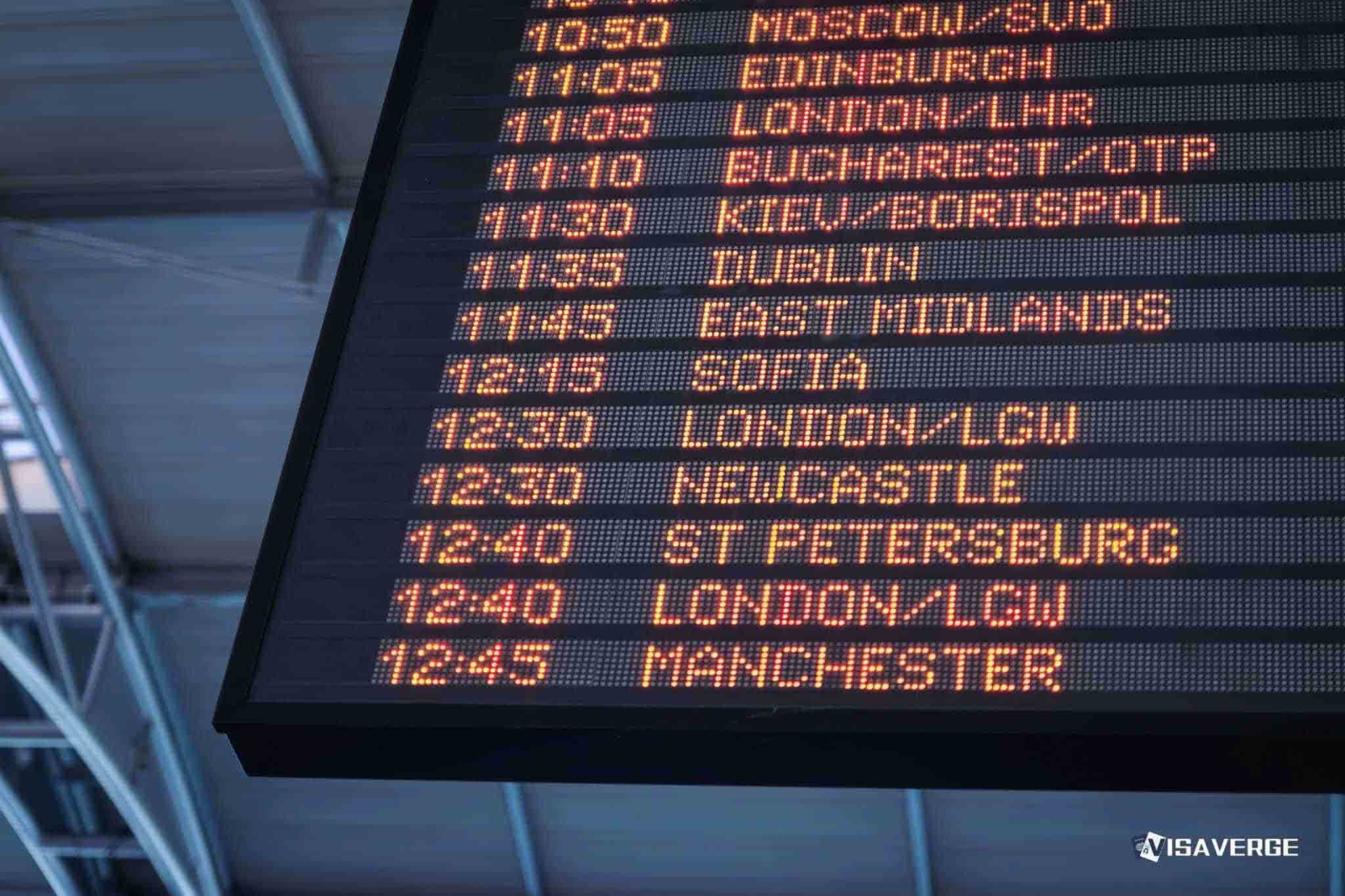
(TEL AVIV, ISRAEL) — Getting to Tel Aviv right now can be less about finding the best fare and more about finding a flight that actually operates. With several European carriers extending suspensions and restricting night flights, your itinerary can shift at the last minute, and the “best” choice often comes down to reliability, rebooking support, and timing.
I spent the past week tracking and flying the daytime-only pattern that’s become the new normal for parts of the market. The quick verdict: if you need a straightforward Europe–Tel Aviv trip in late January and early February 2026, daytime operations on Lufthansa Group and ITA can be workable, but you should book only if you can handle retimings and you monitor your booking daily.
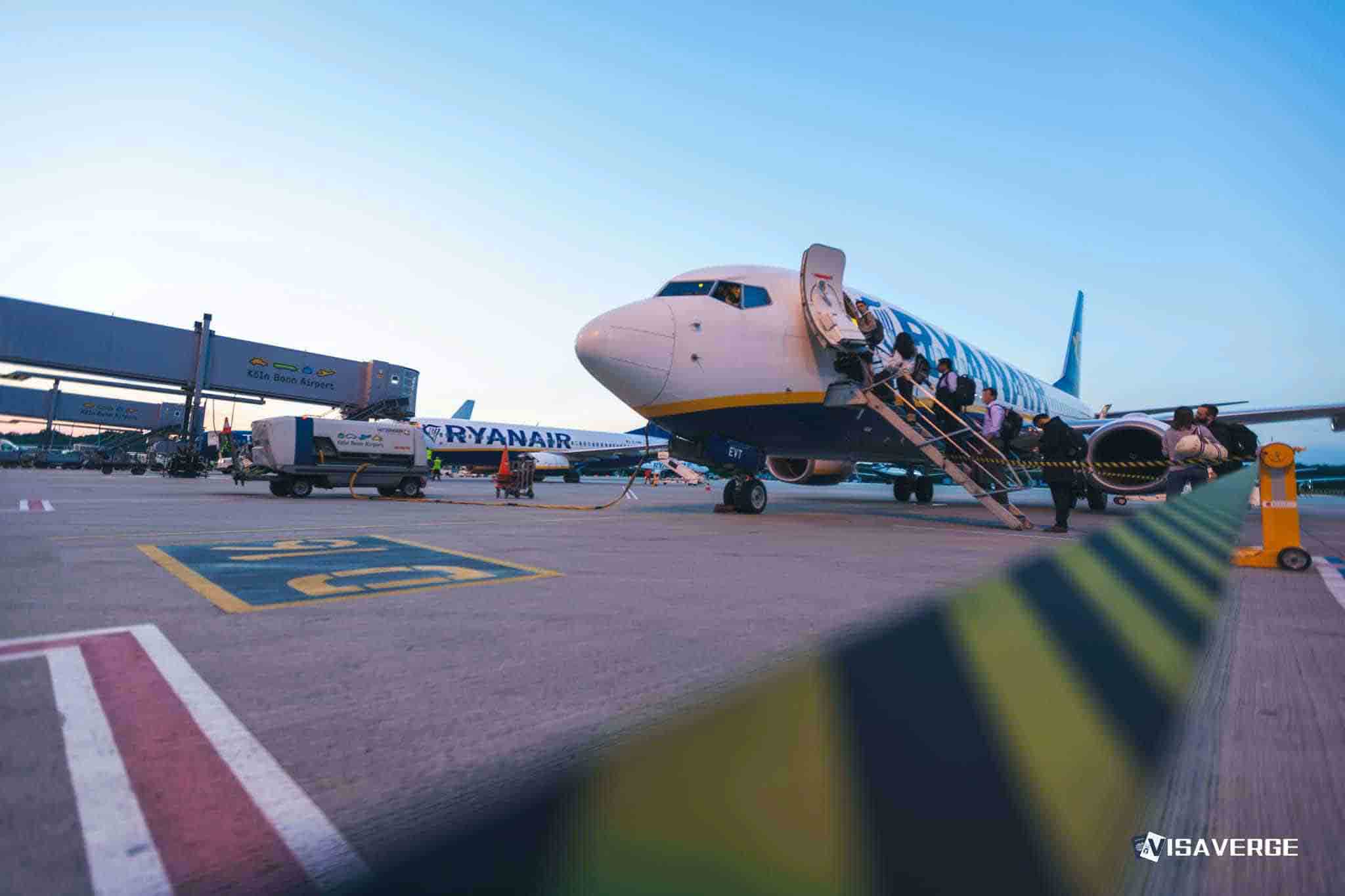
If you want set-it-and-forget-it certainty, Israeli carriers are the safer bet right now, even if the onboard product isn’t dramatically better.
What’s actually changing (and why you feel it immediately)
Airlines aren’t just canceling flights to Tel Aviv. They’re also changing how they operate there. The big shift is “safety-driven” scheduling, which usually means daytime-only arrivals and departures, reduced frequencies, and routings that avoid certain airspace.
In practice, that can mean a flight still shows as “operating,” but it gets pushed earlier, pulled later, or rerouted to stay clear of risk areas. Current assessments around regional tensions, including Iran and nearby overflight concerns, are a major reason airlines are limiting overnight exposure and revising routes.
For you, the traveler, the real pain point is short-notice changes. You can have a confirmed seat and still wake up to a new departure time, a different connection city, or a partner airline swap.
The onboard “review” reality: this is a reliability-first trip
On paper, a daytime Europe–TLV sector is a medium-haul flight with familiar cabins. In reality, the experience starts before boarding, because operational constraints drive everything from departure time to the likelihood of a same-day retime.
So I’m reviewing this the way most frequent flyers will experience it in early 2026: a daytime-only Tel Aviv run where schedule stability and airline handling matter at least as much as seat comfort.
Airline-by-airline: who’s flying, who isn’t, and what it feels like
Here’s the late-January 2026 snapshot, with the practical “what to expect” framing travelers care about.
| Airline | Tel Aviv status (late Jan 2026) | What you should expect |
|---|---|---|
| Lufthansa Group (Lufthansa, SWISS, Austrian, Brussels, Eurowings) | Operating TLV with a daytime-only window | Retimings into the day window, possible reroutes, proactive app changes |
| ITA Airways | Night flights suspended through Jan 31, 2026 | Your flight may be moved earlier or canceled and reaccommodated |
| KLM | Not operating to TLV “for the time being” | Don’t count on AMS–TLV returning on a set date |
| Blue Bird Airways | Voucher-based refunds for eligible cancellations in a defined window | Read voucher rules closely, especially timing and validity |
| Israeli carriers (El Al, Arkia, Israir) | Continuing operations with flexible policies | More continuity, with policy flexibility often replacing “normal” rules |
KLM’s stance matters beyond Amsterdam. Many Schengen travelers rely on AMS as the smoothest self-connect hub. With that gone for now, you’ll see extra demand via Frankfurt, Munich, Zurich, Vienna, and Rome.
Lufthansa Group daytime-only: dependable ops, familiar Euro cabins
On Lufthansa Group, the “product” to Tel Aviv is usually what you’d expect on an A320-family jet. Economy is typically a slimline seat, about 30–31 inches of pitch and roughly 17–18 inches wide, with a tight recline.
Business class is the standard European-style blocked middle seat, not a bigger chair. Power is the biggest variable. Many aircraft still don’t have seat power in every row, and USB can be inconsistent. I plan as if there’s no power and bring a battery pack.
Service is functional, not fancy. In economy, you’re often looking at buy-on-board snacks and drinks on many group carriers, while some brands vary by route and time. In business, you usually get a tray meal on flights of this length, but timing changes can affect catering.
ITA Airways: Rome connections can work, but watch the clock
ITA’s Tel Aviv pattern is heavily affected by the night-flight suspension window through Jan 31. The airline can handle this two ways: retime into a daytime slot or cancel and reaccommodate you.
If you’re connecting in Rome, the risk isn’t just cancellation. It’s a late retime that turns a comfortable connection into a sprint, or an airport day that becomes much longer than planned.
Cabin-wise, expect a similar narrowbody setup. Economy seating is generally in the 30-inch pitch range, with a modern interior on newer frames. Power and streaming options vary by aircraft, so treat them as a bonus, not a promise.
Blue Bird Airways: read the voucher fine print before you click “cancel”
Blue Bird’s approach is the most clearly defined for travelers who value predictability in refunds. For eligible cancellations in the stated booking window, the carrier offers “full refunds” via vouchers, with a key condition: cancellation up to 48 hours before departure. Those vouchers are valid for two years.
That can be perfectly reasonable if you know you’ll fly them again. It’s less attractive if you want cash back to rebook on another carrier this week.
Israeli carriers: the “get there” option, with flexibility doing the heavy lifting
El Al, Arkia, and Israir continuing to operate changes the market. They become the default “I must be in Tel Aviv on Tuesday” option, even if the fare is higher.
The onboard experience varies by aircraft and cabin. On short-to-medium sectors, you’ll often get straightforward economy seating and a more conventional airline service model than some European buy-on-board setups. The bigger difference is operational continuity and policy flexibility, not seat width.
Comfort and cabin basics: what you’re really signing up for
- Economy seat: typically 3–3, slimline, tight recline
- Legroom: commonly around 30–31 inches of pitch
- Width: usually around 17–18 inches in economy
- Power: inconsistent on older frames; don’t rely on it
- Business class (Europe-style): blocked middle seat, same seat width as economy
If you’re comparing value, the main “upgrade” isn’t the cabin. It’s the schedule that best matches the daytime window and gives you cushion for changes.
⚠️ Heads Up: Avoid self-connecting on separate tickets right now. A retime can wipe out your buffer, and the second airline may treat you as a no-show.
Food and service: daytime flights help, but retimings can hurt
Daytime-only operations can improve the experience in one way: you’re less likely to land at an odd hour and more likely to have normal airport services available.
But schedule shifts can throw off catering. If your flight is moved earlier, it can change what’s loaded, especially on airlines that tailor service by departure time. I’ve also seen crews clearly briefed for a more “operational” day, with announcements focused on connections and gate changes rather than a polished premium feel.
Entertainment and Wi‑Fi: plan for “bring your own”
On many European narrowbodies, seatback screens are still rare. If there’s entertainment, it’s usually streaming to your device, and sometimes it’s not offered at all.
Wi‑Fi is similarly variable. Some aircraft have it, some don’t, and pricing and reliability can be hit-or-miss. Download what you need before you board, especially if you’re using Tel Aviv as a work trip stop.
Amenities that matter most on this run: batteries, screenshots, and flexibility
For this trip style, the most important “amenities” aren’t pillows. They’re the practical items that keep you moving when your itinerary changes.
- A power bank that can handle a full day of phone use
- A charging cable that fits your device
- Screenshots of your original itinerary and fare rules
- A backup plan for your first night, in case you arrive much earlier or later
Miles, points, and status: the hidden cost of reroutes and rebookings
Frequent flyers should think about two things: earning and protection. If you’re chasing status in programs like Miles & More, Flying Blue, or Volare, a cancellation that turns into a partner rebooking can change your mileage credit.
Fare class can also change if you’re reaccommodated, which can affect both miles and elite-qualifying credit. On the redemption side, irregular operations can be a quiet win. If an airline cancels your flight, you often have stronger options to switch dates or routes than you would with a voluntary change.
Award redeposit and change fees are sometimes waived during disruption periods, depending on the carrier and ticket type.
Key dates and windows you should have on your calendar
| Date/window | Airline/item | Why it matters |
|---|---|---|
| Jan 31, 2026 | ITA Airways | End date for the stated night flights suspension window |
| Feb 3, 2026 | Lufthansa Group | End date for the stated daytime-only Tel Aviv policy window |
| Through Mar 28, 2026 | Lufthansa Group (Tehran) | Shows broader regional constraints affecting route planning |
| Jan 26–Feb 5, 2026 (bookings), flights affected through Feb 7, 2026 | Blue Bird Airways | Eligibility window for voucher-based refund coverage as stated |
Treat “until” dates carefully. Some airlines mean end-of-day local time, while others mean “last flight departing that date.” If you’re flying on the boundary day, check your booking morning and evening.
💡 Pro Tip: If your flight sits inside a policy window, request a proactive rebooking before you’re within 24–48 hours of departure. That’s when hold times spike.
Refunds, vouchers, and rebooking: what to save, what to request
A few definitions help.
- Suspension: the airline stops operating a route or a subset of flights, often temporarily.
- Daytime-only operations: flights operate only within a defined time window, pushing schedules earlier or canceling late departures.
- Rebooking: the airline moves you to another flight, sometimes with a different routing or partner airline.
Your options depend on who initiates the change. If the airline cancels, you’re typically entitled to a refund or a rebooking option under the carrier’s conditions of carriage and local rules.
If you cancel first, you may be stuck with whatever your fare allows, which is why Blue Bird’s voucher terms matter so much. Keep documentation. Save the cancellation email, screenshots of app changes, and your original receipt.
Submit requests through the airline’s official channel first, then escalate to customer relations. If you paid by card and the airline fails to deliver a refund owed, a card dispute can be a last resort.
Operational ripple effects: connections, Schengen hubs, and UAE alternates
For Schengen-based travelers, the big shift is hub substitution. With KLM out of Tel Aviv for now, more itineraries funnel through Germany, Switzerland, Austria, Belgium, and Italy. That can mean tighter connections and busier peak departures.
UAE connectivity is also part of the planning. KLM has other regional decisions in motion, including Dubai service under review starting Jan 30, 2026, which can affect broader Middle East network flows. Even if you aren’t connecting through the UAE, those aircraft and crew deployments can influence capacity and reaccommodation options.
Why airlines are doing this: the non-negotiables behind the scenes
Airlines make these calls with safety and risk teams, operations control, and route planners. When tensions rise, the calculus changes fast.
Avoiding certain airspace, including corridors affected by Iran and Iraq overflight concerns, can lengthen flight times. It can also push crews closer to duty limits. Add insurance and operational constraints, and you get daytime-only flying or temporary suspensions.
Simple: a published schedule is not a promise in this moment. It’s a plan that can be revised.
Who should book this?
Book a European daytime Tel Aviv flight right now if you’re a flexible traveler who can handle retimings, you’re flying on a single ticket, and you’ll monitor the airline app like it’s your boarding pass.
Lufthansa Group daytime flights are the most workable mainstream option through the stated Feb 3, 2026 window, and ITA can be fine if you avoid boundary-day connections around Jan 31, 2026.
Choose an Israeli carrier if you have a fixed-event trip, you can’t risk a rolling schedule shift, or you need the most consistent “get me there” plan this week. If you’re holding Blue Bird flights inside the stated Jan 26–Feb 7 coverage period, decide before you’re inside the 48-hour cutoff, since that’s where voucher eligibility can hinge.
Live Government Data
State Dept • CBPBusiest Border Crossings
- San Ysidro 170 min
- Calexico 120 min
- Otay Mesa 100 min